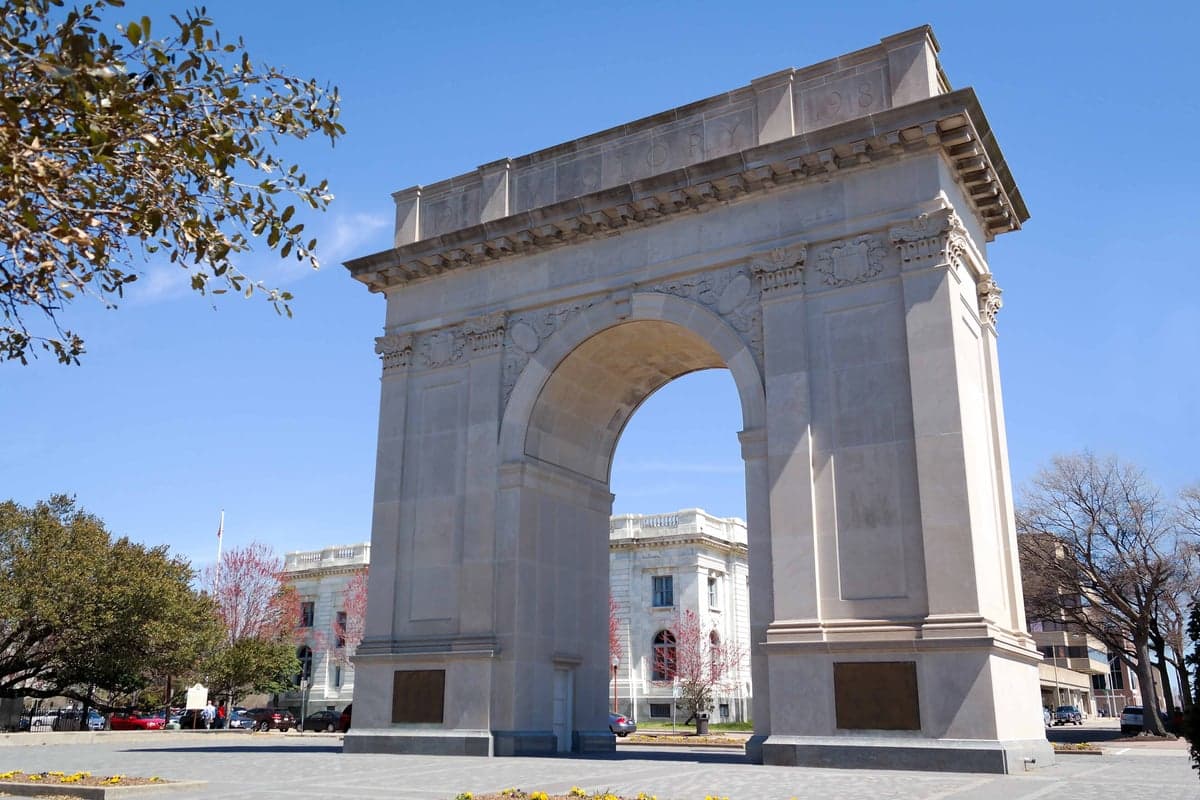
Photo: Wikipedia
Strategic Assessment of Newport News, VA
Multiple tactical vulnerabilities. Population density, target proximity, or disaster risk are likely compounding. A retreat property and exit planning is required.
What does the Strategic Assessment tell us?
Our Strategic Assessment grades tactical survivability of an area. Major population centers, military targets, fallout zones, natural disasters, and border exposure all drive risk — lower exposure means a more defensible position in a crisis.
This is heavily inspired by Joel Skousen's Strategic Relocation book. Highly recommended you checkout the book ($)What does this tell us?
Our Strategic Assessment grades tactical survivability of an area. Major population centers, military targets, fallout zones, natural disasters, and border exposure all drive risk — lower exposure means a more defensible position in a crisis.
This is heavily inspired by Joel Skousen's Strategic Relocation book. Highly recommended you checkout the book ($)Strategic Pillars

Key Distances
Regional Safe Places
Below is our recommended "safe zones" in Virginia and the surrounding area based on our strategic heuristics. For most people, it's unrealistic to live in a “safe zone” full-time due to work, family or other personal reasons. They tend to be more rural. However, many of these areas are perfect for second homes and retreat properties that double as a vacation home or even a short-term rental.
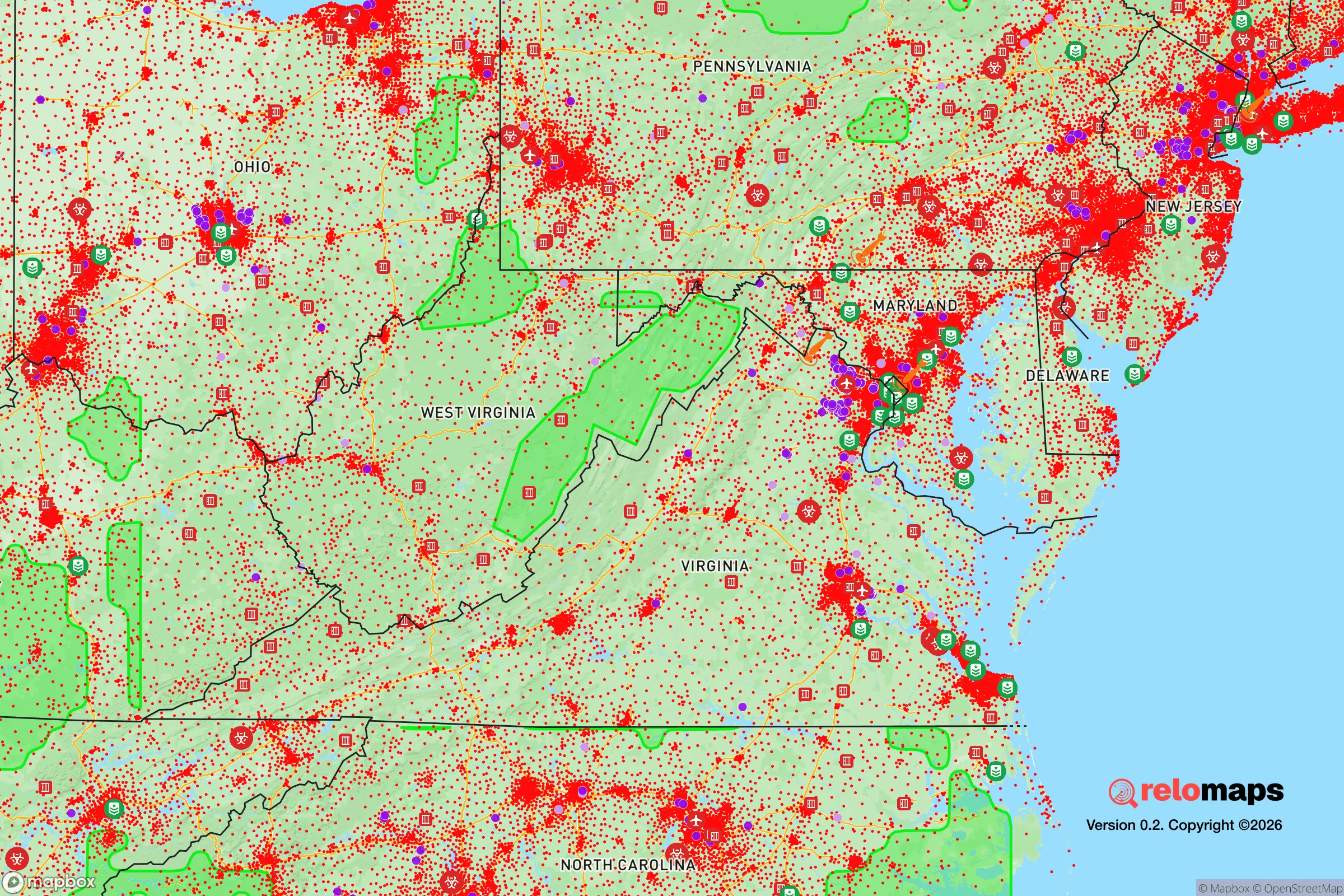
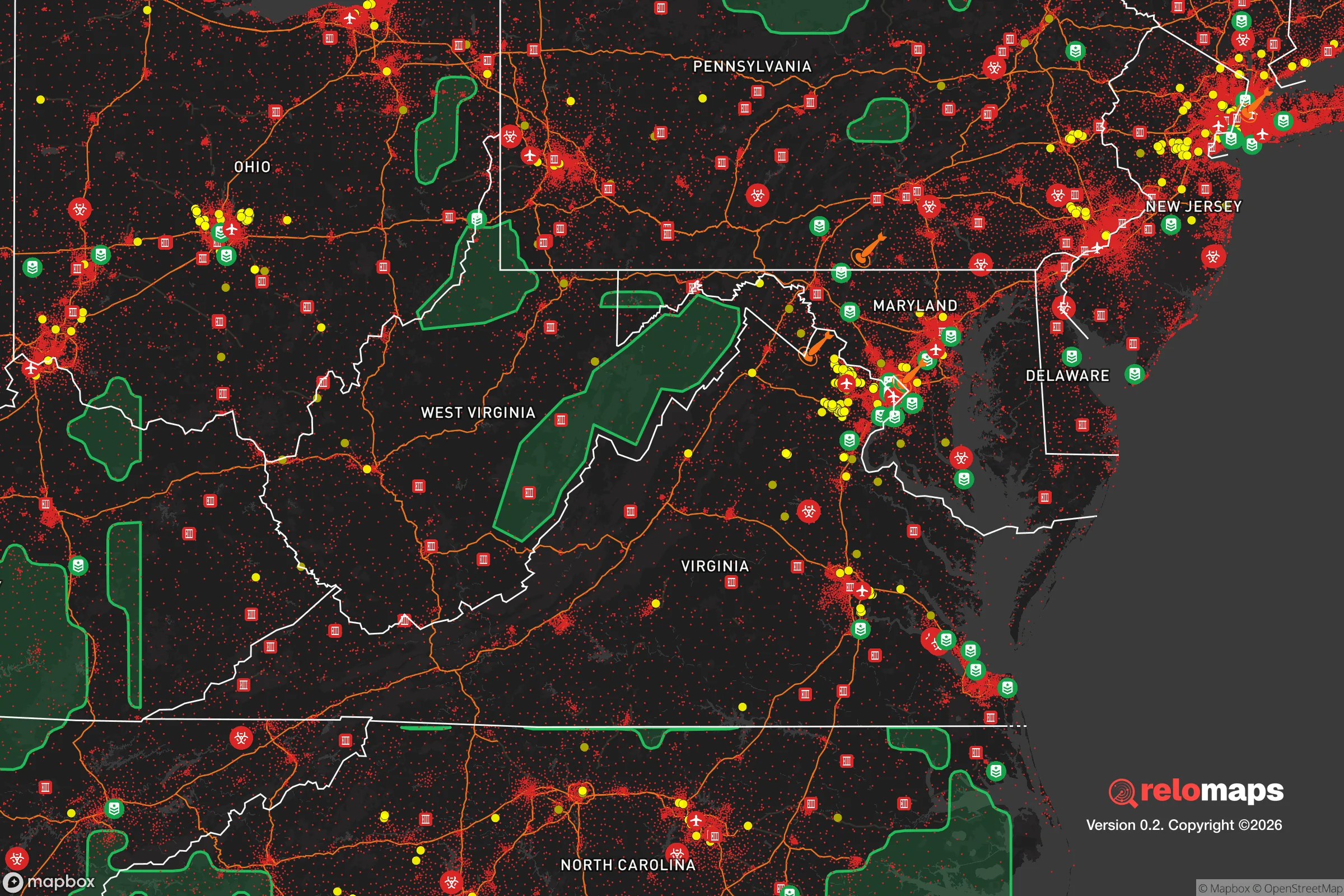


Important Note: For informational purposes only. This does not mean nothing bad ever happens in the green zones. Please use common sense. This is based on public data and modeled with AI. We tried to take a conservative approach but mistakes happen. We update this regularly as new information becomes available.
Solar Generator Recommendations
Backup power matters more here than in safer locations. We've picked three solar generators across budgets and capacity tiers — start with the budget unit if you only need a few essentials, or step up if you want to run a fridge and HVAC for days at a time.

Jackery Portable Power Station Explorer 300
Budget OptionPower on the Go: Weighing only 11 lbs, it's convenient to set up and store with book-sized foldable solar panels

BLUETTI Portable Power Station AC180
Designed for both indoor and outdoor scenarios, AC180 is highly capable as it has a robost capacity and continuous output power.

EF ECOFLOW DELTA Pro Ultra Power Station
Upgraded PickEcoFlow DELTA Pro Ultra is a whole-home energy system designed to grow with your family. Integrated with the Smart Home Panel 2, it scales to meet your evolving energy needs — keeping your home powered, intelligent, and secure through every stage of life.
We earn a commission, at no additional cost to you.
Strategic Assessment Analysis
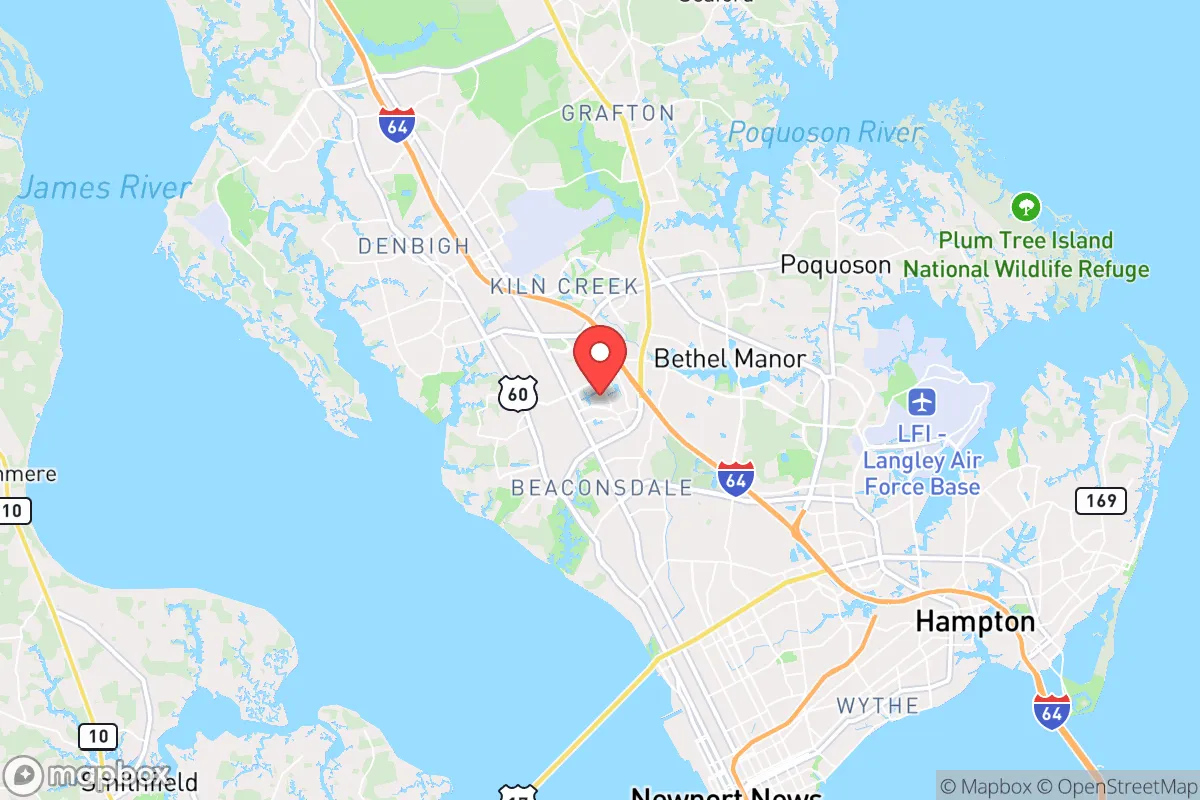
Newport News, Virginia, occupies a strategic position at the mouth of the James River and the southern tip of the Virginia Peninsula, but its value for a prepper or survivalist is a mixed bag of genuine industrial resilience and significant, unavoidable exposure. The city’s economy is anchored by the massive Newport News Shipbuilding, a division of Huntington Ingalls Industries, which builds and refuels nuclear aircraft carriers and submarines—a facility that is both a critical national asset and a potential target. For a relocator with a conservative, self-reliant mindset, the area offers a unique combination of deep-water access, a skilled workforce, and proximity to military infrastructure, but it also sits within the blast radius of major strategic vulnerabilities and the social instability of the Hampton Roads metro area. The key question is not whether Newport News has advantages, but whether those advantages outweigh the risks of living near a top-tier naval target and a densely populated urban corridor.
Geographic position and natural advantages for long-term survival
Newport News’s location is defined by water and the natural defenses of the Virginia Peninsula. The city is bounded by the James River to the south and the York River to the north, with the Chesapeake Bay a short distance east. This water access is a double-edged sword: it provides a potential route for evacuation or resupply by boat, and the rivers offer a natural barrier against ground-based civil unrest from the south and east. The land itself is relatively flat and low-lying, but the peninsula narrows to a choke point near the city of Williamsburg, roughly 20 miles northwest. In a grid-down scenario, this geographic funnel could be defended or controlled, but it also means that anyone fleeing the chaos of Norfolk, Virginia Beach, or Hampton would likely be forced through Newport News. The area’s climate is temperate, with four distinct seasons and an average of 47 inches of rainfall per year, which supports local agriculture and makes rainwater collection viable. However, the region is also prone to hurricanes and nor’easters, and the low elevation means storm surge is a real threat for properties within a mile of the coast. For a relocator, the best parcels are those west of Interstate 64, toward the higher ground of the Peninsula’s interior, where the elevation rises to about 60 feet above sea level.
Risks, exposures, and proximity to fallout-relevant landmarks
The most glaring risk for any prepper considering Newport News is its proximity to high-value military and industrial targets. The shipyard itself is a prime target for any adversary capable of a conventional or asymmetric strike. The facility builds and refuels nuclear-powered warships, and the presence of nuclear materials on site—even in a controlled environment—introduces a low-probability but high-consequence risk of radiological release in the event of an accident or attack. Additionally, the city is within 15 miles of Joint Base Langley-Eustis in Hampton, home to the 633rd Air Base Wing and the Air Combat Command’s F-22 Raptor fleet. In a major conflict, this base would be a priority target. The James River also hosts the Yorktown Naval Weapons Station, a massive ammunition depot just across the river in York County. A detonation or attack at that facility would send a shockwave across the entire Peninsula. Beyond military threats, the city’s population density—roughly 180,000 people in 69 square miles—means that any major disaster, whether natural or man-made, will trigger a rapid breakdown of order. The city’s crime rate is notably higher than the national average, with violent crime rates roughly double the U.S. norm, which suggests that in a crisis, the social fabric is already strained. For a conservative relocator, the presence of a large, economically stressed population in a compact urban area is a liability, not an asset.
Practical resilience for a relocator: food, water, energy, and defensibility
On the practical side, Newport News offers some genuine resilience advantages, but they require careful planning. The city’s water supply comes from the Newport News Waterworks, which draws from the James River and several reservoirs, including the Lee Hall Reservoir and the Diascund Creek Reservoir. In a prolonged grid-down event, municipal water treatment would likely fail, but the high water table and abundant rainfall make well drilling a viable option for properties outside the urban core. The area’s growing season is long—roughly 230 days—allowing for two crop cycles of staples like corn, beans, and squash. Local farmers’ markets and the presence of the Virginia Cooperative Extension office in Newport News provide resources for learning food preservation and small-scale livestock management. Energy resilience is more challenging. The city is served by Dominion Energy, and the grid is vulnerable to hurricane damage and cyberattack. Solar panels are a solid investment here, as the region averages 205 sunny days per year, but any installation should include battery storage and a generator backup for the long, overcast winter stretches. Defensibility is the weak point. The city’s layout is a mix of dense neighborhoods, strip malls, and industrial zones, with few natural chokepoints. The best defensive posture for a relocator is to secure a property on the western edge of the city, near the border with York County or James City County, where lots are larger and road access can be monitored. The presence of the shipyard and military bases means that in a national emergency, the area would be heavily patrolled by federal and military police, which could be a stabilizing force or a source of friction, depending on the nature of the crisis.
The overall strategic picture for Newport News is one of calculated risk. It is not a retreat location; it is a forward-operating base with serious exposure. The city’s industrial and military value makes it a likely target in any major conflict, and its population density and crime rates make it a poor choice for a standalone bug-out location. However, for a relocator who needs to remain within commuting distance of defense-sector employment or who values the shipyard’s long-term economic stability, the western Peninsula offers a defensible niche. The key is to treat Newport News as a hub for resources and income, not as a final redoubt. A serious prepper would use the city’s infrastructure—its ports, its skilled labor pool, its proximity to military logistics—while maintaining a secondary property further inland, perhaps in the Shenandoah Valley or the Blue Ridge foothills, as a true retreat. In a world where the state of the country is uncertain and the threat of mass casualty events is real, Newport News provides a strategic foothold, but only for those who understand that its advantages come with a price tag of constant vigilance and a plan for rapid egress.

* Values derived from national, state, county, city and local statistics and may differ in a specific area. Last updated: 2026-04-19T20:10:22.000Z
Narrative content on this page is AI-generated and may contain mistakes. Verify any details that matter before acting on them.
ReloMaps may earn a commission from affiliate links at no extra cost to you.

