Find The Best Places To Live
in Nichols Hills
PRO TIP! You can paste a Zillow or Redfin link to get info on that property.
What It's Like Living in Nichols Hills, OK
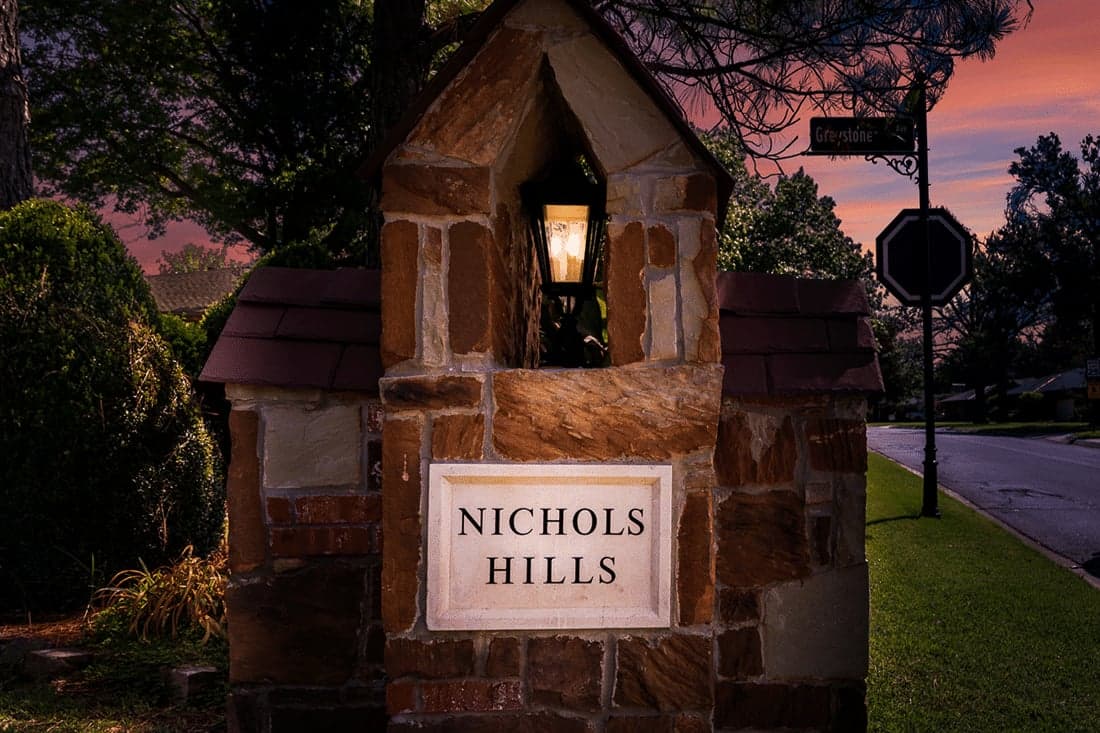
Nichols Hills feels less like a suburb of Oklahoma City and more like a carefully preserved estate neighborhood that happens to have its own zip code. With roughly 3,800 residents and a median age just north of 44, this is a place where people settle down for the long haul — not a starter-home community or a transient rental market. The vibe is quiet, established, and intentionally low-key, with a sense of privacy that you don’t often find inside a major metro area.
The Daily Rhythm: Quiet Mornings, Local Errands, and a Short Commute
Life here moves at a deliberate pace. Most mornings, you’ll see residents walking dogs along the wide, tree-lined streets or heading to the Nichols Hills Plaza for coffee and a pastry at a local café. The average commute clocks in at about 22 minutes, which is reasonable for Oklahoma City — and many people work downtown or near the medical district, both a straight shot south. Errands tend to happen at the nearby Classen Curve or The Triangle shopping centers, where you’ll find a Whole Foods, a few boutique fitness studios, and the kind of independent restaurants that become regular rotation spots. Weekends often involve yard work (lots of mature trees mean lots of leaves), hosting neighbors for cookouts, or catching a Thunder game at the Paycom Center — a 10-minute drive south.
Who Fits In: Affluent Professionals, Empty Nesters, and Families Who Value Schools
This is not a place for renters or young singles looking for nightlife. The median household income sits at $203,750, and the median home value is $855,300 — numbers that reflect a community of established professionals, business owners, and medical specialists. Nearly 74% of residents hold a college degree, and the cost of living index of 196 (nearly double the national average) means you’re paying a premium for the privacy, low crime, and top-tier schools. The kind of person who thrives here values quiet, space, and a strong sense of local governance — Nichols Hills has its own police department, its own city council, and a reputation for being very hands-on about zoning and property standards. If you want a HOA-free life with no restrictions, this isn’t it. If you want a place where neighbors actually care about how the street looks, it’s a fit.
Sports, Entertainment, and What People Actually Do for Fun
Sports culture here is more about the Thunder and OU than high school football, though Heritage Hall — a private K-12 school in the neighborhood — draws a loyal following for its basketball and baseball programs. On weekends, you’ll find residents at the Myriad Botanical Gardens, the Oklahoma City Museum of Art, or the National Cowboy & Western Heritage Museum, all within a 15-minute drive. For outdoor time, the Nichols Hills Park is small but well-maintained, and the nearby Lake Hefner trails are popular for running and cycling. Dining leans upscale-casual: Vast (on the 49th floor of the Devon Tower) is a go-to for anniversary dinners, while local staples like Red PrimeSteak and Cheever’s Cafe draw regulars from the neighborhood. The biggest annual event is the Nichols Hills Art Show, which brings in regional artists and turns the plaza into a weekend gathering spot. There’s no major music venue inside city limits, but the Criterion and The Jones Assembly in OKC are 10 minutes away.
Pros and Cons of Living in Nichols Hills
- Pro: Exceptionally low crime. The violent crime rate is 52 per 100,000 — roughly one-tenth the national average. Residents routinely leave doors unlocked during the day, and the police department is responsive and visible.
- Pro: Strong schools and community identity. Nichols Hills Elementary is part of the Oklahoma City Public Schools system but draws heavily from the neighborhood, and many families choose private options like Heritage Hall or Casady School. The city’s small size means you’ll know your council member by name.
- Con: High cost of entry. With a median home value over $850,000 and a cost of living nearly double the U.S. average, this is one of the most expensive ZIP codes in the state. Rentals are scarce and rarely stay on the market long.
- Con: Limited walkability and nightlife. You need a car for almost everything. There are no bars or music venues within walking distance for most homes, and the social scene is oriented around private gatherings rather than public hangouts.
- Con: Property standards can feel restrictive. The city enforces strict codes on landscaping, fence height, and exterior paint colors. If you prefer a more laissez-faire approach to your yard, you may find the rules frustrating.
Seasonal rhythms here are straightforward: summers are hot and humid (July highs average 93°F), winters are mild with occasional ice storms, and spring brings tornado season — most residents have a weather radio and a plan. Schools anchor the community calendar, with fall festivals, spring carnivals, and summer camps at the local parks. Traffic is rarely an issue except during rush hour on Western Avenue or when there’s an event at the Oklahoma City Fairgrounds. For the right person — someone who values privacy, safety, and a predictable, well-maintained environment — Nichols Hills offers a version of suburban life that feels both exclusive and genuinely neighborly.

Similar small towns to Nichols Hills


* Values derived from national, state, county, city and local statistics and may differ in a specific area. Last updated: 2026-04-27T14:18:29.000Z
Narrative content on this page is AI-generated and may contain mistakes. Verify any details that matter before acting on them.
ReloMaps may earn a commission from affiliate links at no extra cost to you.

