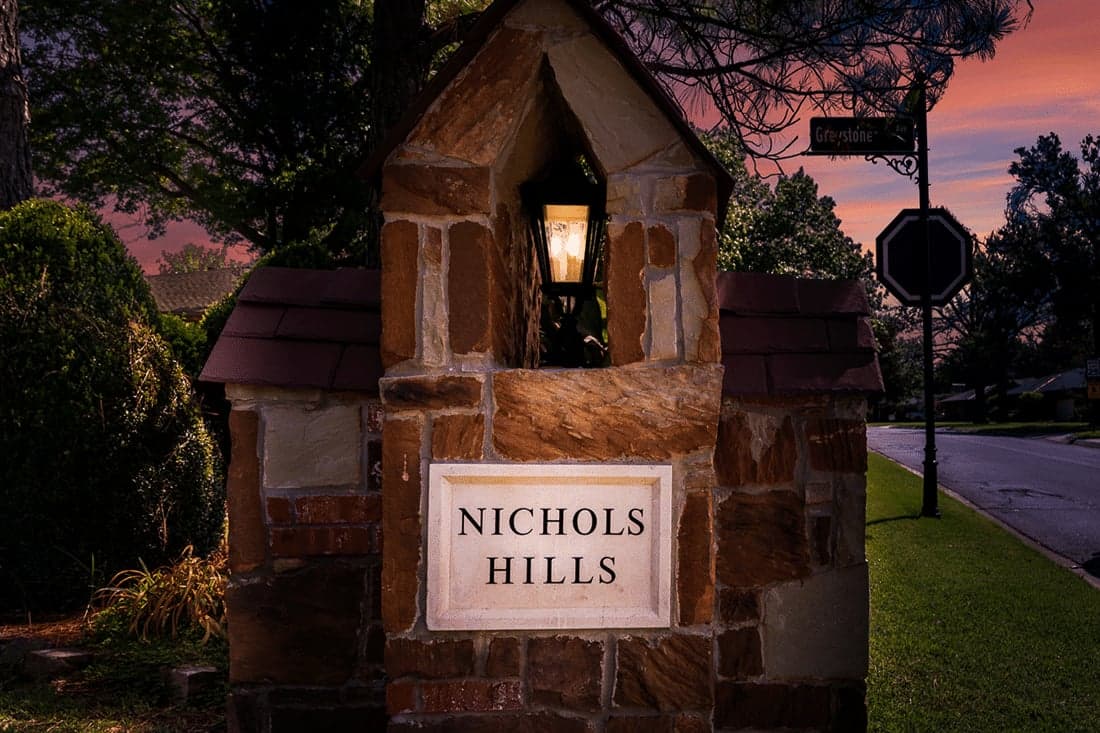
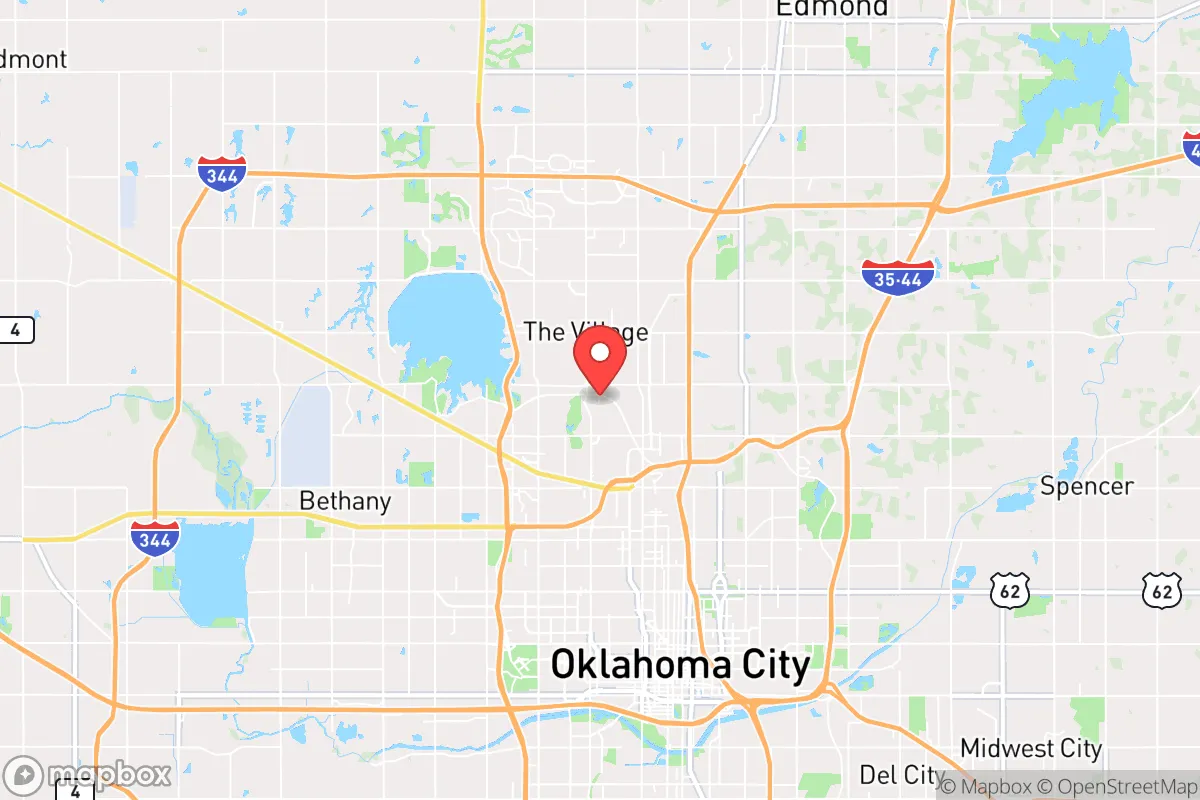
Quality of Life in Nichols Hills, OK
Above-average quality of iife. The area offers a reasonable cost of living, decent mobility, and a mix of neighborhood amenities.
What does Quality of Life tell us?
Quality of Life blends cost of living, nearby amenities, socioeconomic signals, and neighborhood character. City-level scores represent the whole municipality; individual neighborhoods can differ.
What does this tell us?
Quality of Life blends cost of living, nearby amenities, socioeconomic signals, and neighborhood character. City-level scores represent the whole municipality; individual neighborhoods can differ.
Cost of Living
96% above national average
The Real Cost of Living in Nichols Hills, OK for 2026
| Tier | Individual | Family (4) |
|---|---|---|
| Survival | $43k | $81k |
| Comfortable | $166k | $244k |
| Luxury | $368k+ | $571k+ |
| Elite (Top 5%) | $650k+ | $1M+ |
83%
The Area Signal
A metric tracking the socioeconomic signals of the area.
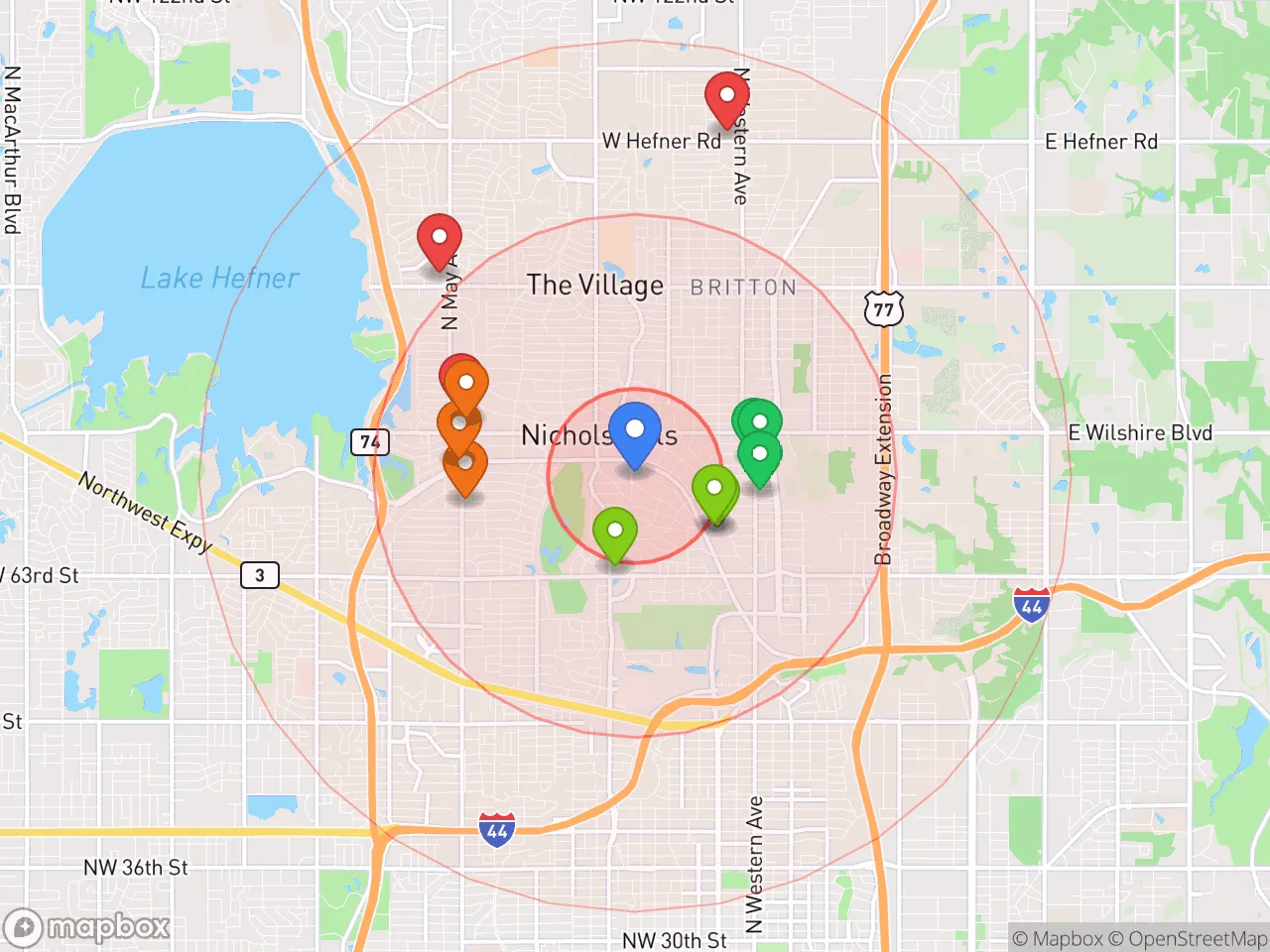
Hobbies
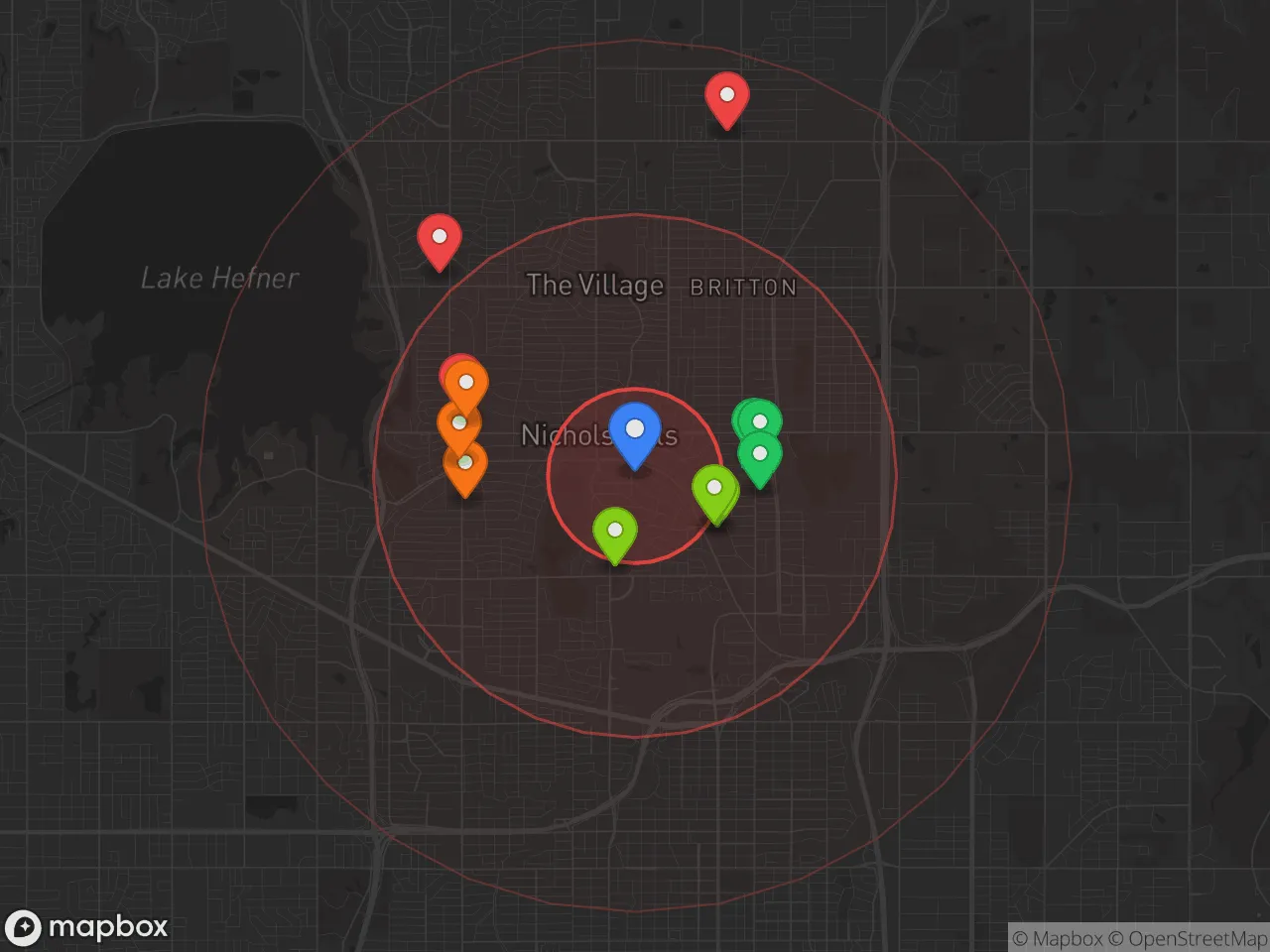
Explore the areaGroceries
8 within 10 miles
Gas
20 within 10 miles
Hospital
20 within 20 miles
Airport
DFW — Dallas/Fort Worth International
Post Office
USPS — Nichols Hills, OK
Critical Amenities
Quality-of-Life Analysis
Nichols Hills, Oklahoma, is one of the most affluent enclaves in the Oklahoma City metro, with a cost-of-living index of 196—nearly double the U.S. average—reflecting a community built around high-end real estate, top-tier public schools, and a quiet, suburban lifestyle. The roughly 3,900 residents are predominantly professionals, executives, and families drawn to the area’s low crime rates, large lots, and proximity to downtown Oklahoma City. With a median home value of $855,300 and a median rent of $1,444, the housing market here is a clear outlier compared to surrounding suburbs like The Village or Bethany, where median home values hover around $200,000–$300,000.
Cost of living, housing, and affordability compared to nearby areas
The cost-of-living index of 196 is driven almost entirely by housing: the median home value of $855,300 is roughly 3.5 times higher than the Oklahoma City metro average of about $240,000. Rent, however, is relatively moderate at $1,444 per month—only about 20% above the metro median—suggesting that rental inventory is limited and skewed toward older, smaller units rather than luxury apartments. Property taxes in Nichols Hills are levied at Oklahoma’s standard rate (roughly 0.9% of assessed value), meaning a $855,300 home would carry annual taxes around $7,700, which is high for the state but low compared to similarly priced homes in Texas or California. The average commute of 22.4 minutes is slightly shorter than the Oklahoma City metro average of 24 minutes, reflecting the neighborhood’s central location just north of downtown and easy access to I-44 and the Broadway Extension. For buyers seeking a comparable level of affluence, the only nearby alternative is the Mesta Park/Heritage Hills historic district, where homes often exceed $1 million but come with smaller lots and older construction.
What daily life is like for families: amenities, schools, and local rhythm
Daily life in Nichols Hills revolves around the Nichols Hills Elementary School (part of the highly rated Oklahoma City Public Schools system) and the adjacent Nichols Hills Park, a 10-acre green space with playgrounds, tennis courts, and a walking trail. The city itself is a tree-lined, walkable neighborhood with no commercial zoning—meaning no strip malls or fast-food chains—so residents drive 5–10 minutes south to Classen Curve or north to Quail Springs Mall for groceries and dining. The Nichols Hills Police Department maintains a notably low response time, contributing to a violent crime rate that is roughly 80% below the national average. The community calendar is anchored by the annual Nichols Hills Fourth of July Parade and the Nichols Hills Garden Club events, which foster a tight-knit, family-oriented atmosphere. For older students, the area feeds into Classen School of Advanced Studies (a magnet middle/high school) or private options like Casady School and Heritage Hall, both within a 10-minute drive.
Nichols Hills is best suited for high-income families and professionals who prioritize safety, school quality, and a quiet, established neighborhood over nightlife or urban density. Retirees and empty-nesters also thrive here, drawn by the low-maintenance lifestyle (the city provides trash pickup, snow removal, and street sweeping) and the ability to walk to the park or the Nichols Hills City Hall for community events. Those on a tighter budget should look to The Village or Warr Acres, where homes cost one-third as much but still offer good schools and a 15-minute commute. For anyone who can afford the premium, Nichols Hills delivers a level of tranquility and convenience that is rare inside a major U.S. metro area.

Crime in Nichols Hills, OK
Lower crime rates than 91% of comparable U.S. locations.
Violent CrimeViolent Crime Analysis
Property CrimeProperty Crime Analysis
Crime Analysis
Nichols Hills, Oklahoma, is an exceptionally safe community by nearly any measure, with a violent crime rate of just 52 incidents per 100,000 residents and a property crime rate of 806 per 100,000. These figures place the city far below both the Oklahoma state averages and national benchmarks, making it one of the most secure enclaves in the Oklahoma City metropolitan area. The city’s low crime profile is a direct result of its affluent, tightly-knit residential character and a dedicated, well-funded police force that maintains a visible presence.
Crime in context
To understand Nichols Hills’ safety, it helps to compare its numbers to broader trends. The national violent crime rate hovers around 380 per 100,000, meaning Nichols Hills’ rate of 52 per 100,000 is roughly 87% lower than the U.S. average. Property crime nationally sits near 1,950 per 100,000, while Nichols Hills reports 806 per 100,000—again, well below the norm. Within Oklahoma, where the statewide violent crime rate is approximately 440 per 100,000, Nichols Hills stands out as a stark outlier. This safety record is especially notable given that the city is surrounded by the larger Oklahoma City metro area, where crime rates are significantly higher. Residents benefit from a local government that prioritizes public safety and avoids the progressive prosecutorial policies seen in some large urban jurisdictions, which can lead to higher recidivism and more offenders on the street.
What residents experience
Daily life in Nichols Hills is characterized by a strong sense of security. The city’s police department is proactive, with officers regularly patrolling neighborhoods and responding quickly to calls. Violent crime is virtually nonexistent—the 52 per 100K figure translates to only a handful of incidents annually, typically isolated and non-random. Property crime, while more common, is still low; the 806 per 100K rate means residents might occasionally see a stolen package or a vehicle break-in, but burglaries and thefts are infrequent. Most crime in Nichols Hills is opportunistic, such as unlocked car doors or unattended valuables, rather than organized or violent. The city’s strict zoning and limited commercial areas further reduce crime attractors, and neighborhood watch programs are active. For families and professionals, the day-to-day experience is one of minimal concern about personal safety.
Neighborhood-level variation within Nichols Hills is minimal due to the city’s small size (roughly 3.8 square miles) and uniformly high property values. The entire municipality is a single, cohesive residential district with no pronounced high-crime pockets. The most significant safety distinction is between the city itself and the adjacent parts of Oklahoma City, where crime rates can be two to three times higher. Residents moving to Nichols Hills from larger metro areas often cite the stark contrast in safety as a primary draw, reinforced by a local justice system that prioritizes accountability over leniency. For those seeking a secure suburban lifestyle near a major city, Nichols Hills offers a rare combination of low crime and responsive law enforcement.
* Values derived from national, state, county, city and local statistics and may differ in a specific area. Last updated: 2026-04-27T14:18:29.000Z
Narrative content on this page is AI-generated and may contain mistakes. Verify any details that matter before acting on them.
ReloMaps may earn a commission from affiliate links at no extra cost to you.

