Political ClimatePolitical Climate in Nichols Hills, OK
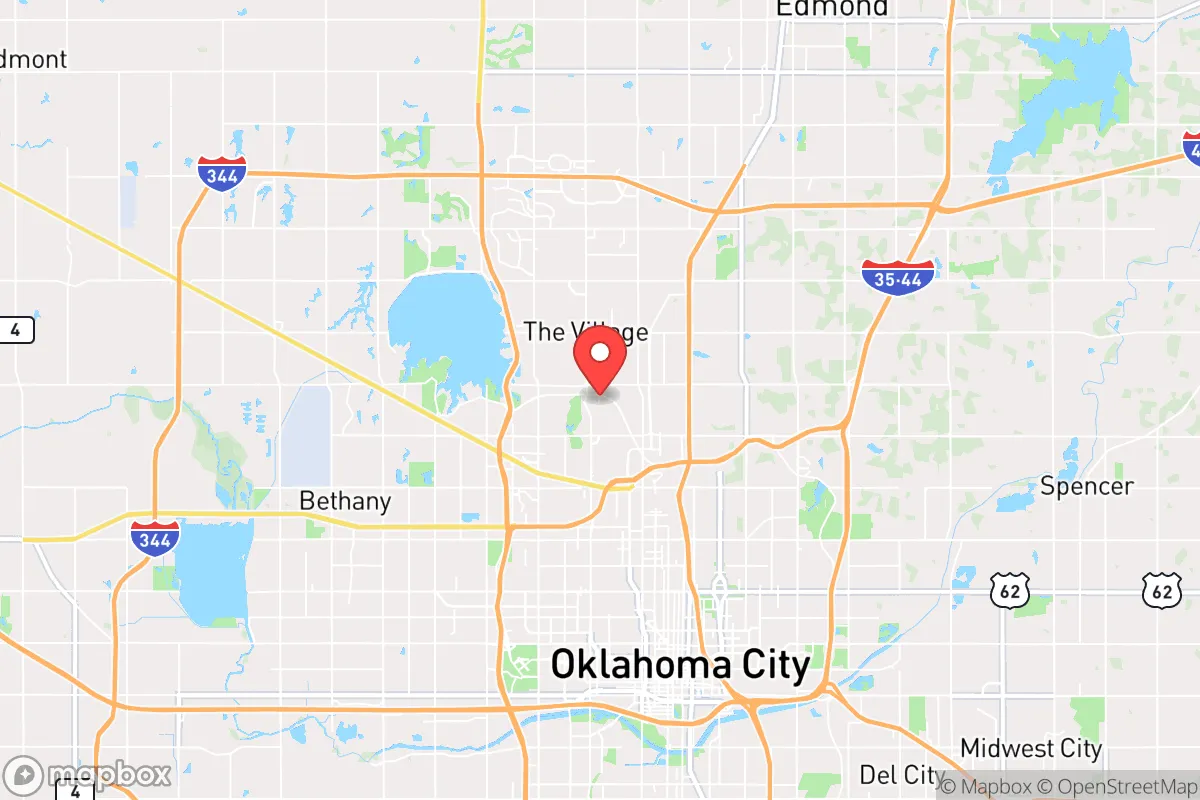
District shown is the primary district for this city’s centroid. Cities may span multiple districts.
Local Political AnalysisPolitical Analysis of Nichols Hills, OK
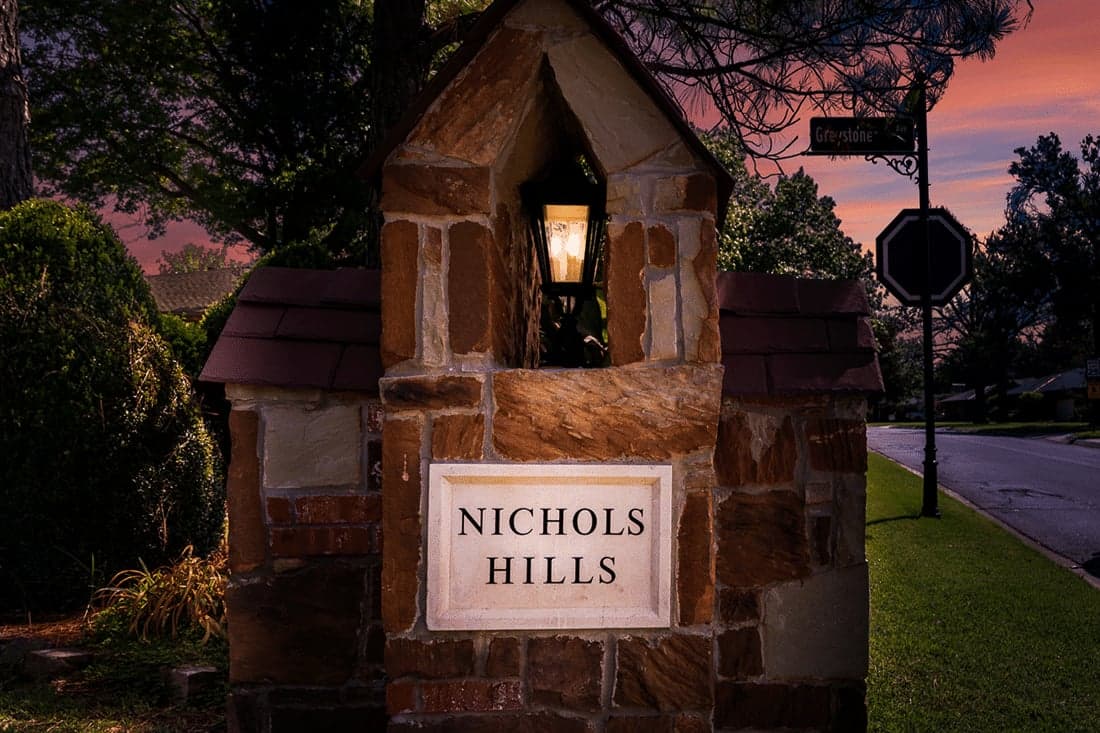
Nichols Hills has long been a reliably conservative pocket in Oklahoma County, and that hasn't changed much. The Cook PVI sits at R+9, which means the area votes about nine points more Republican than the national average, and that tracks with what you see on the ground. In the 2024 presidential race, the precincts around Nichols Hills went heavily for the GOP ticket, and local turnout tends to be high among the older, established families who have lived here for decades. The trajectory is steady—no dramatic leftward shift, but you do notice a subtle generational drift among younger homeowners who are more socially moderate, though they rarely tip an election here.
How it compares
Drive ten minutes east into downtown Oklahoma City, and you hit a completely different political world. The urban core leans blue, with precincts around Midtown and the Plaza District voting Democratic by double digits in recent cycles. Nichols Hills, by contrast, feels like a quiet holdout. Compared to Edmond to the north, which is also conservative but has seen a slow creep of progressive school board candidates, Nichols Hills has stayed more consistently traditional. The city council races here are still decided on local issues—zoning, property taxes, public safety—not national culture wars. That’s a relief if you’re tired of government overreach; the local government here mostly stays out of your business, which is how it should be.
What this means for residents
For someone moving here, the political climate translates into a few concrete realities. First, property taxes are relatively low compared to bluer parts of the country, and the city has no plans to hike them for social programs. Second, the police department is well-funded and responsive—crime rates are low, and the city prioritizes public safety over experimental policing reforms. Third, you won’t see a lot of performative progressive policies like sanctuary city ordinances or defunding efforts. The school board for Nichols Hills Elementary, which feeds into the Oklahoma City Public Schools system, has resisted controversial curriculum changes, though that’s something to keep an eye on as state-level politics shift. If you value personal freedom—meaning the freedom to keep your tax dollars, send your kids to a school that focuses on fundamentals, and not have a city council micromanage your property—this is still a solid bet.
Culturally, Nichols Hills has a few distinctions that reinforce its conservative character. The city has a strict homeowners’ association and zoning code that keeps commercial development at arm’s length—no big-box stores or apartment complexes creeping into the neighborhoods. That’s a double-edged sword: it preserves the quiet, leafy character but can feel exclusionary if you’re not in the club. There’s also a strong tradition of civic involvement through the Nichols Hills Police Department’s community programs and the local parks foundation, which keeps things running without heavy-handed government intervention. Looking ahead, the biggest concern is the long-term effect of Oklahoma City’s gradual urban growth. If the city annexes more land or pushes regional transit initiatives that Nichols Hills residents don’t want, you could see a fight over local control. For now, though, the political climate here is stable, conservative, and largely hands-off—exactly what most residents want.

State Political ClimatePolitical Climate in Oklahoma
State Political AnalysisPolitical Environment in the State
Oklahoma has long been one of the most reliably conservative states in the union, with a deep-rooted Republican lean that has only intensified over the past two decades. The state hasn’t voted for a Democratic presidential candidate since 1964, and as of 2024, registered Republicans outnumber Democrats by roughly 2-to-1. Over the last 10-20 years, the dominant coalition has shifted from a moderate, oil-and-gas-driven conservatism to a more populist, culturally assertive brand—think less “country club Republican” and more “Second Amendment sanctuary.” This trajectory has been accelerated by a steady exodus of rural Democrats to the GOP and an influx of conservative transplants from bluer states like California and Colorado, who are drawn by Oklahoma’s low taxes and relatively light regulatory touch.
Urban vs. rural divide
The political map of Oklahoma is a textbook case of urban-rural polarization, but with a twist: even the state’s biggest cities are more conservative than their counterparts in Texas or Colorado. Oklahoma City and its sprawling suburbs—places like Edmond, Yukon, and Mustang—are solidly Republican, with the city proper voting red in most statewide races. Tulsa is similar, though its downtown and midtown precincts have trended slightly more moderate in recent cycles, driven by a younger, more diverse population. The real blue dots are few and far between: Norman, home to the University of Oklahoma, and Stillwater, home to Oklahoma State, are the only notable liberal-leaning enclaves, and even they are surrounded by deep-red rural counties. The rural-urban divide is starkest in the southeastern corner of the state, where counties like McCurtain and Pushmataha vote 80%+ Republican, while the state’s few remaining Democratic strongholds are limited to a handful of majority-Native American precincts in places like Adair County and parts of Lawton. If you’re moving to Oklahoma, expect your neighbors to lean right almost everywhere outside of a college campus.
Policy environment
Oklahoma’s policy environment is aggressively conservative, with a focus on limiting government reach into personal and economic life. The state has a flat income tax rate of 4.75% (down from 5% in 2022, with further cuts planned), no estate tax, and a relatively low property tax burden thanks to a constitutional cap. The regulatory posture is business-friendly, with right-to-work laws and a tort reform system that has capped non-economic damages in civil lawsuits. On education, the state has leaned heavily into school choice: the 2023 Oklahoma Parental Choice Tax Credit Act provides up to $7,500 per student for private school expenses, and the state has one of the most expansive charter school laws in the region. Healthcare is a mixed bag—Oklahoma expanded Medicaid under a 2020 ballot initiative (State Question 802), which was a rare progressive victory, but the state has also passed strict abortion bans (SB 612, effectively banning the procedure from conception) and a 2022 law prohibiting gender-affirming care for minors. Election laws are tight: voter ID is required, and the state has purged inactive voter rolls aggressively. For a conservative-leaning individual, this is a state that largely stays out of your wallet and your family decisions, though the Medicaid expansion is a lingering point of frustration for fiscal hawks.
Trajectory & freedom
Oklahoma has been on a clear trajectory of expanding personal liberty in the traditional conservative sense—gun rights, parental rights, and property rights—while contracting it on issues like abortion and medical autonomy. The state became a constitutional carry state in 2019 (SB 1212), meaning no permit is needed to carry a concealed firearm, and it has a strong “Stand Your Ground” law. In 2022, the legislature passed the Oklahoma Second Amendment Sanctuary Act, prohibiting state resources from enforcing federal gun laws that violate the state constitution. Parental rights were bolstered by the 2022 Parents’ Bill of Rights (HB 1775), which gives parents explicit authority over their children’s education and medical decisions. On the flip side, the state has moved aggressively to restrict medical autonomy: the 2023 Oklahoma Abortion Ban (SB 612) is one of the strictest in the nation, with no exceptions for rape or incest, and the 2022 Save Adolescents from Experimentation (SAFE) Act bans gender-affirming care for minors. Property rights remain strong, with no statewide rent control and a low property tax cap. If you value gun rights and parental control, Oklahoma is getting freer; if you value medical choice, it’s getting less free. The trend is toward more government involvement in healthcare decisions, which is a red flag for those who believe the state should stay out of the doctor’s office.
Civil unrest & political movements
Oklahoma has seen relatively little civil unrest compared to coastal states, but there have been notable flashpoints. The 2020 protests following George Floyd’s death were largely peaceful in Oklahoma City and Tulsa, though Tulsa saw some property damage and a heavy police presence. The state has a strong, organized conservative activist movement, particularly around gun rights and school choice—groups like the Oklahoma Second Amendment Association and Oklahoma Parents for Educational Choice are highly active. Immigration politics are less heated than in border states, but Oklahoma has passed laws like the 2024 Oklahoma Border Security Act, which requires state law enforcement to cooperate with federal immigration authorities and penalizes sanctuary city policies—though no Oklahoma city has attempted such a policy. Election integrity has been a hot topic: the 2020 election saw no major scandals, but the legislature passed the 2021 Oklahoma Voter Integrity Act, which tightened absentee ballot rules and required a driver’s license or state ID for voter registration. There’s been no serious secession or nullification rhetoric, but the state’s relationship with the federal government is often adversarial, particularly on energy policy and land use. A new resident would notice a general sense of civic calm, with political energy channeled into legislative advocacy rather than street protests.
Projection
Over the next 5-10 years, Oklahoma is likely to become even more conservative, driven by two key trends: in-migration from blue states and a generational shift among rural voters. The state’s population grew by about 5% between 2020 and 2024, with much of that growth coming from Californians and Coloradans seeking lower costs and fewer regulations. These newcomers tend to be culturally conservative but fiscally moderate, which could push the state toward a more pragmatic, business-friendly conservatism rather than the culture-warrior style of recent years. However, the rural base is aging and shrinking, while the suburbs of Oklahoma City and Tulsa are growing and diversifying. This could create a subtle shift: expect continued Republican dominance, but with more internal debate over issues like Medicaid expansion (already passed) and potential marijuana legalization (medical is legal, recreational is not). The biggest wildcard is the state’s budget—Oklahoma relies heavily on oil and gas revenue, and a long-term decline in fossil fuel demand could force tax increases or spending cuts. For someone moving in now, expect a state that remains deeply red, with a government that is generally hands-off on economic matters but increasingly interventionist on social issues. The freedom you gain in your wallet and your gun safe may come with more government oversight in your doctor’s office and your child’s classroom.
Bottom line: Oklahoma is a solid choice for a conservative-leaning individual or family who values low taxes, strong gun rights, and parental control over education. The state is moving in a direction that prioritizes traditional freedoms, but with a growing government role in healthcare and social policy that should give any freedom-minded person pause. If you’re looking for a place where your vote counts and your values are reflected in law, Oklahoma delivers—just keep an eye on the legislature, because they’re not afraid to get involved in your personal decisions. For a single person or parent, the practical takeaway is that you’ll find a welcoming community of like-minded neighbors, a low cost of living, and a state government that largely stays out of your business, except when it comes to the doctor’s office. It’s a trade-off worth understanding before you pack the moving truck.
* Values derived from national, state, county, city and local statistics and may differ in a specific area. Last updated: 2026-04-27T14:18:29.000Z
Narrative content on this page is AI-generated and may contain mistakes. Verify any details that matter before acting on them.
ReloMaps may earn a commission from affiliate links at no extra cost to you.

