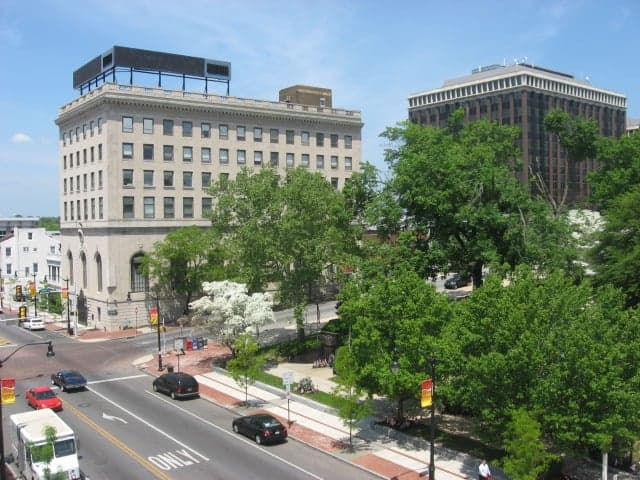
Photo: Wikipedia
Strategic Assessment of Norristown, PA
Multiple tactical vulnerabilities. Population density, target proximity, or disaster risk are likely compounding. A retreat property and exit planning is required.
What does the Strategic Assessment tell us?
Our Strategic Assessment grades tactical survivability of an area. Major population centers, military targets, fallout zones, natural disasters, and border exposure all drive risk — lower exposure means a more defensible position in a crisis.
This is heavily inspired by Joel Skousen's Strategic Relocation book. Highly recommended you checkout the book ($)What does this tell us?
Our Strategic Assessment grades tactical survivability of an area. Major population centers, military targets, fallout zones, natural disasters, and border exposure all drive risk — lower exposure means a more defensible position in a crisis.
This is heavily inspired by Joel Skousen's Strategic Relocation book. Highly recommended you checkout the book ($)Strategic Pillars

Key Distances
Regional Safe Places
Below is our recommended "safe zones" in Pennsylvania and the surrounding area based on our strategic heuristics. For most people, it's unrealistic to live in a “safe zone” full-time due to work, family or other personal reasons. They tend to be more rural. However, many of these areas are perfect for second homes and retreat properties that double as a vacation home or even a short-term rental.
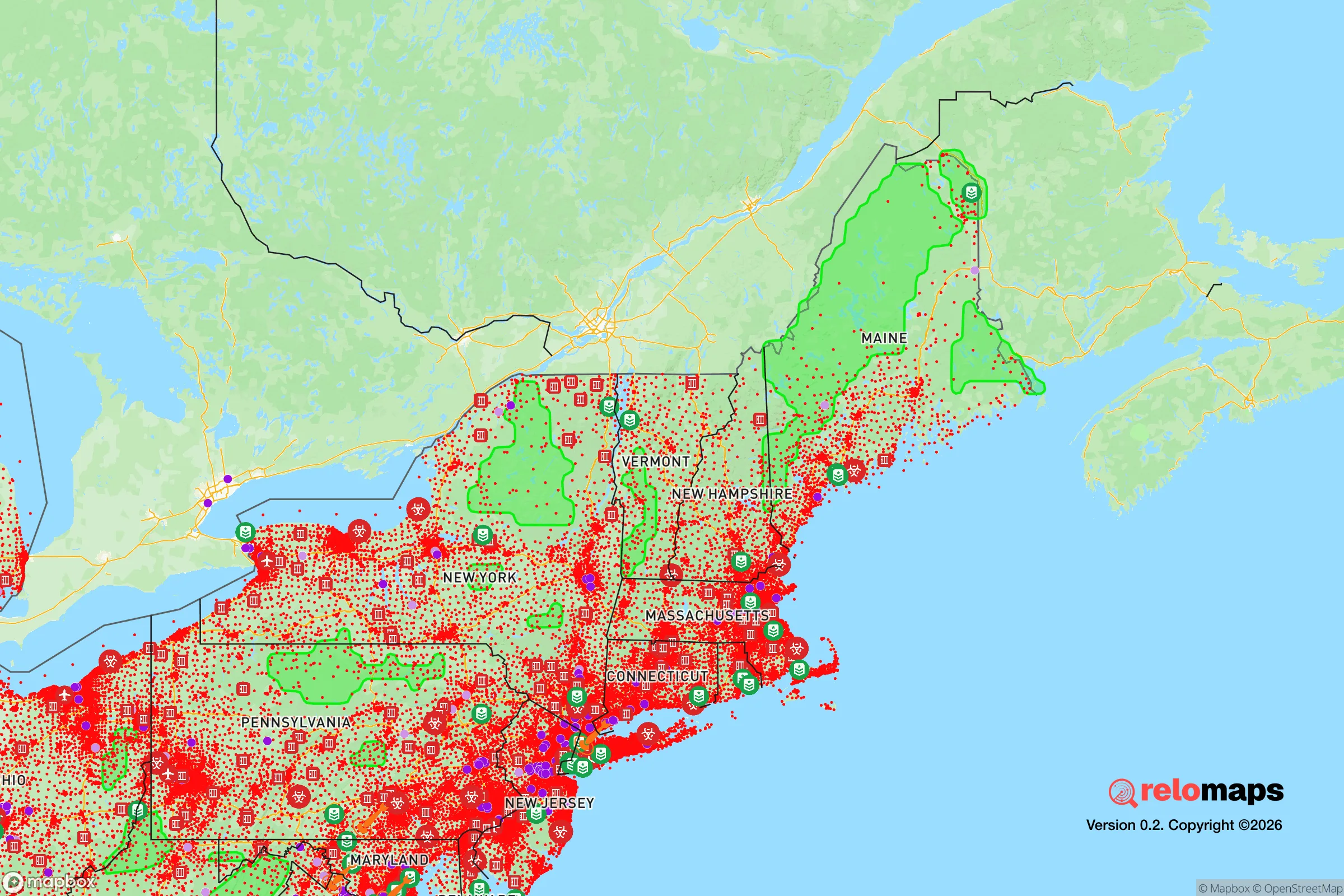
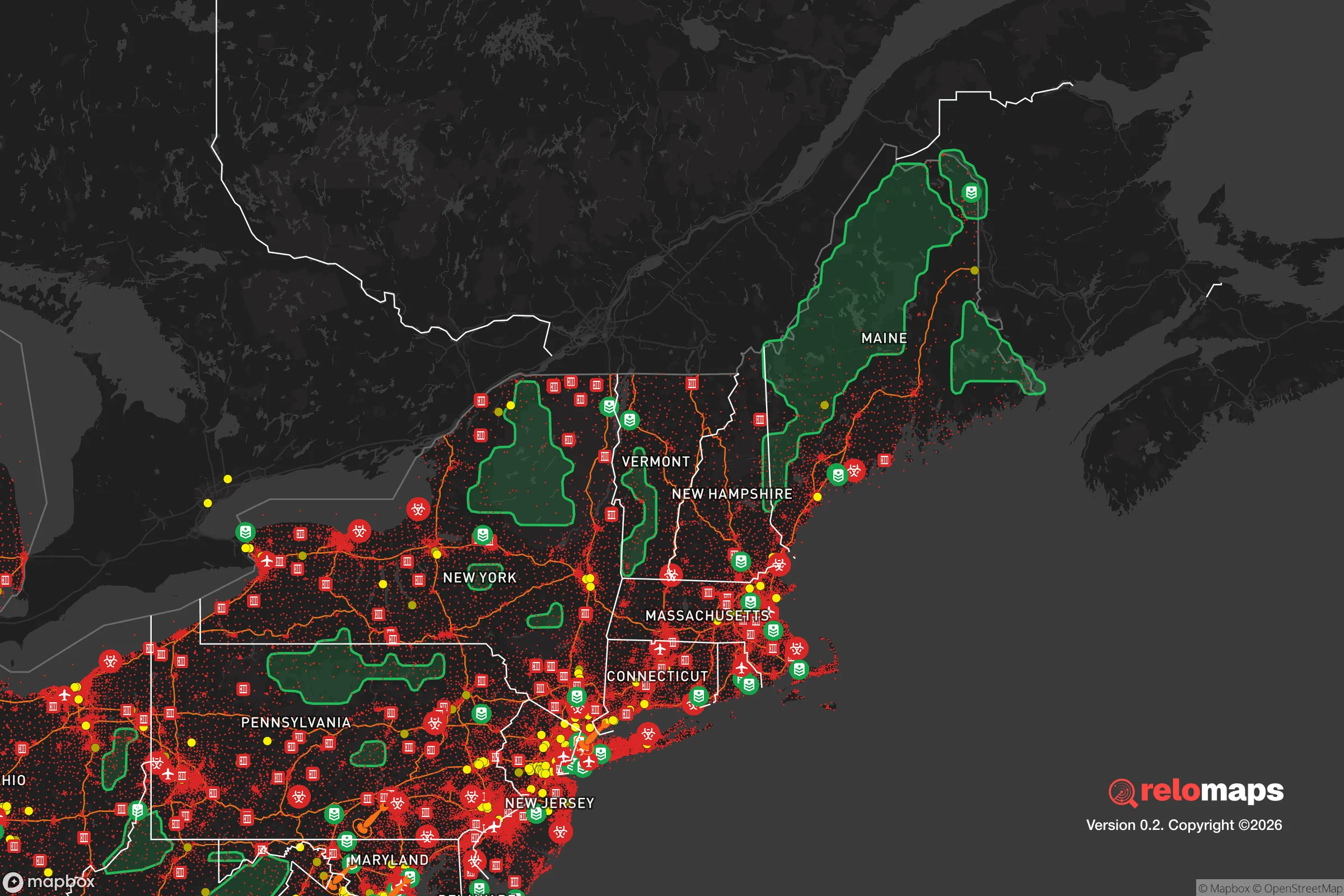


Important Note: For informational purposes only. This does not mean nothing bad ever happens in the green zones. Please use common sense. This is based on public data and modeled with AI. We tried to take a conservative approach but mistakes happen. We update this regularly as new information becomes available.
Solar Generator Recommendations
Backup power matters more here than in safer locations. We've picked three solar generators across budgets and capacity tiers — start with the budget unit if you only need a few essentials, or step up if you want to run a fridge and HVAC for days at a time.

Jackery Portable Power Station Explorer 300
Budget OptionPower on the Go: Weighing only 11 lbs, it's convenient to set up and store with book-sized foldable solar panels

BLUETTI Portable Power Station AC180
Designed for both indoor and outdoor scenarios, AC180 is highly capable as it has a robost capacity and continuous output power.

EF ECOFLOW DELTA Pro Ultra Power Station
Upgraded PickEcoFlow DELTA Pro Ultra is a whole-home energy system designed to grow with your family. Integrated with the Smart Home Panel 2, it scales to meet your evolving energy needs — keeping your home powered, intelligent, and secure through every stage of life.
We earn a commission, at no additional cost to you.
Strategic Assessment Analysis
Norristown, Pennsylvania, presents a complex strategic picture for the conservative prepper or survivalist. Its primary advantage is a surprising degree of resilience rooted in its location, but this is heavily offset by its proximity to major urban centers and critical infrastructure that would become liabilities in a crisis. For a relocator prioritizing long-term security and self-sufficiency, Norristown is a high-risk, moderate-reward proposition that demands a clear-eyed assessment of its trade-offs.
Geographic position and natural advantages for a survival scenario
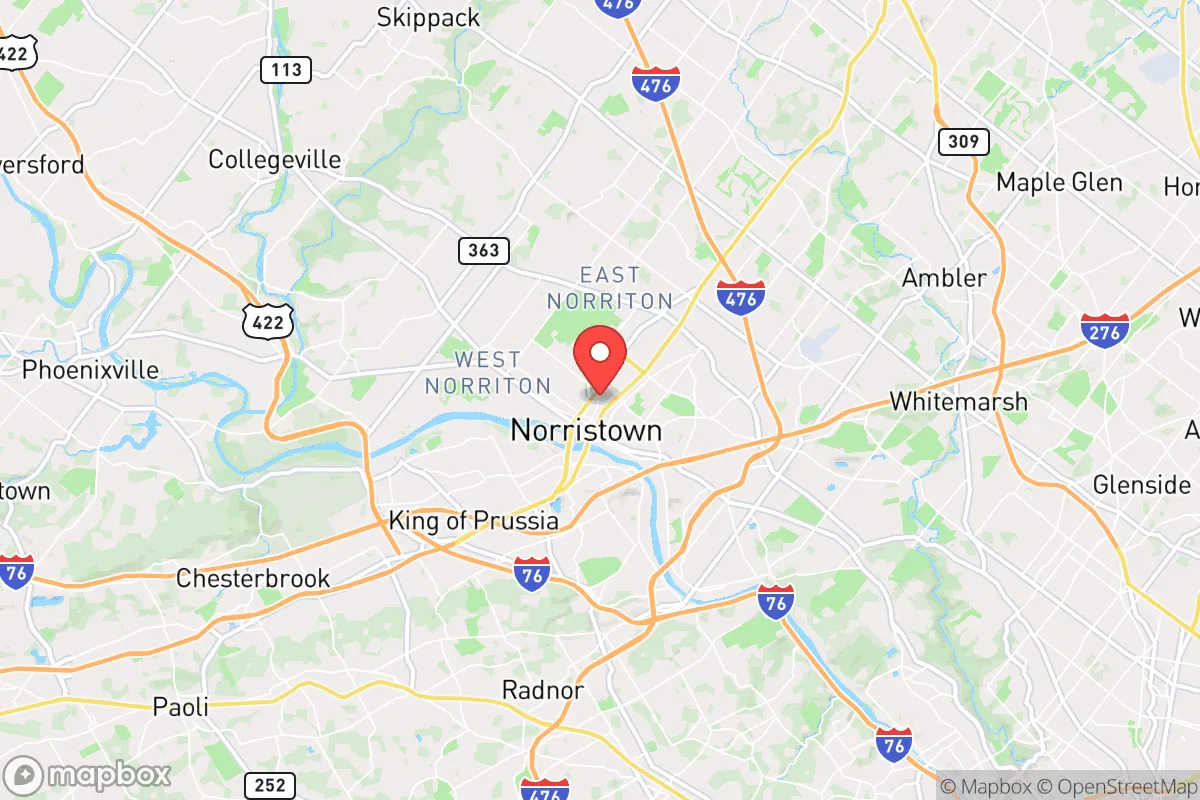
Norristown sits at the confluence of the Schuylkill River and Stony Creek, roughly 20 miles northwest of Philadelphia. This position offers a few genuine natural advantages. The Schuylkill River provides a substantial, year-round water source, which is critical for any long-term survival plan. The surrounding terrain is a mix of the Piedmont plateau and the edge of the Appalachian foothills, offering some natural defensibility through rolling hills and wooded areas, particularly to the north and west. The area is also within a reasonable distance of the Appalachian Trail and state game lands like the 6,000-acre Evansburg State Park, which could serve as a resource zone for hunting, foraging, and temporary retreat. The climate is temperate, with four distinct seasons, allowing for varied food production and water collection strategies. However, the region is not remote; it is embedded in a dense suburban matrix. The natural advantages are real but exist within a highly developed corridor, meaning any crisis would immediately put pressure on these resources from a large surrounding population.
Risks, exposures, and proximity to fallout-relevant landmarks
The most significant strategic liability is Norristown’s proximity to multiple high-value, high-risk targets. Philadelphia, with its population of 1.6 million, its major port, and its concentration of federal and corporate infrastructure, is a primary concern. A mass casualty event, civil unrest, or a major disaster in Philadelphia would send a wave of refugees and chaos directly up the Schuylkill Expressway (I-76) and the Norristown High-Speed Line into the borough. Norristown itself is the county seat of Montgomery County, a dense suburban county of over 850,000 people, making it a secondary target for looting or resource competition. Furthermore, the area is within the fallout zone of the Limerick Generating Station, a nuclear power plant just 10 miles northwest in Pottstown. A nuclear incident—whether accidental or deliberate—would render large portions of the region uninhabitable for an extended period. The presence of major rail lines and highways (I-76, I-476, US-202) also means Norristown sits on chokepoints that would be targeted for disruption or become impassable during a crisis. For a survivalist, this is a high-exposure location with multiple vectors for danger.
Practical resilience for a relocator: food, water, energy, and defensibility
For a single individual or family looking to establish a resilient base, Norristown’s practical assets are mixed. Water is the strongest point: the Schuylkill River is a reliable source, but it is also heavily polluted with industrial and agricultural runoff, requiring robust filtration (e.g., Berkey or reverse osmosis systems) and boiling capability. The borough’s municipal water supply is vulnerable to contamination or shutdown. Food security is weak. Norristown is a food desert in many respects, with limited grocery options and a heavy reliance on convenience stores and fast food. Local agriculture is minimal; the best nearby options are the farm stands and small-scale farms in the northern and western parts of Montgomery County, which would be quickly depleted in a crisis. Energy independence is difficult. The grid is reliable in normal times but is a single point of failure. Solar is feasible on rooftops, but many homes are older and face shading from trees and neighboring buildings. Natural gas is common for heating, but a pipeline disruption would leave residents without heat in winter. Defensibility is poor. Norristown is a dense, walkable borough with a grid street pattern and many attached rowhomes. This makes it difficult to secure a perimeter. The best defensive posture would be a well-fortified single-family home on a corner lot with clear sightlines, but even then, the density of neighbors and the ease of movement through the borough make it a poor location for a stand-alone defense. A better strategy would be to use Norristown as a temporary staging point before moving to a more defensible rural property further north or west.
The overall strategic picture for Norristown is one of calculated risk. It offers genuine natural resources—water, nearby woodlands, and a temperate climate—that are valuable in a long-term survival scenario. However, these are counterbalanced by extreme exposure to urban collapse, nuclear fallout risk, and a built environment that is difficult to defend. For the conservative prepper, Norristown is not a destination; it is a waypoint. It could serve as a short-term base for someone working in the Philadelphia region who is actively building a retreat in a more remote area like the Poconos or central Pennsylvania. The key is to have a clear, practiced evacuation plan and a stockpile of supplies that can be moved quickly. If you are looking for a place to hunker down and ride out a major crisis, Norristown’s liabilities likely outweigh its assets. If you are looking for a place to live while you prepare for a future relocation, it is a workable, if risky, option. The smartest move is to treat it as a temporary staging ground, not a final redoubt.

* Values derived from national, state, county, city and local statistics and may differ in a specific area. Last updated: 2026-05-01T06:28:07.000Z
Narrative content on this page is AI-generated and may contain mistakes. Verify any details that matter before acting on them.
ReloMaps may earn a commission from affiliate links at no extra cost to you.

