Photo: Wikipedia
Political ClimatePolitical Climate in North Augusta, SC
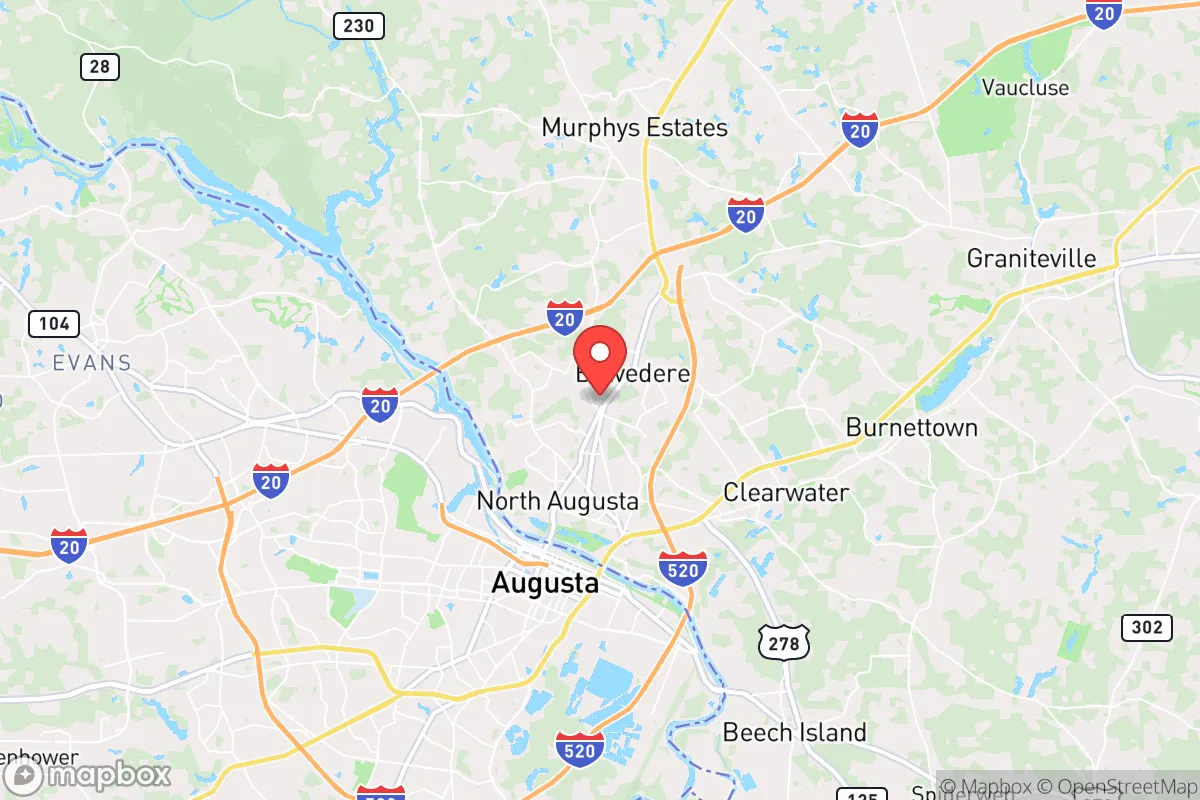
District shown is the primary district for this city’s centroid. Cities may span multiple districts.
Local Political AnalysisPolitical Analysis of North Augusta, SC
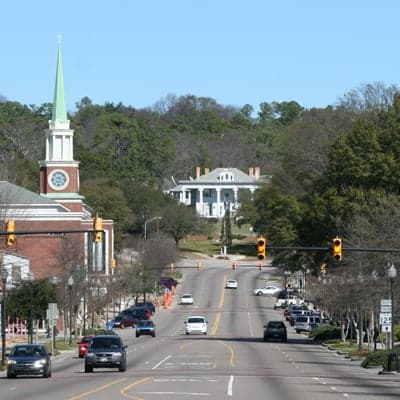
North Augusta has long been a reliably conservative community, and that hasn't changed much. The Cook PVI rating of R+7 tells you the real story: this area leans Republican by a solid margin, and it's been that way for decades. You'll see it in local elections, in the way people talk about taxes and property rights, and in the general attitude that government should stay out of your business. That said, there's been a subtle shift in the last five or six years, especially as more folks move up from the Augusta side or down from Columbia. The old guard is still here, but you're starting to hear more chatter about "equity" and "inclusion" in city council meetings, which makes some of us long-timers a little uneasy. The trajectory is still conservative, but it's not as rock-solid as it was in the 90s.
How it compares
If you drive ten minutes across the Savannah River into Augusta, Georgia, you'll feel the difference immediately. Augusta leans more moderate, with a stronger Democratic presence, especially in the city proper. North Augusta, by contrast, is a different animal. It's more like Aiken, South Carolina, which is also reliably red, but North Augusta has a tighter, more suburban feel. The surrounding towns like Beech Island and Jackson are even more conservative, almost rural in their politics. The contrast is sharpest when you look at local school board races: in North Augusta, you still see candidates running on "parental rights" and "local control," while in Augusta, you get more talk about "diversity initiatives" and "equity audits." That's the kind of thing that makes you grateful for the state line.
What this means for residents
For the average person living here, the political climate means you can generally expect lower taxes, fewer regulations, and a government that doesn't meddle too much in your daily life. The city council has historically been cautious about new spending, and there's a strong preference for keeping zoning laws simple so you can do what you want with your property. That's a big deal if you value personal freedom. The downside is that as the area grows, you're seeing more pressure from developers and outside interests who want to bring in "progressive" policies like affordable housing mandates or environmental restrictions that drive up costs. If you're worried about government overreach, keep an eye on the planning commission meetings—that's where the real fights happen. The long-term trend is uncertain, but for now, North Augusta remains a place where you can still raise a family without feeling like the state is looking over your shoulder.
One thing that sets North Augusta apart culturally is its strong sense of local identity, which is tied to its conservative values. You won't find many "defund the police" signs here; instead, you'll see support for the sheriff's department and a general trust in law enforcement. The city also has a notable streak of fiscal conservatism—property taxes are low compared to neighboring counties, and there's a real resistance to any new bond measures. That said, there's a growing tension between the old-timers who want to keep things as they are and the newcomers who want more "amenities" like bike lanes and public art. If you're looking for a place where the government stays out of your wallet and your life, North Augusta is still a solid bet. Just don't expect it to stay that way forever without some pushback.

State Political ClimatePolitical Climate in South Carolina
State Political AnalysisPolitical Environment in the State
South Carolina has long been a reliably red state, but the political climate here is more layered than the simple "red state" label suggests. The state leans solidly Republican at the statewide level, with Donald Trump winning by 18 points in 2024 and the GOP holding supermajorities in both legislative chambers. However, the last 10-20 years have seen a slow but steady shift: the rural, deeply conservative Lowcountry and Upstate remain the GOP's bedrock, while the coastal and metro areas—particularly around Charleston and Columbia—are becoming more competitive as transplants and younger voters arrive. The dominant coalition is still a mix of traditional conservatives, evangelical Christians, and fiscal hawks, but the growing influence of suburban moderates and a small but vocal progressive movement in the cities is something to watch.
Urban vs. rural divide
The political map of South Carolina is a study in contrasts. The rural counties—like Oconee, Anderson, and Laurens in the Upstate, and Colleton, Bamberg, and Allendale in the Lowcountry—routinely vote 70-80% Republican. These areas are the heart of the state's conservative base, driven by strong gun culture, evangelical churches, and a deep skepticism of federal overreach. In contrast, the urban centers tell a different story. Charleston County has become a Democratic stronghold, flipping from purple to blue over the past decade as the city's booming tech and tourism sectors attract a younger, more progressive workforce. Richland County (Columbia) is reliably blue, anchored by the University of South Carolina and a sizable African American population. Greenville County is the most interesting battleground: it's still red overall, but the city of Greenville itself is trending left, with transplants from the Northeast and Midwest bringing more moderate views on social issues. The suburbs around Mount Pleasant and Lexington are the real swing zones—these are where statewide elections are won or lost, and they're becoming more purple with each cycle.
Policy environment
South Carolina's policy environment is broadly conservative, but with some notable wrinkles. The state has a flat income tax rate of 6.2%, which is being phased down to 6% by 2026, and no state tax on Social Security benefits—a big draw for retirees. Property taxes are low, especially for primary residences, thanks to a 2006 law that caps assessment increases. The regulatory posture is business-friendly, with a right-to-work law and a low unionization rate (around 2%). On education, the state has expanded school choice through the Education Scholarship Trust Fund Program, which provides vouchers for private school tuition, though it's currently being challenged in court. Healthcare is a mixed bag: South Carolina did not expand Medicaid under the Affordable Care Act, leaving a coverage gap for low-income adults, but the state has loosened telehealth restrictions and passed a law allowing pharmacists to prescribe birth control. Election laws are strict: voter ID is required, early voting was expanded to two weeks in 2022, but absentee voting requires an excuse. The state also passed a fetal heartbeat abortion ban in 2023, which is currently blocked by the courts.
Trajectory & freedom
On the freedom front, South Carolina has been moving in a mixed direction. The good news for conservatives: the state passed constitutional carry in 2024, allowing permitless concealed carry of firearms—a major win for gun rights. The Parental Rights in Education Act (2023) requires schools to notify parents of any changes in a child's mental or physical health, and bans instruction on sexual orientation and gender identity in K-5 classrooms. The state also passed a religious freedom restoration act in 2021, which strengthens protections for religious exercise. On the concerning side, the state's Medical University of South Carolina has been a flashpoint for COVID-era mandates and vaccine requirements, though those have largely faded. Property rights are strong, with no statewide zoning mandates, but local governments in places like Charleston have imposed short-term rental restrictions that some see as overreach. The biggest threat to freedom, in my view, is the growing influence of federal dollars: the state has accepted billions in infrastructure and broadband funding from the Biden administration, which comes with strings attached on prevailing wage and environmental reviews. That said, the state legislature has been aggressive in pushing back on federal overreach, passing a Second Amendment Preservation Act in 2023 that attempts to nullify federal gun laws.
Civil unrest & political movements
South Carolina has seen its share of political flashpoints, but nothing like the chaos in Portland or Seattle. The Confederate flag removal from the Statehouse grounds in 2015, following the Charleston church shooting, was a watershed moment that exposed deep racial and cultural divides. Since then, the Black Lives Matter protests in 2020 were largely peaceful in Columbia and Charleston, though there were isolated incidents of property damage. On the right, the Moms for Liberty movement has been very active in school board races, particularly in Lexington and Greenville counties, pushing for curriculum transparency and parental rights. Immigration politics are less heated here than in border states, but there's a growing concern about the influx of migrants through the southeastern corridor. The state passed a sanctuary city ban in 2019, and local law enforcement in Spartanburg and Anderson have been vocal about cooperating with ICE. Election integrity remains a hot topic: the 2020 and 2022 cycles saw lawsuits over absentee ballot drop boxes and witness requirements, and the state has since tightened rules on mail-in voting. A new resident would notice that political activism is mostly channeled through church groups, gun clubs, and local GOP precinct meetings—it's a polite but deeply engaged culture.
Projection
Over the next 5-10 years, South Carolina is likely to become more politically competitive, but not necessarily more liberal. The in-migration from blue states—especially to Greenville, Charleston, and the Lake Murray area—is bringing a wave of fiscal conservatives who are socially moderate. These newcomers are often fleeing high taxes and crime in places like New York and California, but they're not necessarily embracing the full conservative agenda on abortion or guns. This could push the state toward a more libertarian-leaning Republicanism, with a focus on tax cuts and deregulation, while social issues become more contentious. The rural areas will remain deeply red, but their population is shrinking relative to the growing suburbs. The wild card is the African American vote, which makes up about 27% of the electorate and is reliably Democratic, but turnout has been inconsistent. If Republicans continue to make inroads with black men—as they did in 2024—the state could stay red for another generation. If not, look for the 6th Congressional District (held by Democrat Jim Clyburn) to become a perennial battleground. The biggest risk to freedom is the potential for a future Democratic governor or legislature to reverse the gains on school choice, gun rights, and tax reform, but that's unlikely in the near term given the current supermajorities.
For someone moving here now, the bottom line is this: South Carolina is a safe bet if you value low taxes, strong gun rights, and a culture that respects traditional values. The political climate is stable but not static—you'll find a mix of deep-red rural counties, purple suburbs, and blue cities. The key is to choose your location carefully. If you want a reliably conservative environment, look at Lexington, Simpsonville, or Bluffton. If you're more moderate, Mount Pleasant or Greenville's suburbs offer a balance. Just be aware that the state is changing, and the political battles of the next decade will be fought over school choice, property rights, and the role of federal money in local affairs. It's still a great place to raise a family, but keep an eye on the legislature—what happens in Columbia matters more than what happens in Washington.
* Values derived from national, state, county, city and local statistics and may differ in a specific area. Last updated: 2026-04-30T03:41:47.000Z
Narrative content on this page is AI-generated and may contain mistakes. Verify any details that matter before acting on them.
ReloMaps may earn a commission from affiliate links at no extra cost to you.

