Photo: Wikipedia
Find The Best Places To Live in Charleston County
PRO TIP! You can paste a Zillow or Redfin link to get info on that property.
Best Places to Live in Charleston County
Cities & Towns in Charleston County
Cities in Charleston County
What It's Like Living in Charleston County, SC
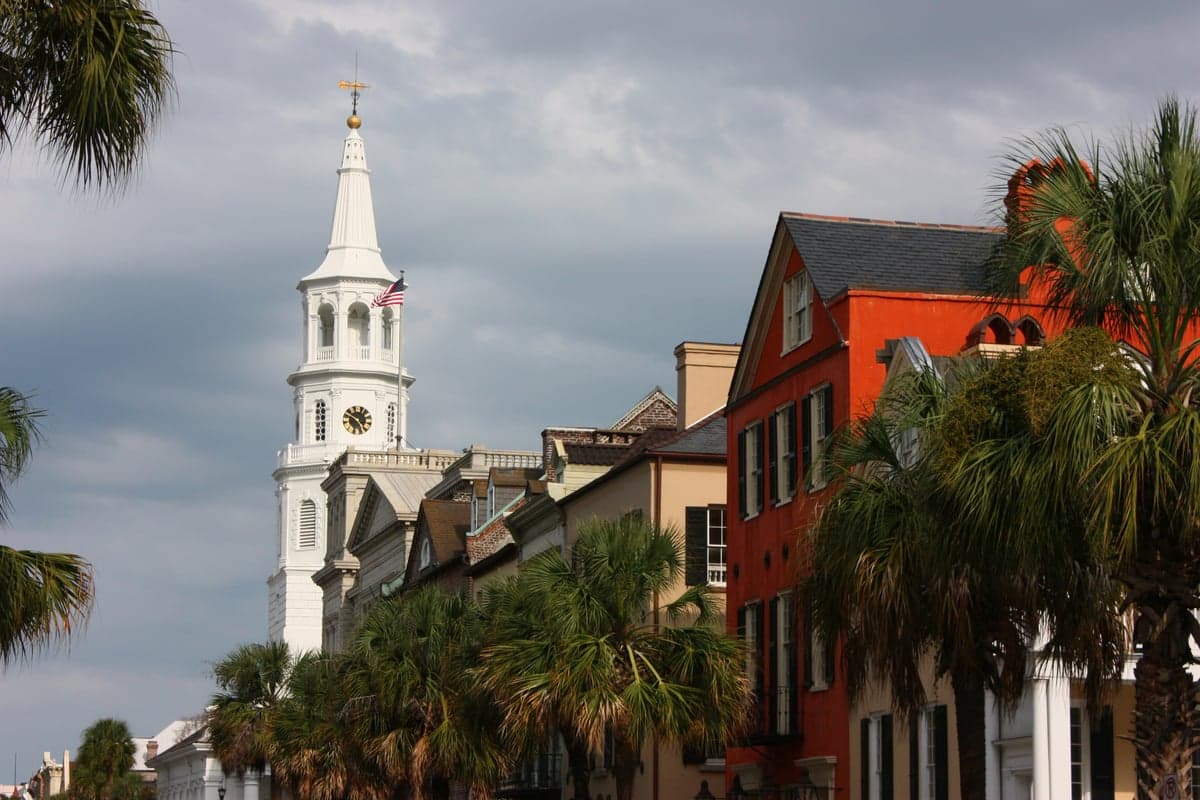
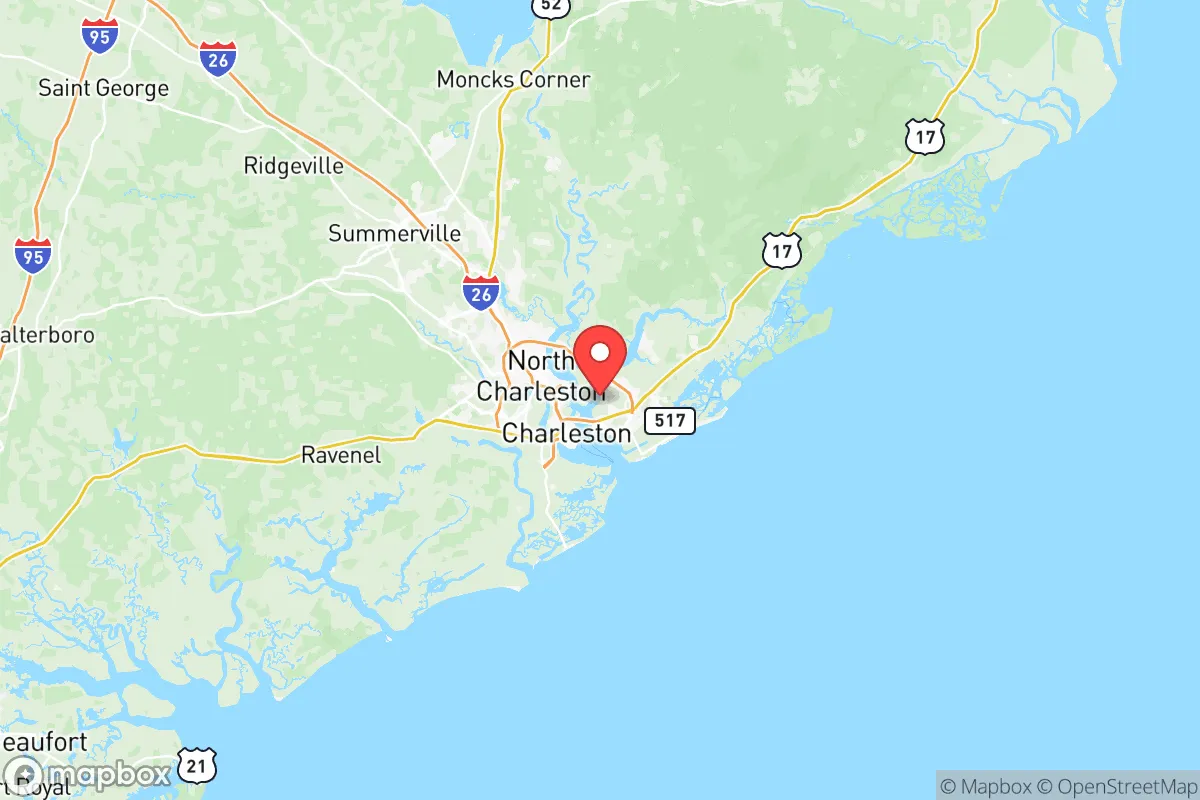
Charleston County is the kind of place where people move for a job at Boeing or the Medical University of South Carolina and end up staying because they can't imagine leaving the rhythm of tidal creeks, historic streets, and sweet tea on the porch. It's not a single city—it's a patchwork of distinct towns like Mount Pleasant, Summerville, North Charleston, Folly Beach, and the historic peninsula of Charleston itself, each with its own personality. Whether you're a single professional looking for weekend sailing or a parent weighing school zones and commute times, the county offers a lifestyle that's deeply tied to the water, the seasons, and a strong sense of local identity.
The Daily Rhythm: Water, Traffic, and School Zones
Most mornings in Charleston County start with a commute that averages about 25 minutes, but that number can feel optimistic depending on where you live. People in Mount Pleasant heading to jobs on the peninsula know the I-526 and the Ravenel Bridge well—traffic stacks up, especially during tourist season. Families often choose Summerville or the rural edges of the county near Awendaw for more land and lower home prices, trading a longer drive for a bigger yard. The median home value sits at $450,800, and with a cost of living index of 142, housing is the biggest shock for newcomers from the Midwest or inland South. Rentals in Folly Beach or Isle of Palms are especially tight, with many locals priced out of the beach towns entirely.
Weekends here revolve around the water. People fish off the Shem Creek boardwalk in Mount Pleasant, kayak through the ACE Basin, or spend Saturday morning at the Charleston Farmers Market in Marion Square. The school system is a major factor in where families settle—Charleston County School District is one of the largest in the state, and schools like Academic Magnet, Wando High, and Buist Academy draw families to specific neighborhoods. The median age is 39, and the county's 49% college-educated population means many residents work in healthcare, tech, tourism, or the military (Joint Base Charleston is a huge employer).
Sports, Festivals, and the Social Calendar
Sports are a big deal here, but not in the way you might expect. There's no major pro team, so the energy goes into College of Charleston basketball and The Citadel Bulldogs football, plus the Charleston Battery soccer club, which draws a loyal crowd at Patriots Point. High school football is massive in places like Summerville and Goose Creek—Friday nights in the fall pack bleachers with parents and alumni. For pro sports fans, it's a 2.5-hour drive to Charlotte for the Panthers or Hornets, or 2 hours to Columbia for Gamecocks football. Many locals just embrace the lowcountry pace and skip the stadium altogether.
The festival calendar is packed. Spoleto Festival USA in late spring brings world-class opera, theater, and dance to the peninsula, while the Southeastern Wildlife Exposition draws hunters and conservationists. The Charleston Wine + Food Festival is a major draw for foodies, and smaller town events like Summerville's Flowertown Festival or Folly Beach's Sea & Sand Festival keep things local. For music, the Charleston Music Hall and Firefly Distillery in North Charleston host touring acts, and the High Water Festival brings indie rock to the waterfront.
Pros and Cons of Living in Charleston County
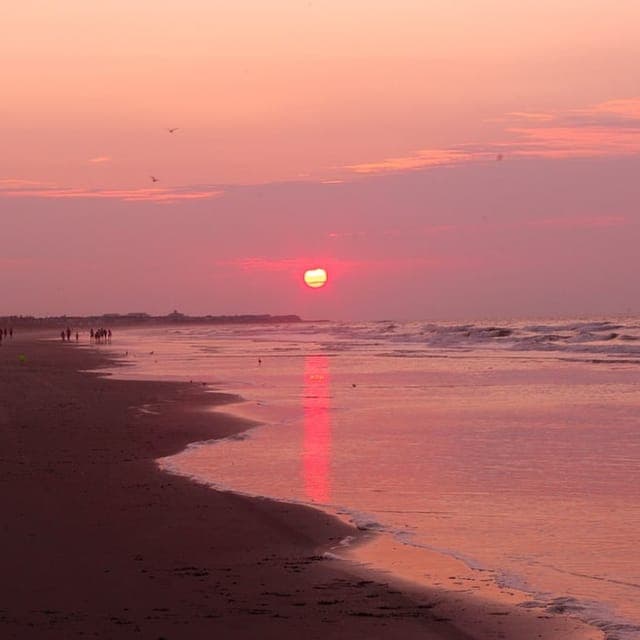
Longtime residents love the strong sense of place—the historic architecture, the Gullah Geechee cultural heritage, the way the city slows down in August when the heat and humidity settle in. The food scene is genuinely world-class, from fried oysters at The Wreck in Mount Pleasant to shrimp and grits at Hominy Grill. The outdoor access is unmatched: you can paddle through blackwater cypress swamps in the morning and watch the sunset over the Atlantic by evening. The job market is diverse, with major employers like Boeing, Volvo, Mercedes-Benz Vans, MUSC, and the Charleston Naval Weapons Station providing stable, high-paying work.
But there are real frustrations. Violent crime is a concern—the rate of 370.4 per 100,000 is above the national average, and it's concentrated in parts of North Charleston and downtown. Traffic during tourist season (March through October) can turn a 20-minute drive into an hour, especially on the peninsula and around Mount Pleasant. Hurricane season runs June through November, and every family has a plan for evacuation routes and flood insurance. The cost of living at 42% above the national average means many service workers and young families are pushed to the edges of the county, commuting from Moncks Corner or Ravenel. And while the median income of $84,320 is decent, it doesn't stretch as far as it would in the Upstate or the Midlands.
Ultimately, Charleston County works best for people who value authenticity over convenience—who don't mind paying more for a historic home or a longer commute if it means living near the water and a vibrant, walkable downtown. It's a place where you'll learn to plan around the tourists, embrace the humidity, and never take the marsh views for granted.

* Values derived from national, state, county, city and local statistics and may differ in a specific area. Last updated: 2026-05-13T17:05:01.000Z
Narrative content on this page is AI-generated and may contain mistakes. Verify any details that matter before acting on them.
ReloMaps may earn a commission from affiliate links at no extra cost to you.

