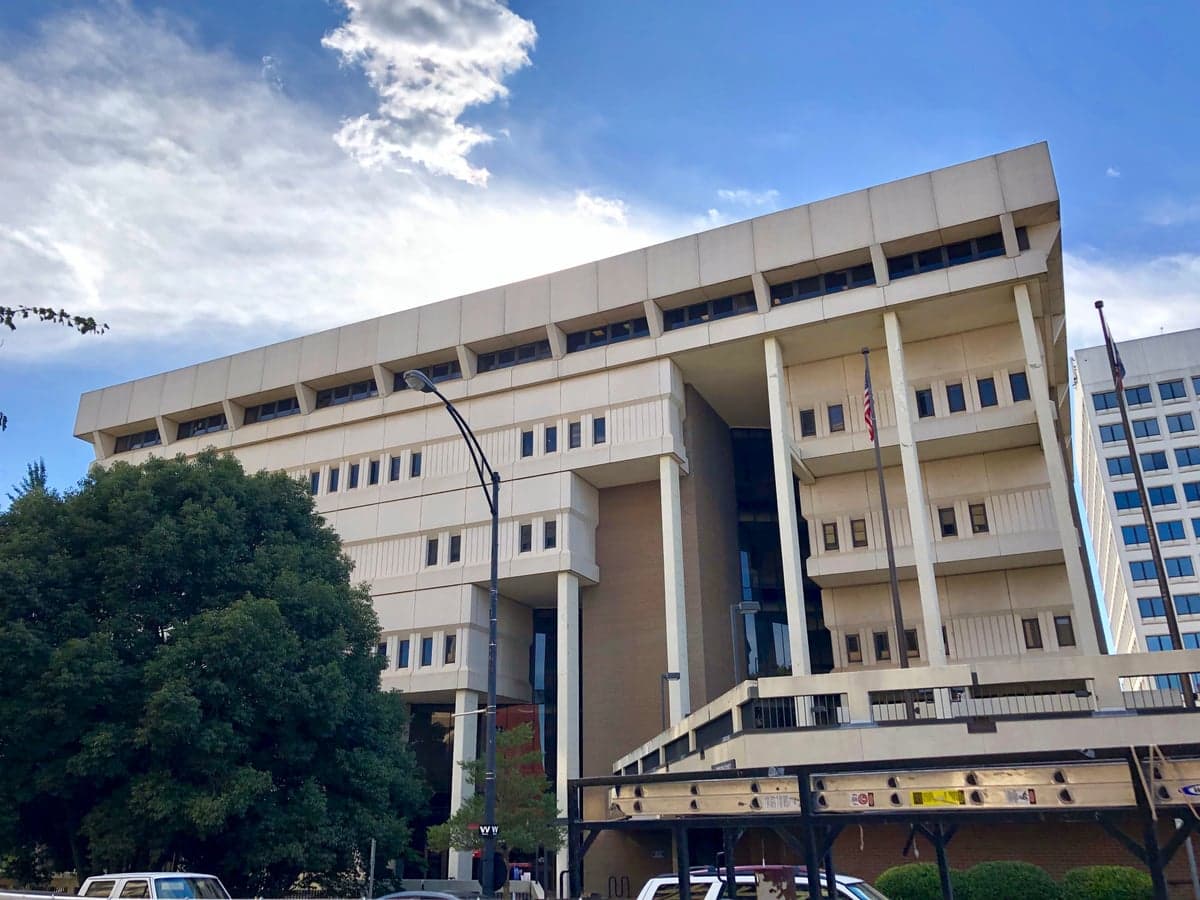
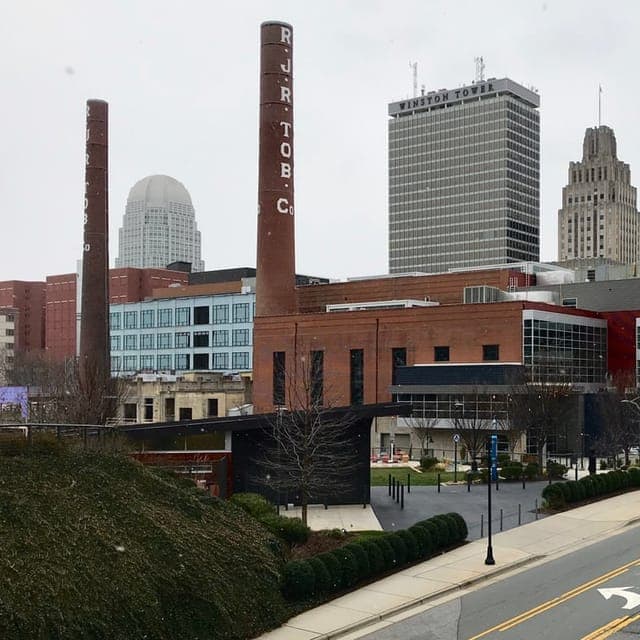
Photo: Wikipedia
Find The Best Places To Live in Forsyth County
PRO TIP! You can paste a Zillow or Redfin link to get info on that property.
Best Places to Live in Forsyth County
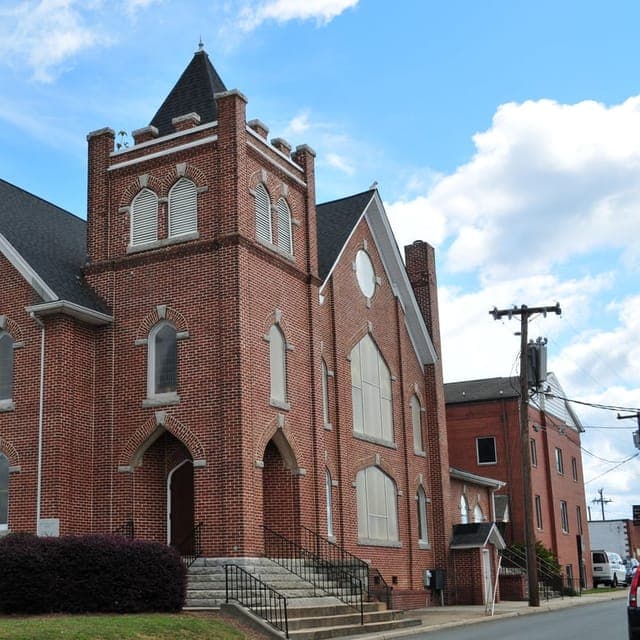
Cities & Towns in Forsyth County
Cities in Forsyth County
What It's Like Living in Forsyth County, NC
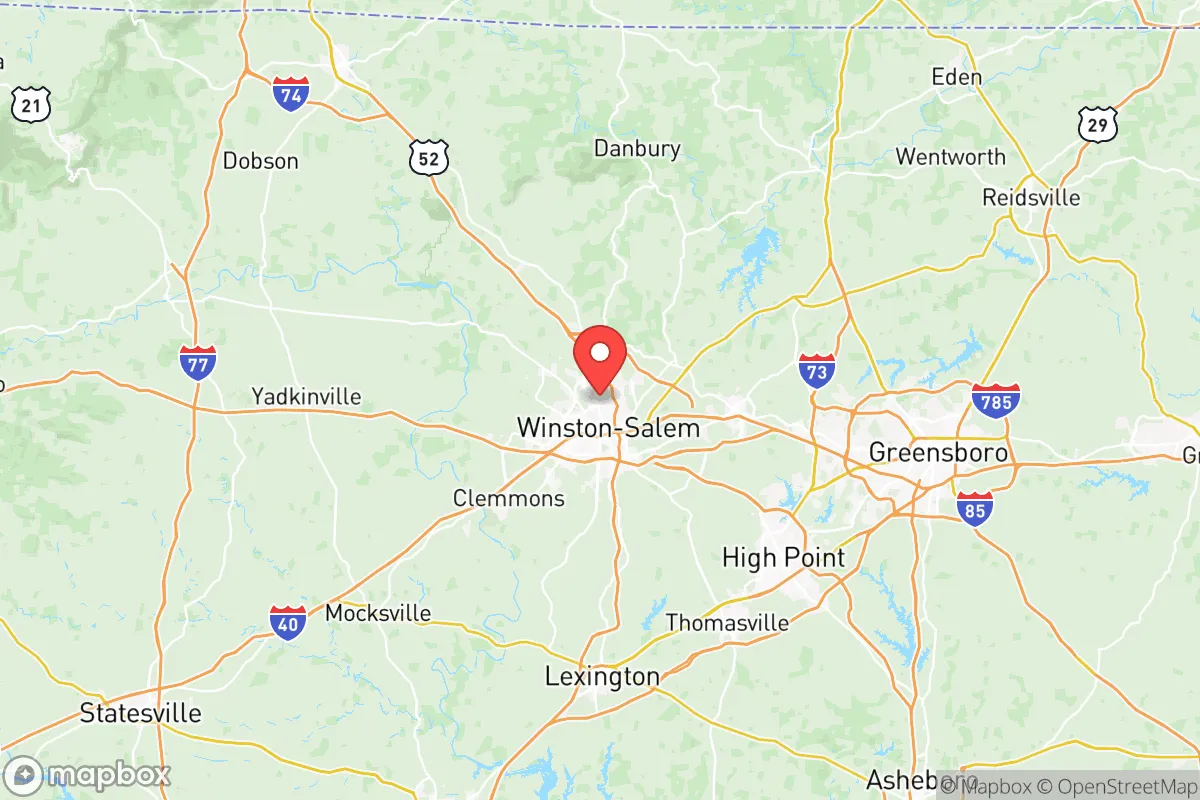
Forsyth County sits right at the crossroads of the Piedmont Triad, and living here means you're never quite sure if you're in a small city, a big town, or just a really connected collection of neighborhoods. The county's anchor, Winston-Salem, gives the whole area its heartbeat, but the daily rhythm shifts noticeably as you move out to places like Kernersville, Clemmons, or the more rural stretches around Lewisville and Rural Hall. It's a place where you can grab a craft beer downtown and still be home in time to watch the high school football game under the lights, and that blend of urban convenience and small-town familiarity is what defines the experience for most people who settle here.
The Daily Rhythm: Work, Commute, and Weekend Errands
For a county of nearly 387,000 people, Forsyth feels surprisingly uncrowded on a day-to-day basis. The average commute clocks in at just under 23 minutes, which means you can live in a quieter spot like Kernersville and still be at your desk in downtown Winston-Salem or out near the Hanes Mall area in under half an hour. The biggest employers—Wake Forest Baptist Health, Novant Health, and Reynolds American—anchor the local economy, but there's also a growing number of tech and service jobs filling in the gaps. The median household income sits around $65,500, which goes further here than in many parts of the state because the cost of living index is a comfortable 86, well below the national average. That $227,800 median home value means a family can buy a solid three-bedroom in a place like Clemmons or Lewisville without stretching into six-figure debt, and that's a big reason why people who move here tend to stay.
Weekends in Forsyth County have a predictable but pleasant rhythm. Saturday mornings you'll see families heading to the Kernersville Farmers Market or the Cobblestone Farmers Market in Winston-Salem, followed by afternoons at Tanglewood Park or Salem Lake. The weather here is genuinely four-season—summers hit the 80s and 90s with humidity, winters hover in the 30s and 40s with occasional snow that shuts things down for a day, and spring and fall are gorgeous enough to make you forget the extremes. People spend a lot of time outdoors when the weather cooperates, whether it's hiking at Hanging Rock State Park just north of the county line or just walking the trails at Bethabara Park.
Sports, Community, and What People Actually Do for Fun
High school football is a genuine cultural force here, especially in Kernersville and Clemmons, where Friday nights in the fall draw crowds that rival some small college games. The Wake Forest Demon Deacons are the closest major college team, and while they're technically in Winston-Salem, their games pull fans from all over the county. For pro sports, you're looking at a two-hour drive to Charlotte for the Panthers or the Hornets, or about 90 minutes to Greensboro for minor league hockey and basketball. Most people don't mind the drive because the local scene fills the gap—there's a strong live music circuit at venues like The Ramkat and the Stevens Center, and the annual RiverRun International Film Festival brings a surprising amount of cultural energy to a county this size.
When it comes to eating and drinking, Forsyth County punches above its weight. The barbecue debate is real—folks in Rural Hall swear by the old-school pits, while Winston-Salem's newer spots like Sweet Potatoes and The Porch draw the crowds. Craft breweries have exploded in the last decade, with Foothills Brewing and Wise Man Brewing anchoring the scene, and you'll find wine drinkers heading out to Lewisville for tastings at local vineyards. The biggest annual event is the Dixie Classic Fair, which brings carnival rides, livestock shows, and fried everything to the fairgrounds every fall, and it's the kind of thing that makes you realize how many people in this county have roots going back generations.
Who Fits In, and the Trade-Offs You Should Know
The kind of person who thrives in Forsyth County is someone who wants the amenities of a mid-sized city without the constant buzz of a metro area. It's great for families—the schools in Clemmons and Lewisville are highly rated and act as community hubs, with PTA meetings and booster clubs drawing real participation. Single people and young professionals tend to cluster in the more walkable parts of Winston-Salem, especially near the Arts District or downtown, but even they find that the county's layout means you'll need a car for most things. The median age of 38.3 reflects a population that's settled but not elderly, and the 36.9% college-educated rate is solid without being elite—you'll find plenty of neighbors with degrees, but the vibe is more blue-collar practical than ivory tower.
On the honest downside, the violent crime rate of 309.4 per 100,000 is higher than the national average, and while it's concentrated in specific parts of Winston-Salem rather than the suburbs, it's a real concern that comes up in conversations with longtime residents. Traffic isn't bad by big-city standards, but the intersection of Business 40 and US 52 can test your patience during rush hour. And if you're looking for a nightlife scene that rivals Charlotte or Raleigh, you'll be disappointed—things wind down early here, and the biggest social events are often church functions or school fundraisers. That's not a bug for most people who choose this county; it's a feature. Forsyth County offers a slower, more grounded pace of life where you know your neighbors, your commute is manageable, and the cost of living lets you actually enjoy the place you call home.

* Values derived from national, state, county, city and local statistics and may differ in a specific area. Last updated: 2026-06-12T18:23:59.000Z
Narrative content on this page is AI-generated and may contain mistakes. Verify any details that matter before acting on them.
ReloMaps may earn a commission from affiliate links at no extra cost to you.

