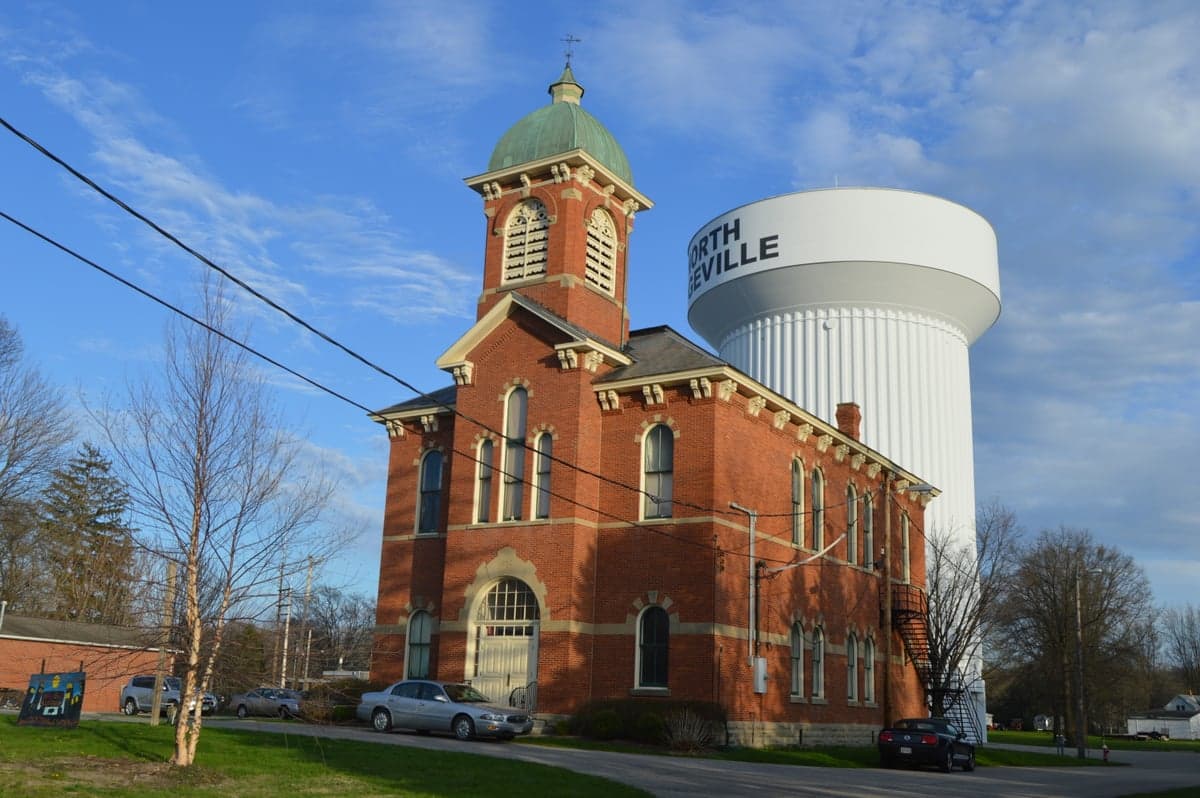
Photo: Wikipedia
Political ClimatePolitical Climate in North Ridgeville, OH
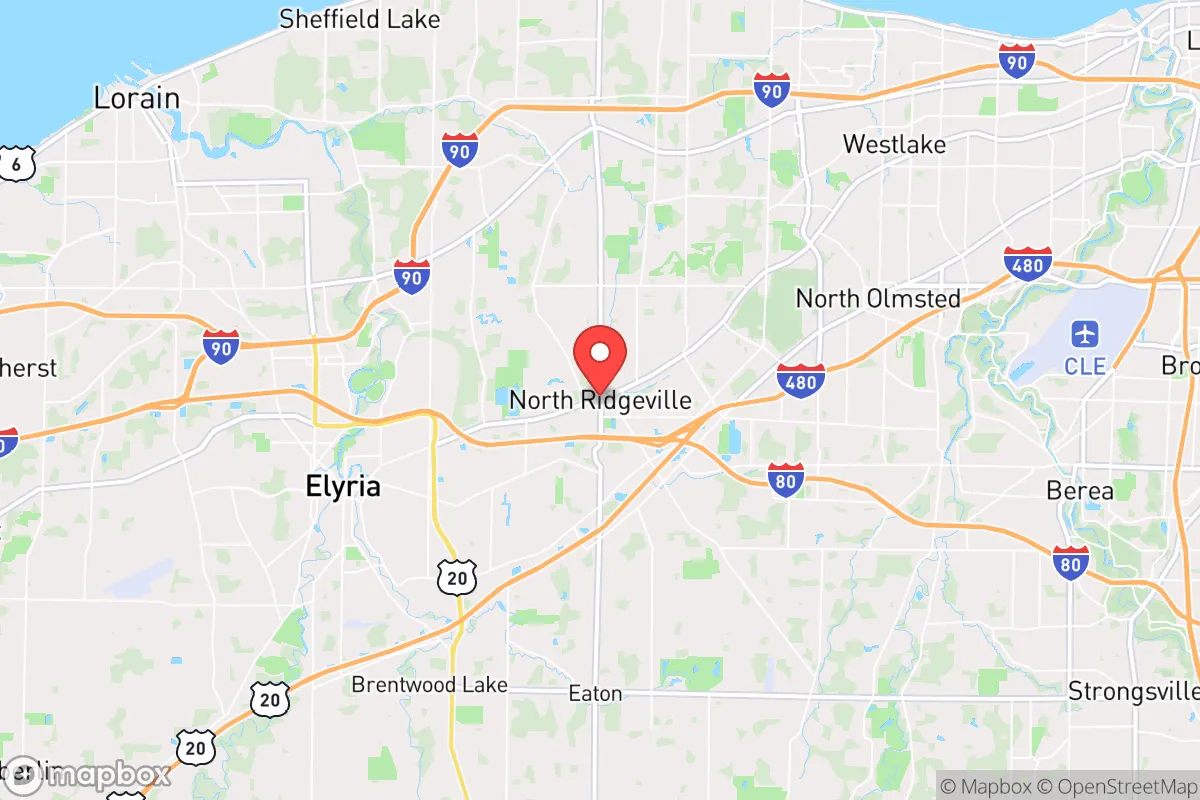
District shown is the primary district for this city’s centroid. Cities may span multiple districts.
Local Political AnalysisPolitical Analysis of North Ridgeville, OH
North Ridgeville has long been a solidly conservative community, and the numbers back that up with a Cook PVI of R+14. That means the city leans about 14 points more Republican than the national average, and it’s a lean that’s held steady for years. You don’t see wild swings here—it’s a place where folks tend to vote their values, and those values are rooted in personal responsibility, limited government, and a healthy skepticism of federal overreach. The trajectory is stable, but like a lot of Ohio suburbs, there’s a quiet unease about creeping progressive influence from the statehouse and national media.
How it compares
Drive ten miles east and you’ll hit Elyria, which has a more mixed political history—Lorain County as a whole can be a battleground, but Elyria’s city council has seen more progressive pushes in recent years, especially around zoning and local taxes. Head south toward Strongsville, and you’re back in R+14 territory, but with a more suburban, corporate feel. North Ridgeville sits in a sweet spot: it’s close enough to Cleveland to feel the pull of urban policy ideas, but the community has consistently pushed back. The contrast with nearby Avon Lake is telling—Avon Lake is also conservative, but it’s wealthier and more NIMBY, while North Ridgeville has a working-class backbone that’s less tolerant of government telling people what to do with their property or their kids’ education.
What this means for residents
For the people who live here, the political climate means lower taxes and fewer headaches than in more progressive enclaves. You’re not dealing with the kind of zoning overhauls or school board battles that have hit places like Oberlin or Shaker Heights. The city council tends to focus on practical stuff—road repairs, utility rates, keeping the police and fire departments well-funded—rather than symbolic resolutions or social engineering. That said, there’s a growing concern about state-level mandates, especially around education and health mandates, that feel like they’re bypassing local control. The shift toward progressive ideology in Columbus is a red flag for a lot of residents, because it means more rules from people who don’t live here.
One thing that sets North Ridgeville apart culturally is its strong sense of local identity. You don’t get the sense that people are trying to remake the town into something it’s not. The Fourth of July parade is still a big deal, the churches are active, and the local businesses are the kind where the owner knows your name. There’s a resistance to the kind of top-down policy changes that have turned other Ohio suburbs into battlegrounds over mask mandates or library books. If you’re looking for a place where the government stays out of your business and the community looks out for each other, North Ridgeville is still that place—but you have to keep an eye on the horizon, because the pressure to conform to national trends is real, and it’s not going away.

State Political ClimatePolitical Climate in Ohio
State Political AnalysisPolitical Environment in the State
Ohio is a classic swing state that has drifted rightward over the past decade, now leaning reliably Republican in statewide elections after being a perennial battleground. The GOP holds a supermajority in both chambers of the legislature, controls the governorship, and has won the last four presidential contests by margins of 8 to 11 points. This shift is driven by a combination of deindustrialization in the old Democratic strongholds and a massive rural and exurban realignment toward the GOP. For a conservative looking to relocate, Ohio offers a solid red political foundation, but the picture is complicated by the deep blue urban cores of Columbus, Cleveland, and Cincinnati, which continue to push back against the state’s conservative direction.
Urban vs. rural divide
The political map of Ohio is a textbook case of the urban-rural split. The three major metros—Cuyahoga County (Cleveland), Franklin County (Columbus), and Hamilton County (Cincinnati)—are the state’s Democratic anchors, delivering margins of 60-70% for the party. Columbus, in particular, has grown rapidly and become more liberal, fueled by the expansion of Ohio State University and a tech and insurance sector that attracts a younger, more progressive workforce. Meanwhile, the rest of the state—places like Butler County (north of Cincinnati), Delaware County (north of Columbus), and the entire southeastern Appalachian region—vote Republican by 20 to 40 points. The rural counties that once voted for Bill Clinton and Barack Obama, like Mahoning County (Youngstown) and Trumbull County, have flipped hard to the GOP, with Trump winning them by double digits in 2020 and 2024. This realignment is the single biggest factor in Ohio’s rightward shift.
Policy environment
Ohio’s policy environment is broadly conservative, with a few notable exceptions. The state has a flat income tax rate of 3.5% (down from 4.99% in 2020) and a sales tax of 5.75%, with local add-ons. Property taxes are moderate but vary widely by county. The regulatory posture is business-friendly, with right-to-work laws and a weak union presence outside of the public sector. On education, Ohio has a robust school choice program, including the EdChoice voucher system, which allows families to use state funds for private or religious schools—a major plus for conservative parents. However, the state has also seen a push for progressive education policies in the blue cities, with Columbus and Cleveland implementing DEI initiatives and critical race theory-inspired curricula that have sparked local backlash. Election laws are solid: Ohio requires voter ID, has early voting, and purges inactive voters regularly, though the left has challenged these measures in court. The state also has a Republican-drawn congressional map that gives the GOP a 10-5 edge in the House delegation.
Trajectory & freedom
Ohio’s trajectory on personal freedom is a mixed bag, trending positive on some fronts but concerning on others. On the plus side, the state passed constitutional carry in 2022, allowing law-abiding citizens to carry a concealed firearm without a permit—a major win for Second Amendment rights. The legislature also passed a parental bill of rights in 2023, requiring schools to notify parents about curriculum changes and medical services, and giving them the right to opt their kids out of sex education. On medical freedom, Ohio banned COVID-19 vaccine mandates for state employees and contractors in 2023. However, the state has not passed a broad medical autonomy law, and vaccine mandates remain legal for private employers. The biggest red flag for conservatives was the 2023 Issue 1 vote, where Ohioans enshrined a right to abortion in the state constitution by a 57-43 margin, overriding the legislature’s six-week heartbeat ban. This was a clear example of direct democracy overriding elected representatives, and it signals that on social issues, the state’s conservative majority is not as solid as the electoral map suggests. Property rights are generally strong, with no statewide rent control and limited zoning restrictions outside of major cities.
Civil unrest & political movements
Ohio has seen its share of political flashpoints. The 2020 George Floyd protests in Columbus and Cleveland turned violent, with looting and arson in downtown Columbus that led to a heavy police response and a lasting distrust between law enforcement and progressive activists. The 2023 East Palestine train derailment in the rural northeast became a national story, with residents furious over the federal government’s slow response and the EPA’s handling of the chemical spill—a rallying cry for anti-government sentiment on the right. Immigration politics are less heated than in border states, but the influx of Haitian migrants to Springfield (Clark County) in 2023-2024 caused local tensions, with the city’s infrastructure strained and the GOP legislature pushing bills to restrict refugee resettlement. There is no sanctuary city policy in Ohio; the state passed a law in 2024 banning sanctuary jurisdictions and requiring local law enforcement to cooperate with ICE. Election integrity controversies have been minimal compared to other swing states, but the 2020 and 2024 results were certified without major incident, thanks to Ohio’s clean voter rolls and paper ballot system. The most visible political movement is the Buckeye Firearms Association, which has successfully pushed for permitless carry and is now targeting magazine capacity restrictions.
Projection
Over the next 5-10 years, Ohio is likely to become more Republican at the state level, but the urban-rural divide will deepen. Columbus is growing fast and will continue to pull Franklin County further left, while the rural counties are aging and shrinking, which could eventually erode the GOP’s margins. The biggest wildcard is in-migration: Ohio is seeing a net inflow of people from blue states like California, Illinois, and New York, but many of them are moving to the suburbs of Columbus and Cincinnati, which could dilute the conservative vote in those metros. The state’s demographic future is also shaped by the loss of young people to Sun Belt states, which means the electorate is getting older and whiter—good for the GOP in the short term, but a long-term risk if the party can’t attract younger families. On policy, expect more fights over school choice, parental rights, and medical freedom, with the blue cities likely to sue the state over any new conservative laws. The 2026 gubernatorial race will be a key test: if a moderate Republican wins, the state may stay the course; if a hardliner wins, expect more clashes with the urban centers.
For a conservative moving to Ohio, the bottom line is this: you’ll find a state that broadly supports your values on taxes, guns, and education, but you need to pick your county carefully. Stick to the exurbs and rural areas—places like Delaware, Union, or Warren County—and you’ll be in a deep red bubble with good schools and low crime. Avoid the urban cores unless you’re prepared for high taxes, progressive politics, and the cultural battles that come with them. Ohio is a solid bet for now, but keep an eye on the demographic trends and the next round of ballot initiatives—the left is already planning to put abortion rights and marijuana legalization back on the ballot, and they’ve shown they can win at the ballot box even in a red state.
* Values derived from national, state, county, city and local statistics and may differ in a specific area. Last updated: 2026-04-19T07:09:36.000Z
Narrative content on this page is AI-generated and may contain mistakes. Verify any details that matter before acting on them.
ReloMaps may earn a commission from affiliate links at no extra cost to you.

