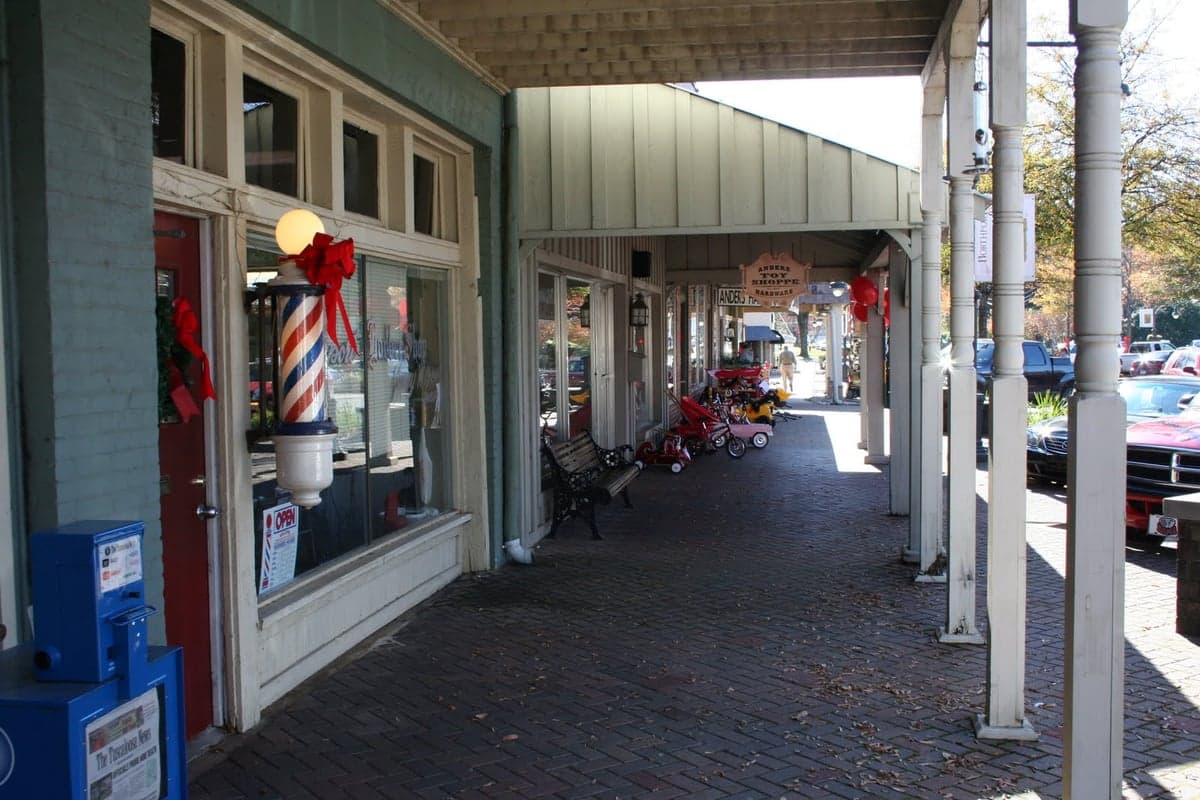
Photo: Wikipedia
Political ClimatePolitical Climate in Northport, AL
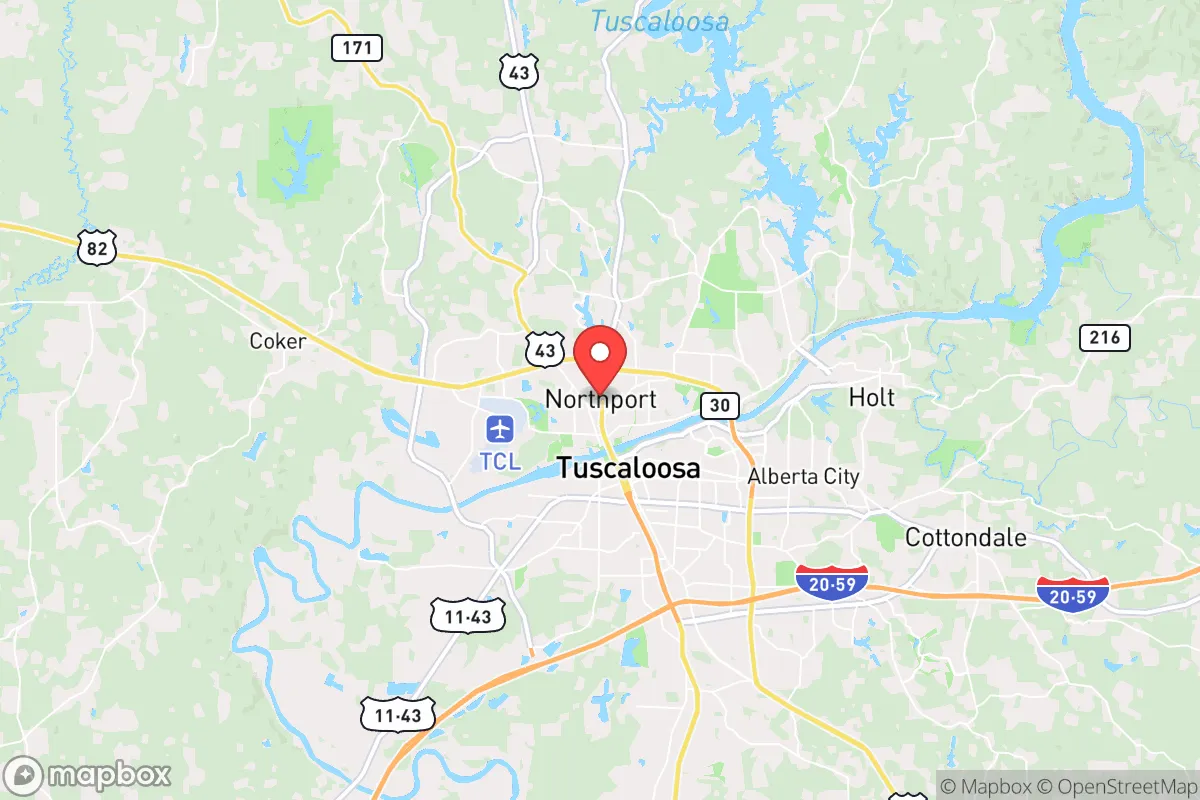
District shown is the primary district for this city’s centroid. Cities may span multiple districts.
Local Political AnalysisPolitical Analysis of Northport, AL
Northport, Alabama, sits deep in the heart of conservative West Alabama, and it’s been that way for as long as anyone around here can remember. With a Cook Partisan Voting Index of R+33, this town isn’t just leaning red—it’s solidly, reliably red, with Republican candidates routinely pulling in 70-75% of the vote in local and national elections. If you’ve lived here a while, you know the political trajectory hasn’t shifted much over the past couple of decades, and that’s exactly how most folks like it. The real story, though, is how Northport’s brand of conservatism holds steady while nearby Tuscaloosa—just across the Black Warrior River—has seen a slow but noticeable drift toward more progressive policies, especially around city council zoning and public spending.
How it compares
Drive five minutes east into Tuscaloosa, and you’re in a different political world. Tuscaloosa’s city council has been flirting with progressive housing ordinances and bike-lane expansions that feel out of step with the values of most Northport residents. Meanwhile, Northport’s city council and mayor’s office have kept things grounded: low property taxes, minimal business regulation, and a hands-off approach to personal property rights. Surrounding towns like Coker and Samantha are even more rural and conservative, but Northport is the economic anchor of that mindset. The contrast is sharpest during election cycles—Tuscaloosa County as a whole votes about R+20, but Northport pulls the county’s average hard to the right. If you’re worried about government overreach creeping into your daily life, Northport is the place where that kind of talk still gets a standing ovation at the local coffee shop.
What this means for residents
For the people who live here, this political climate means a lot of practical freedom. You won’t see the city council meddling with how you run your small business or what you do with your own backyard. Zoning laws are straightforward, building permits are easy to get, and there’s no appetite for the kind of progressive social engineering that’s popping up in bigger cities. Property taxes in Northport are among the lowest in Tuscaloosa County, and the city has consistently voted down proposals for new sales tax hikes. That said, there’s a quiet concern among longtime residents that as Tuscaloosa grows and spills over, some of that progressive energy might try to cross the river. The 2024 local elections saw a few candidates with more moderate platforms, but they didn’t gain traction—voters here still prioritize limited government and personal responsibility. If you’re moving here, you’ll find a community that values its independence and isn’t shy about keeping government out of your wallet or your life.
One thing that sets Northport apart culturally is its strong sense of local identity, separate from Tuscaloosa’s university-driven politics. The city has its own school system, its own police department, and a downtown that’s resisted the kind of chain-store homogenization you see elsewhere. There’s no citywide mask mandate or vaccine passport program on the books, and the local government has been vocal about protecting Second Amendment rights—open carry is legal and common. Looking ahead, the biggest threat to this way of life isn’t from within Northport but from state-level or federal overreach. If you’re the kind of person who values local control and doesn’t want a bureaucrat telling you how to live, Northport is about as close to a safe haven as you’ll find in West Alabama. Just keep an eye on the river—because what happens in Tuscaloosa doesn’t always stay in Tuscaloosa.

State Political ClimatePolitical Climate in Alabama
State Political AnalysisPolitical Environment in the State
Alabama is a deeply red state, with Republicans holding every statewide elected office and supermajorities in both legislative chambers, a position they have solidified over the past 20 years. The state voted for Donald Trump by a 25-point margin in 2024, a shift from the 14-point margin in 2012, reflecting a steady rightward drift even as the national GOP base has shifted. The dominant coalition is a mix of rural conservatives, evangelical Christians, and suburban voters in the Birmingham and Mobile metros, with the Democratic stronghold shrinking to the Black Belt counties and a few urban pockets like Jefferson County (Birmingham) and Montgomery County.
Urban vs. rural divide
The political map of Alabama is starkly divided between the rural, deeply conservative countryside and the few urban centers that lean Democratic. The Birmingham metro area, anchored by Jefferson County, is the state’s largest Democratic stronghold, driven by a large Black population and a growing professional class in suburbs like Homewood and Mountain Brook that lean moderate to liberal on social issues. Mobile County, while historically more conservative, has seen its city of Mobile shift leftward in recent cycles, though the surrounding Baldwin County (Fairhope, Daphne) is one of the fastest-growing and most reliably Republican areas in the state. Huntsville, in Madison County, is a unique case: a booming tech and defense hub that votes Republican but with a libertarian streak—less focused on social issues and more on economic freedom and low taxes. The rural Black Belt, stretching from Greene County to Macon County, votes overwhelmingly Democratic but has low turnout and shrinking population, while the rest of the state—from the Wiregrass in the southeast to the Tennessee Valley in the north—is solidly red. The divide is not just about race but also about economic structure: rural areas depend on agriculture and manufacturing and resent urban regulatory overreach, while cities like Birmingham and Montgomery are more diverse and service-oriented.
Policy environment
Alabama’s policy environment is among the most conservative in the nation, with a state government that actively limits taxation, regulation, and union power. The state has no income tax on retirement income, a flat 5% personal income tax rate, and a sales tax that averages around 9% but can exceed 10% in cities like Birmingham and Montgomery. Property taxes are among the lowest in the country, capped by the state constitution at a nominal rate that hasn’t changed in decades—a major draw for retirees and families. The regulatory posture is business-friendly, with right-to-work laws and a tort reform system that caps non-economic damages in lawsuits. Education policy is a flashpoint: the state passed the Alabama Literacy Act in 2019, requiring third graders to read at grade level before promotion, and in 2022 expanded school choice through the Alabama Accountability Act, which provides tax credits for private school tuition. However, the state’s public schools remain underfunded, ranking near the bottom nationally in per-pupil spending, and the debate over charter schools and vouchers is ongoing. Healthcare is a mixed bag: Alabama did not expand Medicaid under the Affordable Care Act, leaving many rural hospitals struggling, but the state has a strong network of faith-based clinics and a low cost of living that offsets some healthcare costs. Election laws are strict: voter ID is required, early voting is limited, and absentee voting requires an excuse, though the state has avoided the major election integrity controversies seen in Georgia or Arizona. The legislature also passed a near-total abortion ban in 2019, the Human Life Protection Act, which took effect after Dobbs, and has since debated further restrictions on IVF and contraception, though those have not passed.
Trajectory & freedom
Alabama is becoming more free in several key areas, particularly gun rights and parental rights, but faces headwinds on economic freedom due to local government overreach. In 2022, the state passed constitutional carry, allowing permitless carry of handguns, and in 2023 expanded the Stand Your Ground law to include vehicles. The legislature also passed the Parents’ Bill of Rights in 2022, requiring schools to notify parents of any medical or mental health services offered to students and to allow parents to opt out of sex education. On medical autonomy, the state banned gender-affirming care for minors in 2022 and has resisted federal mandates on vaccine passports. However, local governments in cities like Birmingham and Montgomery have imposed their own mask mandates and business restrictions during the pandemic, creating a patchwork of freedom that frustrates residents. Property rights are strong, with no state-level zoning mandates, but local governments in growing areas like Baldwin County have imposed impact fees and growth moratoriums that limit development. Taxation is a bright spot: the state has not raised income or sales tax rates in over a decade, and the legislature passed a $150 million tax cut in 2023 by reducing the grocery tax. The trajectory is toward more personal liberty on social and gun issues, but economic freedom is threatened by local overreach and a growing state budget that has increased spending by 30% since 2020.
Civil unrest & political movements
Alabama has seen relatively little civil unrest compared to other states, but there are visible political movements on both sides. The Black Lives Matter protests in 2020 were concentrated in Birmingham and Montgomery, with some property damage but no sustained violence, and the state’s Democratic base remains focused on voting rights and criminal justice reform. On the right, the Alabama Citizens for Life movement is highly organized, with annual rallies at the state capitol, and the Second Amendment community is active through groups like BamaCarry. Immigration politics are less heated than in border states, but the legislature passed a strict anti-sanctuary city law in 2019, HB 492, which prohibits local governments from adopting policies that limit cooperation with federal immigration enforcement. There is no serious secession or nullification rhetoric, though some rural counties have passed symbolic resolutions asserting local control over federal land management. Election integrity is a low-key issue: the state’s voter ID law is widely accepted, and there have been no major fraud allegations in recent cycles. The most visible flashpoint for a new resident would be the Confederate monument debates in Montgomery and Birmingham, where statues were removed in 2020, sparking protests and counter-protests, but the issue has since faded. Overall, the state is politically stable, with most activism channeled through the legislature rather than the streets.
Projection
Over the next 5-10 years, Alabama will likely become even more conservative, driven by in-migration from blue states and the continued growth of the Huntsville and Baldwin County areas. The state’s population is projected to grow by 5-7% by 2030, with most new residents coming from California, Illinois, and New York, attracted by low taxes and housing costs. These newcomers tend to be more libertarian than traditional Alabama conservatives, which could shift the GOP primary dynamics toward economic freedom and away from social issues. The Black Belt will continue to shrink, reducing the Democratic base, while the Birmingham metro may see a slight leftward shift as younger professionals move into the city. The biggest risk is local government overreach: as cities like Huntsville and Fairhope grow, they may impose more zoning and tax burdens, creating a tension between state-level freedom and local control. A new resident moving in now should expect to find a state that is politically stable, with a government that respects gun rights and parental authority, but they should also be prepared for local variations—Birmingham and Montgomery are more progressive, while the suburbs and rural areas are deeply conservative. The bottom line: Alabama offers a high degree of personal freedom at the state level, but you’ll need to choose your county and city carefully to avoid local overreach.
For a new resident, the practical takeaway is that Alabama is a safe bet for those seeking a conservative environment with low taxes and strong gun rights, but you should avoid the urban cores of Birmingham and Montgomery if you want to escape progressive policies. The suburbs of Huntsville, Fairhope, and Auburn offer the best balance of freedom, growth, and community, while the rural areas provide the most traditional lifestyle. Just be aware that the state’s education and healthcare systems are weak, so you’ll need to budget for private schools or travel for specialized care. Overall, Alabama is a solid choice for families and individuals who value personal liberty and want to avoid the chaos of blue states, but it’s not a libertarian paradise—local governments can still be a pain, and the state’s infrastructure is lagging. If you’re willing to trade some convenience for freedom, it’s a good move.
* Values derived from national, state, county, city and local statistics and may differ in a specific area. Last updated: 2026-04-19T19:01:50.000Z
Narrative content on this page is AI-generated and may contain mistakes. Verify any details that matter before acting on them.
ReloMaps may earn a commission from affiliate links at no extra cost to you.

