
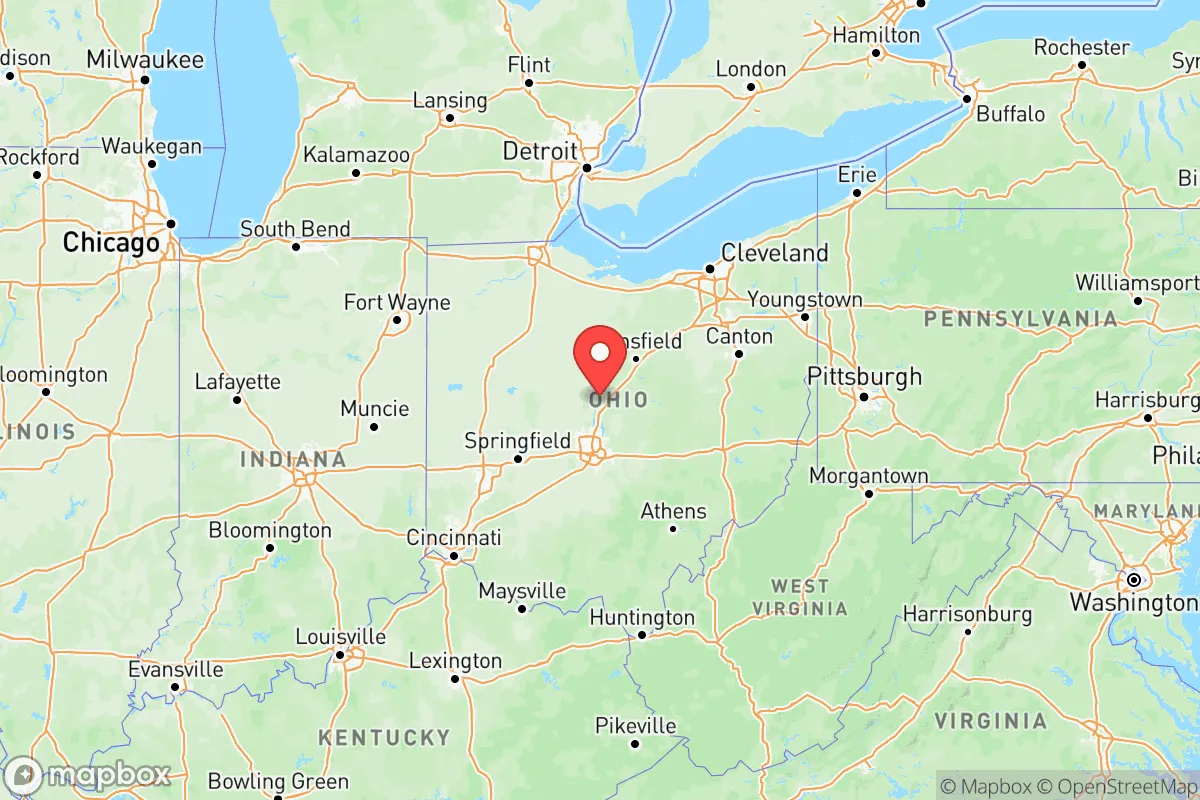
Photo: Wikipedia
Strategic Assessment of Ohio
Meaningful friction. Expect exposure to either population pressure, blast zones, or natural disaster risk. Consider buying a retreat property.
What does the Strategic Assessment tell us?
Our Strategic Assessment grades tactical survivability of an area. Major population centers, military targets, fallout zones, natural disasters, and border exposure all drive risk — lower exposure means a more defensible position in a crisis.
This is heavily inspired by Joel Skousen's Strategic Relocation book. Highly recommended you checkout the book ($)What does this tell us?
Our Strategic Assessment grades tactical survivability of an area. Major population centers, military targets, fallout zones, natural disasters, and border exposure all drive risk — lower exposure means a more defensible position in a crisis.
This is heavily inspired by Joel Skousen's Strategic Relocation book. Highly recommended you checkout the book ($)Regional Safe Places
Below is our recommended "safe zones" in Ohio and the surrounding area based on our strategic heuristics. For most people, it's unrealistic to live in a “safe zone” full-time due to work, family or other personal reasons. They tend to be more rural. However, many of these areas are perfect for second homes and retreat properties that double as a vacation home or even a short-term rental.

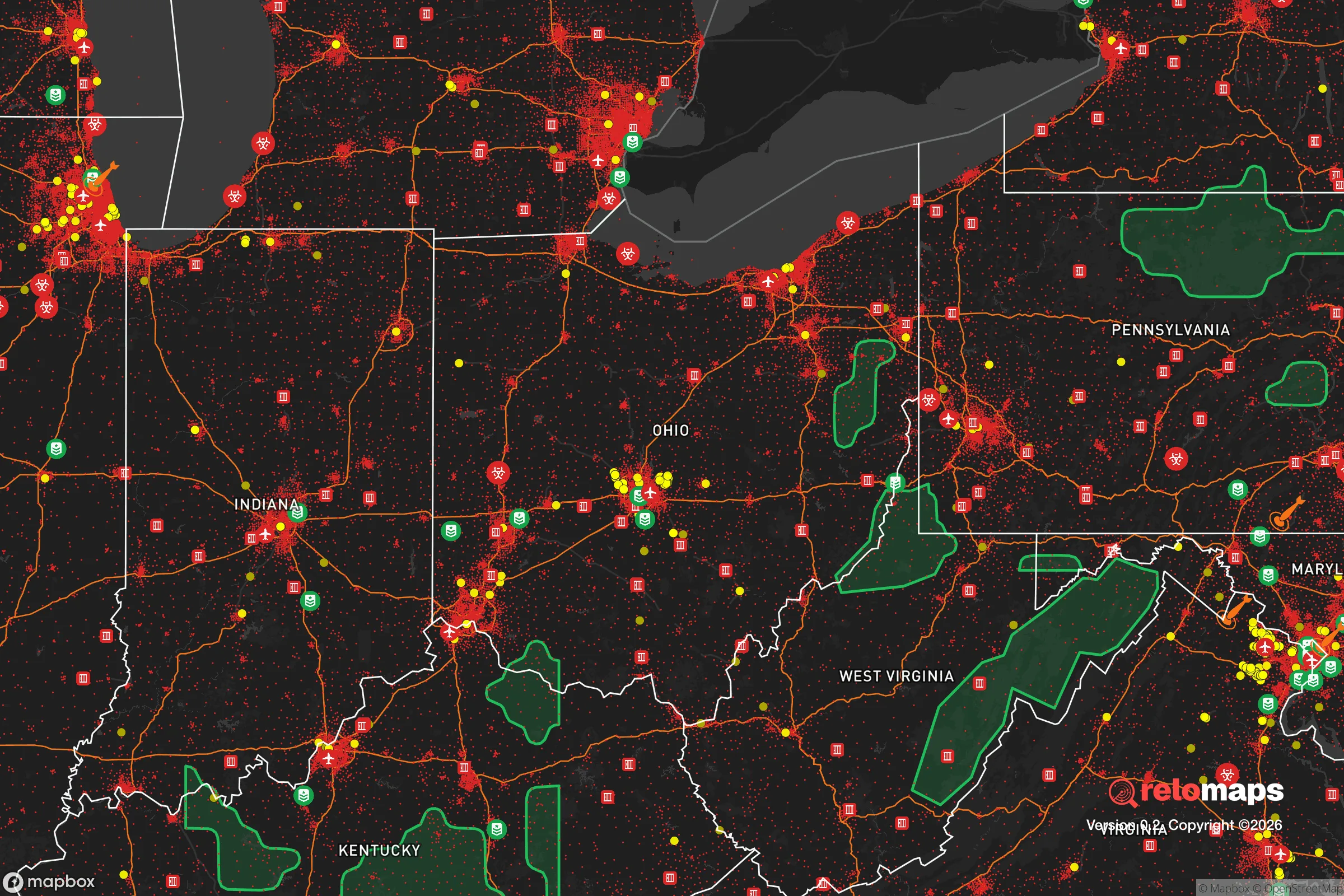


Important Note: For informational purposes only. This does not mean nothing bad ever happens in the green zones. Please use common sense. This is based on public data and modeled with AI. We tried to take a conservative approach but mistakes happen. We update this regularly as new information becomes available.
Solar Generator Recommendations
Backup power matters more here than in safer locations. We've picked three solar generators across budgets and capacity tiers — start with the budget unit if you only need a few essentials, or step up if you want to run a fridge and HVAC for days at a time.

Jackery Portable Power Station Explorer 300
Budget OptionPower on the Go: Weighing only 11 lbs, it's convenient to set up and store with book-sized foldable solar panels

BLUETTI Portable Power Station AC180
Designed for both indoor and outdoor scenarios, AC180 is highly capable as it has a robost capacity and continuous output power.

EF ECOFLOW DELTA Pro Ultra Power Station
Upgraded PickEcoFlow DELTA Pro Ultra is a whole-home energy system designed to grow with your family. Integrated with the Smart Home Panel 2, it scales to meet your evolving energy needs — keeping your home powered, intelligent, and secure through every stage of life.
We earn a commission, at no additional cost to you.
Strategic Assessment Analysis
Ohio offers a surprisingly strong mix of geographic insulation and industrial self-sufficiency that makes it a serious contender for those prioritizing long-term stability and preparedness. While it lacks the dramatic mountain defenses of the West, the state’s position in the Great Lakes region provides a buffer from coastal fallout zones and hurricane-prone areas, while its dense network of secondary cities—like Columbus, Dayton, and Mansfield—offers redundancy if a primary hub becomes compromised. For a conservative-leaning relocator thinking about civic unrest or supply chain disruptions, Ohio’s combination of freshwater access, agricultural capacity, and dispersed manufacturing base creates a foundation that’s hard to beat east of the Mississippi.
Geographic position and natural advantages for long-term stability
Ohio sits at the crossroads of the Midwest, but its real strategic value comes from being hundreds of miles inland from both the Atlantic and the Gulf, which drastically reduces exposure to hurricane storm surge, tsunami risk, and naval blockade scenarios. The state’s northern border is defined by Lake Erie, a massive freshwater resource that also moderates temperatures and supports commercial fishing—a critical food buffer if supply chains falter. The Ohio River forms the southern boundary, providing another navigable waterway and a natural barrier against southward unrest. The terrain is mostly rolling hills and fertile plains, which means ample arable land for small-scale farming in counties like Holmes, Wayne, and Ashland, where Amish communities already demonstrate low-tech self-reliance. Unlike the arid West, Ohio receives consistent rainfall—averaging 38 inches annually—so water scarcity is rarely a concern for those with a well or rainwater catchment. The state’s central location also puts it within a day’s drive of major population centers like Chicago, Pittsburgh, and Detroit, but far enough that a localized collapse in one city won’t immediately overwhelm rural areas.
Risks, exposures, and proximity to fallout-relevant landmarks
No strategic assessment is honest without acknowledging Ohio’s vulnerabilities. The state is home to two nuclear power plants—the Perry Nuclear Power Plant near Cleveland and the Davis-Besse plant near Toledo—both of which sit on Lake Erie. A catastrophic failure at either would contaminate a significant portion of the state’s freshwater source and could render large swaths of northern Ohio uninhabitable for years. Additionally, Ohio has several major oil refineries and chemical plants, including the BP-Husky refinery in Toledo and the Marathon refinery in Canton, which are prime targets for sabotage or accidental release during civil unrest. The state’s industrial corridor along the I-71 and I-75 highways is dense with rail lines carrying hazardous materials—derailments like the 2023 East Palestine disaster are a recurring risk. For those concerned with fallout from a major conflict, Wright-Patterson Air Force Base near Dayton is a high-value target, as is the Ravenna Army Ammunition Plant in Portage County. Proximity to these sites is a negative; relocators should aim for at least 50 miles of separation from these landmarks, favoring counties like Adams, Pike, or Vinton in the Appalachian foothills, which are far from major military and industrial infrastructure.
Practical resilience for a relocator: food, water, energy, and defensibility
Ohio’s practical resilience is where it truly shines for the prepper-minded relocator. The state is one of the top producers of soybeans, corn, and wheat in the country, meaning local food availability is high even during national shortages. The Amish and Mennonite communities in the eastern and central parts of the state have maintained centuries-old farming techniques that don’t rely on modern supply chains—a valuable network for barter and knowledge exchange. For water, Lake Erie is a massive resource, but it’s also vulnerable to contamination; a better bet is the aquifer systems underlying the Scioto and Miami river valleys, which provide reliable well water in rural areas. Energy-wise, Ohio has a mix of coal, natural gas, and renewable sources—the southern and eastern counties (like Monroe and Noble) have significant natural gas reserves from the Utica Shale, which could be tapped locally with the right equipment. The state’s grid is connected to the PJM Interconnection, which is relatively stable, but off-grid solar is viable in most areas due to adequate sun exposure. Defensibility is moderate: the flat farmland of western Ohio is hard to secure, but the unglaciated Appalachian region in the southeast offers hills, hollows, and dense forests that provide natural cover and chokepoints. Counties like Hocking, Perry, and Morgan have low population density (under 50 people per square mile) and limited through-roads, making them easier to monitor and defend against unwanted incursion.
The overall strategic picture for Ohio is one of balanced trade-offs. It lacks the dramatic natural defenses of the Rocky Mountain states, but it compensates with abundant freshwater, fertile soil, and a decentralized industrial base that can support a community through prolonged disruption. The key is to avoid the obvious danger zones—the Lake Erie shoreline near the nuke plants, the I-71 corridor near Wright-Patterson, and the refinery-heavy areas around Toledo and Canton—and instead focus on the southeastern hill country or the rural farmlands of the west-central region. For a conservative relocator who values self-sufficiency, community ties, and a lower profile, Ohio offers a realistic path that doesn’t require a complete off-grid lifestyle. It’s a place where you can still drive to a hardware store in a small town, buy a used tractor from a neighbor, and have a garden that actually grows—all while being far enough from the chaos to breathe. Just keep your bug-out bag packed and your eye on the wind direction from those power plants.

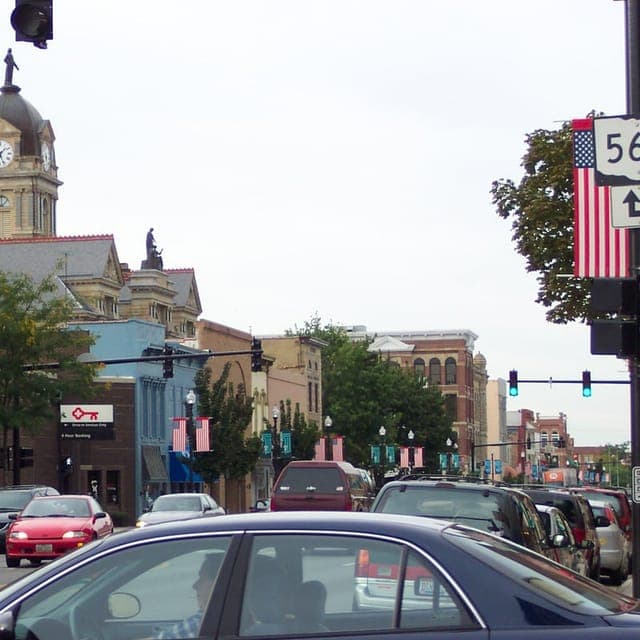
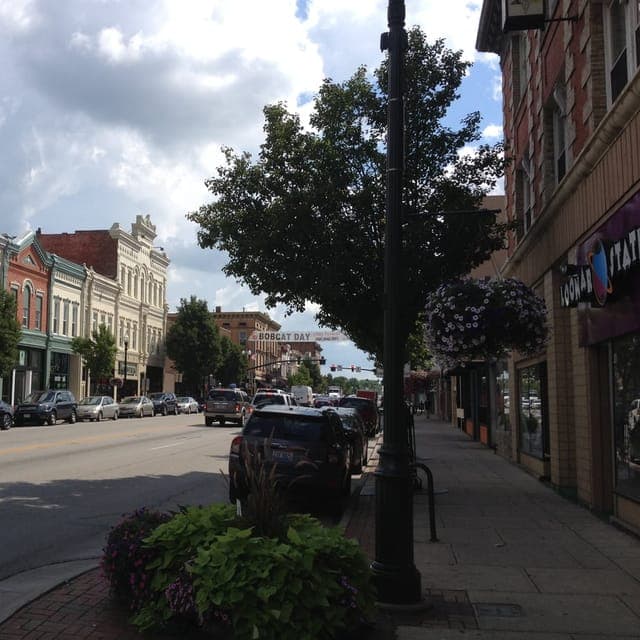
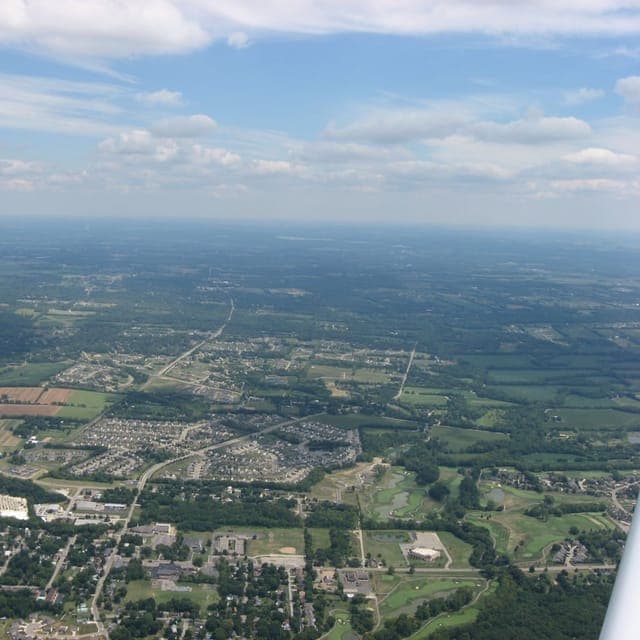
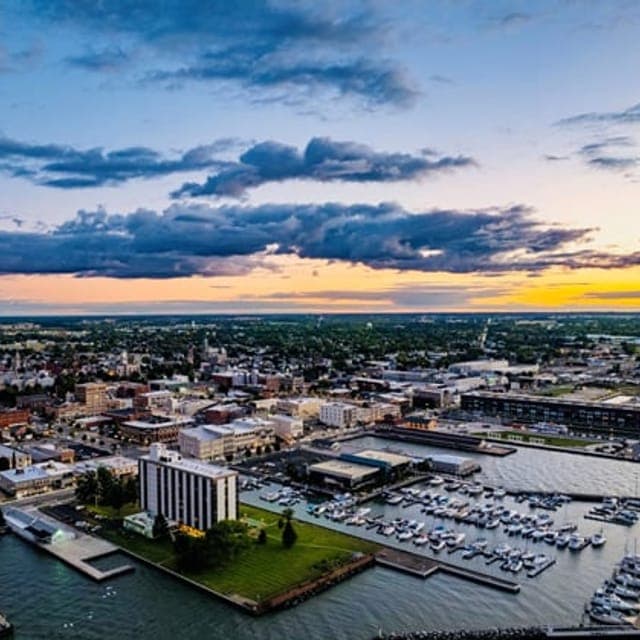
Top 10 Cities by Strategic Assessment in Ohio

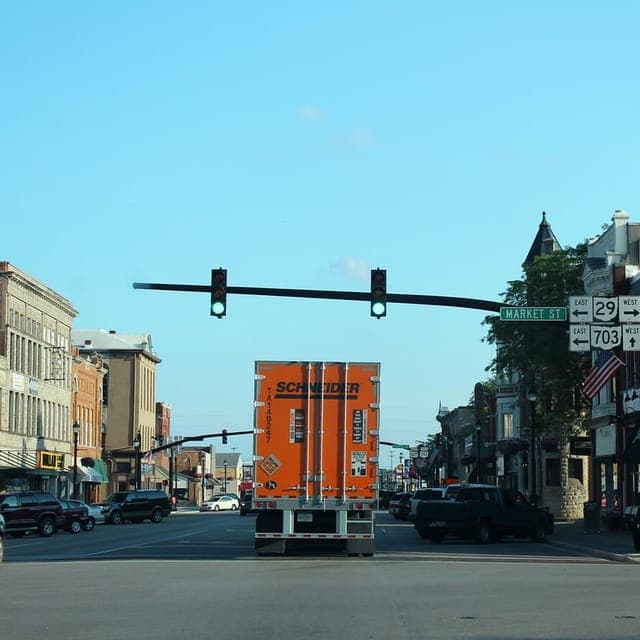


* Values derived from national, state, county, city and local statistics and may differ in a specific area. Last updated: 2026-04-14T06:19:45.000Z
Narrative content on this page is AI-generated and may contain mistakes. Verify any details that matter before acting on them.
ReloMaps may earn a commission from affiliate links at no extra cost to you.

