Photo: Wikipedia
Find The Best Places To Live
in Cuyahoga Falls
PRO TIP! You can paste a Zillow or Redfin link to get info on that property.
What It's Like Living in Cuyahoga Falls, OH
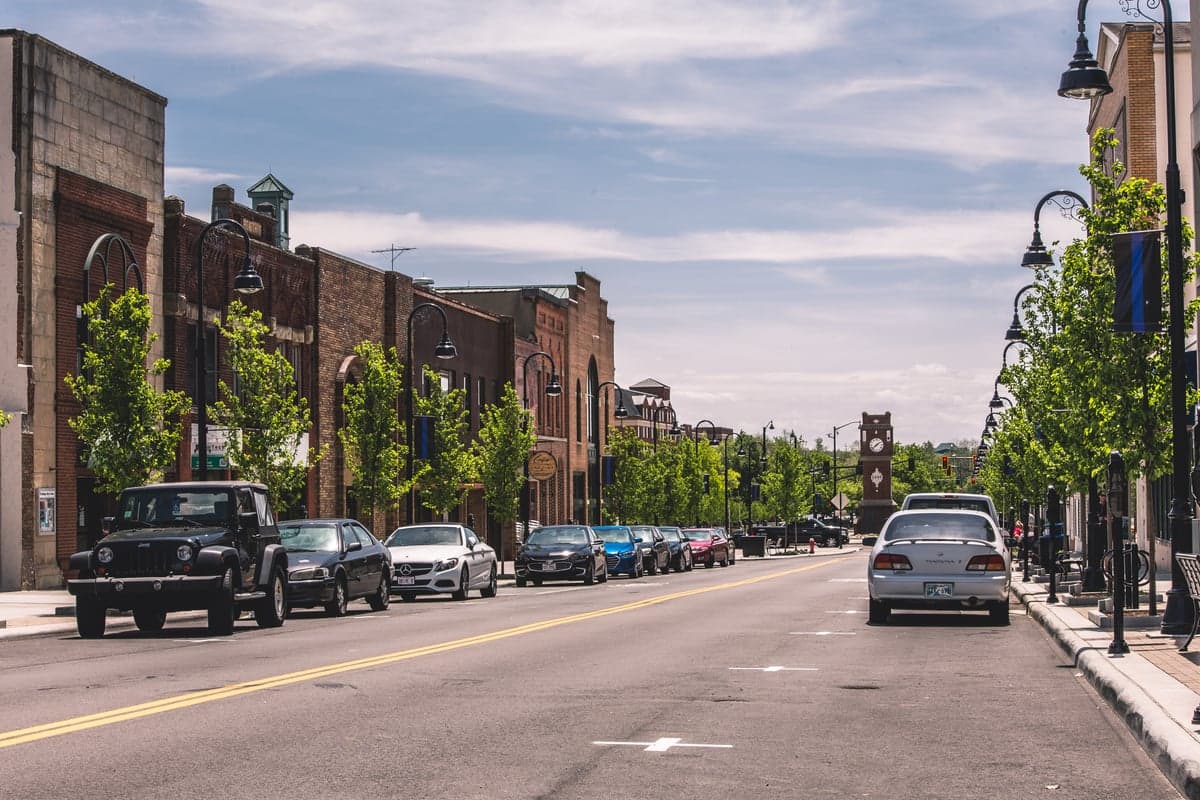
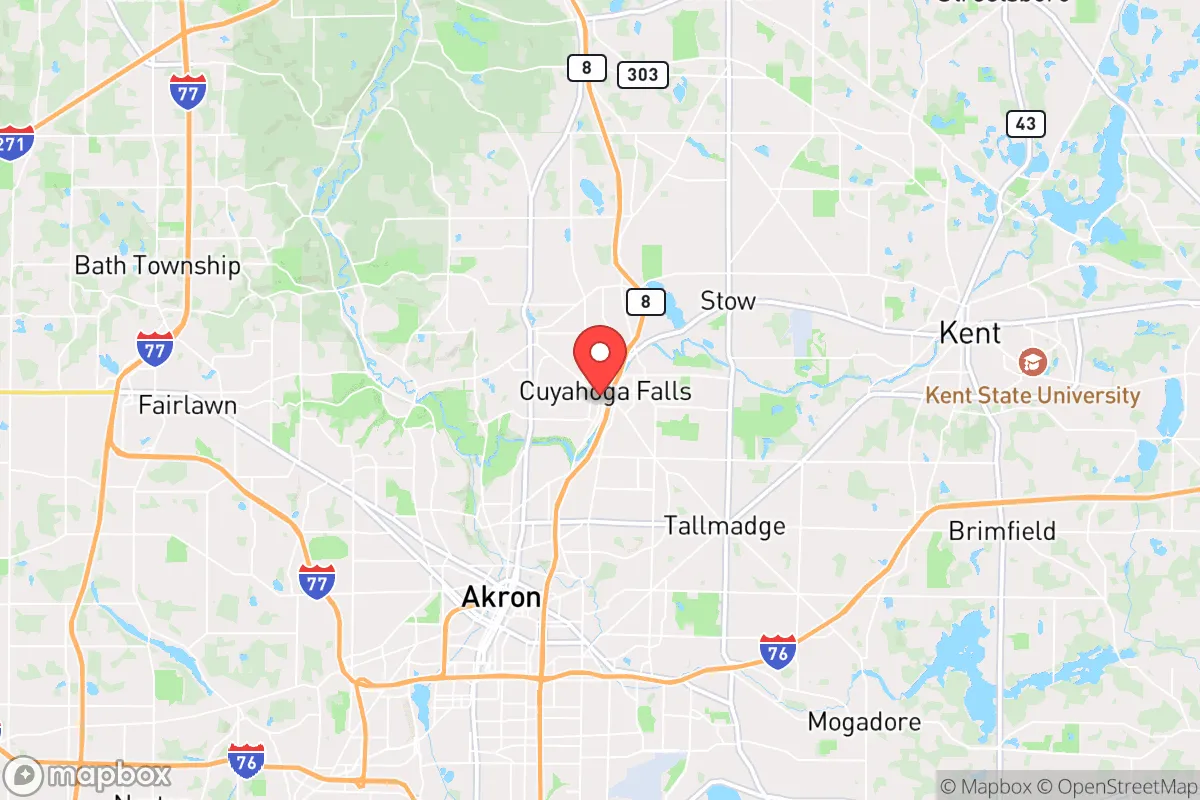
Cuyahoga Falls has a way of feeling like a small town that accidentally grew into a city of 50,864 people, and that tension is part of its charm. You get the convenience of a place with its own Target, a solid hospital system, and a downtown that actually has things to do, but you’re also 15 minutes from Akron and 35 from Cleveland without ever feeling like you’re in a sprawling suburb. The Cuyahoga River cuts right through town, giving it a natural spine that shapes everything from the parks to the flood insurance rates, and the people here tend to be the kind who know their neighbors by name but also keep to themselves when they want to.
Daily Rhythm: What People Actually Do Here
Most mornings, you’ll see folks grabbing coffee at Blue Door Cafe & Bakery on Front Street or hitting the towpath trail along the river before work. The average commute is just over 22 minutes, which means you can live in a house with a yard and still get to a job in Akron or Cleveland without losing your morning. The median household income sits at $70,645, and that money goes further here than in most places—the cost of living index is 78, well below the national average of 100. A family can afford a median home value of $174,700, which in 2026 gets you a decent three-bedroom ranch or a fixer-upper colonial in an established neighborhood like Sherbondy Hill or the area around Blossom Music Center.
Weekends are split between errands at the Falls River Square farmers market and outdoor time at Gorge Metro Park, where the waterfall that gave the city its name is actually worth seeing. People grill in their backyards, hit the Winking Lizard for a beer and wings, or drive five minutes to Highland Square in Akron for a more urban bar scene. The median age is 38, so you’ve got a mix of young families pushing strollers on the towpath and empty-nesters who remember when the Falls was more industrial than residential.
Sports, Community, and What Unites People
High school sports are the real deal here. Cuyahoga Falls High School football games on Friday nights draw a crowd that includes alums who graduated decades ago, and the rivalry with Stow-Munroe Falls is genuine—people take sides. There’s no major pro team in town, but the Cleveland Guardians and Browns are a 35-minute drive away, and you’ll see plenty of Cavs and Buckeyes gear on game days. The city also hosts the Rockin’ on the River concert series in summer, which brings thousands to the downtown riverfront for free music, and the Blossom Music Center is technically in the township but feels like a local venue—it’s where you catch the Cleveland Orchestra under the stars or a big-name touring act.
What’s distinctive is how much the river defines the social calendar. The Cuyahoga Falls River Day festival in August includes kayak races, food vendors, and a rubber duck race that sounds silly but genuinely gets competitive. People also gather at HiHo Brewing Company for trivia nights or at Moe’s for a burger and a beer after a hike at the gorge. The vibe is blue-collar casual—nobody dresses up to go out, and the most popular restaurants are the ones that have been around for 20 years, like Luigi’s Restaurant for Italian or Papa Joe’s for breakfast.
What Works and What Grates
The honest pros: the cost of living is genuinely low, the schools are decent (Cuyahoga Falls City School District has a solid reputation, especially at the elementary level), and you can be in a state park, a major airport, or a downtown ballpark within 40 minutes. The violent crime rate is 223.7 per 100,000, which is below the national average and feels accurate—most people leave their doors unlocked during the day and don’t think twice about walking the towpath after dark. The weather is typical Northeast Ohio: four distinct seasons, with winters that are gray and snowy (expect 60 inches of snow annually) and summers that are humid but pleasant from May through September.
The honest cons: the job market is limited unless you work in healthcare, education, or manufacturing. Major employers include Summa Health, the school district, and FirstEnergy, but many residents commute to Akron or Cleveland for white-collar work. The downtown, while improving, still has empty storefronts and a few blocks that feel a little rough around the edges. Some longtime residents grumble that the city has gotten more expensive without getting better—property taxes have crept up, and the median home value of $174,700 is rising faster than wages. Traffic is rarely bad except during Blossom concerts or when a crash closes State Route 8, but the average commute of 22 minutes is a realistic number that holds up even in bad weather.
Culturally, the Falls is more conservative than Akron but less so than the rural towns to the south. You’ll see Trump signs and Harris signs in the same neighborhood, and people generally don’t talk politics at the bar. The 37.5% college-educated rate is lower than the national average, which tracks with the blue-collar identity—this is a place where a union electrician and a remote software developer can live on the same street and get along fine. The biggest quirk is the flood plain: parts of the city near the river require flood insurance, and every few years a heavy rain reminds everyone why that’s necessary. But the same river that causes the headaches also gives the city its best asset—a green, walkable corridor that makes Cuyahoga Falls feel like more than just another suburb.

Similar small cities to Cuyahoga Falls
* Values derived from national, state, county, city and local statistics and may differ in a specific area. Last updated: 2026-04-19T05:04:40.000Z
Narrative content on this page is AI-generated and may contain mistakes. Verify any details that matter before acting on them.
ReloMaps may earn a commission from affiliate links at no extra cost to you.

