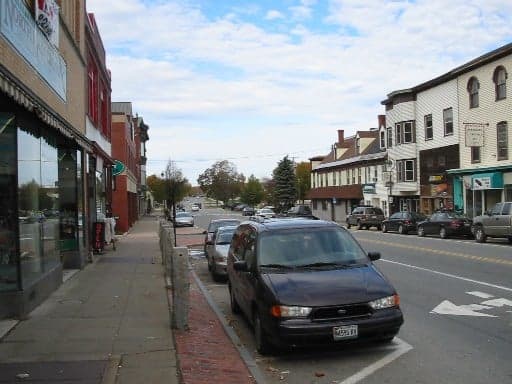
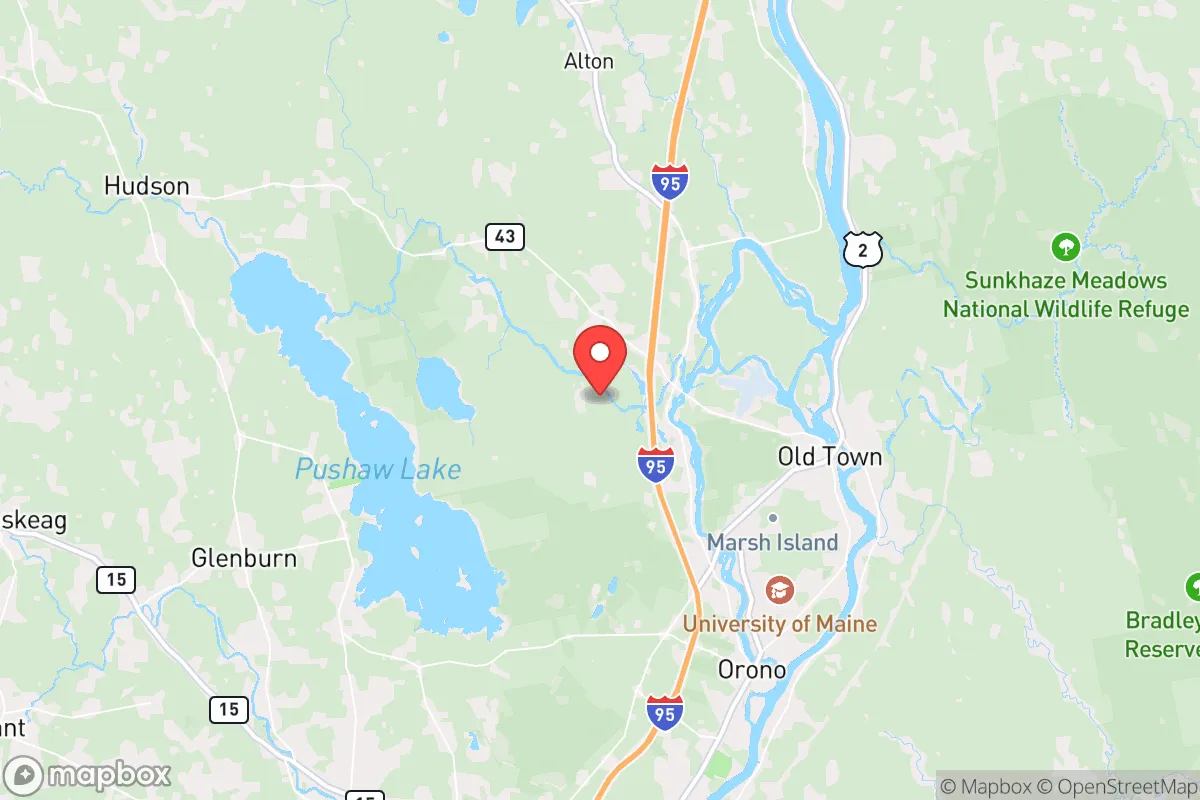

Photo: Wikipedia
Quality of Life in Old Town, ME
Above-average quality of iife. The area offers a reasonable cost of living, decent mobility, and a mix of neighborhood amenities.
What does Quality of Life tell us?
Quality of Life blends cost of living, nearby amenities, socioeconomic signals, and neighborhood character. City-level scores represent the whole municipality; individual neighborhoods can differ.
What does this tell us?
Quality of Life blends cost of living, nearby amenities, socioeconomic signals, and neighborhood character. City-level scores represent the whole municipality; individual neighborhoods can differ.
Cost of Living
22% below national average
The Real Cost of Living in Old Town, ME for 2026
| Tier | Individual | Family (4) |
|---|---|---|
| Survival | $16k | $30k |
| Comfortable | $36k | $52k |
| Luxury | $89k+ | $138k+ |
| Elite (Top 5%) | $121k+ | $188k+ |
94%
The Area Signal
A metric tracking the socioeconomic signals of the area.
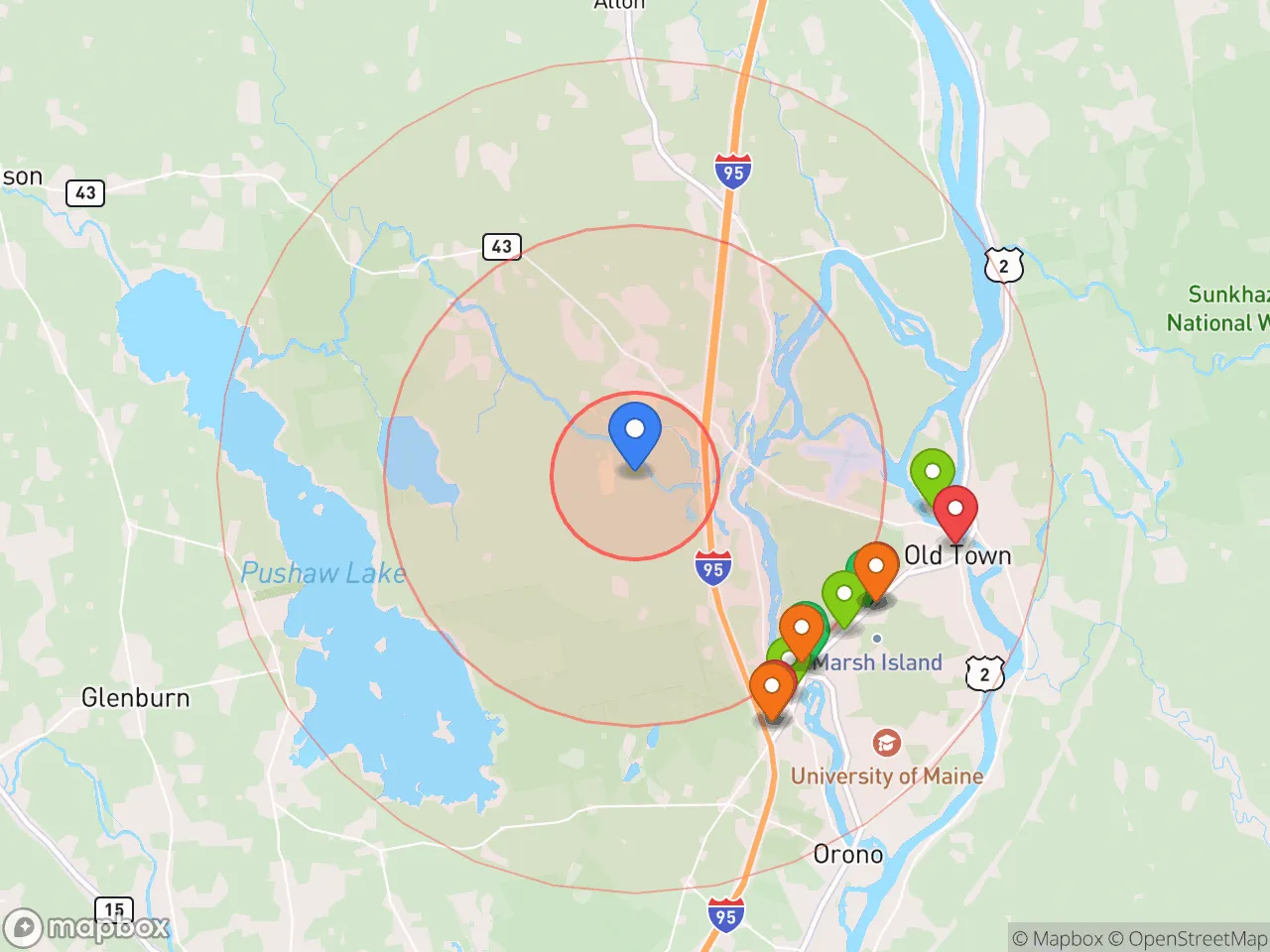
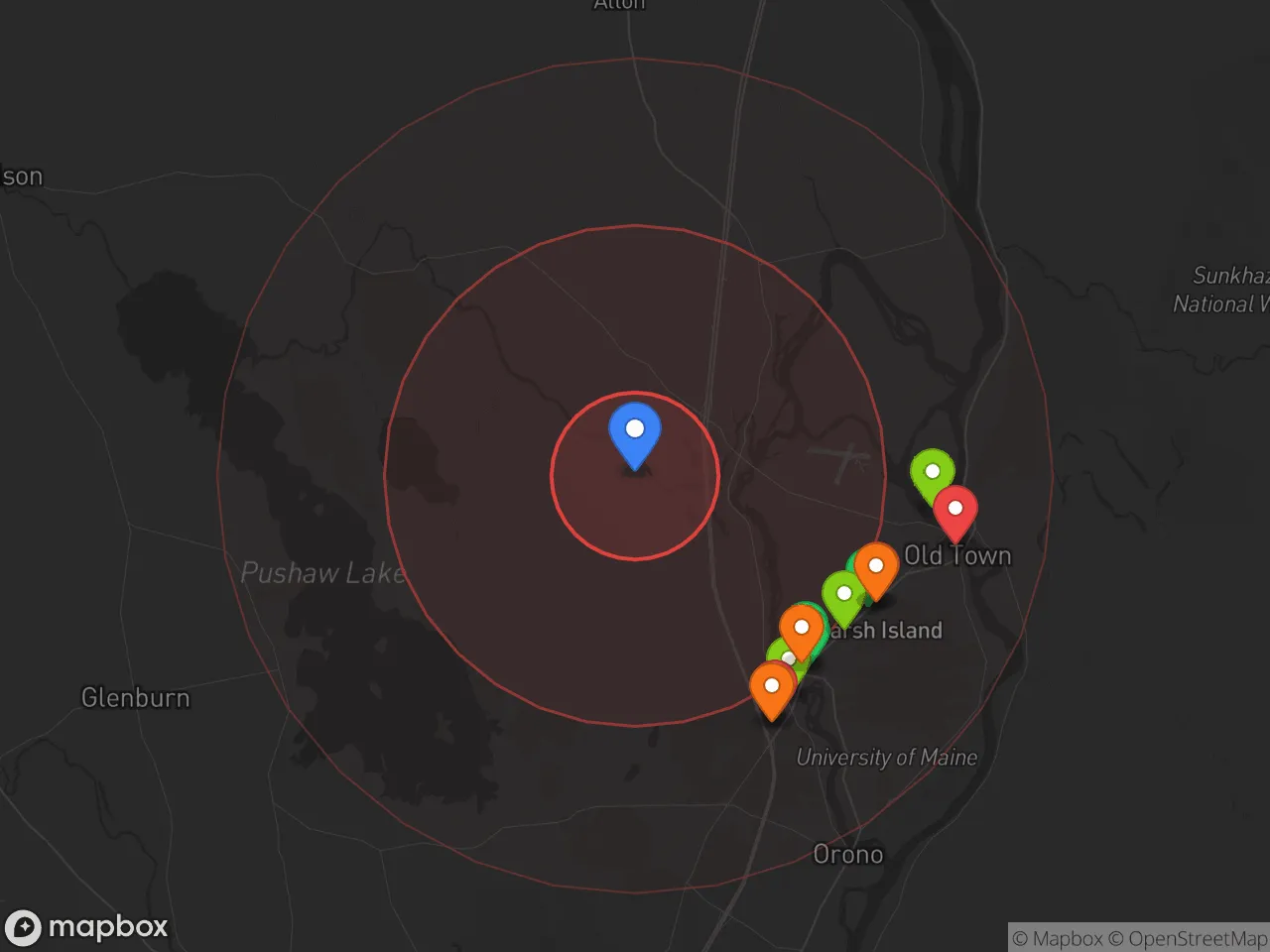
Hobbies
Explore the areaGroceries
5 within 10 miles
Gas
15 within 10 miles
Hospital
6 within 20 miles
Airport
PDX — Portland International Jetport
Post Office
USPS — Old Town, ME
Critical Amenities
Quality-of-Life Analysis
Old Town, Maine, offers a notably affordable quality of life that attracts a mix of university-affiliated residents, outdoor enthusiasts, and cost-conscious families. With a cost of living index of 78—22% below the national average—the city provides a financial cushion rarely found in more urbanized parts of New England. The population skews younger and more transient than the state average, driven largely by the presence of the University of Maine in neighboring Orono, but also includes a stable core of long-term residents employed in education, healthcare, and local manufacturing.
Cost of living, housing, and how Old Town compares to Bangor and Orono
Old Town’s housing market is one of its strongest draws. The median home value sits at $183,200, roughly half the national median and significantly below Bangor’s median of around $220,000. Renters also benefit: the median rent of $1,014 is about $300 less than the U.S. average and undercuts Orono’s student-driven rental market by 15–20%. The average commute of 18.98 minutes is shorter than both the national average (26 minutes) and Bangor’s 20-minute average, meaning residents spend less time in traffic and more time at home or on the Penobscot River. Property taxes in Maine are high—roughly 1.3% of assessed value—but the low purchase price offsets this for most buyers. Compared to Portland, where homes average $450,000+, Old Town offers a path to homeownership that is realistic for single-income households and first-time buyers.
What daily life is like: amenities, schools, and local rhythm
Daily life in Old Town revolves around a compact downtown along the Stillwater River, with grocery stores, a public library, and a handful of locally owned restaurants and cafes. The RSU 34 school district serves the area, with Old Town Elementary and Old Town High School both receiving average-to-good ratings on GreatSchools (6–7 out of 10). For higher education, the University of Maine in Orono is a 10-minute drive, offering cultural events, Division I athletics, and continuing education. Outdoor recreation is a major part of the rhythm: residents use the Orono-Old Town River Trail for walking, biking, and cross-country skiing, and the nearby Penobscot River provides fishing and kayaking access. The city lacks a major hospital—the closest is Northern Light Eastern Maine Medical Center in Bangor, 15 minutes south—but urgent care and dental clinics are available locally. Retail shopping is limited to essentials; for big-box stores and dining variety, most residents drive to Bangor’s Stillwater Avenue corridor.
Who thrives in Old Town and what to consider before moving
Old Town is best suited for people who prioritize affordability and outdoor access over urban amenities. Remote workers, university staff, and early-career professionals will find the low housing costs and short commute appealing, while families with school-age children benefit from the district’s manageable class sizes and proximity to Bangor’s job market. Retirees on fixed incomes can stretch savings further here than in coastal Maine towns. However, the trade-offs are real: the restaurant and nightlife scene is thin, winters are long and snowy (averaging 70+ inches annually), and the local economy is not diversified enough to support high-paying private-sector jobs outside of education and healthcare. Those seeking walkable urban density, frequent cultural events, or a warmer climate should look elsewhere. For anyone comfortable with a quiet, river-town lifestyle and a budget-conscious approach to living, Old Town delivers a quality of life that is both practical and pleasant.

Crime in Old Town, ME
Lower crime rates than 96% of comparable U.S. locations.
Violent CrimeViolent Crime Analysis
Property CrimeProperty Crime Analysis
Crime Analysis
Old Town, Maine, reports a violent crime rate of 0 per 100,000 residents, placing it among the safest communities in the state for personal safety. However, its property crime rate of 810 per 100,000 is notably higher than the national average, indicating that while violent confrontations are virtually nonexistent, theft and property-related offenses are a more tangible concern for residents. This combination of extremely low violent crime and elevated property crime creates a specific safety profile that differs from both rural Maine towns and larger urban centers.
Crime in context
Old Town’s violent crime rate of zero is a significant outlier even for Maine, a state already known for low violent crime. By contrast, the national violent crime rate in 2023 was approximately 380 per 100,000. The property crime rate of 810 per 100,000, however, exceeds the national average of roughly 1,950 per 100,000 but is still lower than many comparably sized towns in the Northeast. It is important to note that Old Town is located within Penobscot County, which includes the larger city of Bangor. While Old Town itself maintains a low violent crime profile, the broader county’s justice system operates under a progressive prosecutorial philosophy. This approach, which prioritizes rehabilitation and alternatives to incarceration, can result in shorter sentences and reduced pretrial detention for property offenders. For residents, this means that individuals arrested for theft or burglary in Old Town may face minimal consequences, potentially cycling back into the community more quickly and contributing to the elevated property crime rate.
What residents experience
For daily life in Old Town, the practical impact of the crime data is clear: residents can walk the streets and use public spaces with very little fear of violent attack. The primary safety concern is property crime, which manifests as vehicle break-ins, theft from porches, and occasional residential burglaries. Many residents report that unlocked cars and sheds are common targets, and the presence of the University of Maine in nearby Orono can bring transient populations that contribute to these offenses. The progressive judicial philosophy in Penobscot County means that even when property crime suspects are caught, they are often released on bail or given non-custodial sentences, which can erode community confidence in the justice system. This dynamic creates a situation where residents must take personal precautions—such as securing belongings, installing outdoor lighting, and participating in neighborhood watch programs—to compensate for a system that may not reliably deter or punish property offenders.
Neighborhood-level variation in Old Town is modest but worth noting. The area around the downtown core and near the Stillwater River sees slightly higher property crime, likely due to easier access and foot traffic. Residential streets further from the center, particularly those in the more rural outskirts of the town, report fewer incidents. However, no neighborhood in Old Town is considered dangerous by national standards, and the absence of violent crime means that even the higher-crime pockets are safe for residents and visitors alike. The key takeaway for anyone considering a move to Old Town is that while personal safety is excellent, property vigilance is essential, and the local justice system’s leniency toward offenders is a factor that residents must account for in their daily lives.
* Values derived from national, state, county, city and local statistics and may differ in a specific area. Last updated: 2026-05-01T10:16:34.000Z
Narrative content on this page is AI-generated and may contain mistakes. Verify any details that matter before acting on them.
ReloMaps may earn a commission from affiliate links at no extra cost to you.

