Photo: Wikipedia
Strategic Assessment of Old Town, ME
Meaningful friction. Expect exposure to either population pressure, blast zones, or natural disaster risk. Consider buying a retreat property.
What does the Strategic Assessment tell us?
Our Strategic Assessment grades tactical survivability of an area. Major population centers, military targets, fallout zones, natural disasters, and border exposure all drive risk — lower exposure means a more defensible position in a crisis.
This is heavily inspired by Joel Skousen's Strategic Relocation book. Highly recommended you checkout the book ($)What does this tell us?
Our Strategic Assessment grades tactical survivability of an area. Major population centers, military targets, fallout zones, natural disasters, and border exposure all drive risk — lower exposure means a more defensible position in a crisis.
This is heavily inspired by Joel Skousen's Strategic Relocation book. Highly recommended you checkout the book ($)Strategic Pillars

Key Distances
Regional Safe Places
Below is our recommended "safe zones" in Maine and the surrounding area based on our strategic heuristics. For most people, it's unrealistic to live in a “safe zone” full-time due to work, family or other personal reasons. They tend to be more rural. However, many of these areas are perfect for second homes and retreat properties that double as a vacation home or even a short-term rental.
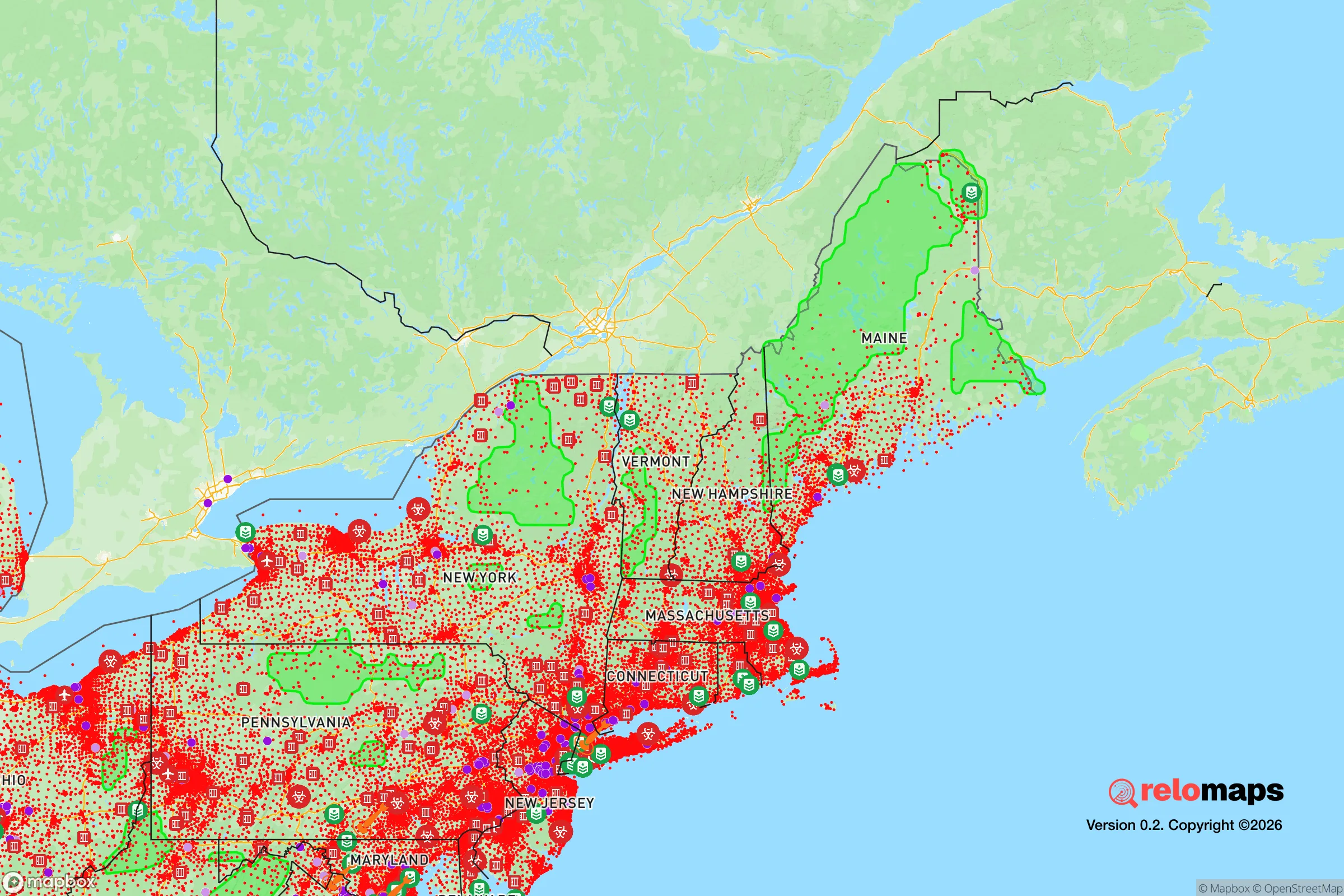
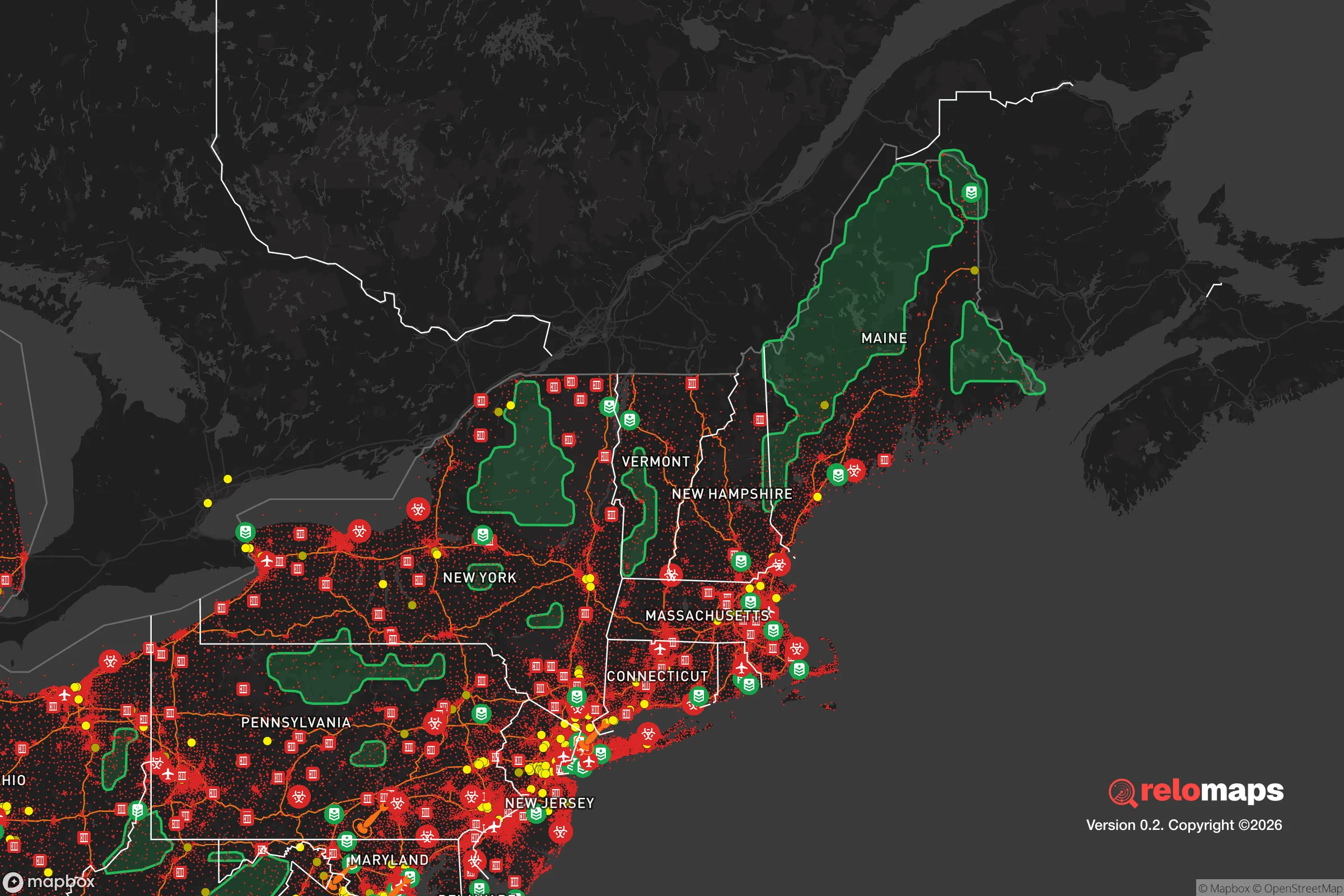


Important Note: For informational purposes only. This does not mean nothing bad ever happens in the green zones. Please use common sense. This is based on public data and modeled with AI. We tried to take a conservative approach but mistakes happen. We update this regularly as new information becomes available.
Solar Generator Recommendations
Backup power matters more here than in safer locations. We've picked three solar generators across budgets and capacity tiers — start with the budget unit if you only need a few essentials, or step up if you want to run a fridge and HVAC for days at a time.

Jackery Portable Power Station Explorer 300
Budget OptionPower on the Go: Weighing only 11 lbs, it's convenient to set up and store with book-sized foldable solar panels

BLUETTI Portable Power Station AC180
Designed for both indoor and outdoor scenarios, AC180 is highly capable as it has a robost capacity and continuous output power.

EF ECOFLOW DELTA Pro Ultra Power Station
Upgraded PickEcoFlow DELTA Pro Ultra is a whole-home energy system designed to grow with your family. Integrated with the Smart Home Panel 2, it scales to meet your evolving energy needs — keeping your home powered, intelligent, and secure through every stage of life.
We earn a commission, at no additional cost to you.
Strategic Assessment Analysis
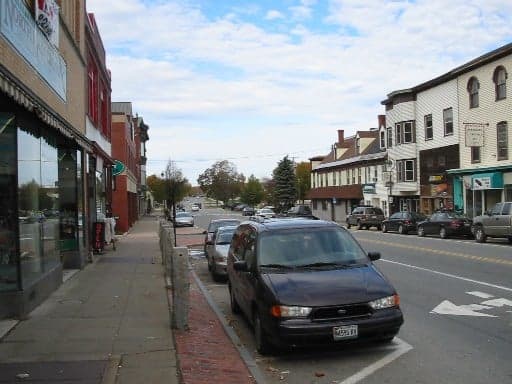
Old Town, Maine, sits in a strategic pocket of resilience that few relocators fully appreciate, offering a blend of remote access and practical defensibility that aligns with a conservative, self-reliant mindset. Nestled along the Penobscot River and flanked by vast tracts of North Maine Woods, this small city of roughly 7,800 people provides a buffer from the chaos of major metropolitan collapse while still maintaining critical infrastructure for long-term survival. For those eyeing a relocation that prioritizes preparedness over convenience, Old Town presents a compelling case—provided you understand both its natural advantages and its real exposures.
Geographic position and natural advantages for long-term security
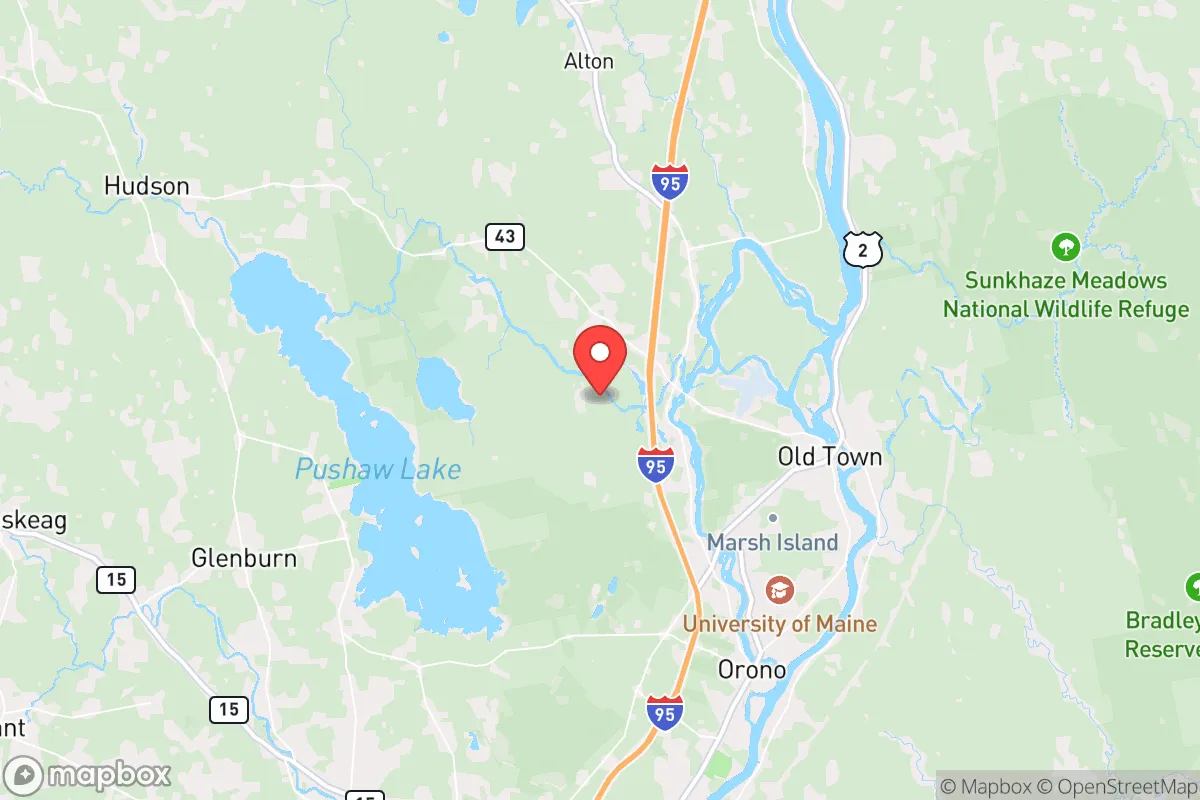
Old Town’s location is its strongest card. Situated about 12 miles north of Bangor and 60 miles from the Canadian border, it sits at the southern edge of Maine’s vast, sparsely populated interior. The Penobscot River runs through the town, offering a reliable freshwater source and a natural barrier that complicates approach from the east. To the west and north, the landscape transitions into dense boreal forest and low mountains—terrain that slows movement, limits visibility, and provides ample cover for those who know how to use it. The area’s low population density (roughly 40 people per square mile in Penobscot County) means fewer competition for resources during a crisis, and the local culture already leans toward self-sufficiency, with many residents maintaining wood heat, gardens, and hunting skills as a matter of course. The proximity to Baxter State Park and the 100-Mile Wilderness region gives relocators a massive, roadless backstop for retreat if urban areas become untenable. For a prepper, this is not just scenery—it’s a strategic depth that few suburban or coastal towns can match.
Risks, exposures, and proximity to fallout-relevant landmarks
No location is without vulnerability, and Old Town has specific exposures that a serious relocator must weigh. The most immediate concern is the proximity to Bangor International Airport (BGR), which serves as a civilian and military airfield—home to the Maine Air National Guard’s 101st Air Refueling Wing. In a major conflict or national emergency, BGR becomes a likely staging point for military logistics, which could draw attention, air traffic, or even targeted disruption. The airport is only 15 miles south, meaning any ground-level fallout from an incident there—whether conventional or radiological—could reach Old Town within hours depending on wind patterns. Additionally, the Penobscot River itself is a double-edged sword: while it provides water, it also funnels any upstream contamination (chemical spills, biological agents, or debris from dam failures) directly through the town. The Orono Dam and the Veazie Dam (now removed, but remnants exist) historically controlled flow, but aging infrastructure upstream—like the Mattaceunk Dam and others—poses a flood risk during heavy rain or snowmelt events. On the plus side, Old Town is far from any major nuclear power plants (the nearest, Seabrook in New Hampshire, is 160 miles away) and outside the primary fallout zones of major population centers like Boston or Portland. The primary risk here is not a direct strike but the secondary effects of a regional collapse—refugee flow from Bangor, supply chain disruption, and potential civil unrest spilling north from more populated areas.
Practical resilience for a relocator: food, water, energy, and defensibility
For a relocator serious about self-sufficiency, Old Town offers a workable baseline that requires deliberate enhancement. Water access is excellent: the Penobscot River is year-round and potable with basic filtration, and the town’s groundwater table is high, meaning shallow wells are viable for those on rural parcels. However, municipal water treatment could fail during a grid-down scenario, so a private well with a hand pump or a rainwater catchment system is a wise investment. Food production is limited by a short growing season (roughly 120 frost-free days) and acidic, rocky soil, but cold-hardy crops like potatoes, kale, and root vegetables do well. Local hunting—white-tailed deer, moose, and small game—is abundant, and fishing in the Penobscot and nearby Pushaw Lake provides protein year-round. The town has a strong logging history, meaning firewood is plentiful and cheap if you have the means to cut and split it; most homes already use wood stoves as primary or secondary heat. Energy resilience is mixed: the grid is reasonably stable but rural, with outages common during winter storms. Solar is viable but requires battery storage due to long, overcast winters—a generator running on stored propane or diesel is more practical for baseline needs. Defensibility is moderate: Old Town’s layout is a mix of riverfront neighborhoods and scattered rural homesteads, with limited choke points on the main roads (Route 2 and I-95). The surrounding forest provides cover but also concealment for anyone approaching. A relocator should prioritize a property with clear sightlines, a backup water source, and a defensible perimeter—ideally on a dead-end road off the main corridor. The local police force is small (around 15 officers), so during a prolonged crisis, self-reliance is the only reliable security.
The overall strategic picture for Old Town is one of calculated trade-offs. It offers genuine advantages—abundant water, low population density, a self-reliant local culture, and a deep wilderness buffer—that make it a strong candidate for a conservative relocator seeking to weather national instability. But it is not a fortress. The proximity to Bangor’s military infrastructure and the river’s vulnerability to upstream contamination are real concerns that require mitigation through property selection and pre-positioned supplies. For a single individual or a family willing to invest in wood heat, water filtration, and a modest food stockpile, Old Town provides a livable, defensible base that balances isolation with access to essential services. In a world where the grid could flicker and cities could burn, this small Maine town offers a quiet, workable alternative—not a guarantee of safety, but a solid foundation for those who prepare.

* Values derived from national, state, county, city and local statistics and may differ in a specific area. Last updated: 2026-05-01T10:16:34.000Z
Narrative content on this page is AI-generated and may contain mistakes. Verify any details that matter before acting on them.
ReloMaps may earn a commission from affiliate links at no extra cost to you.

