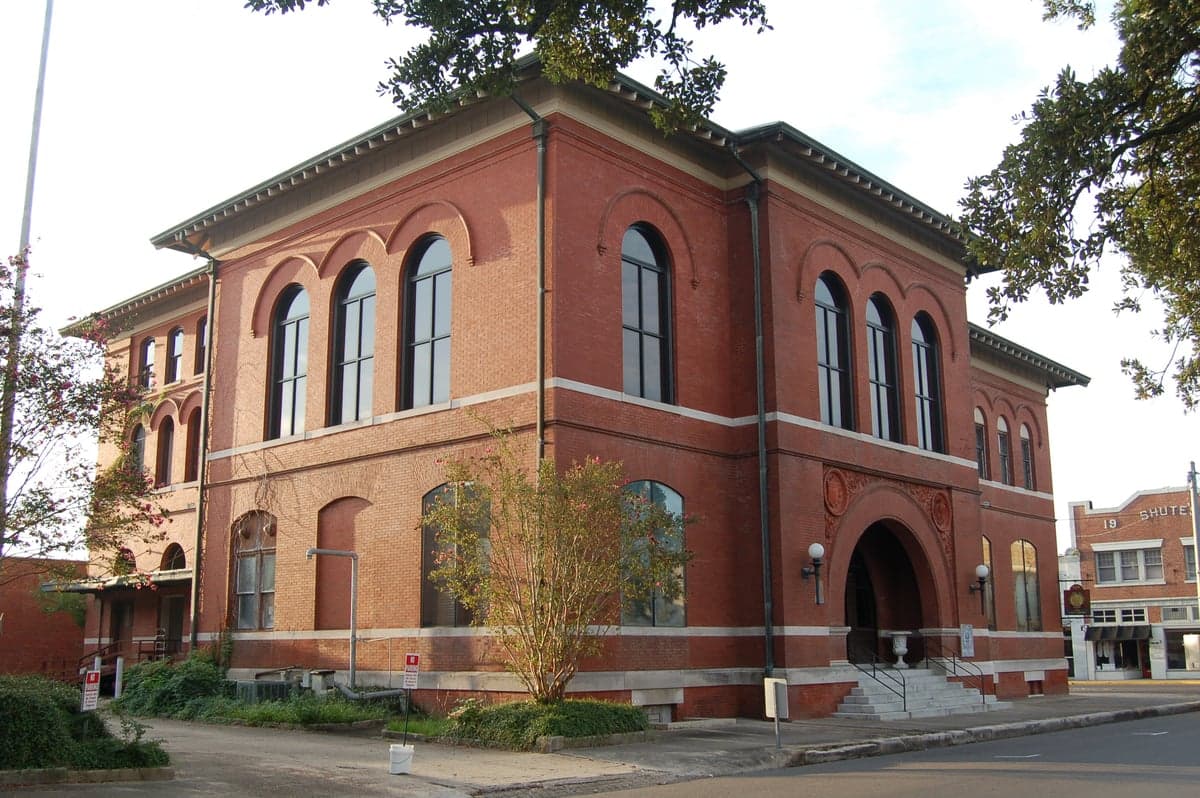
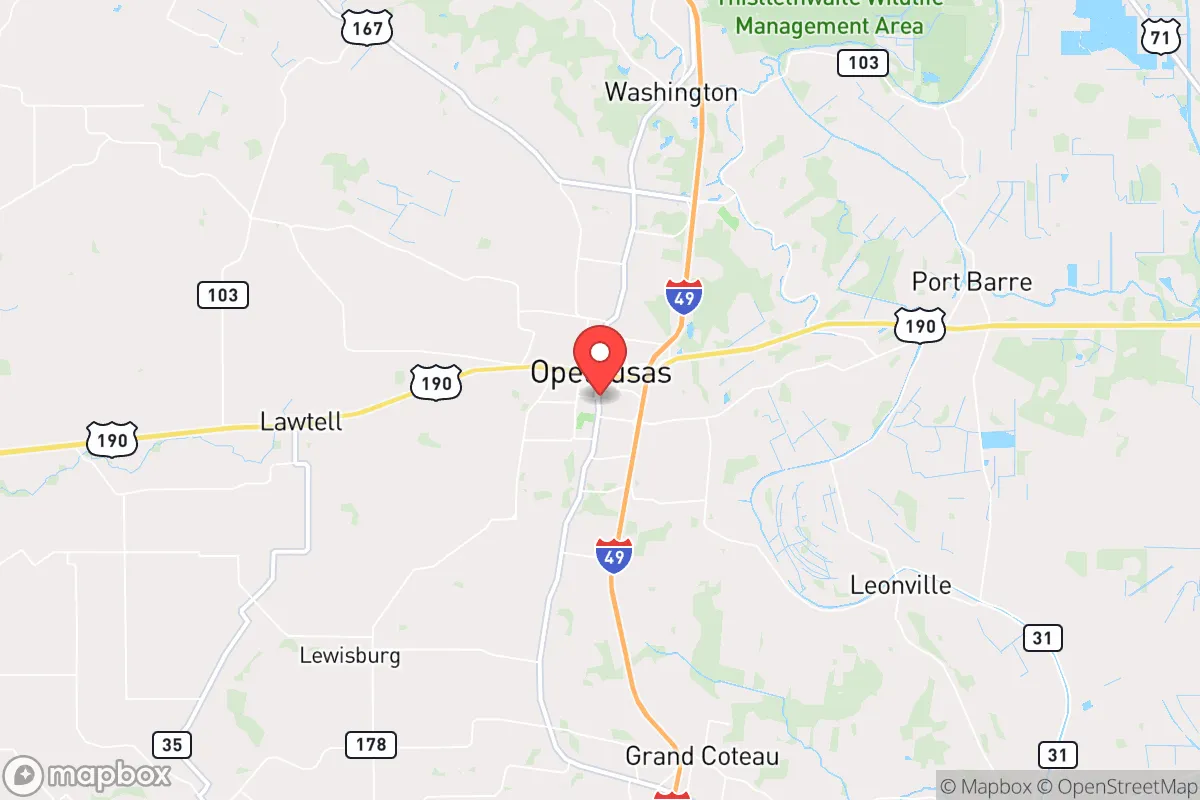
Photo: Wikipedia
Quality of Life in Opelousas, LA
Above-average quality of iife. The area offers a reasonable cost of living, decent mobility, and a mix of neighborhood amenities.
What does Quality of Life tell us?
Quality of Life blends cost of living, nearby amenities, socioeconomic signals, and neighborhood character. City-level scores represent the whole municipality; individual neighborhoods can differ.
What does this tell us?
Quality of Life blends cost of living, nearby amenities, socioeconomic signals, and neighborhood character. City-level scores represent the whole municipality; individual neighborhoods can differ.
Cost of Living
46% below national average
The Real Cost of Living in Opelousas, LA for 2026
| Tier | Individual | Family (4) |
|---|---|---|
| Survival | $12k | $22k |
| Comfortable | $22k | $32k |
| Luxury | $63k+ | $98k+ |
| Elite (Top 5%) | $74k+ | $115k+ |
112%
The Area Signal
A metric tracking the socioeconomic signals of the area.
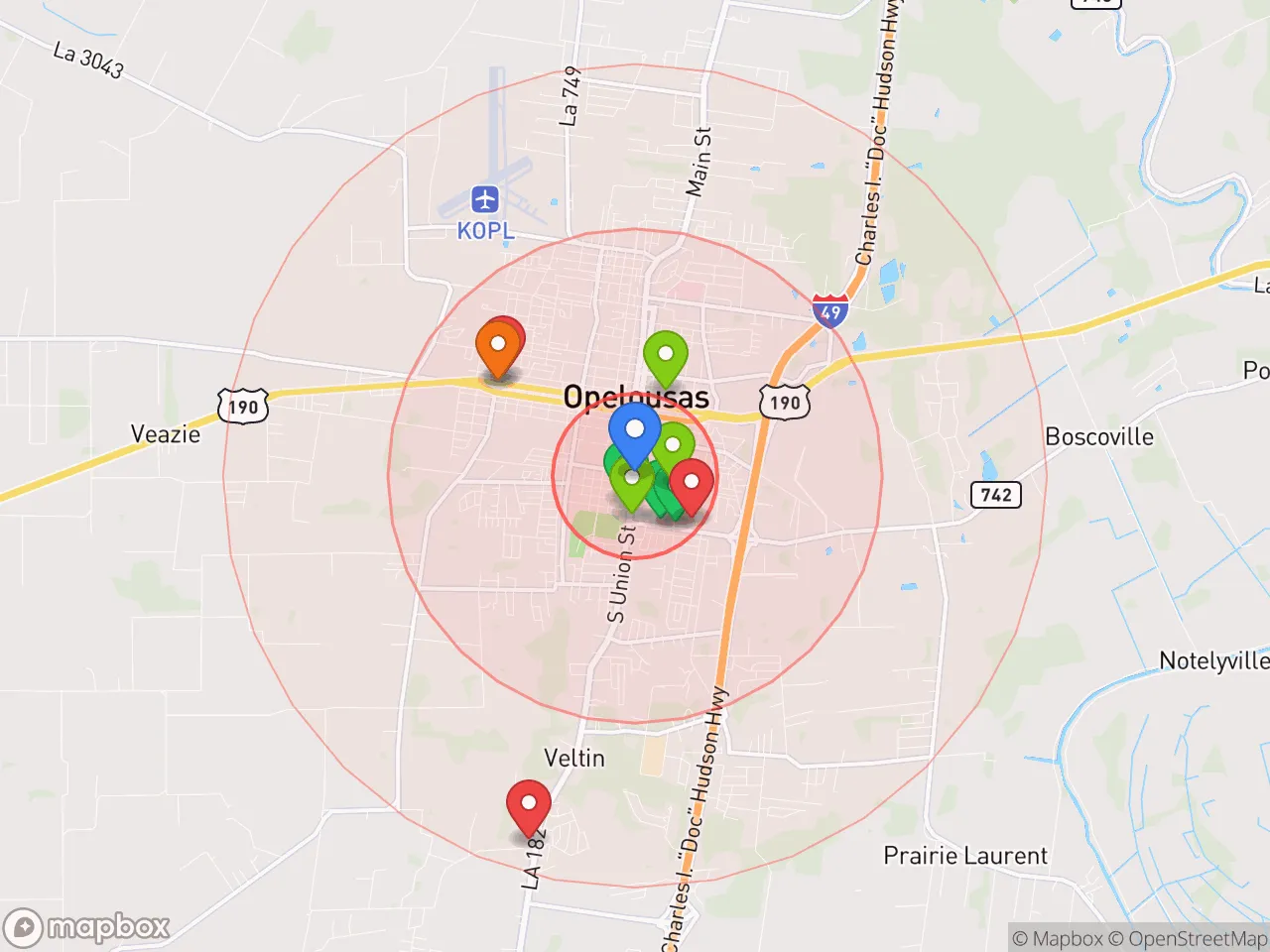
Hobbies
Explore the areaGroceries
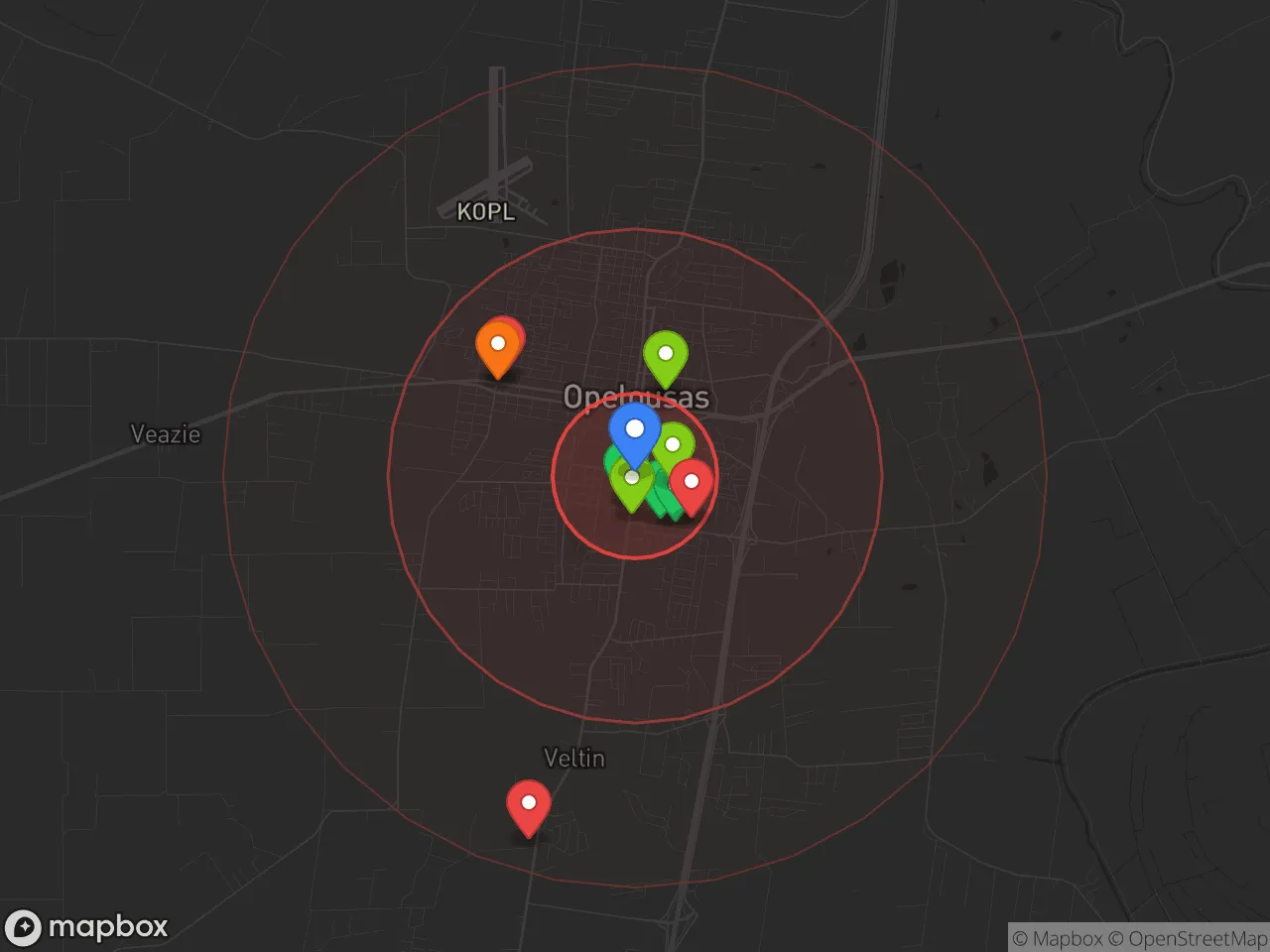
2 within 10 miles
Gas
18 within 10 miles
Hospital
11 within 20 miles
Airport
IAH — George Bush Intercontinental
Post Office
USPS — Opelousas, LA
Critical Amenities
Quality-of-Life Analysis
Opelousas, Louisiana, is a low-cost, historically rich community in St. Landry Parish where the cost of living index sits at 54—roughly half the U.S. average—making it one of the most affordable small cities in the South. The area's affluence is modest; median household income trails state and national figures, and the population skews toward working-class families, retirees on fixed incomes, and long-time residents who value deep community roots over rapid economic growth. While not a wealthy enclave, Opelousas offers a tangible financial breathing room that is increasingly rare in 2026.
How housing costs and daily expenses compare to nearby Lafayette
The most striking quality-of-life factor in Opelousas is housing affordability. The median home value is $113,000, and the median rent is $734—both dramatically lower than in Lafayette, roughly 25 miles southeast, where the median home value exceeds $200,000 and rents average over $1,000. With a cost-of-living index of 54, a household earning the local median income of roughly $38,000 can afford a mortgage or rent with far less strain than in most U.S. metros. The average commute of 24.2 minutes is slightly longer than the national average, reflecting that many residents drive to Lafayette or Baton Rouge for higher-paying jobs while enjoying Opelousas's lower housing costs. Utilities and groceries also run below national averages, though property taxes in St. Landry Parish are moderate—around 0.5% of assessed value—keeping total monthly carrying costs low.
What daily life is like for families and retirees in Opelousas
Daily life in Opelousas revolves around a slower, community-oriented pace. The city is known as the "Zydeco Capital of the World," and live music, crawfish boils, and festivals like the Original Southwest Louisiana Zydeco Festival anchor the social calendar. Public schools in St. Landry Parish have mixed ratings; Opelousas High School and North Central High School serve the area, while some families opt for private options like Opelousas Catholic School or Holy Ghost Catholic School. Healthcare access is adequate, with Opelousas General Health System providing emergency and specialty care, though complex cases often require a 30-minute drive to Lafayette. Grocery shopping is served by local chains like Market Basket and Super 1 Foods, and the historic downtown offers antique shops and diners rather than big-box retail. The rhythm is distinctly rural—neighbors know each other, traffic is minimal, and outdoor recreation centers on nearby Chicot State Park and the Atchafalaya Basin.
Opelousas is best suited for those who prioritize low housing costs, a tight-knit community, and access to Cajun and Creole culture over career opportunities or urban amenities. Retirees on fixed budgets, remote workers who can tolerate a 24-minute commute to Lafayette's fiber internet, and families willing to drive for higher-paying jobs will find the affordability compelling. Professionals seeking rapid career growth or top-tier schools will likely prefer Lafayette or Baton Rouge, but for anyone who values financial breathing room and authentic Louisiana culture, Opelousas delivers a quality of life that is both affordable and deeply rooted.

Crime in Opelousas, LA
Significantly higher crime rates than 81% of comparable U.S. locations.
Violent CrimeViolent Crime Analysis
Property CrimeProperty Crime Analysis
Crime Analysis
Opelousas, Louisiana, reports a violent crime rate of 1,397.1 per 100,000 residents and a property crime rate of 4,643.7 per 100,000, placing it among the most dangerous small cities in the state. These figures, drawn from the most recent FBI Uniform Crime Reporting data, indicate that both violent and property offenses occur at rates roughly three to four times higher than the national average. The city's safety picture is further complicated by its location within St. Landry Parish, where law enforcement resources are stretched across a largely rural area.
Crime in context
Opelousas's violent crime rate of 1,397.1 per 100,000 is more than 3.5 times the national average of approximately 380 per 100,000 and significantly exceeds the Louisiana state average of roughly 540 per 100,000. Property crime in Opelousas, at 4,643.7 per 100,000, is nearly double the national average of about 2,500 per 100,000 and well above the state average of roughly 3,200 per 100,000. These numbers place Opelousas in the highest percentile for crime among U.S. municipalities of similar size. The city's proximity to larger metro areas like Lafayette (about 20 miles south) does not appear to dilute these risks; instead, Opelousas functions as a smaller, higher-crime satellite within a region where property theft and aggravated assault are persistent concerns.
What residents experience
Residents report that property crime—particularly burglary, vehicle theft, and larceny—is a near-daily reality, with many neighborhoods experiencing repeated incidents. Violent crime, while less frequent than property crime, is concentrated in specific areas and often involves aggravated assault and robbery. The local judicial system, operating under a progressive prosecutorial philosophy in the 27th Judicial District, has been criticized for prioritizing offender rehabilitation over public safety. Progressive policies, including lenient plea deals and reduced sentences for repeat offenders, directly contribute to higher recidivism rates and keep more criminals on the streets, eroding trust in the justice system among victims and the general public. This approach has been linked to a perception that reporting crime yields little consequence for offenders, further discouraging community cooperation with law enforcement.
Neighborhood-level variation is stark. The historic downtown core and areas along U.S. Highway 190 experience the highest concentration of property crime, while violent incidents are more common in lower-income residential zones east of the city center. Neighborhoods west of I-49, particularly near Le Vieux Village and the Opelousas Catholic School area, report significantly lower crime rates, though still above national averages. Gated communities and newer subdivisions on the city's outskirts offer somewhat better safety, but no area of Opelousas is immune from the city's elevated crime profile. Prospective residents are advised to consult local crime maps and speak with current residents before choosing a specific neighborhood.
* Values derived from national, state, county, city and local statistics and may differ in a specific area. Last updated: 2026-05-01T04:12:49.000Z
Narrative content on this page is AI-generated and may contain mistakes. Verify any details that matter before acting on them.
ReloMaps may earn a commission from affiliate links at no extra cost to you.

