Photo: Wikipedia
Quality of Life in Columbia County
A livable area that tracks near national norms for affordability, walkability, and neighborhood health.
What does Quality of Life tell us?
Quality of Life measures an area by evaluating factors like cost of living, nearby amenities, country club access, airport proximity, socioeconomic signals and neighborhood character. For large states, this is a general average — quality of life can vary dramatically between metro areas, suburbs, and rural communities within the same state.
What does this tell us?
Quality of Life measures an area by evaluating factors like cost of living, nearby amenities, country club access, airport proximity, socioeconomic signals and neighborhood character. For large states, this is a general average — quality of life can vary dramatically between metro areas, suburbs, and rural communities within the same state.
Cost of Living
18% above national average
77%
The Real Cost of Living in Columbia County for 2026
| Tier | Individual | Family (4) |
|---|---|---|
| Survival | $19k | $37k |
| Comfortable | $76k | $112k |
| Luxury | $124k+ | $192k+ |
| Elite (Top 5%) | $146k+ | $226k+ |
Quality-of-Life Analysis
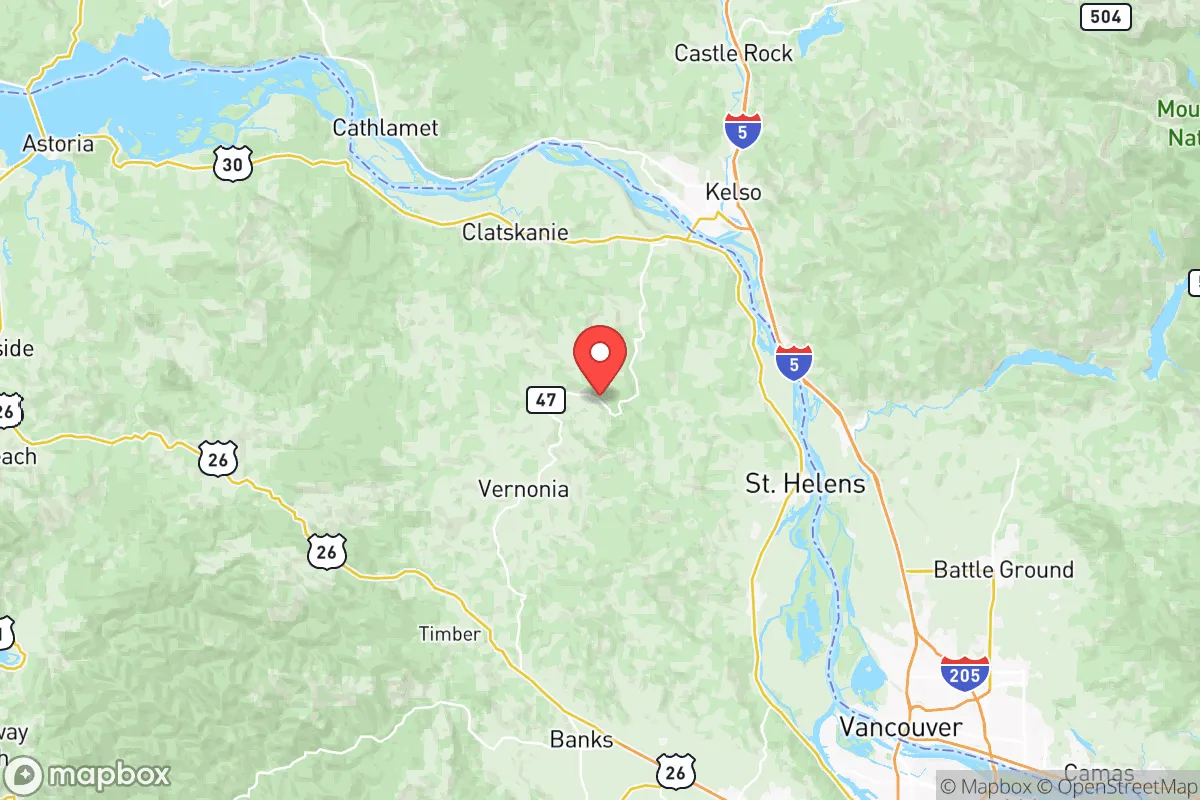
Columbia County, Oregon, offers a distinct quality-of-life spectrum that ranges from the walkable, historic river town of St. Helens to the deeply rural, forested pockets of Vernonia and the unincorporated communities along the Nehalem River. The county draws a mix of Portland-area commuters seeking more affordable housing, outdoor recreationists who value proximity to the Columbia River and Coast Range, and long-time residents who prefer a slower, self-sufficient lifestyle. With a cost-of-living index of 118 (18% above the national average) and a median home value of $390,600, the county presents a more attainable alternative to the Portland metro while still offering distinct trade-offs in amenities and commute times across its communities.
Largest town(s) & population centers
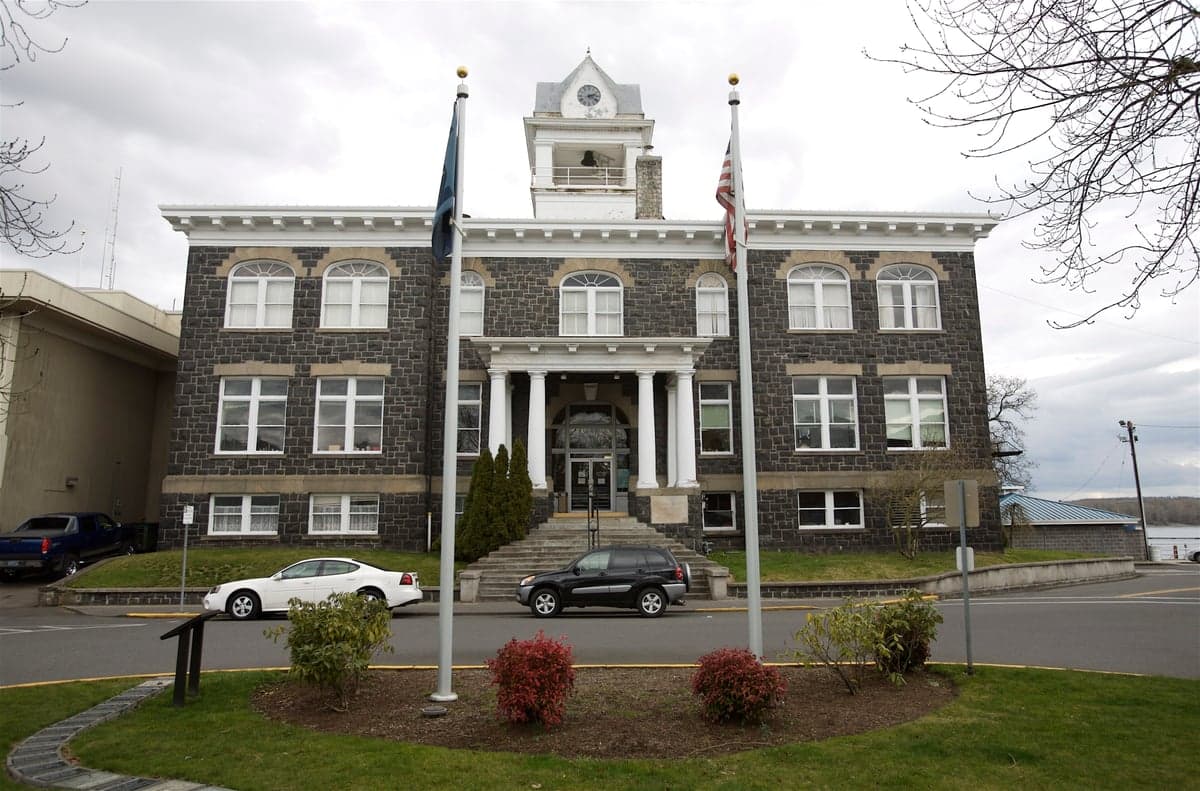
St. Helens, the county seat and largest city (population roughly 14,000), is the primary commercial and civic hub. Daily life here centers around a compact, walkable downtown along the Columbia River, with a historic courthouse, local restaurants, and the Columbia County Fairgrounds. The average commute of nearly 33 minutes reflects the fact that many residents drive to jobs in Portland (about 30 miles south) or to industrial employers along the river. Scappoose, the second-largest town (population around 7,500), feels more suburban and is growing rapidly, with newer housing developments, a major Fred Meyer shopping center, and the Scappoose Industrial Airpark. Both towns offer good public schools (St. Helens School District and Scappoose School District are both rated above state averages) and access to the Columbia River for boating and fishing, but lack the nightlife and cultural density of Portland.
Smaller towns & rural pockets
Vernonia, about 25 miles inland in the Coast Range, is a classic small timber town (population ~2,100) with a strong sense of community centered around the Vernonia Lake park and the annual Vernonia Friendship Jamboree. It offers a slower pace, lower home prices (often $50,000–$100,000 below the county median), and direct access to the Banks-Vernonia State Trail for hiking and biking. Rainier (population ~1,900) sits on the Columbia River near the Washington border and has a small downtown with a grocery store, library, and a few eateries, plus the massive Port of Columbia County industrial area. Clatskanie (population ~1,700) is further west, a quiet agricultural and logging community with a historic downtown and the Clatskanie River. Unincorporated areas like Mist, Birkenfeld, and Deer Island offer true rural living—often on acreage with well water and septic—but require longer drives to reach grocery stores, medical care, and schools.
Cost & lifestyle range
The cost spread across Columbia County is significant. At the higher end, Scappoose and newer subdivisions in St. Helens (like the Gable Creek area) see median home values approaching $450,000–$500,000, with rents averaging $1,221 countywide but often higher in these areas. These towns offer the best amenities—grocery chains, medical clinics, and the shortest commutes to Portland (under 30 minutes from Scappoose). At the lower end, Vernonia and Clatskanie have median home values around $280,000–$320,000, and rents can dip below $1,000 for older units. However, these areas lack major retail and healthcare; residents drive 20–40 minutes to St. Helens or Longview, WA for most services. The trade-off is clear: lower housing costs in exchange for longer drives, fewer job options, and more reliance on personal vehicles. Property taxes in Columbia County average about 1.1% of assessed value, slightly below the Oregon state average, but vary by school district and fire district.
This county works best for people who prioritize space, nature, and a lower cost of entry over urban convenience. Commuters who can tolerate the 30+ minute drive to Portland or the industrial jobs along the river find a solid middle ground. Retirees and remote workers are increasingly drawn to Vernonia and Clatskanie for the quiet and affordability. Families who value good schools and a small-town feel often settle in Scappoose or St. Helens. Those seeking nightlife, cultural diversity, or walkable urbanism will find Columbia County too quiet; but for anyone who wants a riverfront town, a forest retreat, or a working rural property within striking distance of a major city, the county offers a genuine range of livable options.

Crime in Columbia County
Crime rates similar to the national median for U.S. locations.
Violent CrimeViolent Crime Analysis
Property CrimeProperty Crime Analysis
Crime Analysis
Columbia County, Oregon, presents a mixed safety profile where property crime rates significantly exceed national averages while violent crime remains slightly below the U.S. norm. The county's 2024 violent crime rate of 309.1 per 100,000 residents sits 12% below the national average of 352 per 100K, but its property crime rate of 2,123.5 per 100,000 runs 18% higher than the U.S. figure of 1,800 per 100K. These numbers reflect a rural-suburban county of roughly 53,000 people, where crime patterns vary sharply between the small cities along the Columbia River and the more remote inland communities.
Crime in context
Compared to Oregon's statewide violent crime rate of 310 per 100K, Columbia County is essentially at parity, but the property crime picture is worse. The county's property crime rate is 15% above the Oregon average of 1,845 per 100K. St. Helens, the county seat and largest city (pop. ~14,000), accounts for a disproportionate share of reported incidents, particularly thefts from vehicles and residential burglaries. Scappoose, the second-largest city, sees lower overall crime but has experienced a rise in catalytic converter thefts and mail theft since 2022. Clatskanie and Rainier, smaller river towns, report fewer total incidents but face challenges with drug-related property crime tied to the regional methamphetamine and fentanyl trade. The county's proximity to Portland (roughly 30 miles from St. Helens) means some property crime is linked to transient populations moving along the Highway 30 corridor.
What residents experience
For daily life, the most common safety concern is property crime rather than violent confrontation. Residents in Vernonia, a timber community in the county's western hills, report lower crime rates than the river towns, but the isolation means slower emergency response times. Columbia County's District Attorney's Office, under progressive leadership in recent years, has pursued diversion programs and reduced sentencing for nonviolent property offenses, a policy that critics argue has contributed to repeat offending. The county's Circuit Court in St. Helens has seen a backlog of property crime cases, with many offenders receiving probation rather than jail time. This judicial approach, while intended to reduce incarceration, has frustrated victims who report stolen property rarely being recovered and perpetrators facing minimal consequences. The Columbia County Sheriff's Office has responded by increasing patrols in unincorporated areas and launching a property crime task force, but staffing shortages limit proactive enforcement.
Neighborhood-level variation
Safety varies considerably within the county. Scappoose's newer subdivisions near the high school and along Highway 30 experience the lowest violent crime rates, while older neighborhoods in St. Helens' downtown core and near the port see higher incidents of vandalism and theft. Rainier's riverfront area has periodic issues with transient camps and associated property crime, while Clatskanie's residential streets remain relatively quiet. The unincorporated areas between Deer Island and Goble report few violent crimes but suffer from rural property theft, including equipment and livestock theft. For families considering relocation, Scappoose's west side and Vernonia's newer developments offer the safest environments, while St. Helens' older neighborhoods near the courthouse and riverfront warrant closer inspection of block-level crime maps. The county's progressive judicial philosophy means property crime offenders face lower odds of incarceration than in neighboring Clatsop County or Washington County, a factor that directly impacts recidivism and public safety perceptions.
* Values derived from national, state, county, city and local statistics and may differ in a specific area. Last updated: 2026-05-22T10:28:56.000Z
Narrative content on this page is AI-generated and may contain mistakes. Verify any details that matter before acting on them.
ReloMaps may earn a commission from affiliate links at no extra cost to you.

