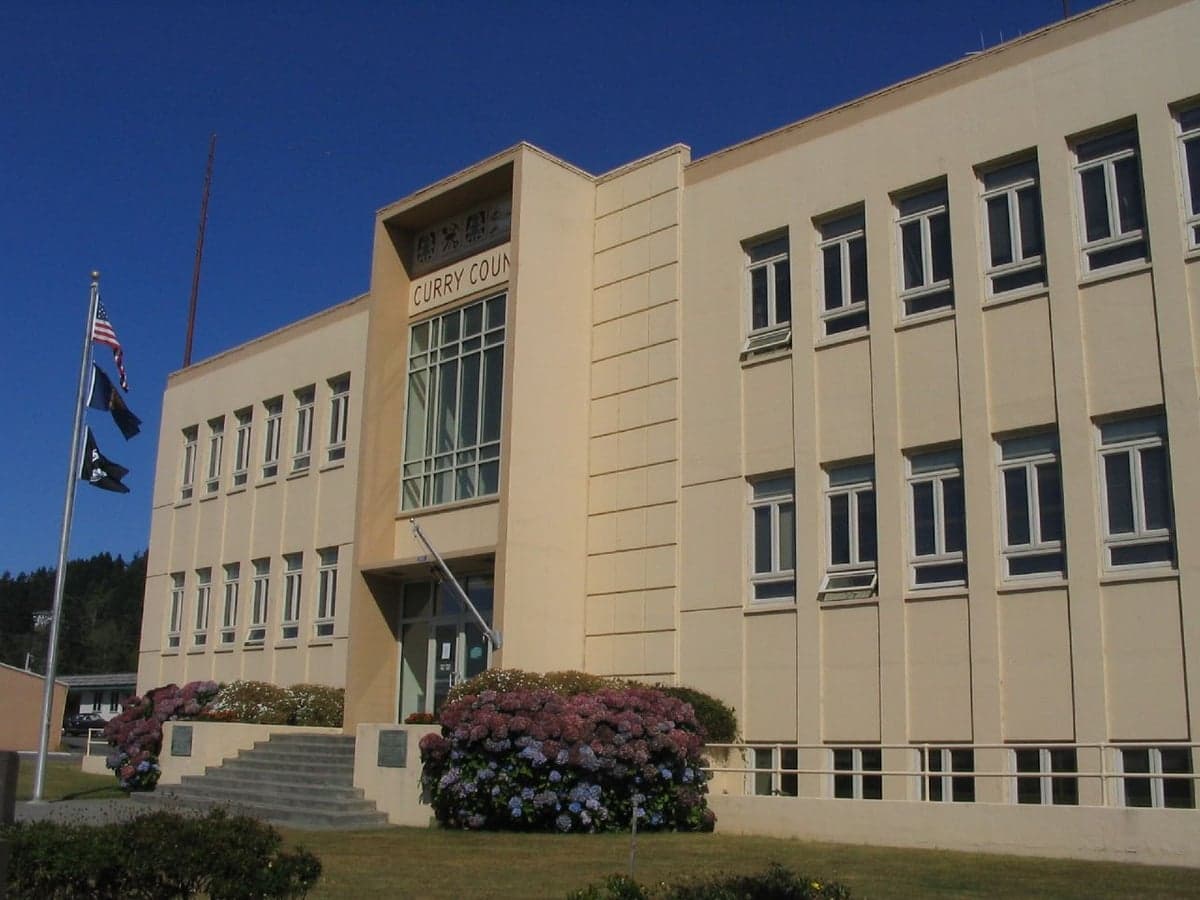
Photo: Wikipedia
Find The Best Places To Live in Curry County
PRO TIP! You can paste a Zillow or Redfin link to get info on that property.
Best Places to Live in Curry County
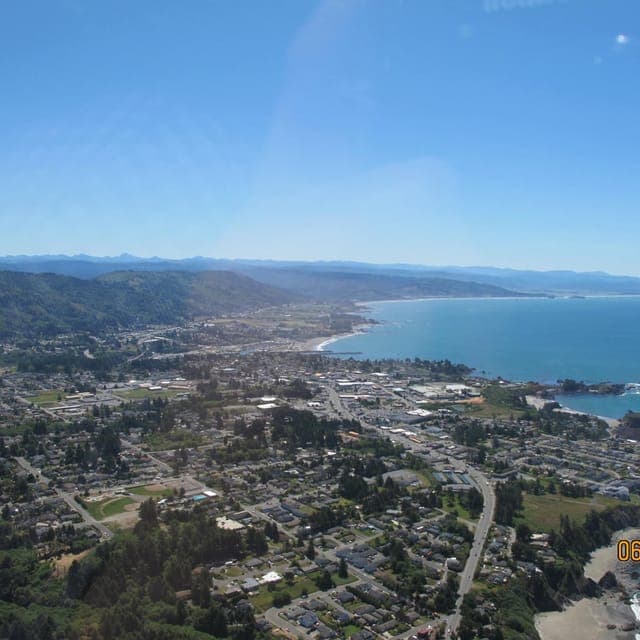
Cities & Towns in Curry County
Cities in Curry County
What It's Like Living in Curry County, OR
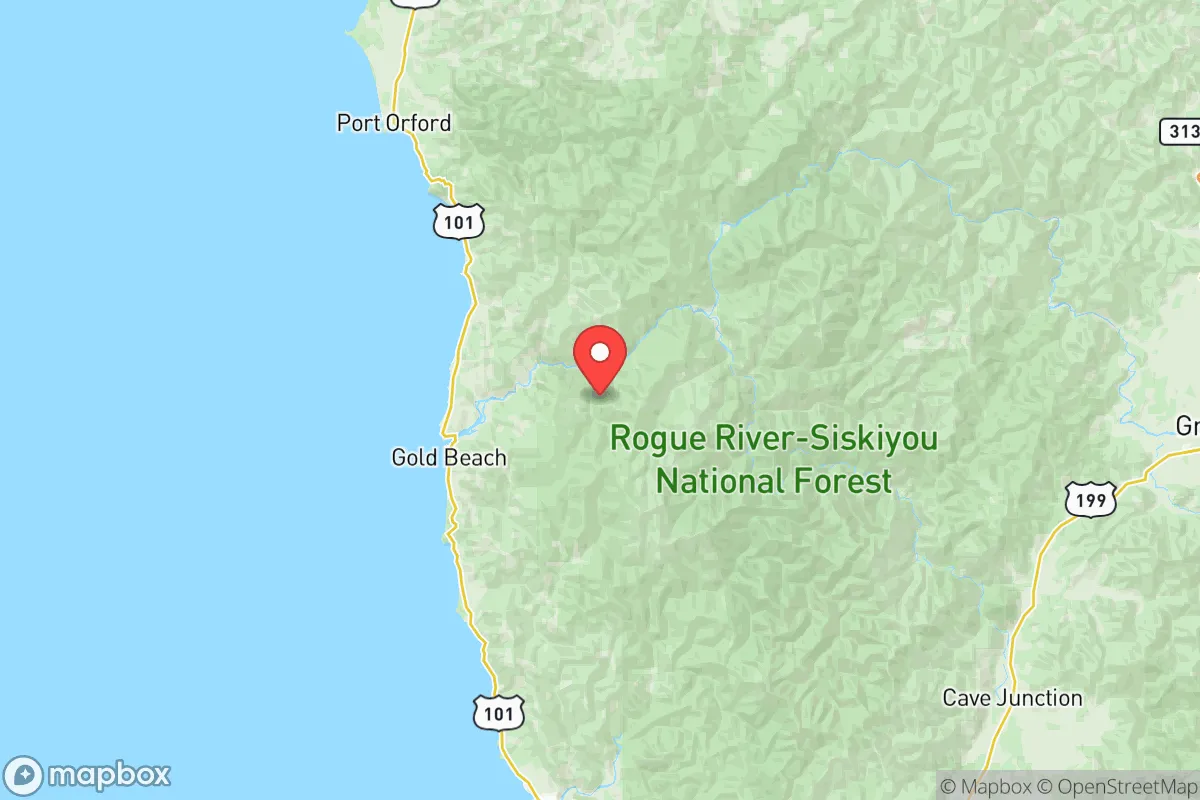
Curry County is Oregon’s far southwest corner, a place where the Klamath Mountains meet the Pacific in a tangle of rugged coastline and towering redwoods. Life here revolves around the weather, the river, and a stubbornly independent streak that feels more like rural Northern California than the Willamette Valley. With just over 23,000 residents spread across the county, you’re never far from solitude, but the small cities of Brookings, Gold Beach, and Port Orford each carry their own distinct flavor.
The Daily Rhythm: River, Ocean, and the Hunt for a Good Cup of Coffee
Daily life in Curry County is dictated by the tides and the salmon runs more than any office clock. In Gold Beach, the county seat, mornings often start with a stop at the local roastery before heading out to check the Rogue River’s conditions. Jet boat tours are the area’s signature attraction, and many locals work for the operators like Jerry’s Rogue Jets, shuttling tourists upriver through the wild and scenic section. In Brookings, the largest city, the pace is a bit quicker—there’s a Fred Meyer, a hospital, and enough chain restaurants to feel like a real town, but the real draw is the harbor, where commercial fishing boats unload their catch and the smell of salt and diesel hangs in the air.
Weekends are for the outdoors. Locals hike the Redwood Nature Trail just south of Brookings, fish for steelhead on the Elk River near Port Orford, or simply drive the scenic Highway 101, pulling over at overlooks to watch for whales. The weather is famously mild—winters are wet but rarely freezing, and summers are cool and foggy, with the sun often breaking through by afternoon. That fog is a double-edged sword: it keeps the forests lush but can make summer feel like it never quite arrives, a common complaint among transplants from sunnier states.
Who Fits In Here: Retirees, Remote Workers, and the Self-Reliant
With a median age of 57.2, Curry County is one of Oregon’s oldest communities. This is a place where people come to slow down, and the demographic skews heavily toward retirees and early retirees who’ve sold homes in pricier metros like Portland or Medford. The median home value sits at $366,700, which is affordable by West Coast standards but a stretch for local wages—the median household income is $64,769, and many service jobs pay far less. That gap is a real tension: newcomers with remote incomes can buy property, while longtime locals often struggle with housing costs.
The type of person who thrives here is self-sufficient. You need to be comfortable with a 19-minute average commute that can stretch to 45 minutes if you live in the rural stretches between towns, and you need to accept that the nearest Costco or major airport is a two-hour drive over the mountains to Grants Pass or Medford. But for those who value solitude, natural beauty, and a community where people still wave at each other on the highway, it’s a trade worth making. The college-educated share is just 24.2%, and the culture reflects that—this is a working-class, outdoorsy place where practical skills matter more than credentials.
Sports, Festivals, and the Social Calendar
There’s no pro sports team within 300 miles, so high school athletics carry the community’s competitive spirit. Brookings-Harbor High School football games on Friday nights are a genuine social event, drawing parents, alumni, and even childless locals who just want to watch the Bruins play. In Gold Beach, the Panthers’ basketball games pack the gym in winter, and the rivalry between the two towns is friendly but real—bragging rights matter when you’re this isolated.
Beyond sports, the social calendar revolves around festivals. Brookings hosts the Azalea Festival each spring, a tradition since 1939 that includes a parade, carnival, and the crowning of a festival queen. Gold Beach counters with the Curry County Fair in July, a classic small-town affair with livestock auctions, demolition derbies, and 4-H exhibits. For music and arts, the Chetco Pelican Players put on community theater productions in Brookings, and the Gold Beach Books store hosts author readings that punch above their weight for a town of 2,300. The bar scene is low-key: the Wild River Brewing Company in Brookings is the closest thing to a craft beer hub, while Port Orford’s dive bars cater to a grizzled fishing crowd.
The Honest Trade-Offs: What Locals Love and Loathe
The pros of living here are obvious to anyone who’s visited: unmatched natural beauty, a mild climate, and a pace of life that feels genuinely unhurried. The Rogue River is a world-class salmon and steelhead fishery, the redwoods are a short drive south into California, and the coastal trails are rarely crowded. But the cons are just as real. The violent crime rate is 312.8 per 100,000 residents—higher than the national average, driven largely by property crime and drug-related incidents in the more isolated stretches. Residents will tell you it’s not dangerous in a big-city sense, but car break-ins and theft from sheds are a nuisance, especially near trailheads and boat ramps.
Healthcare is another frustration. Curry General Hospital in Gold Beach handles emergencies, but specialists are scarce; a cardiologist visit means a drive to Grants Pass or Medford. The cost of living index sits at 112, above the national average, and groceries and gas run noticeably higher than inland because of shipping costs. And while the isolation is a draw for many, it can wear thin—the nearest Target is two hours away, and Amazon Prime delivery often takes an extra day or two. The cost of living index sits at 112, above the national average, and groceries and gas run noticeably higher than inland because of shipping costs. And while the isolation is a draw for many, it can wear thin—the nearest Target is two hours away, and Amazon Prime delivery often takes an extra day or two.
For the right person, though, Curry County isn’t a compromise—it’s the point. The people who stay are the ones who’ve learned to read the fog, respect the river, and find joy in a quiet Tuesday evening watching the sun set over the Pacific from a bench in Harris Beach State Park. If that sounds like you, you’ll fit right in.

* Values derived from national, state, county, city and local statistics and may differ in a specific area. Last updated: 2026-10-16T03:26:48.000Z
Narrative content on this page is AI-generated and may contain mistakes. Verify any details that matter before acting on them.
ReloMaps may earn a commission from affiliate links at no extra cost to you.

