Photo: Wikipedia
Find The Best Places To Live in Clackamas County
PRO TIP! You can paste a Zillow or Redfin link to get info on that property.
Best Places to Live in Clackamas County
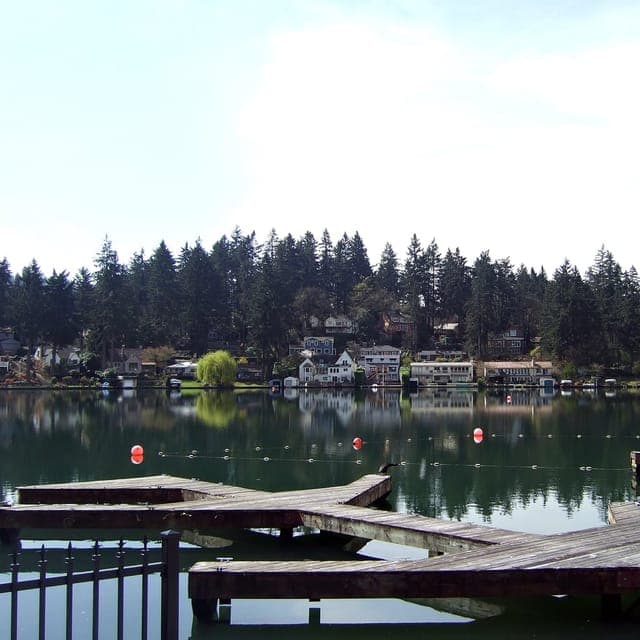
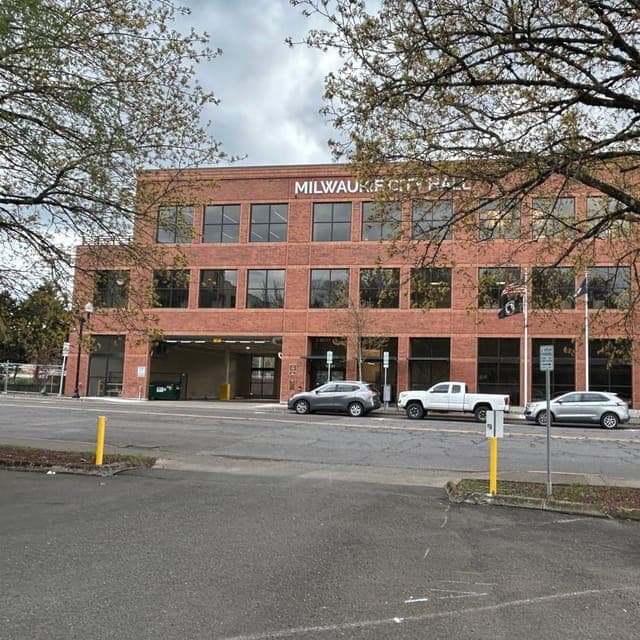
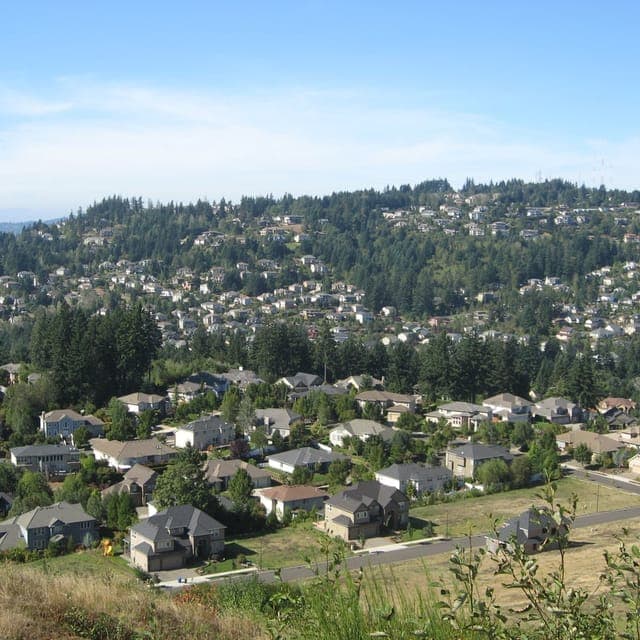
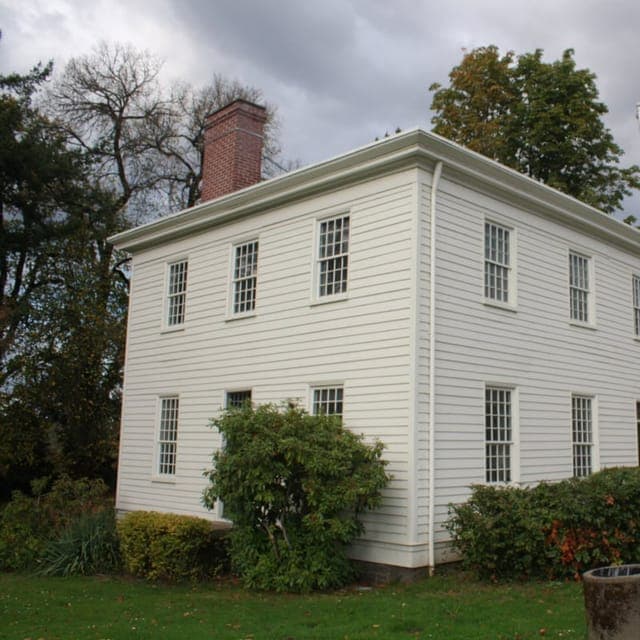
Cities & Towns in Clackamas County
Cities in Clackamas County
What It's Like Living in Clackamas County, OR
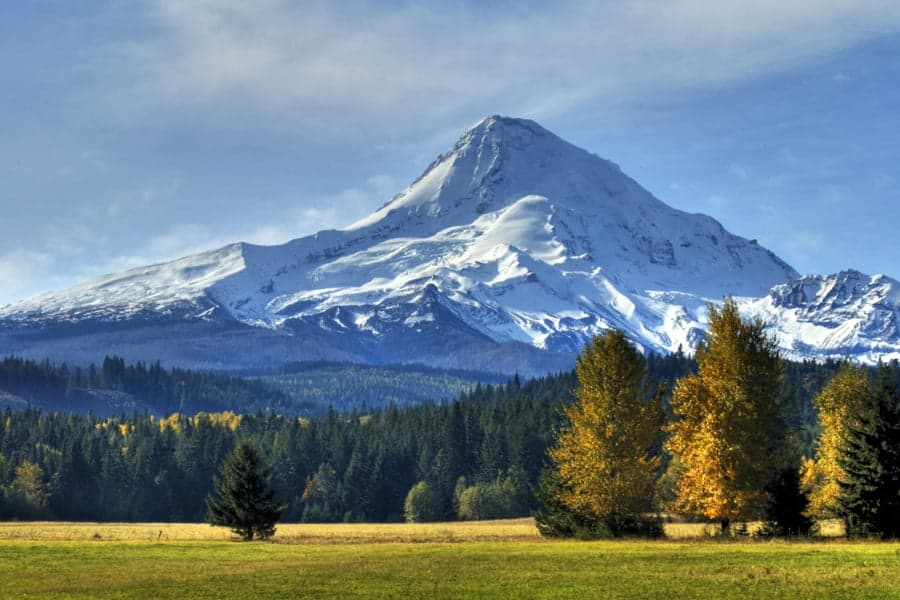
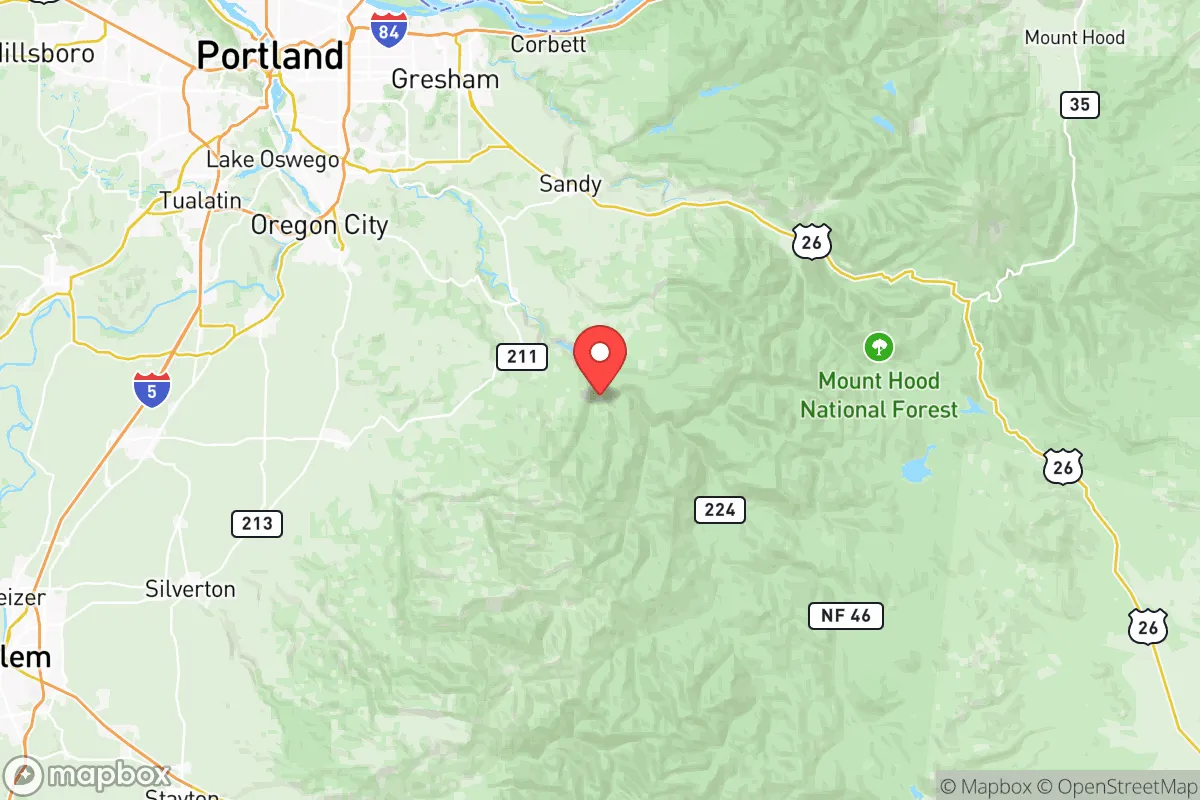
Clackamas County is the kind of place where you can live on a quiet rural road with a view of Mount Hood and still be twenty minutes from a Trader Joe’s. It’s Oregon’s third-most populous county, but it feels less like a single community and more like a collection of distinct towns—each with its own personality—stitched together by farmland, forest, and the Willamette River. For someone looking to escape Portland’s intensity without leaving the metro area entirely, Clackamas County offers a middle ground that’s hard to find elsewhere in the state.
Daily Rhythm: Where You Actually Spend Your Time
Most mornings in Clackamas County start with a commute that averages about 27 minutes—long enough to finish a podcast, short enough that you’re not dreading it. People who work in Portland often live in Oregon City or Milwaukie, trading a shorter drive for older housing stock and a more established downtown feel. Oregon City, the county seat, has a historic Main Street with a brewpub, a used bookstore, and a Saturday farmers market that runs from spring through fall. Milwaukie, just south of Portland, is smaller and quieter, with a riverfront park and a handful of solid restaurants like the Milwaukie Pizzeria that locals treat as a neighborhood staple.
For families, the school system is a major draw. The North Clackamas School District covers much of the county and is known for strong extracurricular programs—Clackamas High School football games on Friday nights draw real crowds, and the rivalry with Oregon City High School is the kind of thing that gets talked about at the grocery store. The median age here is 42.1, which means you’re surrounded by people in the same life stage: raising kids, buying homes, and looking for weekend activities that don’t require a plane ticket.
Sports, Outdoors, and the Weekend Vibe
Outdoor life is the default weekend plan. Mount Hood National Forest is a 45-minute drive from most parts of the county, and it’s where people go for hiking, fishing, and snowshoeing in winter. Closer to home, the Clackamas River is a popular spot for summer floating and steelhead fishing—you’ll see families with inner tubes and coolers parked at Barton Park on hot July afternoons. For a more organized outdoor experience, the Mt. Hood Territory recreation area offers trails and campgrounds that don’t require a full-day commitment.
Sports culture here is more about participation than spectating. The Portland Trail Blazers are the closest pro team, and you’ll find fans in every bar in Happy Valley on game nights, but there’s no major college or pro team actually in the county. High school sports fill that gap. The Clackamas Cavaliers football and basketball programs are well-supported, and the annual Clackamas County Fair in Canby is a genuine community event—livestock shows, carnival rides, and a demolition derby that draws people from all over the region.
For entertainment beyond the outdoors, Lake Oswego (technically in Clackamas County) has a small but active arts scene, including the Lakewood Center for the Arts and a summer concert series at George Rogers Park. But most people drive into Portland for big concerts or nightlife—it’s a 20-minute trip from Oregon City, and the trade-off is that your own neighborhood stays quiet.
Pros and Cons of Living Here
What longtime residents love: The space. Even in the more suburban parts of the county, you’re never far from a farm stand, a forest trail, or a view of the Cascade Range. The median household income of $100,360 is high enough that most families can afford a decent home—though the median home value of $577,900 means you’ll need a solid down payment. The cost of living index sits at 169 (well above the national average of 100), but that’s driven almost entirely by housing; groceries and utilities are closer to normal. People also appreciate the political balance. Clackamas County leans more conservative than Multnomah County to the north, and you’ll see Trump signs and Biden signs in the same rural stretch. It’s not a place where politics dominates daily conversation.
What frustrates people: The traffic on I-205 and Highway 99E can be genuinely bad during commute hours, especially around the Clackamas Town Center mall area. The violent crime rate of 306.9 per 100,000 is lower than Portland’s but higher than many other Oregon counties—property crime is the bigger headache, with car break-ins and package thefts common in denser neighborhoods. Some residents also feel the county lacks a true cultural hub; there’s no single downtown that draws everyone, so you end up driving to different towns for different errands. And the weather—gray and drizzly from October through May—wears on people who aren’t used to it. The summers, though, are spectacular: dry, warm, and sunny well into September.
For the right person—someone who wants good schools, outdoor access, and a slower pace than Portland—Clackamas County delivers. It’s not flashy, and it’s not cheap, but it’s a place where you can actually build a life without feeling like you’re constantly fighting the city.

* Values derived from national, state, county, city and local statistics and may differ in a specific area. Last updated: 2026-05-12T14:40:46.000Z
Narrative content on this page is AI-generated and may contain mistakes. Verify any details that matter before acting on them.
ReloMaps may earn a commission from affiliate links at no extra cost to you.

