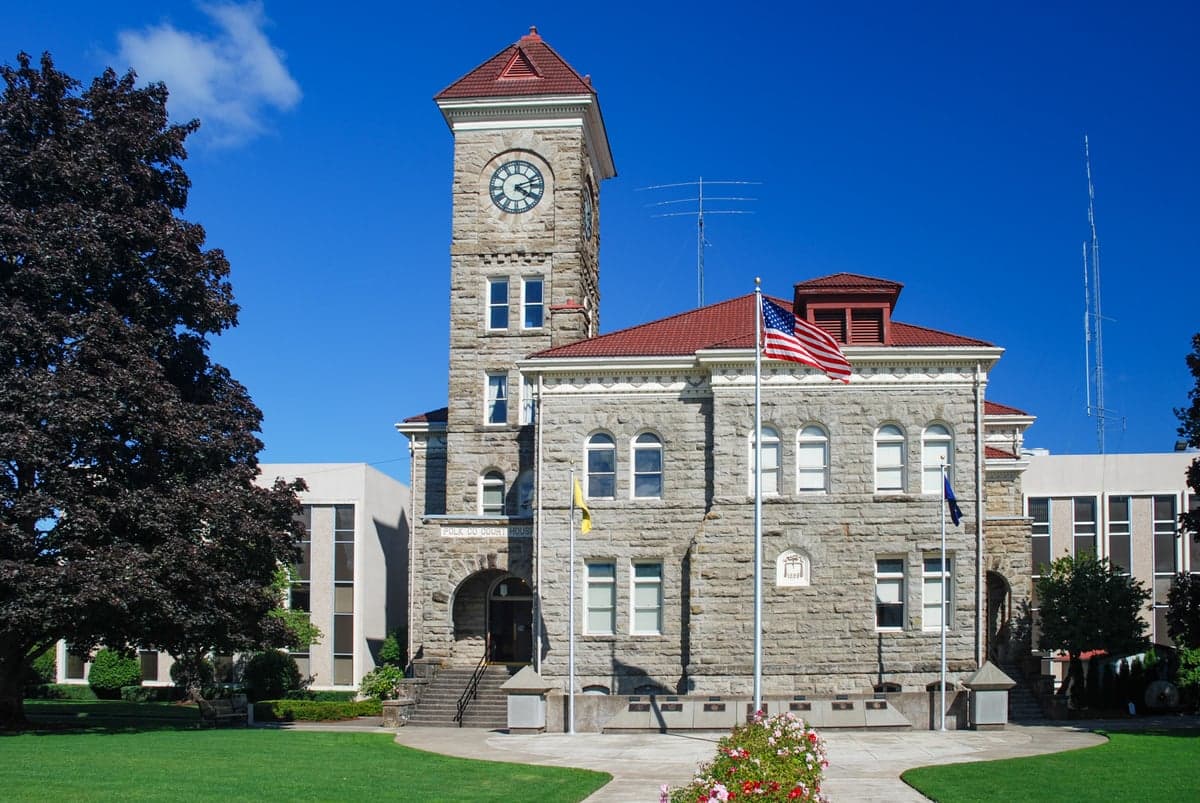
Photo: Wikipedia
Strategic Assessment of Polk County
Workable tactical position. Some exposure to population density or targets, but generally defensible in a crisis.
What does the Strategic Assessment tell us?
Our Strategic Assessment grades tactical survivability of an area. Major population centers, military targets, fallout zones, natural disasters, and border exposure all drive risk — lower exposure means a more defensible position in a crisis.
This is heavily inspired by Joel Skousen's Strategic Relocation book. Highly recommended you checkout the book ($)What does this tell us?
Our Strategic Assessment grades tactical survivability of an area. Major population centers, military targets, fallout zones, natural disasters, and border exposure all drive risk — lower exposure means a more defensible position in a crisis.
This is heavily inspired by Joel Skousen's Strategic Relocation book. Highly recommended you checkout the book ($)Strategic Pillars

Key Distances
Strategic Assessment Analysis
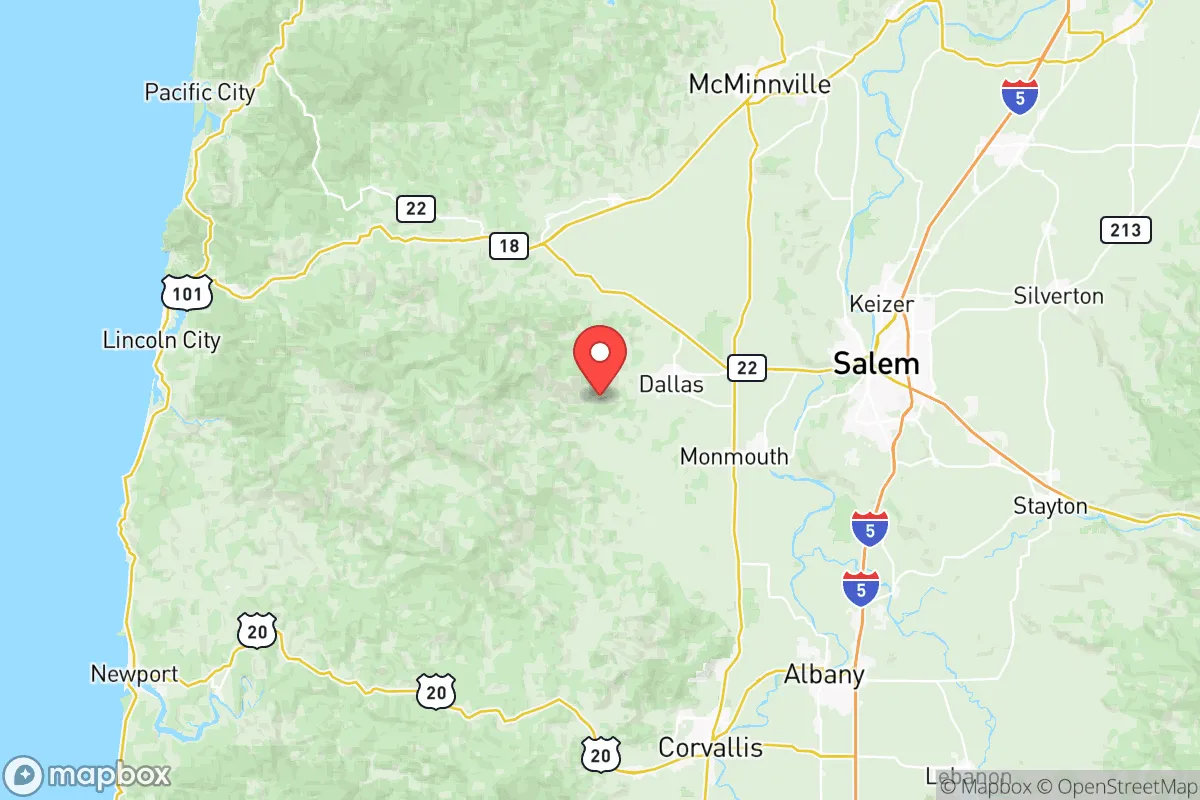
Polk County, Oregon, offers a strategic balance of isolation and accessibility that appeals to those prioritizing resilience in an uncertain future. Nestled in the Willamette Valley, it sits roughly 15 miles southwest of Salem and 50 miles southwest of Portland, placing it close enough to urban centers for supply runs but far enough to avoid the immediate chaos of a major collapse. The county’s population of around 90,000 is spread across small towns like Dallas, Monmouth, and Independence, with no single city dominating the landscape—a key advantage for those seeking low-density living. Its agricultural base, temperate climate, and position away from major fault lines and industrial targets make it a viable relocation option for a strategic relocation, especially for conservative-minded individuals and families who value self-sufficiency and community cohesion.
Geographic position and natural advantages for long-term stability
Polk County’s geography is its strongest asset for a prepper or survivalist mindset. The county sits in the Willamette Valley, a fertile region with abundant rainfall—averaging 40-50 inches annually—which supports year-round agriculture without reliance on irrigation. The Coast Range to the west provides a natural buffer against Pacific storms and potential tsunami threats, while the Cascade Range to the east offers a secondary barrier and access to high-altitude retreats if needed. The county’s rivers, including the Willamette River and its tributaries like the Luckiamute and Rickreall creeks, provide reliable water sources for drinking, irrigation, and off-grid living. Unlike the arid eastern half of Oregon, Polk County’s water security is a major plus in a scenario where municipal systems fail. The terrain is mostly rolling hills and flat valleys, making it defensible without being impassable—ideal for establishing a homestead or small community. The nearby Siuslaw National Forest and Tillamook State Forest offer timber, game, and additional resources, but they’re far enough from the county’s population centers to avoid drawing unwanted attention.
Risks, exposures, and proximity to fallout-relevant landmarks
No location is perfect, and Polk County has its share of vulnerabilities. The biggest risk is its proximity to Portland and Salem—both are potential targets for civil unrest, mass casualty events, or infrastructure attacks. Portland, 50 miles northeast, is a major port and economic hub, but its history of protests and riots in recent years highlight its instability. Salem, the state capital, is closer and could become a focal point for political chaos or federal intervention. The county is also within 100 miles of the Portland International Airport and the Port of Portland, both of which could be targets in a conflict scenario. On the industrial side, there are no major refineries or nuclear plants in Polk County itself, but the nearby Willamette Valley has several chemical plants and food processing facilities that could become hazards if disrupted. The closest military installation is Camp Rilea, about 80 miles northwest near the coast, but it’s a training facility, not a major base. The real concern is fallout from a Cascadia Subduction Zone earthquake—while Polk County is inland enough to avoid the worst tsunami effects, a direct hit, the shaking could damage infrastructure, and the resulting chaos in Portland and Salem could spill over. The county’s bridges over the Willamette River, like the one in Independence, are chokepoints that could become impassable in a crisis.
Practical resilience for a relocator: food, water, energy, and defensibility
For a family or individual looking to hunker down, Polk County offers solid fundamentals. Food security is strong: the county is a top producer of grass seed, hazelnuts, and berries, and small farms are common. The Dallas and Monmouth farmers’ markets provide local produce, and the area’s mild climate allows for extended growing seasons. Water is abundant from rivers and wells, but note that groundwater in some areas has nitrate issues from agricultural runoff—test before drilling. Energy is a mixed bag: the grid is tied to the Pacific Northwest’s hydroelectric system, which is vulnerable to earthquake damage, but solar potential is decent (about 4-5 peak sun hours per day), and wood heating is viable given the nearby forests. Defensibility is moderate—the county’s small towns are spread out, making it hard for large groups to control, but the open farmland offers little cover. The best bet is to buy property in the hills west of Dallas or near the Luckiamute River, where terrain provides natural barriers. The local population is largely conservative and rural, with a strong sense of community—check out the Polk County Preparedness Group or local church networks for like-minded folks. The downside is that the county’s economy relies on agriculture and education (Western Oregon University in Monmouth), which could collapse in a prolonged crisis. Stockpiling supplies is essential, as the nearest major hospital is in Salem, and the county’s own hospitals (Dallas and Willamette Valley Medical Center) are small and could be overwhelmed.
The overall strategic picture for Polk County is one of cautious optimism for a relocator with a prepper mindset. It’s not a fortress—it’s a working agricultural region with real vulnerabilities to earthquake, urban spillover, and infrastructure failure. But for those willing to put in the work—buying land with water access, building a resilient home, and integrating into the local community—it offers a viable base for long-term survival. The key is to avoid the trap of complacency: the county’s quiet exterior masks risks that require active preparation. If you’re looking for a place that balances isolation with access, and where conservative values still hold sway, Polk County deserves a serious look. Just don’t expect it to stay quiet forever—plan accordingly.

* Values derived from national, state, county, city and local statistics and may differ in a specific area. Last updated: 2026-05-18T02:41:34.000Z
Narrative content on this page is AI-generated and may contain mistakes. Verify any details that matter before acting on them.
ReloMaps may earn a commission from affiliate links at no extra cost to you.

