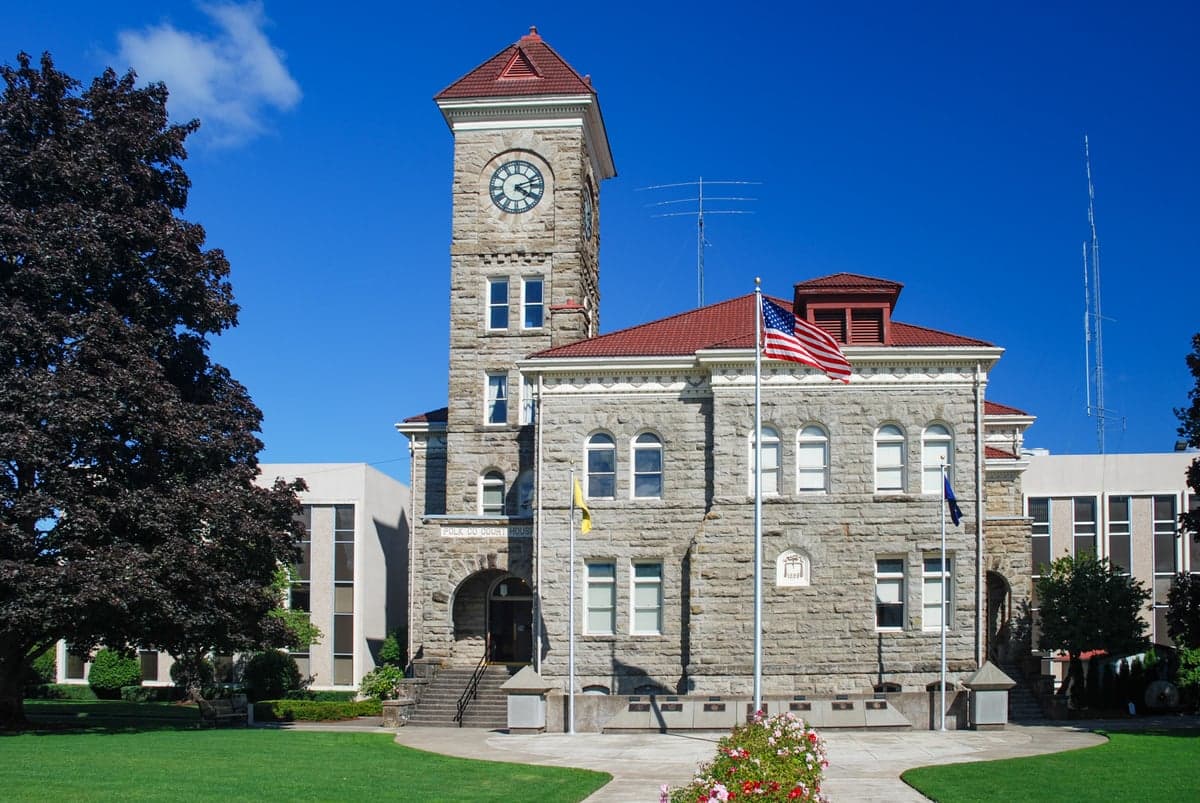
Photo: Wikipedia
Quality of Life in Polk County
A livable area that tracks near national norms for affordability, walkability, and neighborhood health.
What does Quality of Life tell us?
Quality of Life measures an area by evaluating factors like cost of living, nearby amenities, country club access, airport proximity, socioeconomic signals and neighborhood character. For large states, this is a general average — quality of life can vary dramatically between metro areas, suburbs, and rural communities within the same state.
What does this tell us?
Quality of Life measures an area by evaluating factors like cost of living, nearby amenities, country club access, airport proximity, socioeconomic signals and neighborhood character. For large states, this is a general average — quality of life can vary dramatically between metro areas, suburbs, and rural communities within the same state.
Cost of Living
25% above national average
68%
The Real Cost of Living in Polk County for 2026
| Tier | Individual | Family (4) |
|---|---|---|
| Survival | $20k | $38k |
| Comfortable | $82k | $120k |
| Luxury | $137k+ | $213k+ |
| Elite (Top 5%) | $162k+ | $251k+ |
Quality-of-Life Analysis
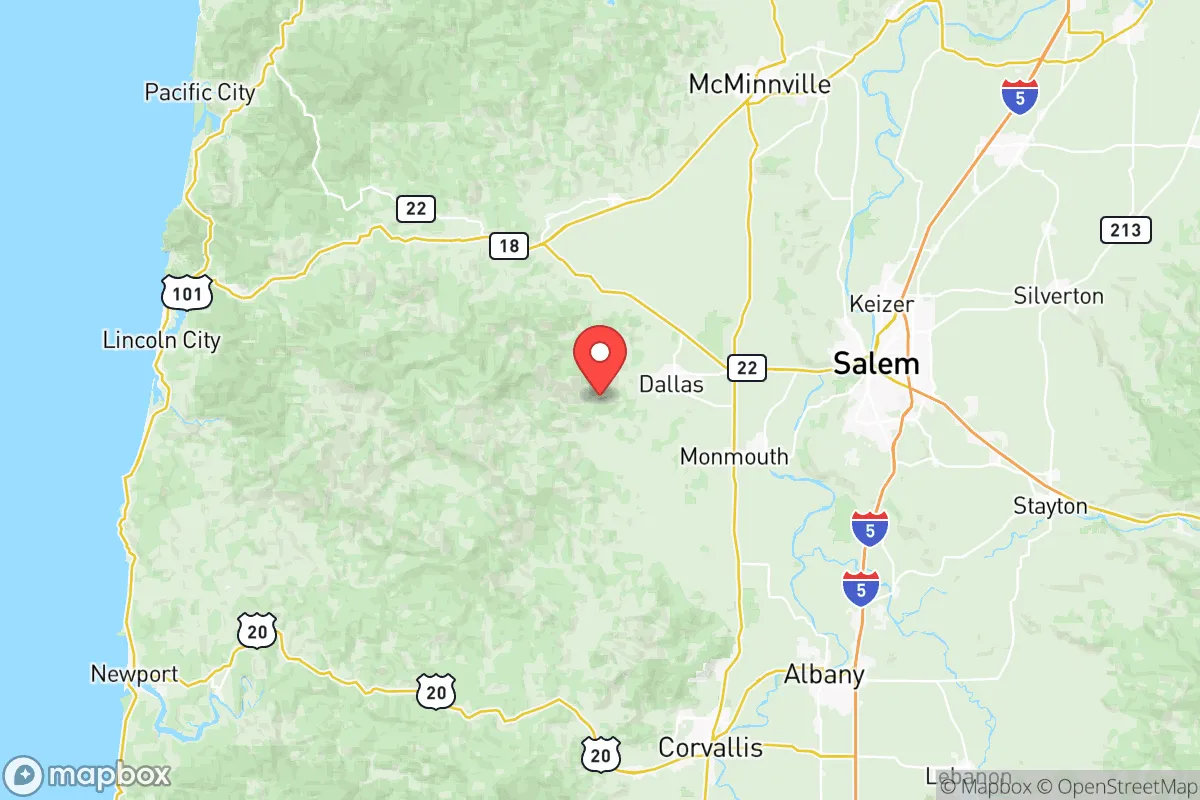
Polk County, Oregon, offers a broad spectrum of living environments, from the walkable, historic college town of Monmouth to the agricultural crossroads of Dallas and the deeply rural, forested pockets near Falls City and the Siletz River. The county’s character is defined by this contrast: it attracts families and professionals seeking the amenities and community feel of a small city, alongside homesteaders, farmers, and outdoor enthusiasts drawn to its working landscapes and quiet, unincorporated valleys. With a cost of living index of 125 (25% above the national average) and a median home value of $419,500, the county provides a more affordable entry point to the Willamette Valley than neighboring Marion or Yamhill counties, though the trade-off is a longer average commute of 26.3 minutes for those working in Salem or Portland.
Largest town(s) & population centers
The county’s primary population centers are Dallas (the county seat, pop. ~17,000) and Monmouth (pop. ~11,000). Dallas functions as the commercial and governmental hub, with a historic downtown square, a Walmart Supercenter, and a growing number of chain restaurants and medical offices. Daily life here is car-dependent but convenient, with most errands contained within a 10-minute drive. Monmouth, home to Western Oregon University, has a distinctly younger, more pedestrian-friendly character. Its compact downtown features local coffee shops, a brewpub, and a strong sense of civic life centered around the university and Main Street Park. Both towns offer solid public schools (Dallas School District and Central School District, respectively) and a range of housing from older Craftsman bungalows to new subdivisions. The median rent of $1,270 is attainable for many renters, though competition for single-family rentals is high.
Smaller towns & rural pockets
Beyond the two main towns, Polk County contains several distinct smaller communities. Falls City (pop. ~1,000), nestled in the Coast Range foothills, is a former mill town with a rugged, off-the-grid character; it offers very low property prices but limited services and a 30-minute drive to Dallas for groceries. Independence (pop. ~9,500), directly across the Willamette River from Monmouth, is a quieter, more agricultural town with a growing riverfront park system and a strong sense of older, more affordable housing stock. Unincorporated areas like Rickreall and Buena Vista are essentially crossroads with a handful of homes, farms, and a general store, offering true rural living with no municipal services. The Willamette River corridor south of Independence is dotted with small farms, nurseries, and river-access properties that appeal to hobby farmers and equestrians.
Cost & lifestyle range
The cost of living and lifestyle options vary dramatically across the county. At the higher end, newer subdivisions in west Dallas and north Monmouth feature homes in the $450,000–$550,000 range, with homeowners paying a premium for proximity to schools and shopping. At the lower end, Falls City and rural areas near the Polk-Benton county line offer fixer-upper homes and raw land for under $300,000, though buyers must factor in well/septic maintenance and longer commutes. The median home value of $419,500 is roughly $100,000 below the Portland metro median, making Polk County a popular choice for remote workers and families priced out of Salem or Corvallis. Renters find the most affordable options in Independence and older sections of Dallas, where two-bedroom apartments can be found for $1,000–$1,200. The trade-off for lower housing costs is limited entertainment and dining options; residents typically drive to Salem (20–30 minutes) for major shopping, healthcare, and nightlife.
Polk County is best suited for those who value a slower pace, access to outdoor recreation (fishing on the Willamette, hiking in the Coast Range), and a genuine small-town or rural community feel. It works well for remote workers, commuters to Salem or Corvallis, and families who want good schools without the high prices of the Portland suburbs. Those seeking urban amenities, diverse dining, or a robust job market will find the county too quiet and will need to budget for regular trips to the larger cities.

Crime in Polk County
Crime rates similar to the national median for U.S. locations.
Violent CrimeViolent Crime Analysis
Property CrimeProperty Crime Analysis
Crime Analysis
Polk County, Oregon, presents a mixed safety profile for potential residents. With a violent crime rate of 309.1 per 100,000 residents and a property crime rate of 2,123.5 per 100,000, the county sits above the national average for property offenses but below the national violent crime average. The county's safety picture is heavily influenced by its proximity to the liberal-leaning Willamette Valley corridor, where progressive judicial policies in nearby Multnomah County (Portland) have been linked to rising recidivism and softer sentencing, a trend that residents in Polk County towns like Dallas and Monmouth are increasingly concerned about.
Crime in context
Polk County's violent crime rate of 309.1 per 100,000 is notably lower than the Oregon state average of roughly 400 per 100,000 and the national average of about 380 per 100,000. However, the property crime rate of 2,123.5 per 100,000 is significantly higher than both the state average (approximately 1,800 per 100,000) and the national average (around 1,950 per 100,000). This disparity is partly attributed to the county's location along the I-5 corridor, which facilitates property crime mobility from larger, more progressive jurisdictions. The Polk County District Attorney's office, which operates out of the county seat in Dallas, has taken a more conservative approach to prosecution compared to neighboring Marion County (Salem) and Multnomah County, but the influence of statewide progressive criminal justice reforms—such as Measure 110 (drug decriminalization) and reduced sentencing guidelines—has strained local law enforcement resources. Residents in Independence and Falls City have reported increased theft and burglary incidents linked to individuals traveling from areas with weaker enforcement.
What residents experience
For those living in Polk County, the most tangible safety concern is property crime. Vehicle break-ins, package theft, and residential burglaries are the most common offenses, particularly in the more populated areas of Dallas and Monmouth, home to Western Oregon University. The university's presence brings a transient population that can contribute to opportunistic crime. Violent crime, while less frequent, is concentrated in specific areas: Dallas has seen isolated incidents of assault and domestic violence, while Independence has experienced occasional gang-related activity. The county's rural character means that response times can be longer in outlying areas like Falls City and the unincorporated communities of Rickreall and Buena Vista. The progressive policies emanating from the state capital in Salem—just across the Willamette River—have led to a revolving-door justice system that many residents feel prioritizes offender rehabilitation over public safety, leaving victims of property crime with little recourse as repeat offenders are frequently released without meaningful consequences.
Neighborhood-level variation
Safety in Polk County varies significantly by location. The most secure areas tend to be the smaller, more conservative communities like Falls City and the rural outskirts of Dallas, where neighborhood watch programs are active and residents know each other. In contrast, the Monmouth-Independence corridor, particularly near the university, sees higher rates of theft and vandalism. The city of Dallas itself has a mixed reputation: the historic downtown core is generally safe during the day, but the outlying commercial strips along Highway 22 experience more property crime. For families and retirees seeking a lower-crime environment, the unincorporated areas west of Dallas toward the Coast Range foothills offer the best safety profile, though they come with longer commutes and fewer services. Prospective residents should also be aware that the county's proximity to Salem means that individuals released under progressive pretrial reforms often relocate to Polk County, increasing the risk of property crime in neighborhoods near major transit routes.
* Values derived from national, state, county, city and local statistics and may differ in a specific area. Last updated: 2026-05-18T02:41:34.000Z
Narrative content on this page is AI-generated and may contain mistakes. Verify any details that matter before acting on them.
ReloMaps may earn a commission from affiliate links at no extra cost to you.

