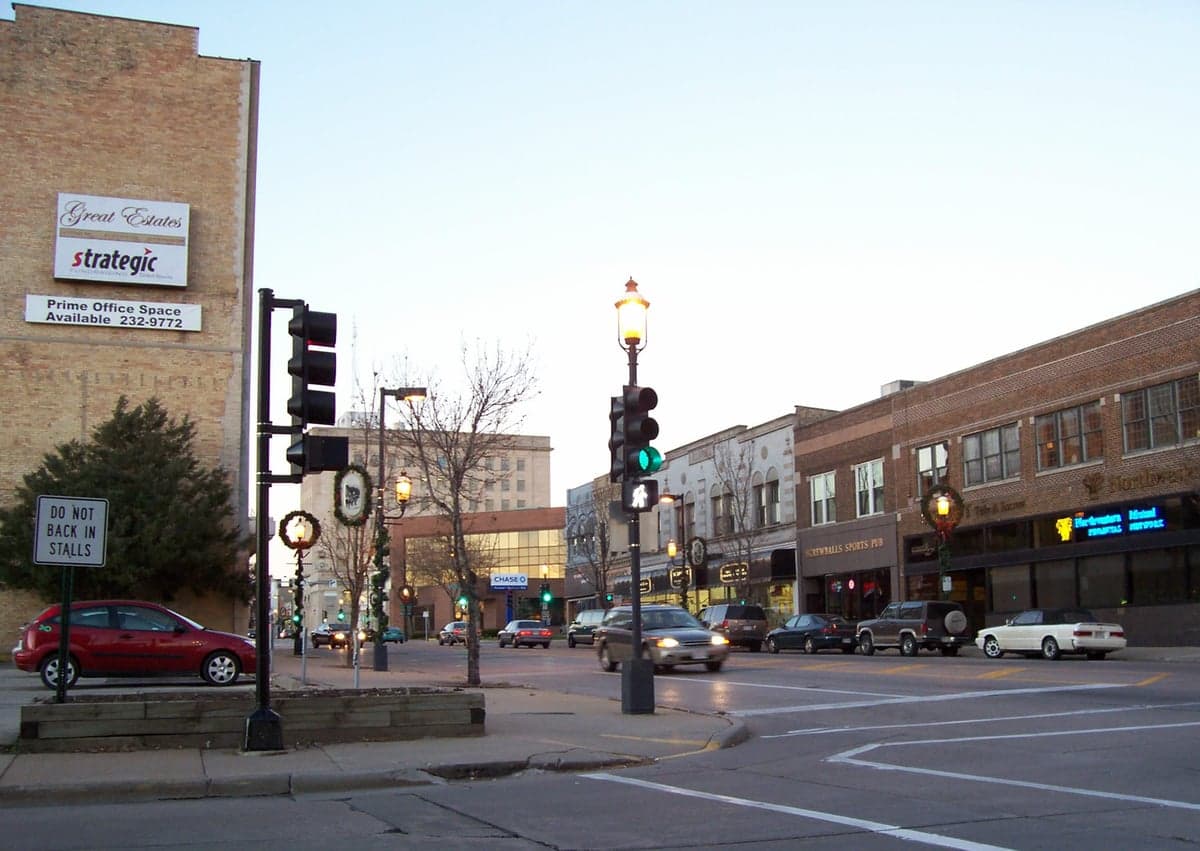
Photo: Wikipedia
Quality of Life in Oshkosh, WI
A high quality of life with strong walkability, manageable living costs, healthy neighborhood signals, and solid amenity access.
What does Quality of Life tell us?
Quality of Life blends cost of living, nearby amenities, socioeconomic signals, and neighborhood character. City-level scores represent the whole municipality; individual neighborhoods can differ.
What does this tell us?
Quality of Life blends cost of living, nearby amenities, socioeconomic signals, and neighborhood character. City-level scores represent the whole municipality; individual neighborhoods can differ.
Cost of Living
29% below national average
The Real Cost of Living in Oshkosh, WI for 2026
| Tier | Individual | Family (4) |
|---|---|---|
| Survival | $14k | $27k |
| Comfortable | $33k | $48k |
| Luxury | $95k+ | $147k+ |
| Elite (Top 5%) | $111k+ | $173k+ |
129%
The Area Signal
A metric tracking the socioeconomic signals of the area.
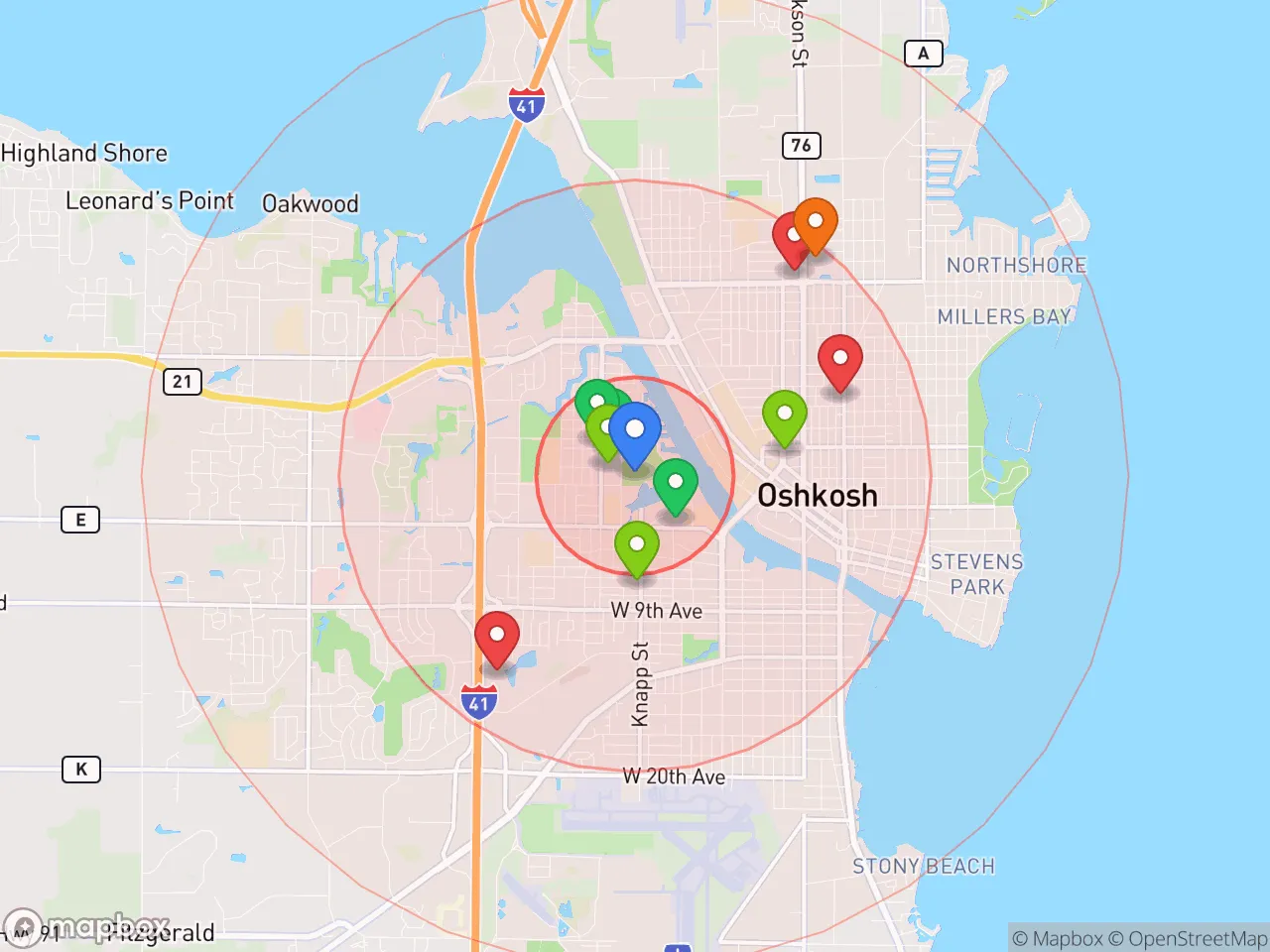
Hobbies
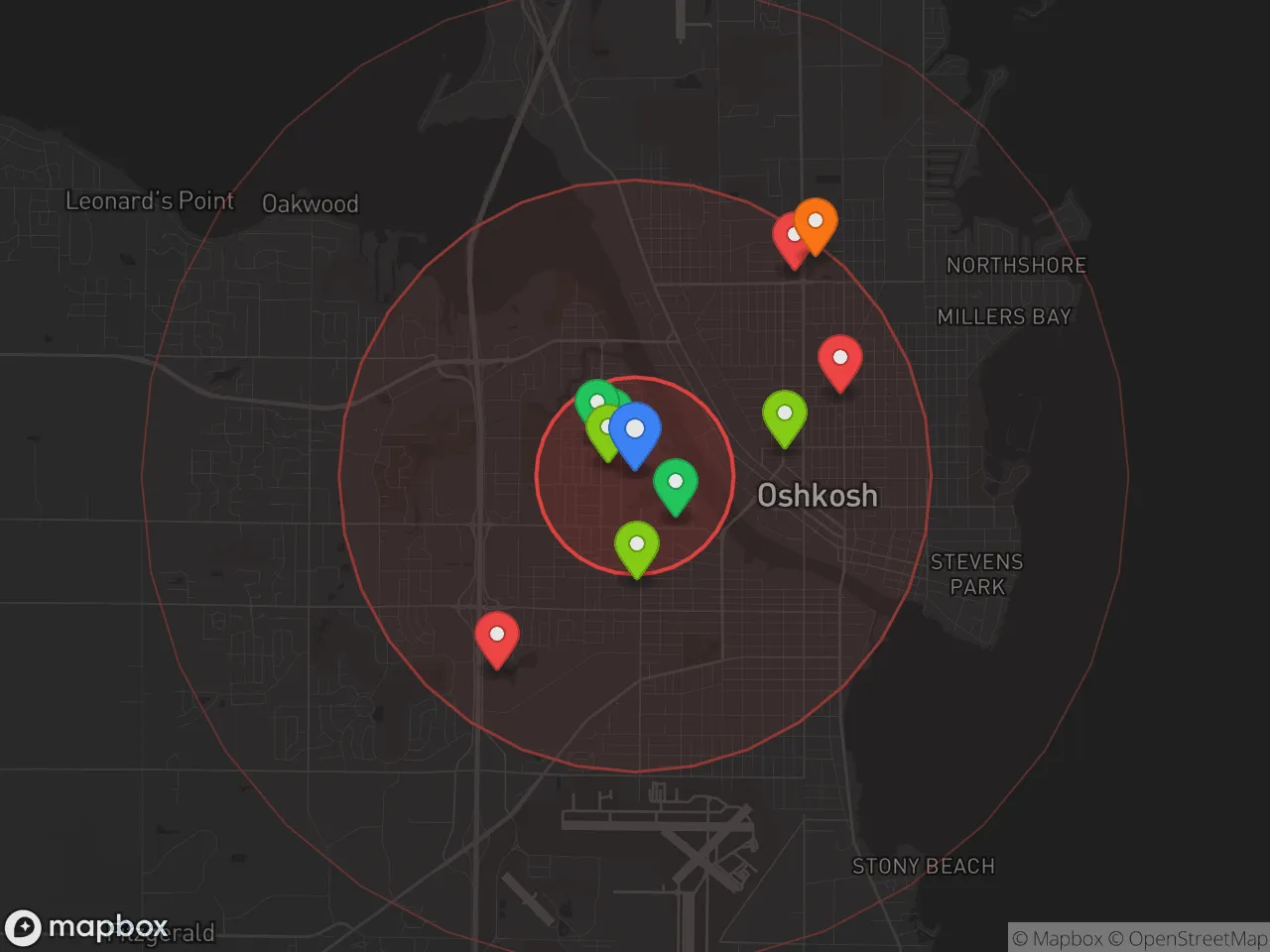
Explore the areaGroceries
5 within 10 miles
Gas
20 within 10 miles
Hospital
11 within 20 miles
Airport
ORD — O'Hare International
Post Office
USPS — Oshkosh, WI
Critical Amenities
Quality-of-Life Analysis
Oshkosh offers a notably affordable quality of life in a classic Midwestern setting, with a cost of living index of 71—well below the national average of 100—making it a practical choice for families, retirees, and young professionals seeking financial breathing room. The city's population skews toward a mix of long-term residents, University of Wisconsin-Oshkosh students, and workers in manufacturing, healthcare, and education, creating a stable, community-oriented atmosphere rather than a transient or high-growth boomtown. Median household incomes hover around the state average, but the low housing costs mean residents often have more disposable income relative to peers in pricier metros like Madison or Milwaukee.
How housing costs and affordability compare to nearby cities
Housing in Oshkosh is a standout advantage: the median home value sits at $168,400, roughly half the national median, while median rent is just $908 per month. This places Oshkosh well below Appleton (median home ~$210,000) and significantly under Green Bay (~$195,000), making it one of the most affordable housing markets in the Fox Valley region. The average commute of just over 17 minutes further reduces living costs, as residents spend less on gas and vehicle wear than the national average of 26 minutes. Property taxes in Winnebago County are moderate for Wisconsin, though buyers should note that older homes—common in Oshkosh’s historic districts—may require additional maintenance investment. For renters, the $908 median is accessible even for entry-level workers, though availability can tighten near the university during the academic year.
What daily life is like for families and professionals
Daily life in Oshkosh revolves around a compact, walkable downtown along the Fox River, anchored by the Oshkosh Public Museum and the Grand Opera House. The Oshkosh Area School District serves most families, with several elementary schools rated above state averages on standardized tests, though high school options include both public Oshkosh North and West and private Lourdes Academy. For recreation, Menominee Park offers a beach on Lake Winnebago, and the Wiouwash State Trail provides paved paths for biking and running. The city’s rhythm is noticeably slower than larger metros—restaurants and shops downtown close earlier, and nightlife centers on a handful of breweries and bars near the university. Major employers like Oshkosh Corporation (defense vehicles), Mercyhealth Hospital, and the university anchor the job market, reducing the need for long commutes. Cultural highlights include the annual EAA AirVenture fly-in, which temporarily doubles the city’s population each July, and the Waterfest concert series on the riverfront.
Oshkosh is best suited for those who prioritize low cost of living and a steady, family-oriented pace over urban excitement or career mobility in specialized fields. Retirees on fixed incomes will find the housing and healthcare costs manageable, while remote workers can leverage the low COL index to stretch salaries further. Professionals in manufacturing, healthcare, or education will find the strongest local job alignment, though those in tech or finance may need to commute to Appleton or work remotely. The city’s affordability and short commute make it a strong fit for anyone seeking a quiet, financially sustainable base in the Great Lakes region.

Crime in Oshkosh, WI
Generally safer than 70% of comparable U.S. locations.
Violent CrimeViolent Crime Analysis
Property CrimeProperty Crime Analysis
Crime Analysis
Oshkosh, Wisconsin, reports a violent crime rate of 252.5 incidents per 100,000 residents and a property crime rate of 1,264 per 100,000, placing it above national averages for both categories. While not among the most dangerous cities in the state, these figures signal a community where residents should remain vigilant, particularly regarding property offenses. The city’s location within the Fox Valley region and its status as a mid-sized college town (home to the University of Wisconsin-Oshkosh) contribute to a crime profile that demands careful consideration for anyone researching a move.
Crime in context
Oshkosh’s violent crime rate of 252.5 per 100,000 is roughly 30% higher than the national average of approximately 200 per 100,000 and significantly exceeds the Wisconsin state average of about 240 per 100,000. Property crime in Oshkosh, at 1,264 per 100,000, is nearly 20% above the national average of roughly 1,100 per 100,000 and well above the Wisconsin state average of approximately 1,000 per 100,000. These comparisons place Oshkosh in a less favorable position than many similarly sized communities in the Midwest. The presence of progressive judicial philosophies in Winnebago County, which can prioritize rehabilitation over incarceration, is a factor that may contribute to higher recidivism and a greater number of offenders remaining on the street, directly impacting public safety and victim justice.
What residents experience
For daily life in Oshkosh, property crime is the most tangible concern. Theft from vehicles, burglary, and vandalism are the most common complaints, particularly in areas near the university campus and downtown. Violent crime, while less frequent, includes aggravated assault and robbery, with incidents often concentrated in specific neighborhoods and during late-night hours. Residents report that car break-ins and package thefts are persistent annoyances, especially in densely populated rental zones. The city’s police department has implemented community policing initiatives, but the overall crime environment is one where proactive personal safety measures—like locking doors, using security cameras, and avoiding poorly lit areas at night—are a practical necessity.
Neighborhood-level variation is notable. West-side neighborhoods, particularly those west of Highway 41, generally experience lower crime rates and are considered safer, with more single-family homes and less transient population. In contrast, areas closer to the downtown core and the UW-Oshkosh campus, especially south of the Fox River, see higher concentrations of both property and violent crime. The city’s east side, including the historic Algoma neighborhood, presents a mixed picture, with some blocks very safe and others reporting frequent disturbances. Prospective residents should examine block-level crime maps and consider visiting at different times of day to gauge the specific safety profile of any given street. The influence of progressive district attorneys in the county, who may apply lighter sentencing guidelines, is a systemic concern that can undermine the deterrent effect of law enforcement in these higher-crime pockets.
* Values derived from national, state, county, city and local statistics and may differ in a specific area. Last updated: 2026-04-21T10:15:15.000Z
Narrative content on this page is AI-generated and may contain mistakes. Verify any details that matter before acting on them.
ReloMaps may earn a commission from affiliate links at no extra cost to you.

