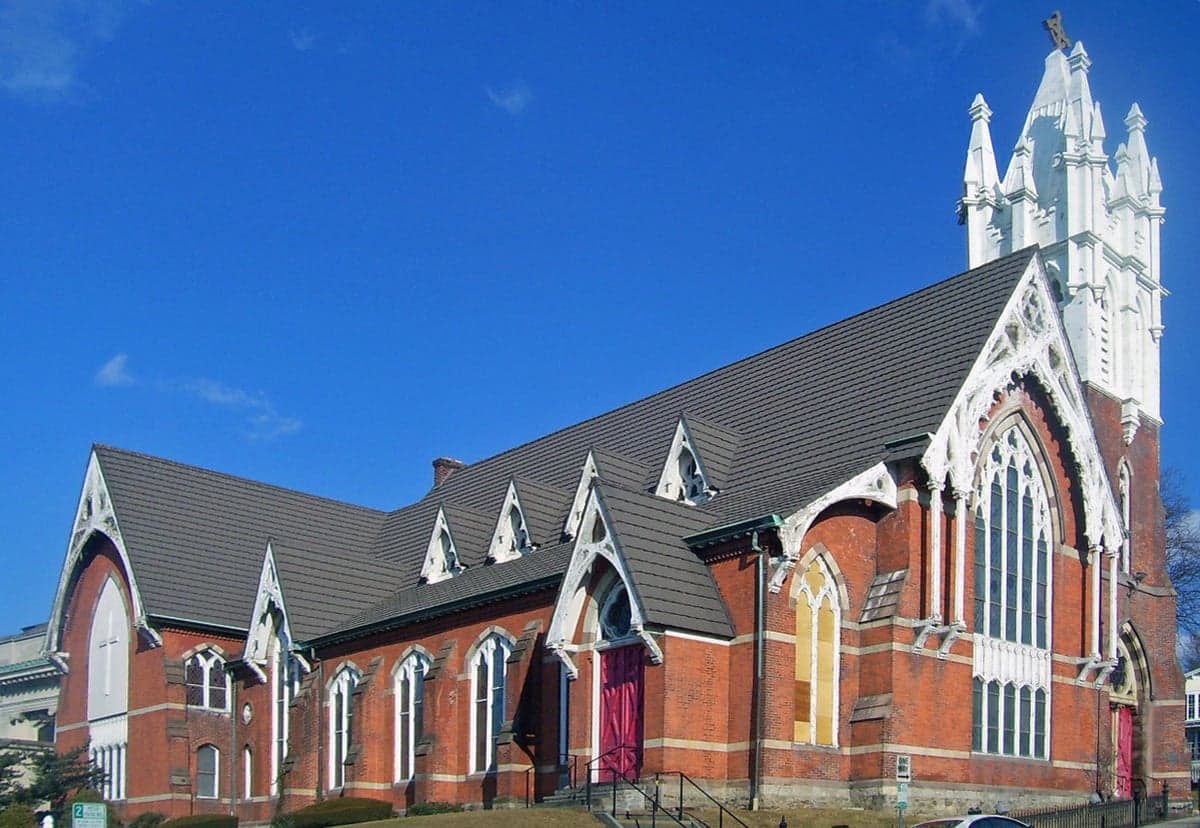
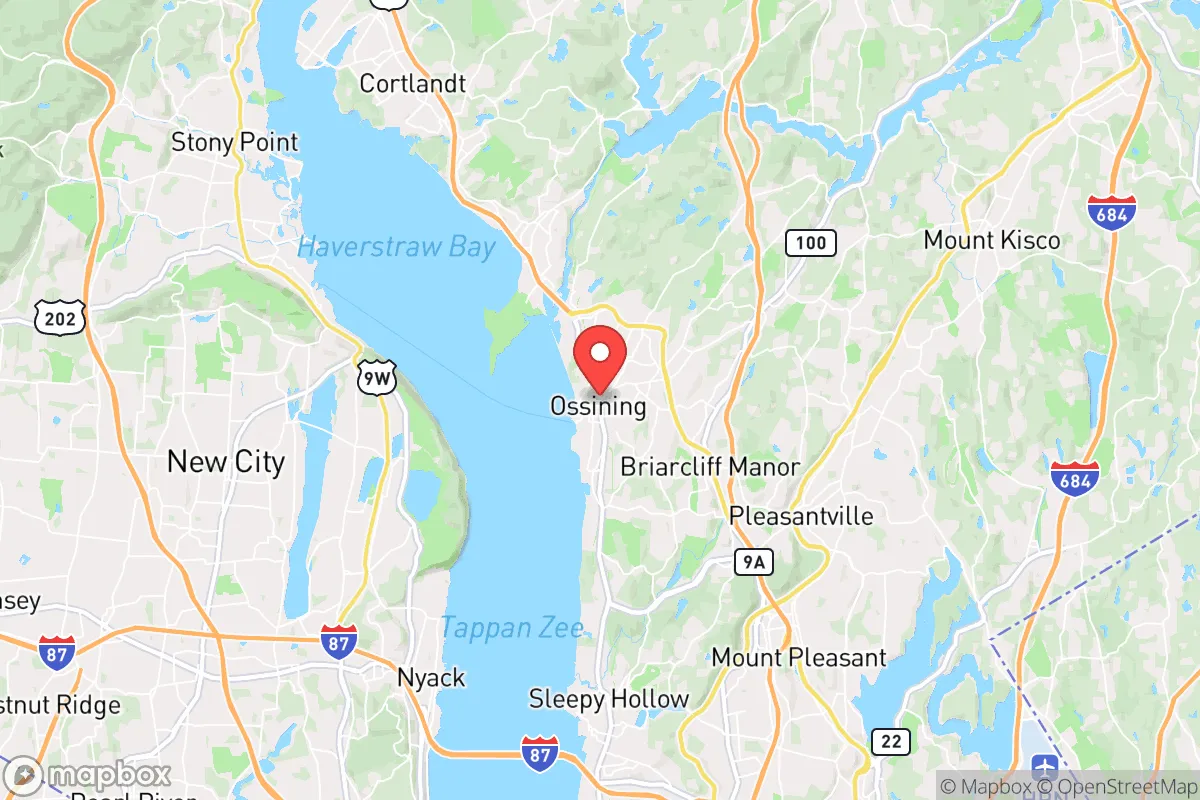
Photo: Wikipedia
Quality of Life in Ossining, NY
A high quality of life with strong walkability, manageable living costs, healthy neighborhood signals, and solid amenity access.
What does Quality of Life tell us?
Quality of Life blends cost of living, nearby amenities, socioeconomic signals, and neighborhood character. City-level scores represent the whole municipality; individual neighborhoods can differ.
What does this tell us?
Quality of Life blends cost of living, nearby amenities, socioeconomic signals, and neighborhood character. City-level scores represent the whole municipality; individual neighborhoods can differ.
Cost of Living
72% above national average
The Real Cost of Living in Ossining, NY for 2026
| Tier | Individual | Family (4) |
|---|---|---|
| Survival | $34k | $63k |
| Comfortable | $86k | $127k |
| Luxury | $182k+ | $283k+ |
| Elite (Top 5%) | $222k+ | $344k+ |
80%
The Area Signal
A metric tracking the socioeconomic signals of the area.


Hobbies
Explore the areaGroceries
0 within 10 miles
Gas
0 within 10 miles
Hospital
3 within 20 miles
Airport
JFK — John F. Kennedy International
Post Office
USPS — Paramus, NJ
Critical Amenities
Quality-of-Life Analysis
Ossining, New York, presents a quality of life defined by its position as a more attainable entry point into Westchester County's affluent suburban landscape, attracting a notably diverse mix of professionals, young families, and long-standing residents. With a cost of living index of 172—well above the national average of 100—the village offers a distinctly different economic reality than nearby, pricier communities like Scarsdale or Chappaqua, while still providing direct access to New York City via the Metro-North Hudson Line. The population is a blend of established homeowners and newer renters, creating a community that feels both historic and transitional, where the median household income supports a lifestyle that balances suburban comfort with urban proximity.
Cost of living, housing affordability, and how Ossining compares to nearby towns
Ossining's housing market is a critical factor in its quality of life equation, offering relative affordability within the high-cost Hudson Valley corridor. The median home value sits at $444,200, a figure that is significantly lower than the Westchester County median of roughly $700,000, making it one of the more accessible villages for first-time homebuyers in the region. Renters face a median rent of $2,108, which, while steep compared to national averages, is notably less than the $3,000+ typical in neighboring towns like Briarcliff Manor or Croton-on-Hudson. The trade-off for this pricing is a longer average commute of 37 minutes, largely driven by the 50-60 minute express train ride to Grand Central Terminal. While property taxes in Ossining are high—a hallmark of Westchester County—they are generally lower than in the most exclusive villages, and the village's stock of older, smaller homes and multi-family units provides a crucial price buffer against the broader market.
Local amenities, schools, and what daily life is like for families and commuters
Daily life in Ossining is shaped by its walkable downtown, the historic Sing Sing Prison (which is being redeveloped into a museum and community space), and the adjacent Hudson River waterfront at Louis Engel Waterfront Park. The Ossining Union Free School District serves the village, with Ossining High School offering the International Baccalaureate (IB) program, a draw for families seeking a rigorous, globally-focused curriculum without the price tag of private schools. For commuters, the Ossining Metro-North station is the central hub, with parking permits that are more affordable than those in many other Westchester stations. The village's amenities include the Westchester County Airport (HPN) 15 minutes away, the large Ossining Public Library, and a growing restaurant scene along Main Street that features Latin American, Italian, and farm-to-table options. The community's rhythm is a mix of early-morning commuter trains, school drop-offs, and weekend farmers' markets, with a noticeable absence of the high-end retail found in nearby towns, which some residents view as a plus for authenticity.
Ossining is best suited for those who prioritize a genuine, diverse community and a lower housing cost barrier over the polished, high-gloss suburban experience of wealthier Westchester enclaves. It works well for commuters who can tolerate a longer train ride in exchange for a more affordable home, and for families who value the IB program and a multicultural environment. Those seeking a quiet, car-dependent, or highly manicured suburb may find Ossining's density and older housing stock less appealing, but for buyers and renters who want a real, lived-in village with direct city access, it remains one of the most practical and character-rich options in the region.

Crime in Ossining, NY
Generally safer than 56% of comparable U.S. locations.
Violent CrimeViolent Crime Analysis
Property CrimeProperty Crime Analysis
Crime Analysis
Ossining, New York, presents a safety profile that warrants careful consideration for potential residents. With a violent crime rate of 331.5 incidents per 100,000 residents and a property crime rate of 1,323.4 per 100,000, the village sits above both national and New York State averages for similar-sized communities. These figures, combined with the broader context of Westchester County's proximity to New York City and its progressive criminal justice policies, create a safety environment that demands scrutiny.
Crime in context
Ossining's violent crime rate is notably higher than the national median of roughly 230 per 100,000 and significantly exceeds the New York State average of approximately 200 per 100,000. The property crime rate also outpaces both state and national benchmarks. These statistics place Ossining among the less safe communities in Westchester County, though it is not the most dangerous. The village's location within a large metropolitan area—just 30 miles north of Manhattan—means it is subject to the same regional crime trends and judicial philosophies that affect the broader New York metro. Progressive district attorneys and judges in Westchester County have implemented policies such as bail reform, reduced sentencing for nonviolent offenses, and diversion programs. While intended to reduce incarceration, these approaches have been criticized for increasing the number of offenders on the street, potentially emboldening repeat property criminals and contributing to the elevated crime rates residents face.
What residents experience
For those living in Ossining, the most tangible safety concerns revolve around property crime. Theft, burglary, and vehicle break-ins are the most frequently reported incidents, with many occurring in residential neighborhoods and near the Metro-North train station. Violent crime, while less common, includes aggravated assault and robbery, and tends to concentrate in specific areas rather than being evenly distributed. Residents often report feeling safe during daytime hours in the village's historic downtown and along the Hudson River waterfront, but caution is advised after dark in less trafficked areas. The presence of the Sing Sing Correctional Facility, a maximum-security prison, adds a unique dynamic—while the facility itself is secure, its location does not directly influence local crime rates, which are driven by broader socioeconomic and policy factors.
Neighborhood-level variation is significant in Ossining. The downtown core and areas near the train station experience higher rates of theft and vandalism, while the more affluent hillside neighborhoods—such as those near the village's northern border with Briarcliff Manor—report lower crime incidence. The southern end of the village, closer to the Croton-on-Hudson line, sees moderate property crime but fewer violent incidents. Prospective residents should research specific blocks and consult local police reports, as safety can shift dramatically within a few streets. Overall, Ossining's crime picture reflects the challenges of a small city embedded in a progressive metro region, where lenient justice policies may undermine public safety for law-abiding residents.
* Values derived from national, state, county, city and local statistics and may differ in a specific area. Last updated: 2026-04-19T03:29:03.000Z
Narrative content on this page is AI-generated and may contain mistakes. Verify any details that matter before acting on them.
ReloMaps may earn a commission from affiliate links at no extra cost to you.

