 Popular
Photo: Wikipedia
Find The Best Places To Live
in Sedalia
PRO TIP! You can paste a Zillow or Redfin link to get info on that property.
What It's Like Living in Sedalia, MO
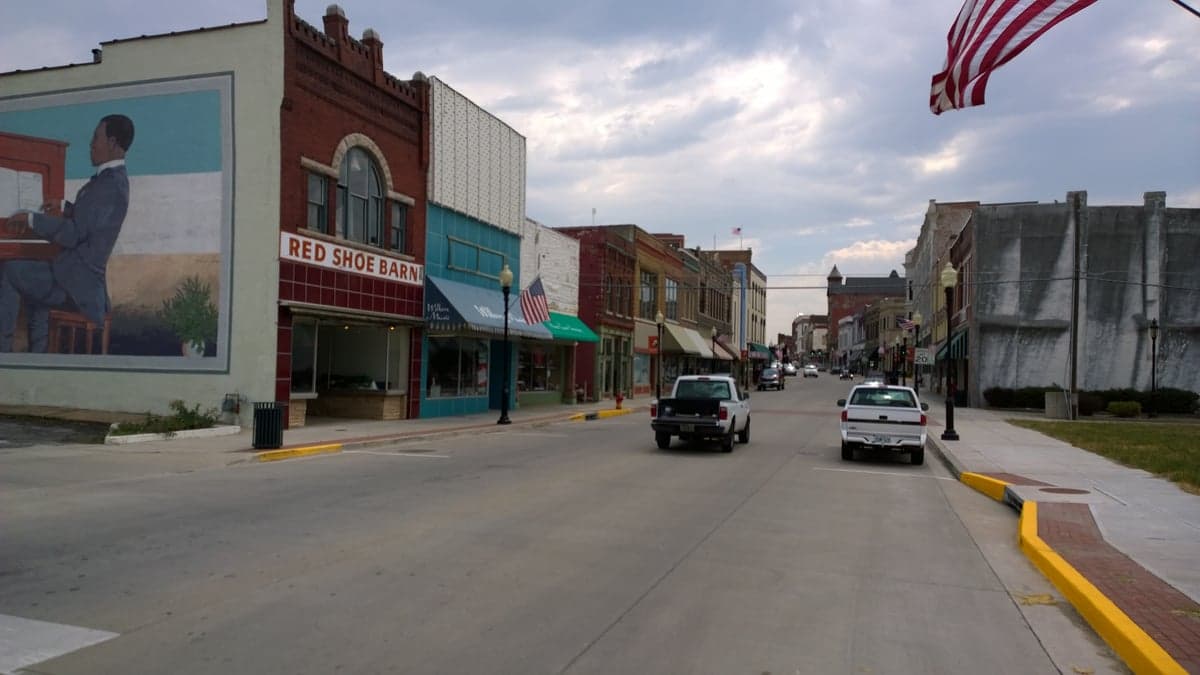
Sedalia, Missouri, is one of those places that feels like it was built around a handshake and a shared sense of purpose rather than a master plan. It’s a working town of about 22,000 people, where the railroad still rumbles through the center of things and the biggest event of the year—the Missouri State Fair—turns the whole community into a 10-day carnival of livestock, fried food, and grandstand concerts. If you’re looking for a place where people know your name, where the high school football game on Friday night is a genuine social event, and where you can still buy a home for well under $150,000, Sedalia deserves a serious look. But it’s also a place where the nearest Whole Foods is an hour away, and the local economy has been through some rough patches. Here’s what daily life actually feels like.
The Daily Rhythm: Work, Errands, and the 16-Minute Commute
Life in Sedalia moves at a pace that can feel almost jarring if you’re coming from a big city. The average commute is just over 16 minutes—short enough that you can run home for lunch or swing by the hardware store on your way back from dropping the kids off. Most people work in manufacturing, healthcare, or retail. Major employers include Bothwell Regional Health Center, the Whiteman Air Force Base (about 20 minutes east), and a handful of factories like Tyco Electronics and Altec Industries. The median household income sits around $50,700, which is below the national average, but the cost of living index is a striking 63—meaning your dollar goes about 37% further here than it does in the typical U.S. city. That $136,500 median home value isn’t a fixer-upper price; it buys a decent three-bedroom in a quiet neighborhood.
Weekends tend to revolve around errands at the local Walmart or Hy-Vee, a trip to Liberty Park for a walk around the lake, or grabbing a bite at one of the reliable local spots. Brick House BBQ is the go-to for smoked brisket and pulled pork, while Jalisco’s serves the kind of Mexican food that families have been ordering from for years. For a drink, Bentwood Barn offers a quieter, more rustic vibe, while The Office is the kind of dive bar where the bartender remembers your order. There’s no rush hour to speak of—just a few minutes of stop-and-go on Highway 65 when the fair is in town.
Sports, Festivals, and the Fair That Shuts Down the Town
If you want to understand Sedalia’s identity, start with the Missouri State Fair. Every August, the fairgrounds on the south side of town swell with hundreds of thousands of visitors. It’s not just a fair—it’s the cultural anchor. Local kids show livestock, national country acts play the grandstand, and the smell of corn dogs and funnel cakes drifts for blocks. For the other 355 days of the year, the fairgrounds host rodeos, trade shows, and the occasional monster truck rally.
High school sports are a genuine deal here. Sedalia Smith-Cotton High School football games on Friday nights draw a crowd that includes grandparents, former players, and families who’ve lived in town for generations. The Tigers have a loyal following, and the rivalry with nearby Warrensburg is the kind of thing people talk about at the coffee shop all week. There’s no pro sports team closer than Kansas City (about 90 minutes north), but that distance doesn’t stop locals from being die-hard Chiefs and Royals fans. On game days, bars like Buffalo Wild Wings or The Office fill up with fans wearing red and gold.
Beyond the fair, the Sedalia Symphony Orchestra offers a more low-key cultural outlet, and the Daum Museum of Contemporary Art on the State Fair Community College campus punches above its weight with rotating exhibits. For outdoor recreation, Bothwell Lodge State Historic Site is a 20-minute drive north and offers hiking trails and a stone lodge built in the 1920s that feels like a hidden gem.
Who Fits In—and Who Might Struggle
Sedalia works best for people who value stability over excitement, who don’t mind driving an hour for a concert or a shopping mall, and who want their kids to grow up in a place where neighbors still wave. The median age is 36.2, which is right around the national average, and the population skews toward families and retirees rather than young singles. Only 17% of adults hold a bachelor’s degree or higher, so the professional class is relatively thin—if you’re a software engineer or a corporate executive, you’ll likely be commuting to Kansas City or Columbia (both about 90 minutes away) or working remotely.
The violent crime rate here is 342.9 per 100,000 residents—higher than the national average and something to be aware of, though it’s concentrated in specific areas and doesn’t define daily life for most residents. Property crime is a more common frustration, particularly car break-ins and theft from sheds. Locals will tell you to lock your doors and not leave valuables in plain sight, but they’ll also tell you they feel safe walking downtown after dark.
What frustrates longtime residents most is the lack of retail variety. There’s no Target, no Trader Joe’s, no sit-down chain restaurant beyond the usual fast-food suspects. For anything beyond the basics, you’re driving to Warrensburg (25 minutes) or Kansas City. The upside is that the lack of options keeps life simple and forces you to patronize local businesses. The downside is that it can feel limiting, especially for younger people or newcomers used to more choices.
Pros and Cons of Living in Sedalia
- Pro: Affordable housing is the headline. A $136,500 median home value means a young family can buy a starter home with a manageable mortgage, and rent for a two-bedroom apartment often runs under $800.
- Con: Limited job diversity outside of manufacturing and healthcare. If you lose your job at one of the big employers, the next opportunity might require a long commute or a move.
- Pro: Community feel is genuine. People show up for each other—whether it’s a fundraiser for a sick neighbor or a crowd at the high school football game.
- Con: Entertainment options are thin. You’ll need to drive for concerts, pro sports, or a serious nightlife scene.
- Pro: Low traffic and a short commute mean more time for family, hobbies, or just relaxing.
- Con: Crime rates are above average, particularly property crime, and the opioid crisis has hit the region hard.
Sedalia isn’t for everyone. It’s a town that rewards patience, community involvement, and a willingness to make your own fun. But for the right person—someone who values affordability, a slower pace, and a place where the fair is the highlight of the year—it can feel like exactly the right fit.

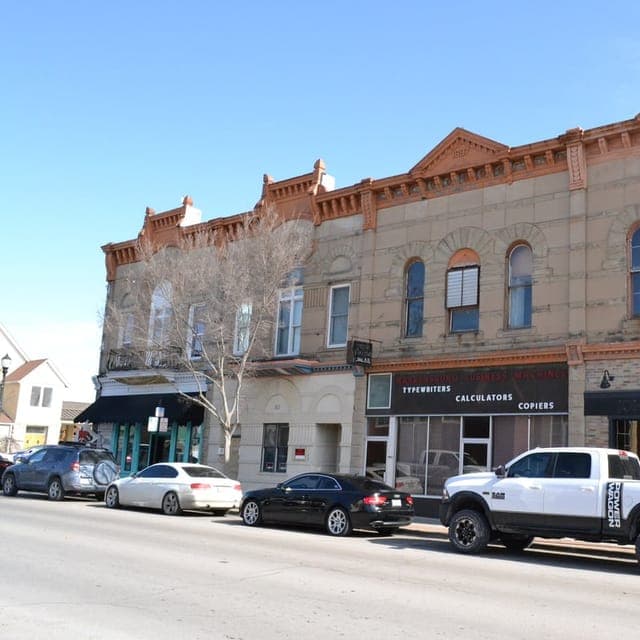
Similar towns to Sedalia
* Values derived from national, state, county, city and local statistics and may differ in a specific area. Last updated: 2026-04-29T19:18:09.000Z
Narrative content on this page is AI-generated and may contain mistakes. Verify any details that matter before acting on them.
ReloMaps may earn a commission from affiliate links at no extra cost to you.

