Photo: Wikipedia
Find The Best Places To Live
in Pagosa Springs
PRO TIP! You can paste a Zillow or Redfin link to get info on that property.
What It's Like Living in Pagosa Springs, CO
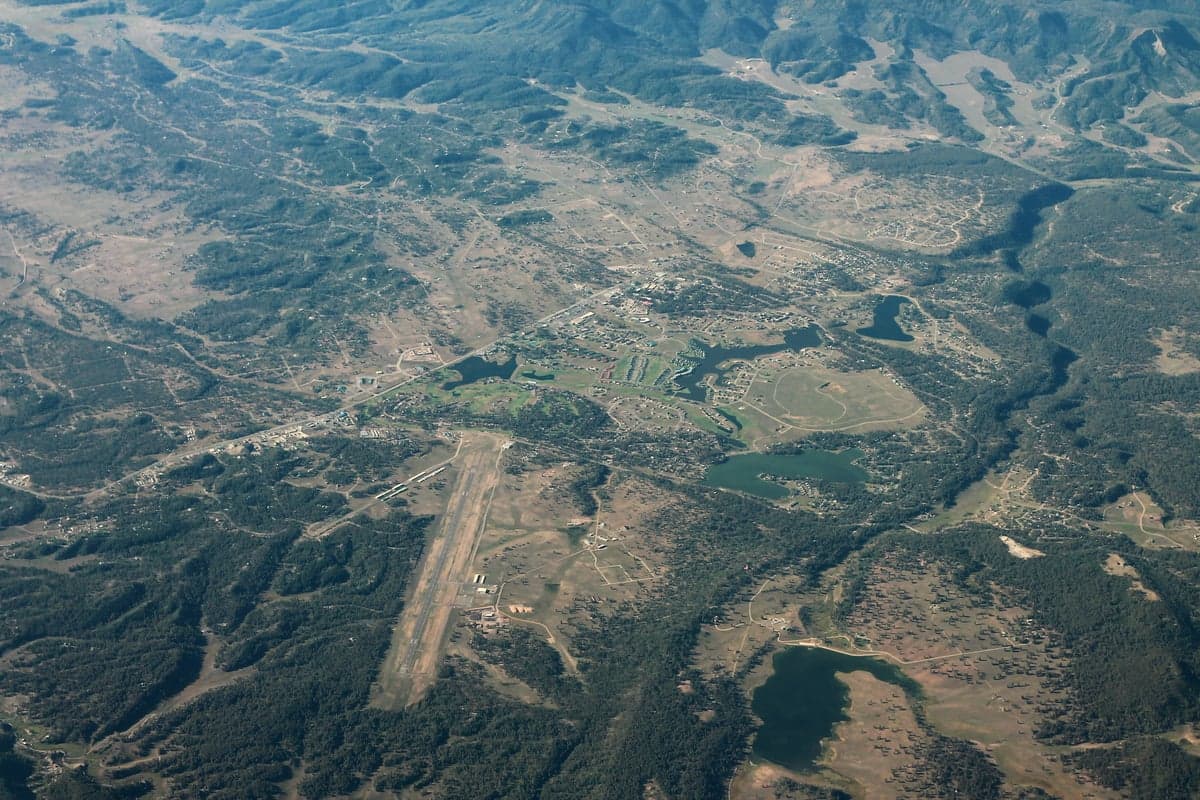
Pagosa Springs is a small, rugged mountain town that feels more like a base camp for adventure than a typical Colorado resort community. With just 1,718 year-round residents, it’s the kind of place where you wave at the same truck every morning on your way to work, and where the hot springs—the town’s namesake—are the literal center of social life. It’s not for everyone, but for the right person, it’s hard to imagine living anywhere else.
Daily Rhythm: What People Actually Do Here
Life in Pagosa Springs moves at a pace set by the seasons. In winter, the town wakes up early for powder days at Wolf Creek Ski Area, about 20 minutes up the mountain. In summer, the rhythm shifts to river time—kayaking, fly fishing, or floating the San Juan River through town. The average commute is about 25 minutes, which sounds long for a town this small, but that’s because many residents live outside the town limits on acreage or in the surrounding national forest. Most people shop at the local City Market or the Saturday farmers market in Centennial Park; there’s no big-box mall or chain restaurant scene. For a night out, locals head to the Riff Raff on the Rio for live music and craft beer, or to Kips Grill for a burger and a view of the river. The hot springs themselves—the Pagosa Hot Springs—are a daily ritual for many, with a soak after work being as common as a gym membership elsewhere.
Who Fits In: Work, Family Stage, and Affluence
The median age here is 34.5, which is young for a mountain town, but that number masks a split between two groups: young outdoor professionals working in tourism, construction, or remote tech, and retirees who bought in before prices jumped. The median household income is $36,712, which is low by Colorado standards, and only 23.3% of adults hold a college degree. That means Pagosa Springs is not a wealthy enclave like Telluride or Aspen—it’s a working-class mountain town where many residents string together two or three jobs to afford the lifestyle. The median home value is $353,800, which is actually affordable compared to the rest of Colorado, but still a stretch for locals earning the median income. The kind of person who fits in here is someone who values time on the river over a fancy car, who doesn’t mind driving 45 minutes to Durango for a Costco run, and who can handle a winter where the sun sets before 5 PM for months.
Sports, Festivals, and What There Is to Do
High school sports are a surprisingly big deal here. The Pagosa Springs Pirates (football, basketball, volleyball) draw real crowds on Friday nights, especially when they play rival Bayfield or Alamosa. There’s no pro team within two hours, so the community rallies around the local kids. The biggest annual event is the Four Corners Folk Festival in early September, which brings bluegrass and Americana acts to Reservoir Hill and turns the whole town into a campground for a weekend. Other traditions include the Pagosa Springs Wine Festival in June and the Red Ryder Roundup, a mountain bike race that draws competitors from across the Southwest. For outdoor recreation, the San Juan National Forest surrounds the town, offering hundreds of miles of trails for hiking, mountain biking, and snowmobiling. The Piedra River and the San Juan River provide Class III and IV whitewater in spring, and the Williams Creek Reservoir is a local favorite for paddleboarding and fishing.
Honest Pros and Cons of Living Here
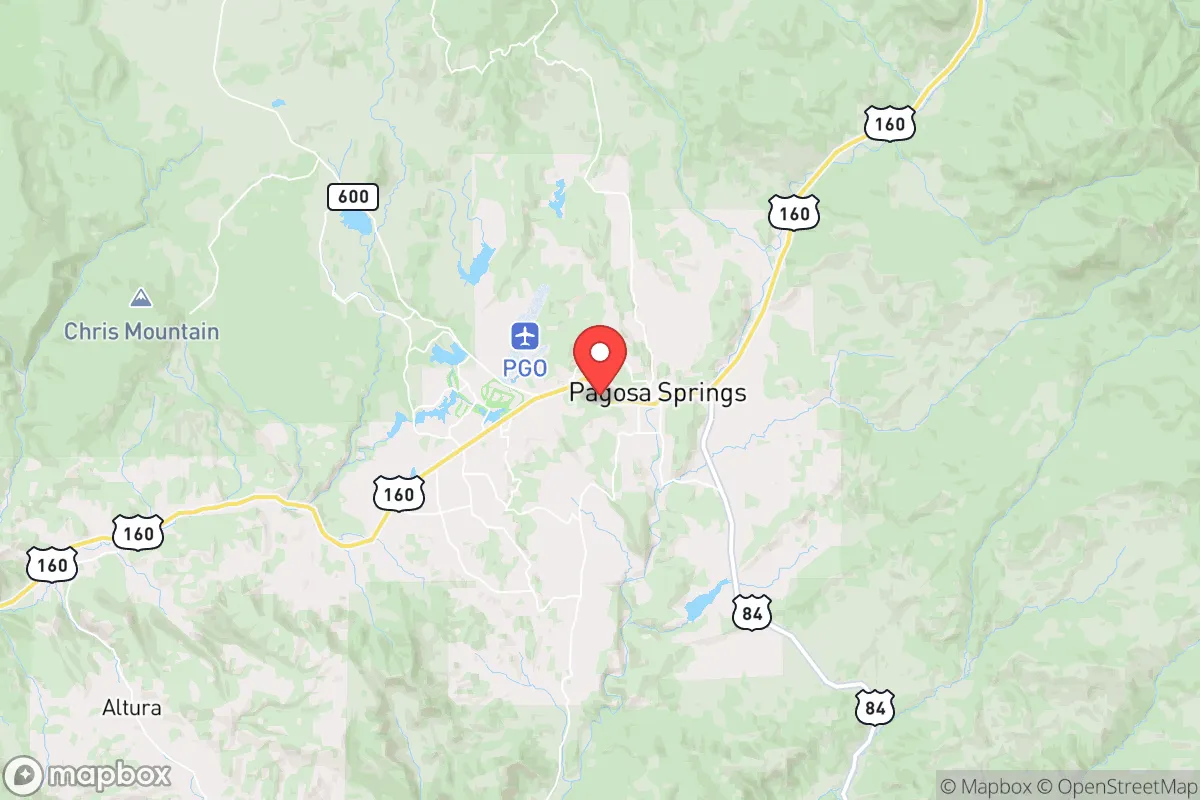
Let’s be real about the trade-offs. On the upside, the natural beauty is staggering—you’re surrounded by the San Juan Mountains, the air is clean, and the hot springs are a genuine luxury. The community is tight-knit in a way that’s rare: neighbors help each other plow driveways, and you can leave your kayak on the roof rack without worrying about theft. On the downside, the violent crime rate is 706.9 per 100,000, which is more than double the national average. That number is skewed by a few high-profile incidents and the fact that the town’s small population makes per-capita stats volatile, but it’s a real concern for families. Property crime—especially theft from vehicles and sheds—is a more everyday annoyance. The cost of living index is 105, slightly above the national average, and groceries and gas are noticeably pricier than in the Front Range. Winters are long and dark: snow can fall from October through May, and the town’s elevation (7,126 feet) means the sun is intense but the cold is biting. If you need Amazon Prime in two days, you’ll be frustrated—delivery times are longer, and the nearest Target is in Durango, an hour away.
Cultural Quirks and Local Identity
Pagosa Springs has a distinct “don’t California my Colorado” vibe. Locals are proud that the town hasn’t been overrun by luxury condos and chain stores. The hot springs themselves are a point of pride and occasional controversy—there’s a long-running dispute between the town and the private developer who owns the main springs over public access and development rights. The town’s identity is also shaped by the Southern Ute Indian Reservation, which borders the area to the south, and the Ute influence shows up in place names and local art. One quirk: the town has a surprisingly active live music scene for its size, with the Pagosa Springs Center for the Arts hosting everything from bluegrass to stand-up comedy. And if you’re a parent, the schools are a mixed bag—the elementary school is well-regarded, but high school class sizes are small, and advanced placement options are limited. Many families supplement with online courses or commute to Durango for specialized programs.

Similar small towns to Pagosa Springs
* Values derived from national, state, county, city and local statistics and may differ in a specific area. Last updated: 2026-04-28T23:24:28.000Z
Narrative content on this page is AI-generated and may contain mistakes. Verify any details that matter before acting on them.
ReloMaps may earn a commission from affiliate links at no extra cost to you.

