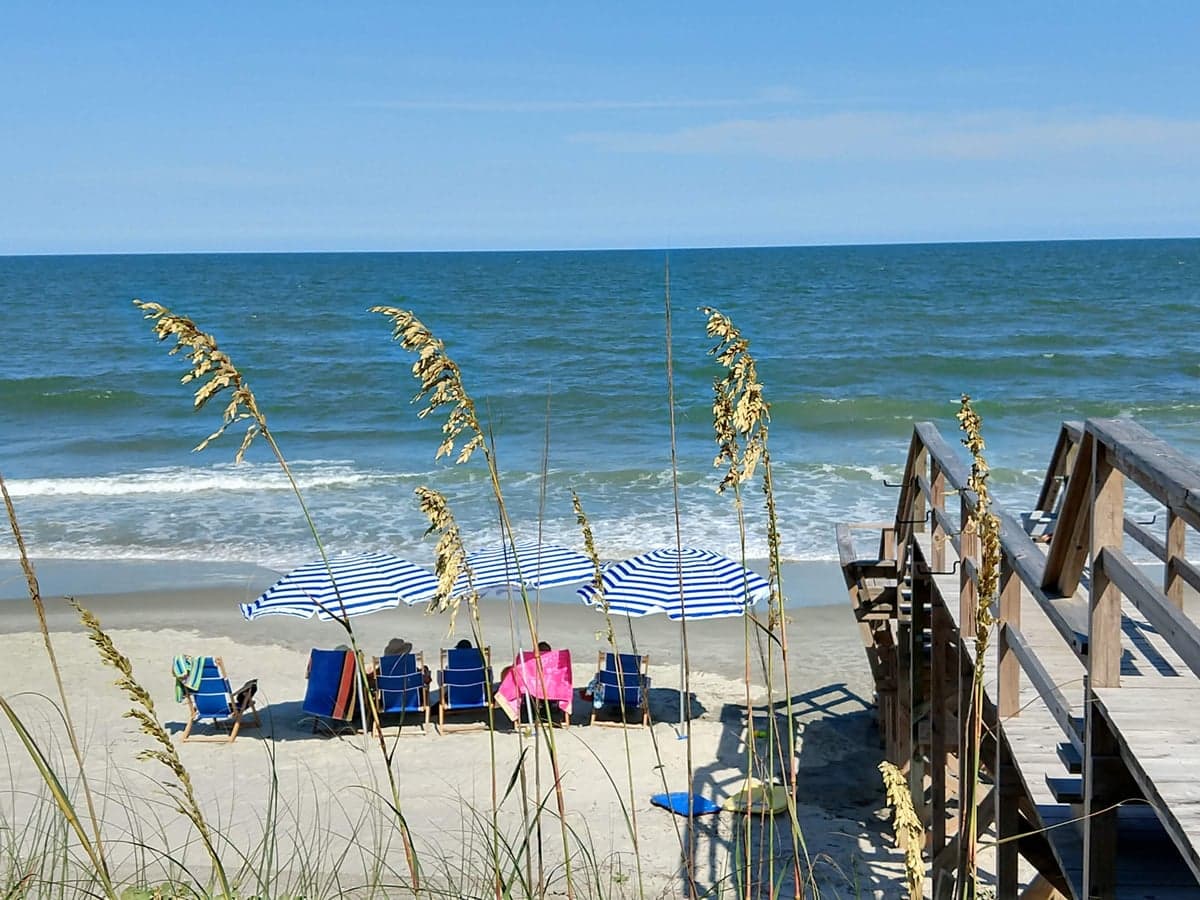
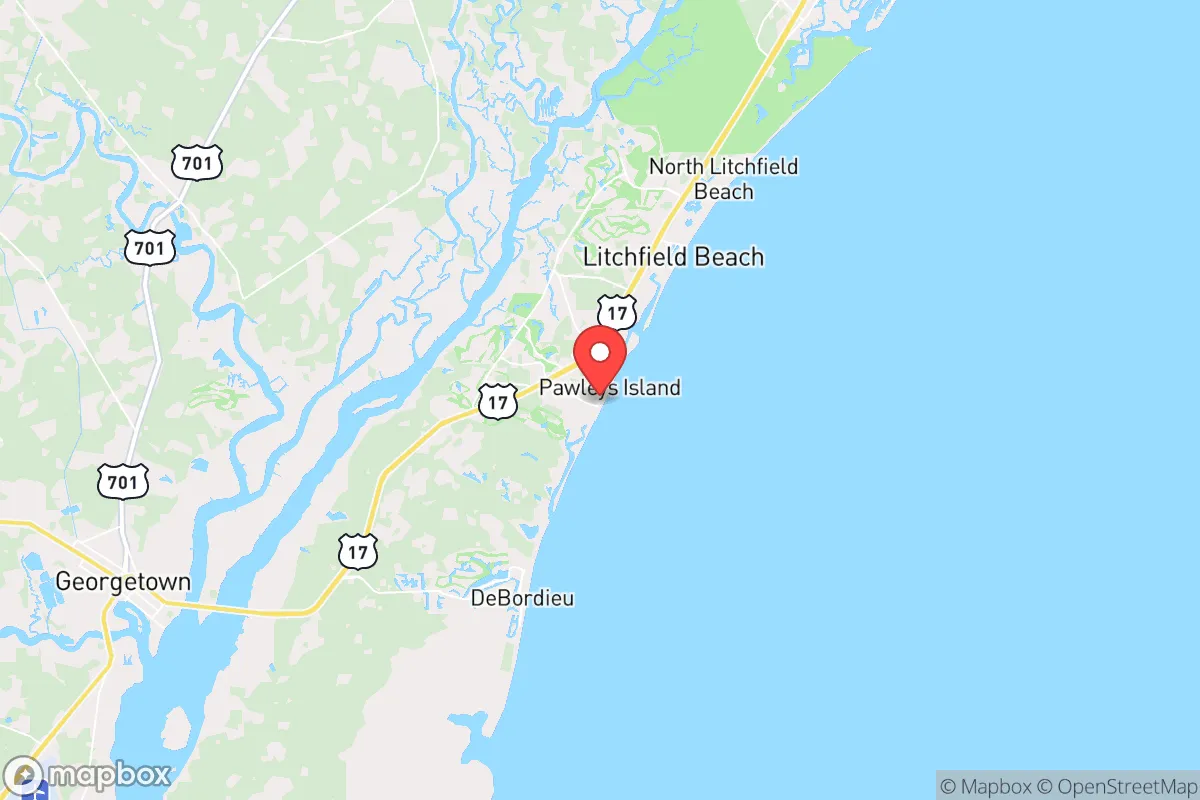
Photo: Wikipedia
Demographics of Pawleys Island, SC
Affluence Level in Pawleys Island, SC
An elite concentration of wealth — high incomes, strong home values, advanced degrees, and minimal poverty signal a top-tier socioeconomic profile.
People of Pawleys Island, SC
Today, Pawleys Island, South Carolina, is a small, affluent coastal community of just 116 year-round residents, characterized by its overwhelmingly White (100.0%) and highly educated (81.6% college-educated) population. With zero foreign-born residents and no measurable Hispanic, Black, Asian, or Indian subcontinent populations, it stands as one of the most demographically homogeneous places in the state. The island’s identity is defined by its historic beach cottages, a strong preservationist ethos, and a seasonal economy that swells dramatically with second-home owners and vacationers, making the permanent population a tight-knit, property-owning enclave rather than a typical working town.
How the city was settled and grew
Pawleys Island was not settled as a traditional agricultural or industrial town but rather as a summer retreat for wealthy Lowcountry planters escaping malaria and heat from inland rice plantations. The first permanent structures were simple beach cottages built in the early 1800s by families from Georgetown and the Pee Dee region. The island’s name derives from the Pawley family, early English colonists who acquired land grants in the area in the 1700s. By the mid-19th century, the island had become a seasonal escape, with families building what are now known as the "Arrogant Shacks"—historic, unpretentious wooden cottages that remain a hallmark of the island’s character. The original settlement clustered along the oceanfront on the island’s north and south ends, with the central stretch later filling in. No enslaved labor force was permanently housed on the island itself; the workforce lived in mainland communities like Pawleys Island Village and Litchfield Beach, which developed as service hubs. The island remained a seasonal destination through the early 20th century, with no significant year-round population growth until after World War II.
Modern era (post-1965)
The post-1965 era saw Pawleys Island transform from a quiet summer colony into a more exclusive, year-round residential community for retirees, professionals, and second-home owners. The 1970s and 1980s brought paved roads, modern utilities, and the construction of larger homes, particularly in Pawleys Island North and Pawleys Island South, where newer subdivisions replaced older lots. The island’s permanent population peaked at around 200 in the 1990s before declining to its current 116 as property values soared and many original cottages were replaced by larger vacation homes. The Marshwalk area and the Pawleys Island Historic District became focal points for preservation efforts, with strict building codes limiting new development. The demographic data reflects this exclusivity: 100% White, 0% foreign-born, and 81.6% college-educated—a population that is almost entirely composed of affluent, native-born Americans, many of whom are retirees or remote workers from the Northeast and Mid-Atlantic. The island has not experienced the suburban sprawl or diversification seen in nearby Myrtle Beach or Georgetown, remaining a deliberately insular community.
The future
The future of Pawleys Island’s population points toward continued homogeneity and likely further shrinkage of the year-round base. With zero foreign-born residents and no measurable minority populations, there is no demographic trend toward diversification on the horizon. The island’s strict building codes, high property taxes, and limited land availability mean that new residents will almost certainly be wealthy, White, and older—retirees or second-home owners who can afford the premium. The Pawleys Island North and South ends will likely see more teardowns and rebuilds of larger homes, further reducing affordable housing for any potential workforce. The Pawleys Island Village area on the mainland may absorb some service workers, but the island itself will remain an enclave. The next 10-20 years will likely see the permanent population stabilize around 100-120, with the seasonal population continuing to dominate the island’s economy and culture.
For someone moving in now, Pawleys Island offers a stable, predictable, and exclusive community—but one with no demographic diversity and a high barrier to entry. It is a place for those seeking a quiet, preservation-minded coastal lifestyle, not for those looking for a growing, changing, or diverse population. The island’s future is one of careful stewardship of its historic character, not expansion or transformation.

* Values derived from national, state, county, city and local statistics and may differ in a specific area. Last updated: 2026-04-23T03:11:35.000Z
Narrative content on this page is AI-generated and may contain mistakes. Verify any details that matter before acting on them.
ReloMaps may earn a commission from affiliate links at no extra cost to you.

