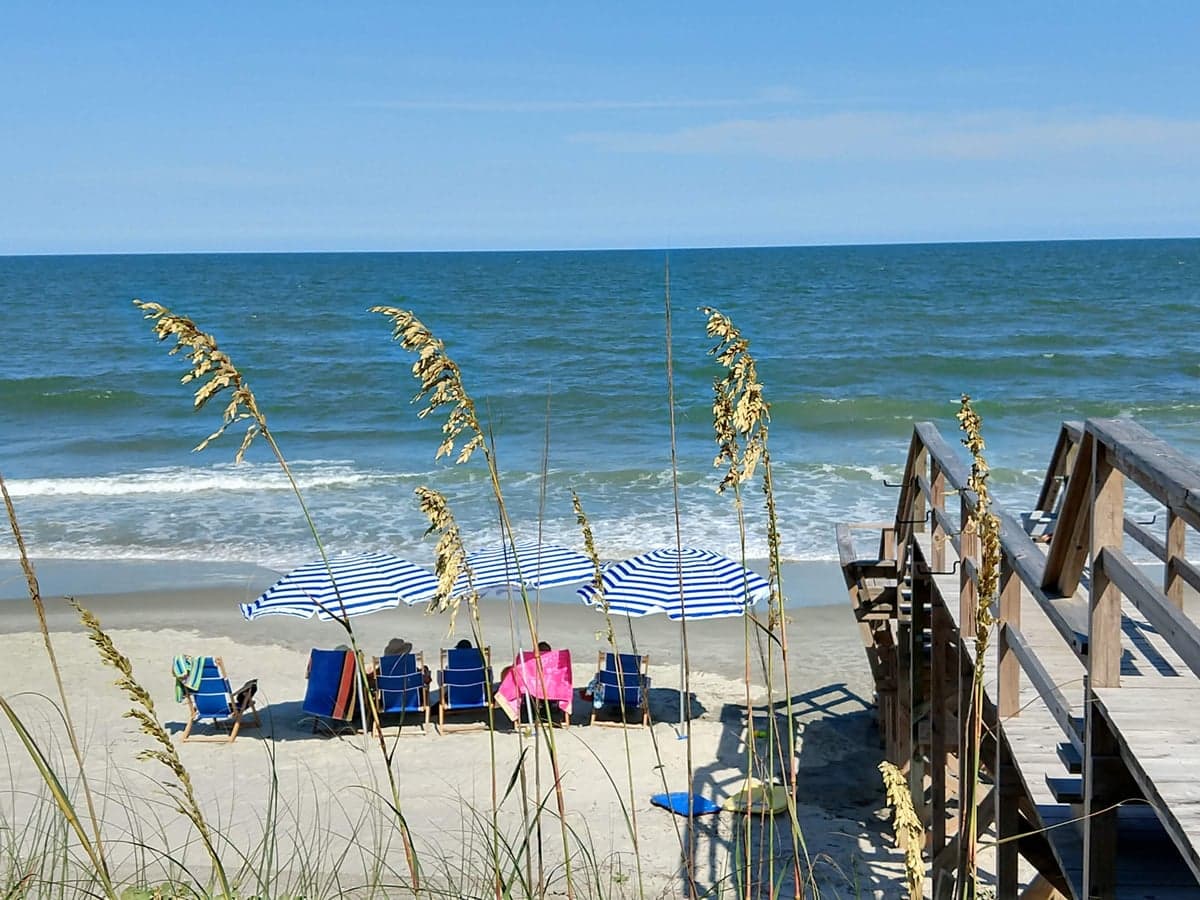
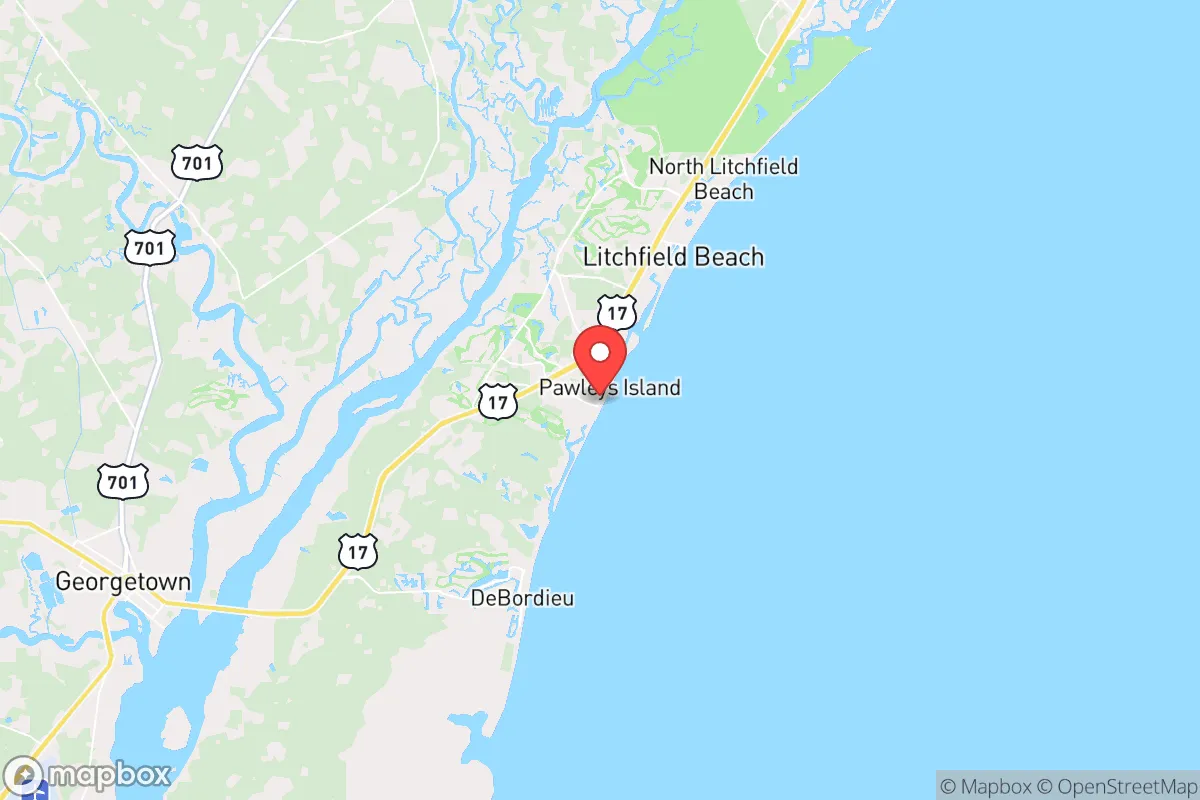
Photo: Wikipedia
Quality of Life in Pawleys Island, SC
A high quality of life with strong walkability, manageable living costs, healthy neighborhood signals, and solid amenity access.
What does Quality of Life tell us?
Quality of Life blends cost of living, nearby amenities, socioeconomic signals, and neighborhood character. City-level scores represent the whole municipality; individual neighborhoods can differ.
What does this tell us?
Quality of Life blends cost of living, nearby amenities, socioeconomic signals, and neighborhood character. City-level scores represent the whole municipality; individual neighborhoods can differ.
Cost of Living
446% above national average
The Real Cost of Living in Pawleys Island, SC for 2026
| Tier | Individual | Family (4) |
|---|---|---|
| Survival | $32k | $59k |
| Comfortable | $277k | $408k |
| Luxury | $287k+ | $445k+ |
| Elite (Top 5%) | $478k+ | $742k+ |
29%
The Area Signal
A metric tracking the socioeconomic signals of the area.
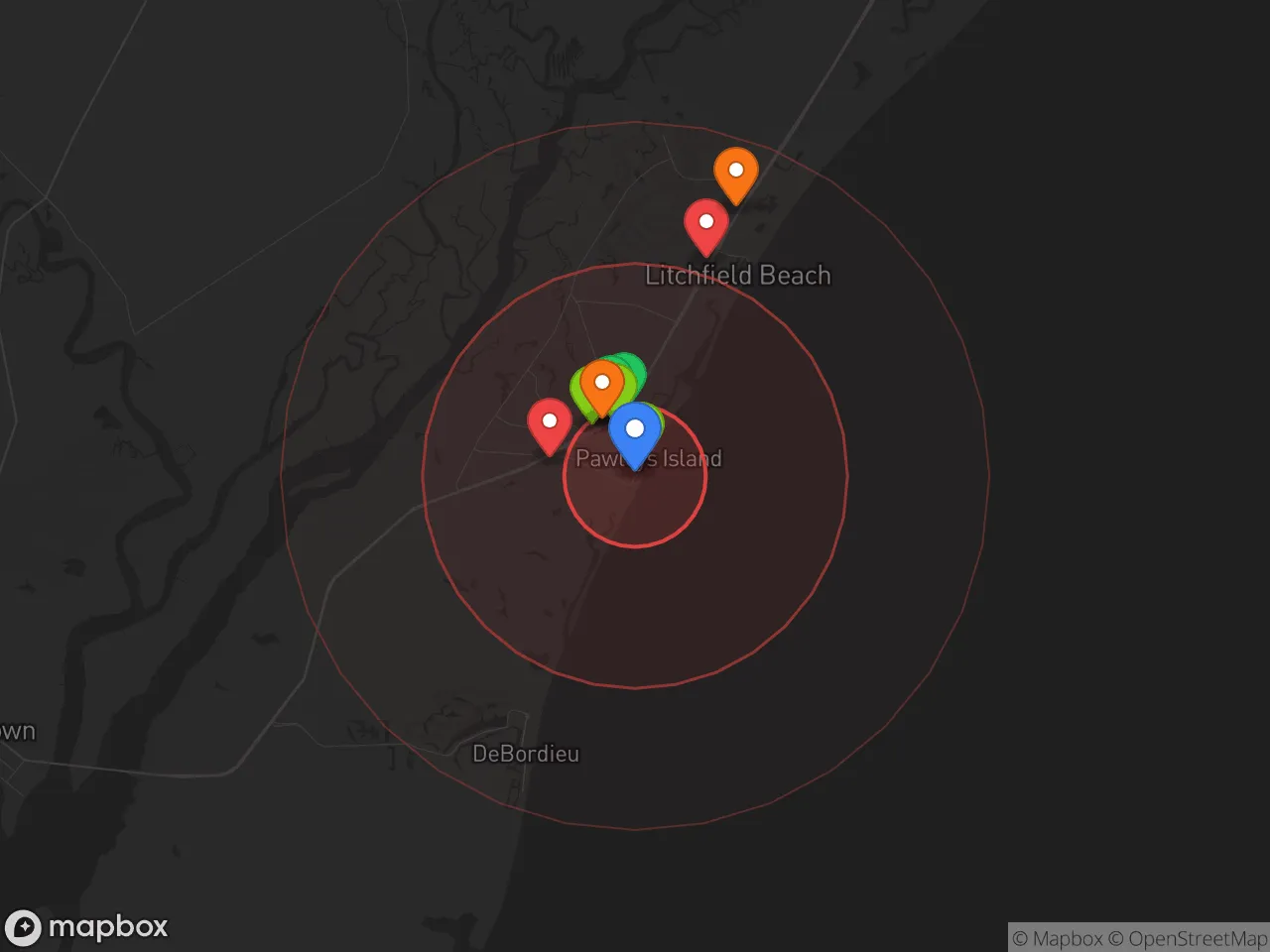
Hobbies
Explore the areaGroceries
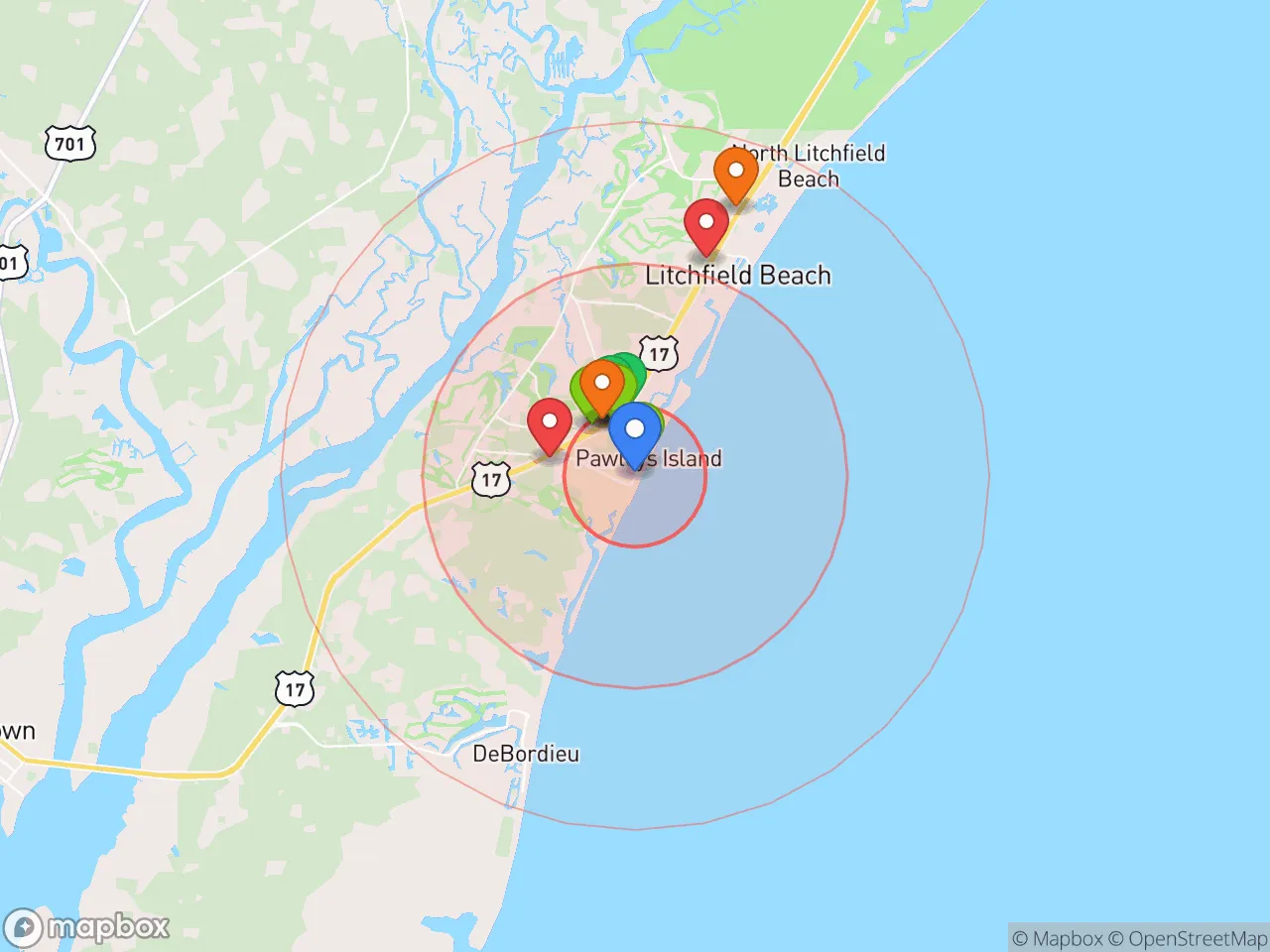
5 within 10 miles
Gas
13 within 10 miles
Hospital
2 within 20 miles
Airport
CLT — Charlotte Douglas International
Post Office
USPS — Pawleys Island, SC
Critical Amenities
Quality-of-Life Analysis
Pawleys Island, South Carolina, is an affluent coastal enclave where the cost of living index sits at 546—more than five times the national average of 100—and the median home value reaches $1,538,500. This barrier-island community attracts a mix of wealthy retirees, second-home owners from the Mid-Atlantic and Northeast, and a smaller year-round workforce serving the luxury tourism and real estate sectors. The permanent population hovers around 100 residents on the island itself, with a broader seasonal influx that swells the surrounding Waccamaw Neck area, creating a quiet, low-density atmosphere outside of peak summer months.
Cost of living and housing affordability compared to nearby Georgetown and Myrtle Beach
The extreme cost of living in Pawleys Island is driven almost entirely by housing. With a median home value of $1,538,500, the island is dramatically more expensive than nearby Georgetown (median home value roughly $350,000) and Myrtle Beach (around $280,000). Rentals on the island average $3,500–$6,000 per month for single-family homes, while condos in the Pawleys Island area start near $400,000 but often exceed $800,000 for oceanfront units. Groceries and utilities are roughly 10–15% higher than the national average, reflecting the area's reliance on seasonal tourism and limited local supply chains. Property taxes in Georgetown County are relatively low—around 0.5% of assessed value—which partially offsets the high purchase price for long-term owners. For most working families, living on the island itself is financially out of reach, and they instead reside in the Pawleys Island "mainland" communities like Litchfield or Murrells Inlet, where home values drop to the $400,000–$600,000 range.
Schools, amenities, and the daily rhythm of life in a low-density beach town
Daily life in Pawleys Island revolves around a slow, nature-oriented pace. The island has no chain stores or traffic lights—only a handful of locally owned restaurants, a general store, and the historic Pawleys Island Hammock Shop. Residents rely on the nearby Hammock Coast for groceries, medical care, and shopping, with the closest full-service hospital being Tidelands Health Georgetown Memorial Hospital, about 12 miles south. Public schools in Georgetown County serve the area, with Waccamaw High School (rated 7/10 on GreatSchools) and Waccamaw Middle School (rated 8/10) drawing families from the mainland. The island itself has no schools, so children commute by bus or car. Amenities center on outdoor recreation: the 60-mile Waccamaw Neck Bikeway, kayak launches into Pawleys Creek, and the 1.5-mile beachfront with no high-rise development. The rhythm is distinctly seasonal—quiet and empty from November through March, then bustling with vacationers from June through August. Year-round residents often describe the social scene as "neighborly but not intrusive," with community events like the annual Pawleys Island Festival of Music & Art in September.
Pawleys Island is best suited for affluent retirees, remote workers with high incomes, and families who can afford the mainland housing market while valuing proximity to undeveloped beach and marshland. The combination of extreme housing costs, limited employment options outside of tourism and real estate, and a deliberately low-key commercial environment means that those seeking nightlife, urban amenities, or affordable entry-level housing will find better options in Myrtle Beach or Georgetown. For buyers with a budget above $1 million who prioritize privacy, natural beauty, and a walkable beach community, Pawleys Island offers a quality of life that is increasingly rare along the East Coast.

Crime in Pawleys Island, SC
Lower crime rates than 78% of comparable U.S. locations.
Violent CrimeViolent Crime Analysis
Property CrimeProperty Crime Analysis
Crime Analysis
Pawleys Island, South Carolina, presents a sharply divided safety profile: its violent crime rate is an exceptionally low 0 per 100,000 residents, yet its property crime rate of 8,148.1 per 100,000 is more than double the national average. This means that while the risk of a violent attack is virtually nonexistent, the likelihood of experiencing theft, burglary, or vandalism is significantly elevated compared to most U.S. communities. The island’s seasonal population surge and its status as a vacation destination are key factors driving this property crime dynamic.
Crime in context
To understand Pawleys Island’s numbers, context is essential. The national violent crime rate hovers around 380 per 100,000, and South Carolina’s state rate is roughly 490 per 100,000. Pawleys Island’s 0 violent crimes per 100,000 places it in the safest possible percentile for personal safety. However, the property crime rate of 8,148.1 per 100,000 is starkly higher than the national average of approximately 1,950 per 100,000 and the South Carolina average of about 2,500 per 100,000. This extreme disparity—zero violent crime paired with very high property crime—is a hallmark of a quiet, affluent beach community that is a target for transient theft. The town’s small permanent population (roughly 100 year-round residents) means that a single spree of vehicle break-ins can dramatically skew the per-capita rate.
What residents experience
Daily life for full-time residents is characterized by a strong sense of personal security in public spaces, but a constant need for vigilance regarding personal property. The local police department is highly responsive, but the island’s geography—with many unoccupied rental homes and easy highway access via U.S. 17—makes it a target for criminals from nearby Myrtle Beach and Georgetown. Residents report that unlocked vehicles and beach gear left unattended are the primary targets. The town has implemented proactive measures, including neighborhood watch programs and increased patrols during the off-season, to combat these trends. The absence of violent crime means families feel safe walking the beach at night, but the property crime reality demands that visitors and residents alike secure all belongings.
Neighborhood-level variation
Crime is not evenly distributed across the island. The northern end, closer to the Pawleys Island Causeway and the main public beach access, sees the highest concentration of property crime due to tourist foot traffic and vehicle congestion. The southern end, which is more residential with fewer rental properties, experiences lower incident rates. The adjacent mainland communities of Pawleys Island—such as the Hagley Estates and Litchfield Country Club areas—have property crime rates that are roughly half the island’s rate, though still above the national average. Gated communities and those with private security patrols report the lowest property crime rates in the area, while homes on the oceanfront, which are often vacant for weeks at a time, are the most vulnerable to burglary. For those considering relocation, a home in a managed HOA or a neighborhood with active resident patrols offers a meaningful reduction in risk.
* Values derived from national, state, county, city and local statistics and may differ in a specific area. Last updated: 2026-04-23T03:11:35.000Z
Narrative content on this page is AI-generated and may contain mistakes. Verify any details that matter before acting on them.
ReloMaps may earn a commission from affiliate links at no extra cost to you.

