Photo: Wikipedia
Strategic Assessment of Pearl City, HI
Meaningful friction. Expect exposure to either population pressure, blast zones, or natural disaster risk. Consider buying a retreat property.
What does the Strategic Assessment tell us?
Our Strategic Assessment grades tactical survivability of an area. Major population centers, military targets, fallout zones, natural disasters, and border exposure all drive risk — lower exposure means a more defensible position in a crisis.
This is heavily inspired by Joel Skousen's Strategic Relocation book. Highly recommended you checkout the book ($)What does this tell us?
Our Strategic Assessment grades tactical survivability of an area. Major population centers, military targets, fallout zones, natural disasters, and border exposure all drive risk — lower exposure means a more defensible position in a crisis.
This is heavily inspired by Joel Skousen's Strategic Relocation book. Highly recommended you checkout the book ($)Strategic Pillars

Key Distances
Regional Safe Places
Below is our recommended "safe zones" in Hawaii and the surrounding area based on our strategic heuristics. For most people, it's unrealistic to live in a “safe zone” full-time due to work, family or other personal reasons. They tend to be more rural. However, many of these areas are perfect for second homes and retreat properties that double as a vacation home or even a short-term rental.

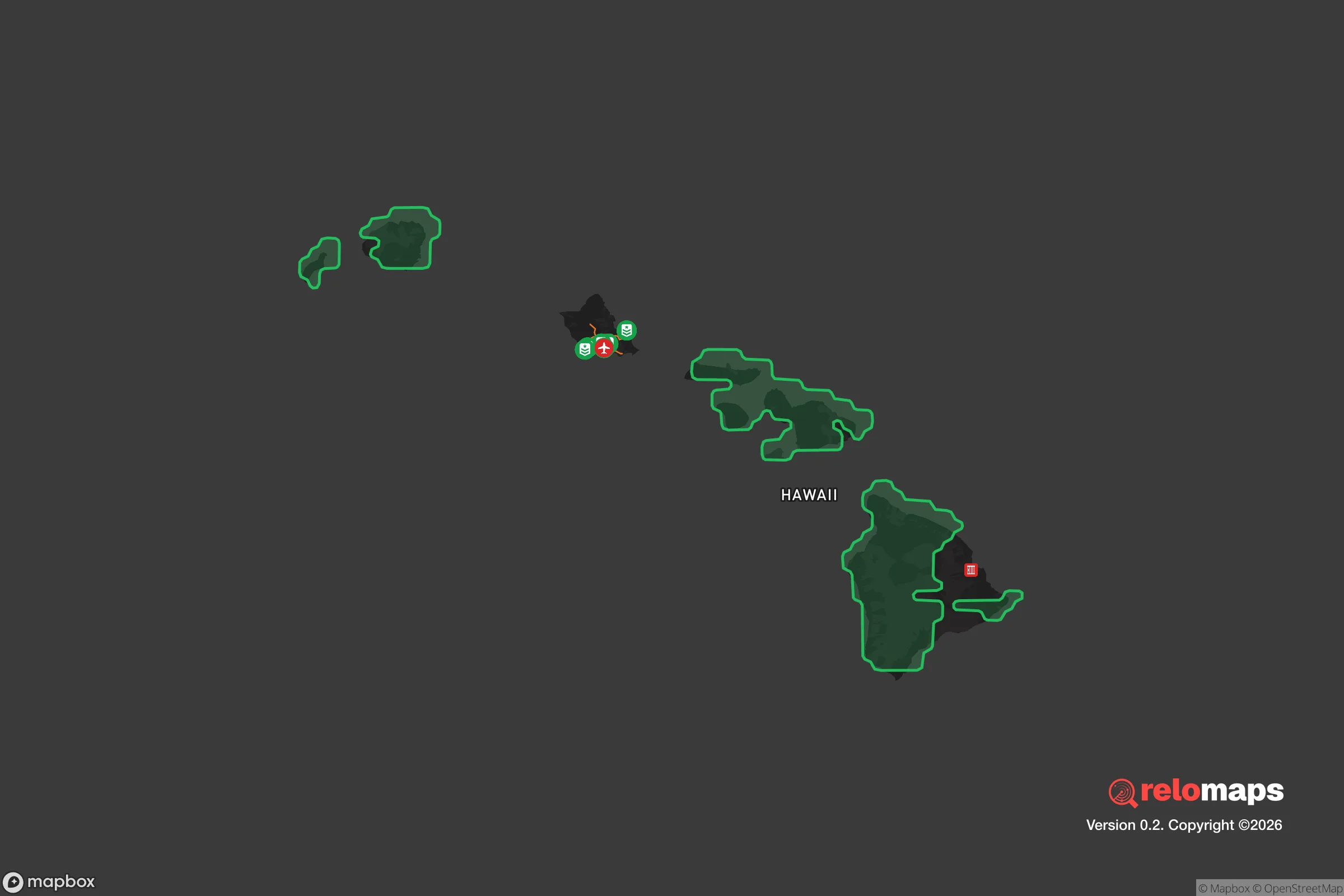


Important Note: For informational purposes only. This does not mean nothing bad ever happens in the green zones. Please use common sense. This is based on public data and modeled with AI. We tried to take a conservative approach but mistakes happen. We update this regularly as new information becomes available.
Solar Generator Recommendations
Backup power matters more here than in safer locations. We've picked three solar generators across budgets and capacity tiers — start with the budget unit if you only need a few essentials, or step up if you want to run a fridge and HVAC for days at a time.

Jackery Portable Power Station Explorer 300
Budget OptionPower on the Go: Weighing only 11 lbs, it's convenient to set up and store with book-sized foldable solar panels

BLUETTI Portable Power Station AC180
Designed for both indoor and outdoor scenarios, AC180 is highly capable as it has a robost capacity and continuous output power.

EF ECOFLOW DELTA Pro Ultra Power Station
Upgraded PickEcoFlow DELTA Pro Ultra is a whole-home energy system designed to grow with your family. Integrated with the Smart Home Panel 2, it scales to meet your evolving energy needs — keeping your home powered, intelligent, and secure through every stage of life.
We earn a commission, at no additional cost to you.
Strategic Assessment Analysis
Pearl City, Hawaii, presents a complex strategic picture for the conservative prepper or survivalist. Its primary advantage is geographic isolation from the mainland’s cascading failure risks, but its location on Oahu—the most populated and politically volatile island—creates severe vulnerabilities. For the single individual or family seeking a resilient redoubt, Pearl City is less a fortress and more a high-stakes forward operating base, where the benefits of island living are directly offset by proximity to Honolulu’s population density, military targets, and logistical choke points.
Geographic position and natural advantages for long-term survival
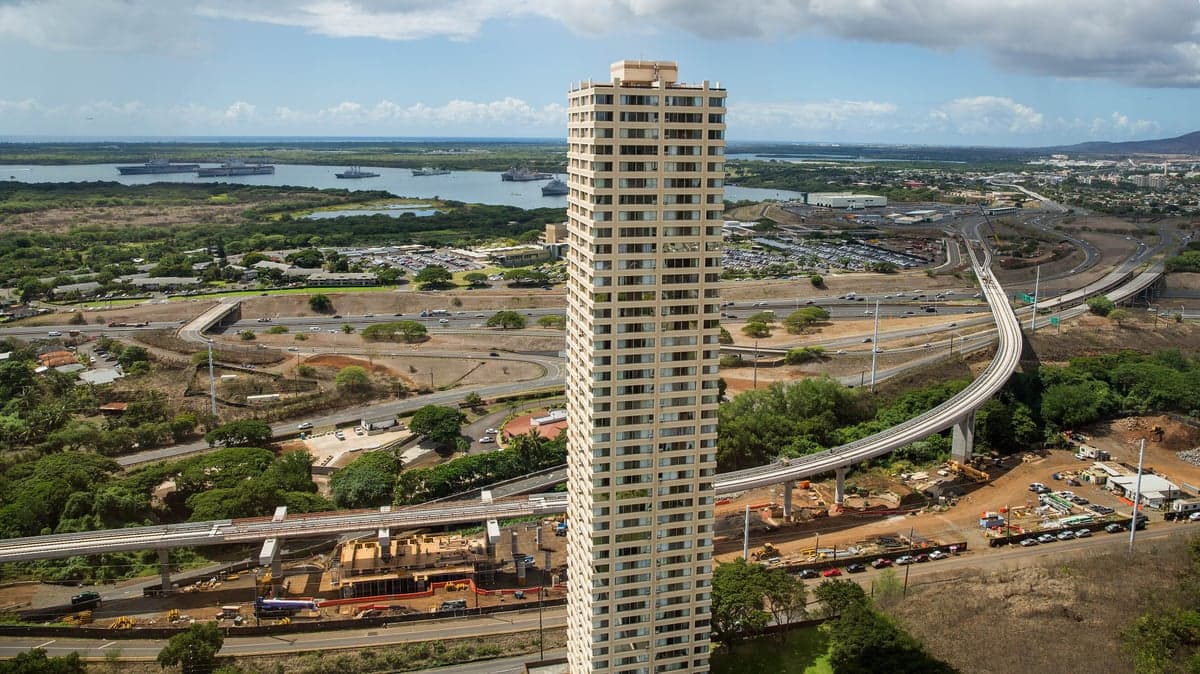
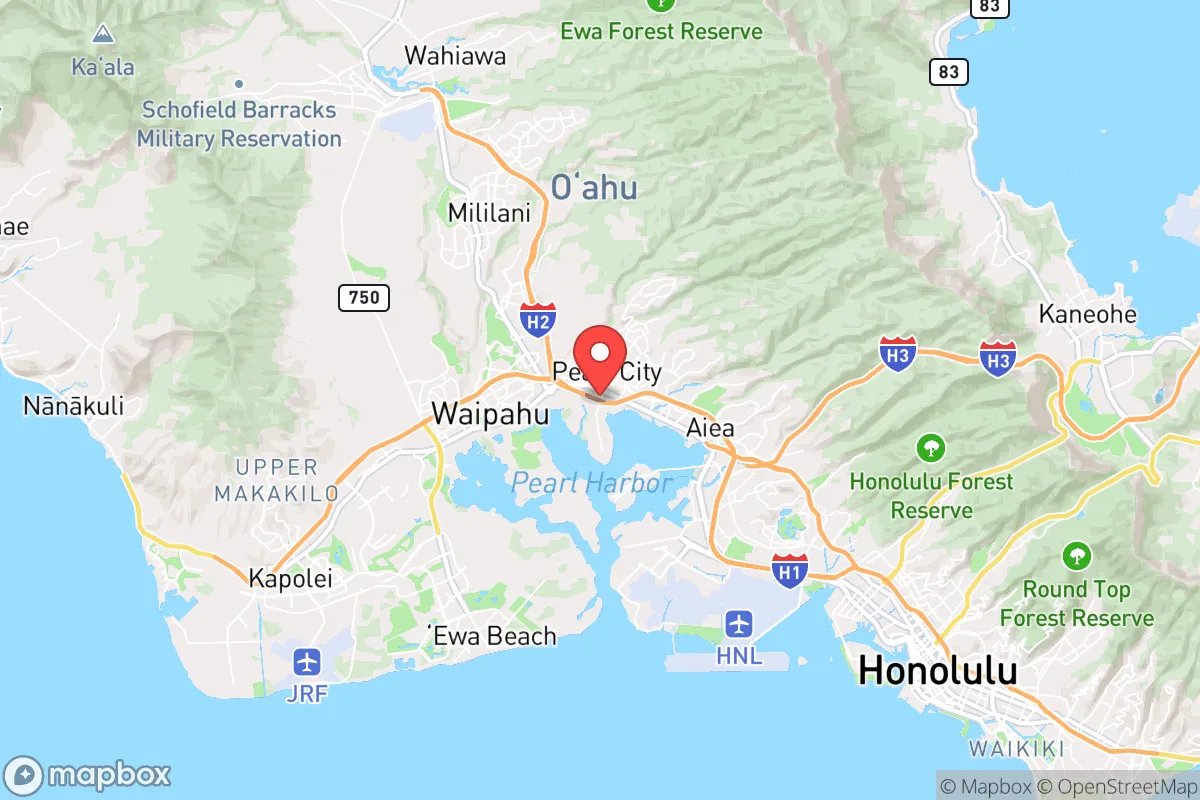
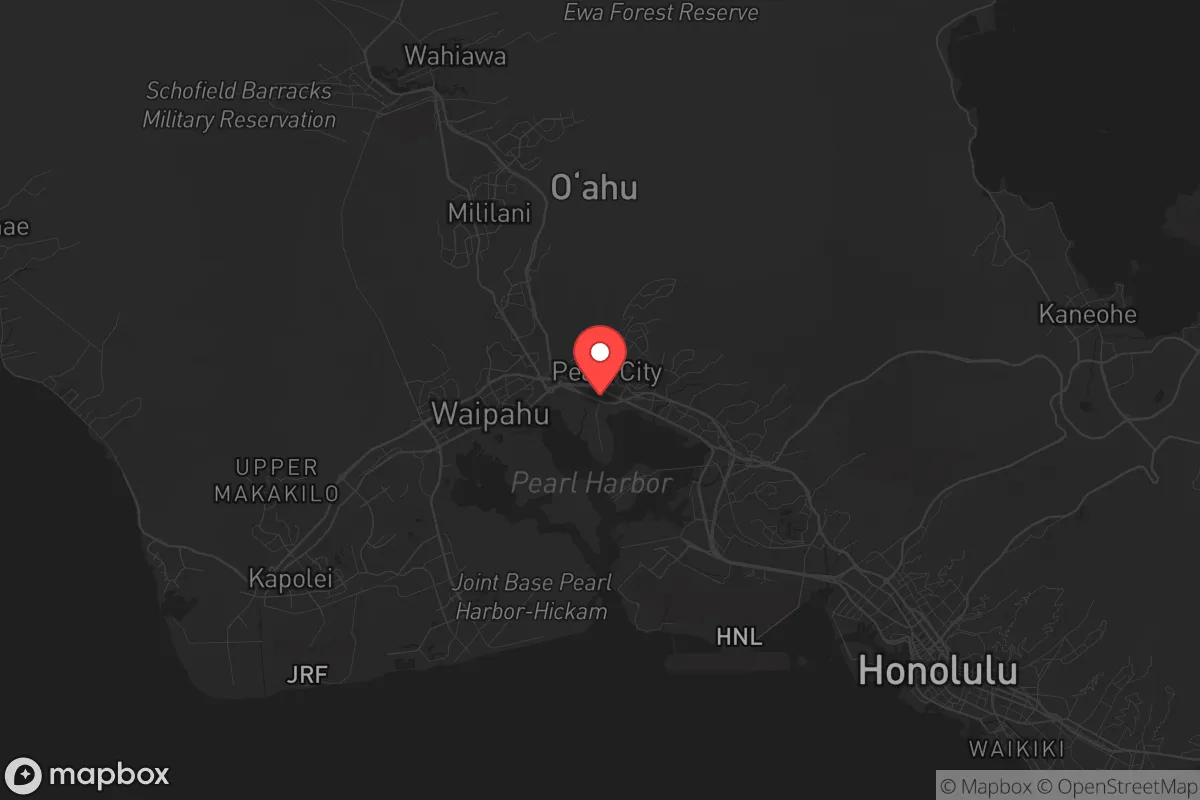
Pearl City sits on the northern shore of Pearl Harbor, roughly 11 miles northwest of downtown Honolulu. Its position on Oahu’s central plain offers moderate elevation—some neighborhoods climb into the Waianae Range foothills—which provides limited natural defensibility against a coastal threat. The area benefits from Hawaii’s mild, stable climate, which eliminates the need for winterization and allows year-round food production. The surrounding volcanic soil, particularly in the upland areas near Wahiawa, supports subsistence gardening, and the consistent rainfall (averaging 20–30 inches annually in the lower areas, more in the hills) reduces dependence on municipal water for basic crops. For a relocator, the ability to grow taro, sweet potatoes, and tropical fruits without a greenhouse is a genuine asset. However, the island’s finite land area means that any serious attempt at self-sufficiency requires securing a property with legal access to water catchment and sufficient acreage—both of which are scarce and expensive in Pearl City proper. The real natural advantage here is the Pacific Ocean itself: it acts as a 2,500-mile moat against land-based invasion or mass migration, a fact that cannot be overstated for those anticipating mainland collapse.
Risks, exposures, and proximity to fallout-relevant landmarks
The single greatest strategic liability of Pearl City is its location within the blast and fallout radius of Joint Base Pearl Harbor-Hickam, one of the most critical military installations in the Pacific. In any major power conflict—particularly one involving China or North Korea—this base is a top-tier target for conventional strikes, EMP attacks, or even a limited nuclear exchange. Pearl City lies within 5 miles of the base’s runways and fuel depots. A single airburst over the harbor would render the entire central Oahu corridor uninhabitable for weeks due to fallout, and the electromagnetic pulse from a high-altitude detonation would permanently disable the island’s grid-dependent infrastructure. Beyond military risk, Pearl City is directly adjacent to Honolulu’s urban core of nearly 350,000 people. In a scenario of civil unrest, food shortages, or pandemic, the population density of the greater metro area (over 900,000 on Oahu) would create a humanitarian disaster zone. The H-1 freeway, the island’s main east-west artery, runs through Pearl City and would become an impassable parking lot in any evacuation. There is no meaningful escape route: the only way off the island is by air or sea, both of which would be immediately locked down by federal or military authority. For the prepper, this is a trap—a beautiful one, but a trap nonetheless.
Practical resilience for a relocator: food, water, energy, and defensibility
For a family or individual committed to making Pearl City work, the practical resilience picture is mixed. Water is the most immediate concern. The municipal supply comes from the Oahu aquifer, which is vulnerable to saltwater intrusion during a major storm or sea-level rise event, and the distribution system is entirely grid-dependent. A prepper must install a rainwater catchment system with first-flush diverters and a minimum 5,000-gallon tank—this is feasible in the wetter upland neighborhoods but illegal or impractical in many subdivisions. Food security is achievable but land-intensive. Pearl City’s residential lots average 5,000–7,000 square feet, meaning most homes cannot produce a meaningful fraction of a family’s calories. The solution is to secure a lease or purchase of agricultural land in the central plain or North Shore, which is expensive and requires navigating Hawaii’s complex land-use laws. Energy independence is difficult. Oahu’s grid is 70% fossil-fuel-dependent, and rooftop solar with battery storage is the only realistic option. However, permitting is slow, and many homeowners’ associations restrict visible panels. A propane generator with a 500-gallon buried tank is a more immediate backup, but fuel resupply after a disaster is uncertain. Defensibility is poor. Pearl City is a suburban grid of cul-de-sacs and strip malls, with no natural chokepoints. A determined group could secure a single street or small neighborhood, but the area is not defensible against a large, desperate population from Honolulu. The best strategy is to blend in, maintain a low profile, and have a pre-planned bug-out location in the more remote areas of the Big Island or Kauai—but that requires a boat or aircraft, which few will have.
The overall strategic picture for a conservative relocator
Pearl City is not a survivalist’s paradise. It is a high-risk, high-reward location that demands a specific, well-funded, and highly disciplined approach. For the single individual with a remote income and a willingness to invest in off-grid infrastructure, it offers a lifestyle buffer against mainland chaos—but only if you accept that you are living next to a primary target. For families, the calculus is harder: the schools are decent, the crime rate is moderate (property crime is the main issue, with rates similar to suburban mainland cities), and the community is diverse but politically leans left, which may create friction for conservative values. The real strategic value of Pearl City is as a staging point for a deeper retreat—a place to establish a foothold, build skills, and eventually acquire property on a less populated island. If you are looking for a final redoubt, look to the Big Island’s Puna district or Kauai’s north shore. If you want a base with access to resources, medical care, and a functioning economy while you prepare for the worst, Pearl City can serve that role—but only if you treat it as a temporary position, not a fortress. The ocean is your ally, but the city is your vulnerability. Plan accordingly.

* Values derived from national, state, county, city and local statistics and may differ in a specific area. Last updated: 2026-04-24T00:03:02.000Z
Narrative content on this page is AI-generated and may contain mistakes. Verify any details that matter before acting on them.
ReloMaps may earn a commission from affiliate links at no extra cost to you.

