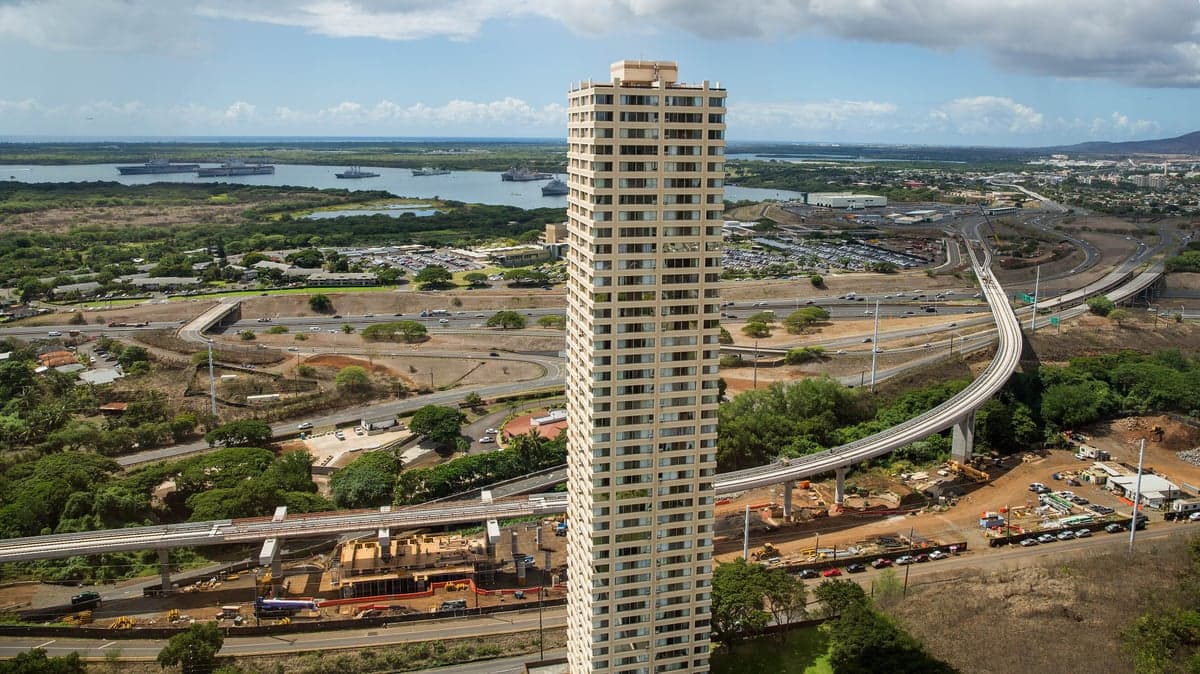
Photo: Wikipedia
Political ClimatePolitical Climate in Pearl City, HI
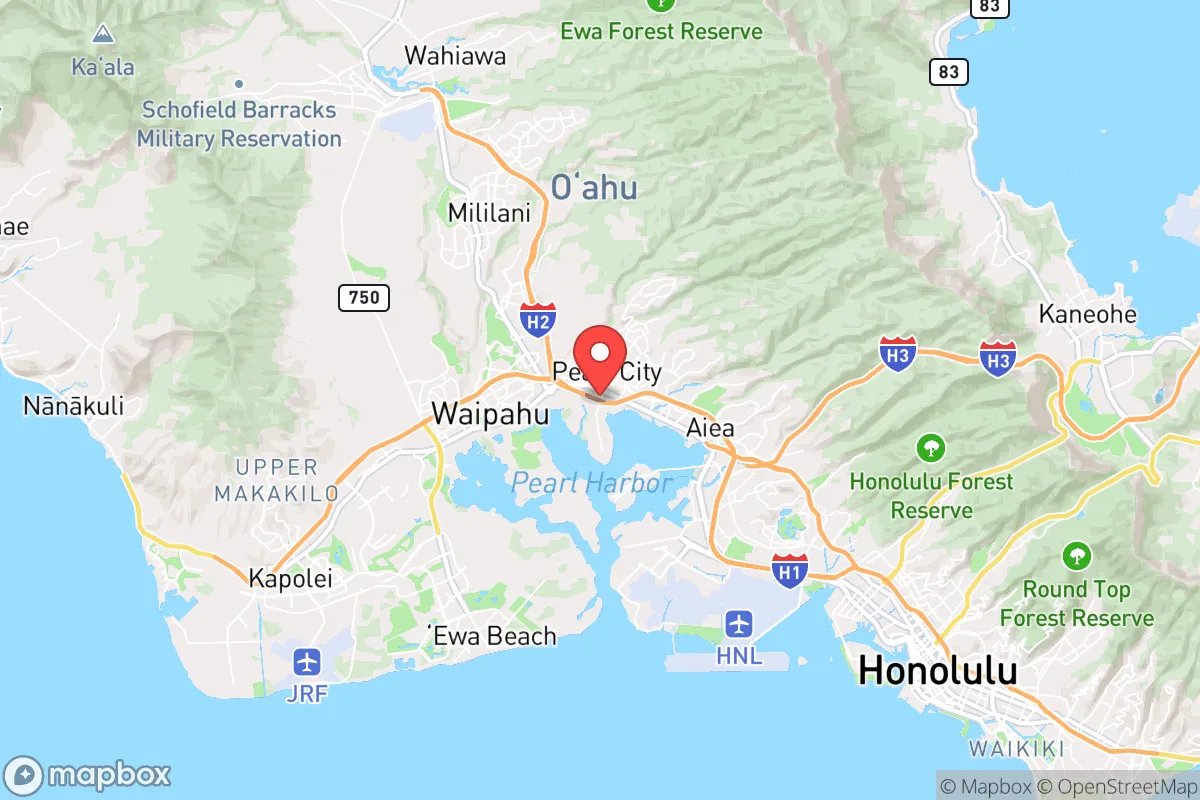
District shown is the primary district for this city’s centroid. Cities may span multiple districts.
Local Political AnalysisPolitical Analysis of Pearl City, HI
Pearl City, Hawaii, leans heavily Democratic with a Cook PVI of D+13, meaning it votes about 13 points more Democratic than the national average. In practical terms, that’s a solid blue stronghold where progressive candidates routinely win by double digits. But if you’ve lived here as long as I have, you know the political vibe wasn’t always this lopsided. Back in the 90s and early 2000s, Pearl City had a more balanced mix—plenty of union workers, military families, and small business owners who voted on local issues, not party lines. Over the last decade, though, the shift has been unmistakable: younger transplants from the mainland and a growing activist class have pushed the area further left, and with it, a lot of the old-school “live and let live” attitude has faded.
How it compares
Drive 15 minutes west to Mililani or Waipahu, and you’ll find a similar D+10 to D+12 tilt—same story, just a little less intense. But head east toward Hawaii Kai or up into the more rural parts of Windward Oahu like Kailua, and you’ll hit pockets that are actually more moderate, sometimes even leaning Republican in local races. The real contrast is with the neighbor islands: places like Hilo or Kona on the Big Island have a much stronger independent streak, with libertarian-leaning farmers and ranchers who vote against any new tax or regulation. Pearl City, by contrast, has become a place where the city council and state legislature feel free to pass new mandates—like plastic bag bans, stricter rental rules, and higher property taxes—without much pushback from voters. It’s a one-party town now, and that lack of competition means fewer brakes on government overreach.
What this means for residents
For the average family here, the political climate translates into a steady creep of regulations that affect daily life. Want to put up a fence without a permit? Good luck—the county has tightened building codes year after year. Thinking about starting a home-based business? You’ll need to navigate a thicket of licensing and zoning rules that didn’t exist 15 years ago. Property taxes have climbed steadily, and there’s constant talk of new “impact fees” on everything from car registrations to trash collection. The schools, meanwhile, have become a battleground for progressive curriculum changes—more emphasis on social justice topics, less on traditional academics. If you value personal freedom and low taxes, you’ll feel the squeeze. The upside? Public services are decent, and the parks are well-maintained. But the trade-off is that your wallet and your autonomy take a hit every election cycle.
One cultural distinction that stands out is the local resistance to statewide housing reforms. While Honolulu pushes for high-density development and rent control, Pearl City’s long-time residents—many of them Filipino and Japanese families who’ve been here for generations—tend to vote against those measures, fearing they’ll change the character of the neighborhood. That’s a rare flash of conservative instinct in an otherwise blue area. But don’t expect it to last. As more mainlanders move in and the old guard ages out, the progressive agenda will likely tighten its grip. If you’re considering a move here, keep an eye on the next few local elections—they’ll tell you whether Pearl City stays a place where you can still breathe, or becomes just another cookie-cutter progressive enclave.

State Political ClimatePolitical Climate in Hawaii
State Political AnalysisPolitical Environment in the State
Hawaii has been a one-party Democratic stronghold for decades, with Democrats holding supermajorities in both legislative chambers and every statewide office since 2010. The state’s overall partisan lean is roughly D+20 in presidential elections, but that masks a deep and growing urban-rural split that has shifted the political center of gravity. Over the last 10-20 years, the coalition has moved from a moderate, union-driven Democratic machine to a more progressive, activist-dominated one, especially on Oahu. For a conservative-leaning individual or family, the trajectory is concerning: the state’s politics are becoming less about local autonomy and more about top-down mandates from Honolulu.
Urban vs. rural divide
The political map of Hawaii is essentially a battle between the urban core of Honolulu on Oahu and the rest of the state. Honolulu and its suburbs (like Waipahu and Kaneohe) drive the Democratic supermajority, with precincts routinely voting 70-80% Democratic. The rest of Oahu, particularly the windward side and the North Shore, leans more moderate but still reliably blue. The real contrast is with the neighbor islands. Hawaii Island (the Big Island) is a mixed bag: the Kona and Kohala coasts lean Republican, while Hilo and Puna are progressive strongholds. Maui County is swingy, with upcountry areas like Kula and Makawao voting Republican, while the resort-heavy south coast votes blue. Kauai is more uniformly Democratic but with a libertarian streak, especially in rural areas like Hanalei. The rural-urban divide is stark: outside of Honolulu, you find more independent voters, more gun owners, and more skepticism of the state government’s one-size-fits-all approach. The 2022 gubernatorial election saw Republican candidate Duke Aiona win the Big Island and Maui County, but lose badly on Oahu, highlighting the geographic split.
Policy environment
Hawaii’s policy environment is a mixed bag for conservatives. On the plus side, the state has no property tax on owner-occupied homes (a huge benefit for homeowners) and no tax on Social Security income. But the trade-offs are steep. The state income tax is among the highest in the nation, with a top marginal rate of 11% on income over $200,000. The general excise tax (GET) is a regressive 4% on nearly everything, including services, and it’s often passed on to consumers. Regulatory costs are crushing: housing construction is strangled by a thicket of county-level permitting, environmental reviews, and a powerful hotel-union lobby that blocks new development. Education policy is dominated by a single statewide school district, the Hawaii Department of Education, which means parents have almost no local control. School choice is limited to a few charter schools and a weak voucher program. Healthcare is heavily regulated, with the state’s Prepaid Health Care Act mandating employer-provided insurance, which drives up costs for small businesses. Election laws are relatively open: same-day registration, no-excuse absentee voting, and a permanent absentee list. There is no voter ID law, which has raised concerns about election integrity among conservatives.
Trajectory & freedom
Hawaii is moving in a direction that should alarm anyone who values personal liberty. The state has some of the strictest gun laws in the nation, including a ban on “assault weapons” (defined broadly), a 14-day waiting period, and a requirement that all firearm sales go through a licensed dealer. In 2023, the legislature passed a bill banning the open carry of firearms, even with a permit, and a “sensitive places” law that effectively bans carry in most public spaces. Parental rights are under assault: the state’s Department of Education has adopted policies that allow students to change their names and pronouns without parental notification, and the legislature has repeatedly blocked bills that would require schools to inform parents. Medical autonomy is also restricted: Hawaii has a strict vaccine mandate for schoolchildren, and during COVID, the state had one of the longest and most restrictive lockdowns in the country, with a mandatory 14-day quarantine for all arrivals. Property rights are weak: the state’s Land Use Commission has near-total control over zoning, and the county boards of variance are notoriously slow. The trend is clear: more government control, less individual freedom.
Civil unrest & political movements
Hawaii has a history of civil unrest, but it’s often framed as “aloha spirit” rather than political protest. The most visible flashpoint in recent years was the Mauna Kea telescope protests in 2019, where activists (a mix of Native Hawaiian sovereignty groups, environmentalists, and left-wing activists) blocked construction of the Thirty Meter Telescope. The state government, under Governor David Ige, initially supported the project but then caved to the protesters, creating a chaotic situation that dragged on for months. The sovereignty movement is a persistent undercurrent, with some groups advocating for secession from the United States. On the right, there is a small but vocal libertarian and conservative movement, centered on the Big Island and Maui, that focuses on property rights, gun rights, and opposition to vaccine mandates. Immigration politics are relatively quiet, as Hawaii has a large immigrant population (mostly from Asia and the Pacific) but no sanctuary city policies. Election integrity has been a low-level concern: the 2020 election saw a massive surge in mail-in voting, and the state’s lack of voter ID has led to some calls for reform, but no major scandals have emerged. The most visible political movement is the progressive wing of the Democratic Party, which has pushed for rent control, a state-run health insurance system, and a “green new deal” for Hawaii.
Projection
Over the next 5-10 years, Hawaii is likely to become even more progressive, driven by demographic shifts and in-migration from the mainland. The state’s population is aging and declining, with young people leaving for cheaper states. The people moving in are often wealthy retirees or remote workers from California, who bring their progressive politics with them. The Democratic supermajority is unlikely to be challenged, as the Republican Party is weak and fractured. The most likely scenario is a continued drift toward single-party rule, with the legislature passing more regulations, higher taxes, and more restrictions on personal freedom. The housing crisis will worsen, as the state’s regulatory apparatus blocks new construction. The only wild card is the sovereignty movement: if it gains traction, it could disrupt the political status quo, but it’s more likely to remain a fringe issue. For a conservative moving in, the next decade will feel like a slow-motion version of California’s trajectory: more government, less freedom, and a higher cost of living.
Bottom line for a new resident: If you value low taxes, personal liberty, and local control, Hawaii is a tough place to live. The natural beauty is unmatched, but the political climate is increasingly hostile to conservative values. You’ll find like-minded communities on the Big Island and Maui, but you’ll be fighting an uphill battle against a state government that sees itself as your caretaker. If you’re willing to pay the price in taxes and regulations, the lifestyle can be rewarding. But don’t expect the political winds to shift anytime soon.
* Values derived from national, state, county, city and local statistics and may differ in a specific area. Last updated: 2026-04-24T00:03:02.000Z
Narrative content on this page is AI-generated and may contain mistakes. Verify any details that matter before acting on them.
ReloMaps may earn a commission from affiliate links at no extra cost to you.

