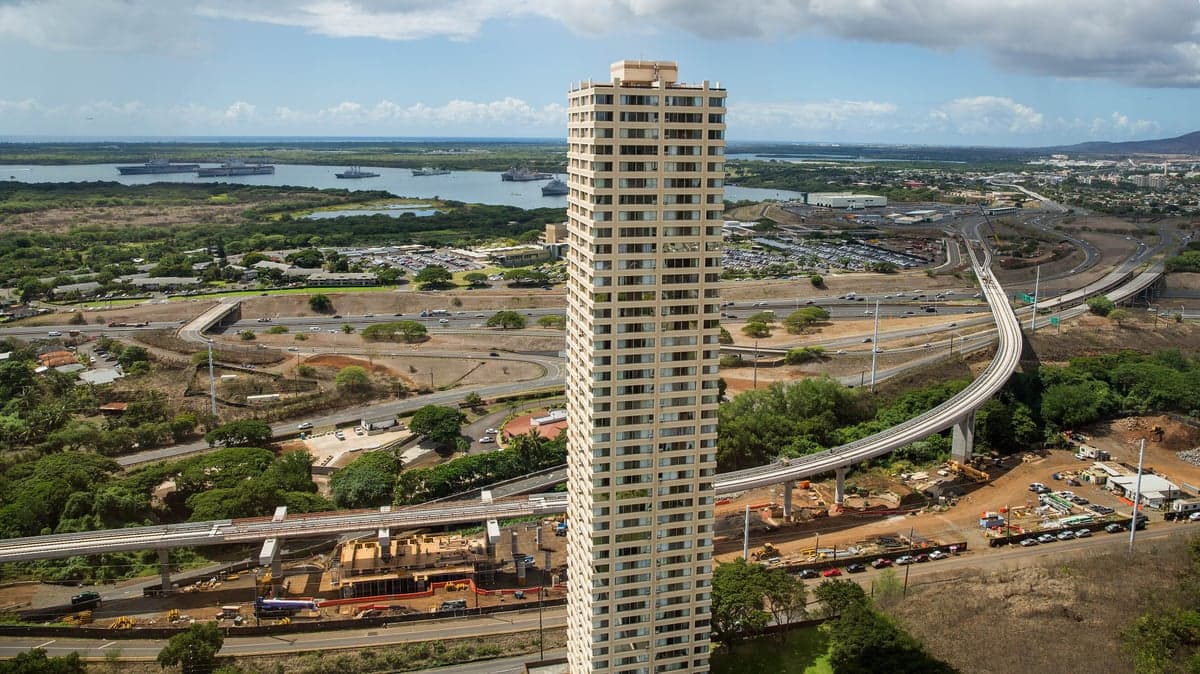
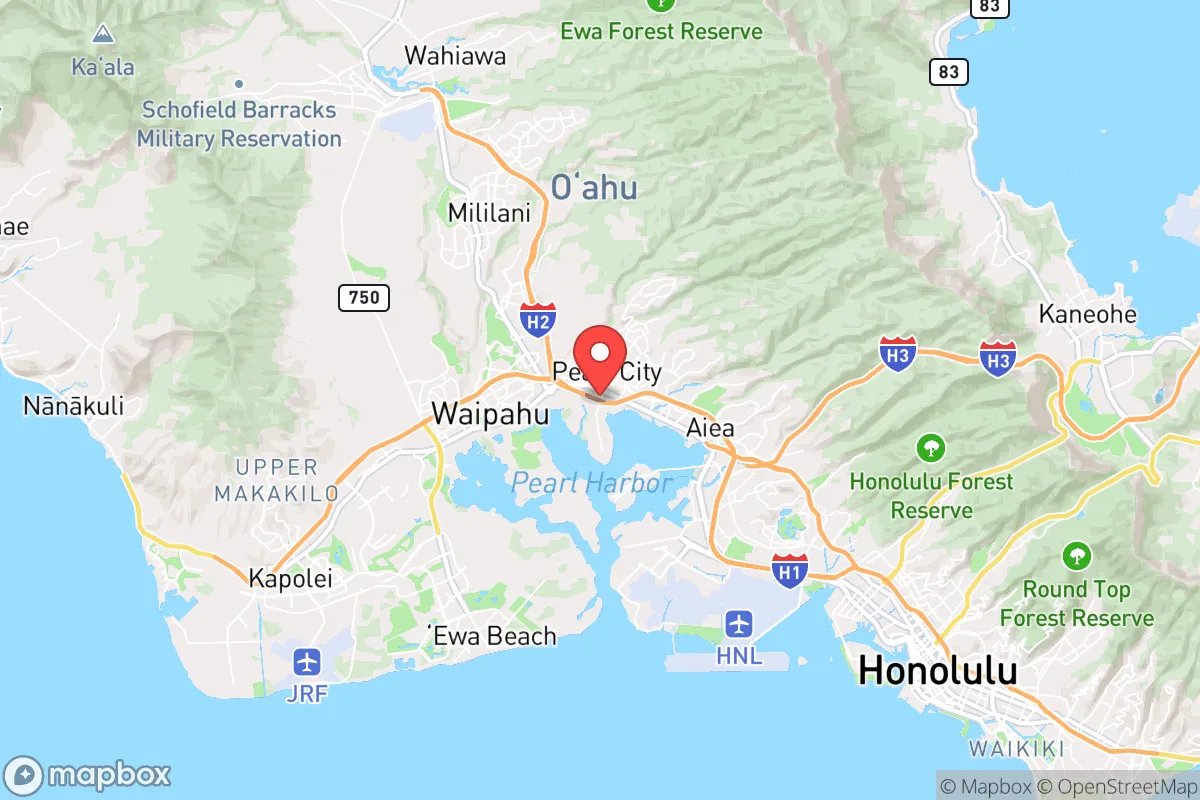
Photo: Wikipedia
Quality of Life in Pearl City, HI
A high quality of life with strong walkability, manageable living costs, healthy neighborhood signals, and solid amenity access.
What does Quality of Life tell us?
Quality of Life blends cost of living, nearby amenities, socioeconomic signals, and neighborhood character. City-level scores represent the whole municipality; individual neighborhoods can differ.
What does this tell us?
Quality of Life blends cost of living, nearby amenities, socioeconomic signals, and neighborhood character. City-level scores represent the whole municipality; individual neighborhoods can differ.
Cost of Living
144% above national average
The Real Cost of Living in Pearl City, HI for 2026
| Tier | Individual | Family (4) |
|---|---|---|
| Survival | $37k | $70k |
| Comfortable | $114k | $167k |
| Luxury | $166k+ | $258k+ |
| Elite (Top 5%) | $196k+ | $303k+ |
69%
The Area Signal
A metric tracking the socioeconomic signals of the area.
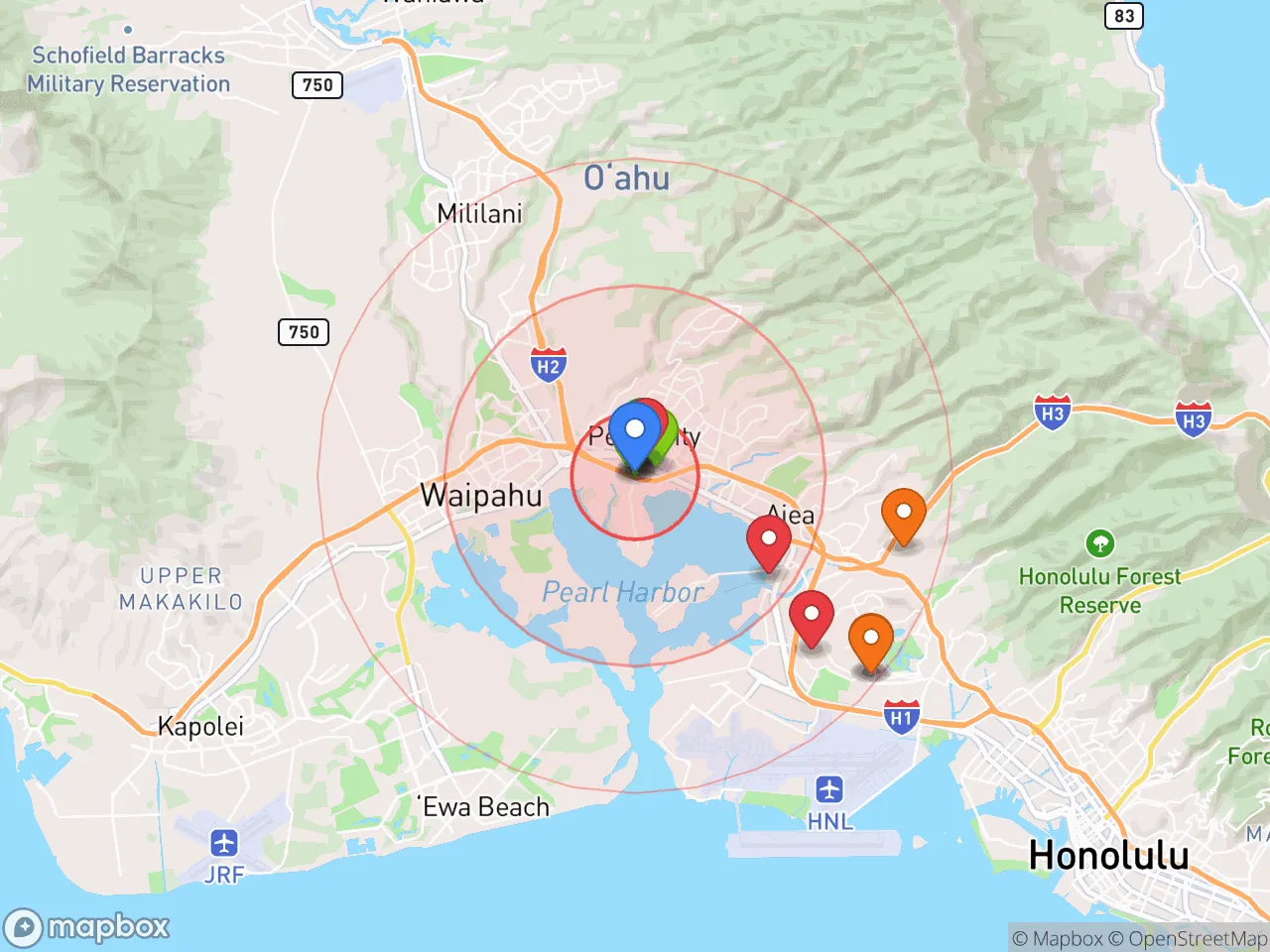
Hobbies
Explore the areaGroceries
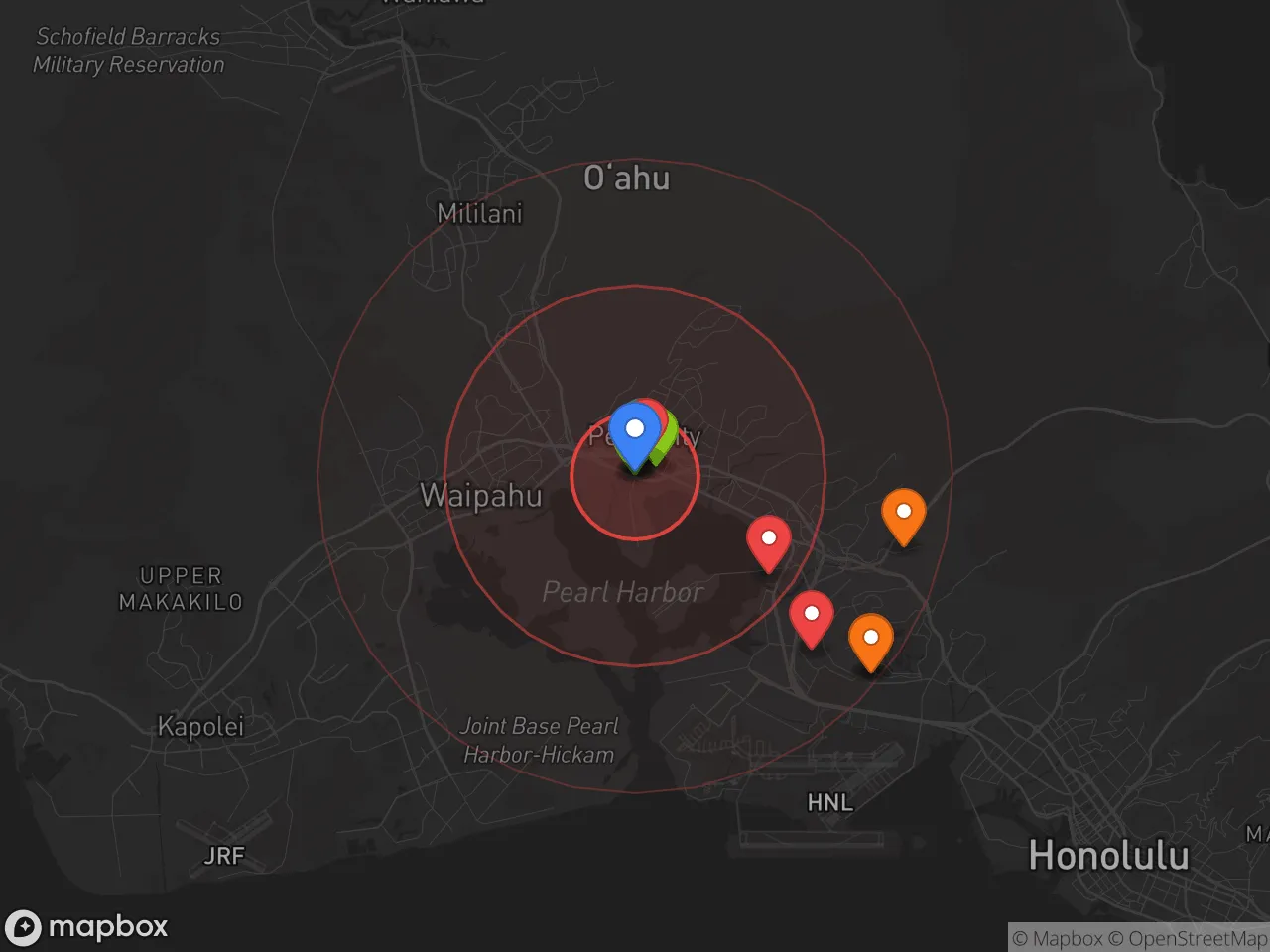
5 within 10 miles
Gas
20 within 10 miles
Hospital
16 within 20 miles
Airport
Daniel K. Inouye International Airport
Post Office
USPS — Pearl City, HI
Critical Amenities
Quality-of-Life Analysis
Pearl City, Hawaii, presents a quality of life defined by suburban comfort and a high cost of living, attracting a mix of long-established local families, military personnel connected to Joint Base Pearl Harbor-Hickam, and professionals commuting to Honolulu. With a cost of living index of 244—more than double the U.S. average—the area is affluent by national standards, yet it remains more accessible than Honolulu proper, offering a quieter, family-oriented alternative on Oahu’s central plain. The population skews toward middle- and upper-middle-income households who prioritize space, community, and proximity to both urban jobs and island recreation.
Cost of living, housing, and affordability compared to Honolulu and Kapolei
Pearl City’s cost of living is steep but notably lower than Honolulu’s, where the index often exceeds 260. The median home value of $872,200 is roughly 15% below Honolulu’s median, while the median rent of $2,338 undercuts downtown rates by several hundred dollars. Compared to Kapolei, a newer planned community to the west, Pearl City offers older, more established neighborhoods with larger lots and more mature landscaping, often at a slight price premium. Affordability remains a challenge: a household earning the area’s median income of about $95,000 would spend roughly 35% of gross income on a mortgage at current rates, pushing many toward renting or multi-generational living. The average commute of 27 minutes is shorter than the 35-minute average from Kapolei or the 30-minute average from Ewa Beach, making Pearl City a pragmatic choice for workers at Pearl Harbor, Hickam Air Force Base, or downtown Honolulu.
What daily life is like for families: schools, shopping, and recreation
Daily life in Pearl City revolves around its well-regarded public schools, including Pearl City High School and Momilani Elementary, both part of a district that consistently ranks above state averages in test scores. The area is served by the Pearl City Shopping Center and the nearby Pearl Highlands Center, which provide grocery stores, restaurants, and big-box retail without requiring a trip to Ala Moana. Recreation centers on the Pearl City District Park, which features a pool, tennis courts, and sports fields, and the nearby Pearl Harbor Historic Sites offer both education and waterfront access. The rhythm is distinctly suburban: mornings see a steady flow of cars toward the H-1 freeway, afternoons fill the parks with youth sports, and evenings are quiet, with few late-night entertainment options. The climate is consistently warm and humid, with trade winds moderating the heat, and the area’s position on the leeward side means less rainfall than windward communities like Kailua.
Pearl City is best suited for families and professionals who value a stable, community-oriented environment and can absorb the high housing costs. It works well for military families stationed at nearby bases, for commuters who want a shorter drive than from Kapolei, and for those who prefer a slower pace than Honolulu’s urban core. Singles or young professionals seeking nightlife and walkability will find the area too car-dependent and subdued. For anyone prioritizing good schools, a manageable commute, and a strong sense of local identity, Pearl City offers a balanced—if expensive—quality of life on Oahu.

Crime in Pearl City, HI
Generally safer than 64% of comparable U.S. locations.
Violent CrimeViolent Crime Analysis
Property CrimeProperty Crime Analysis
Crime Analysis
Pearl City, Hawaii, presents a mixed safety profile that requires careful examination. While its violent crime rate of 200.2 incidents per 100,000 residents is notably lower than the national average, its property crime rate of 1,586.9 per 100,000 is significantly higher, placing it above both state and national benchmarks. This combination of low violent crime but elevated property crime is a pattern seen in many suburban communities within large metro areas, and the influence of progressive judicial policies in Honolulu County adds a layer of concern for potential residents.
Crime in context
Pearl City’s violent crime rate is roughly half the U.S. national average, making it a relatively safe place for personal safety compared to mainland cities of similar size. However, the property crime rate is about 30% higher than the national average and well above the Hawaii state average. This disparity is critical: residents face a tangible risk of theft, burglary, and vehicle break-ins. The broader context of Honolulu County, which encompasses Pearl City, is important. The county’s elected prosecutors and judges have increasingly adopted progressive, offender-focused approaches, including diversion programs and reduced sentencing for non-violent property crimes. While these policies aim to reduce incarceration, they can result in repeat offenders cycling through the system, directly undermining public safety and leaving victims with little recourse.
What residents experience
For those living in Pearl City, daily life is generally safe from violent confrontations, but property crime is a persistent nuisance. Residents commonly report package thefts from porches, unlocked car break-ins, and occasional home burglaries, particularly in neighborhoods near major thoroughfares like Kamehameha Highway. The presence of a large shopping center, Pearl City Gateway, and the nearby Pearlridge Center mall creates a concentration of targets for theft. The progressive justice philosophy in Honolulu County means that many property crime arrests do not lead to meaningful jail time, fostering a sense among some residents that the system prioritizes offender rehabilitation over victim protection. This can erode trust in law enforcement and encourage a "lock it up" mentality among homeowners.
Neighborhood-level variation is noticeable. Areas like Manana and Waimalu, with denser multi-family housing and easier access to transit, tend to report higher property crime rates. In contrast, the more affluent, single-family home neighborhoods in the hills above Pearl City, such as Pacific Palisades, experience fewer incidents. Overall, while Pearl City is not a high-violence area, the combination of elevated property crime and a justice system perceived as lenient creates a safety environment where vigilance is necessary, particularly regarding personal property.
* Values derived from national, state, county, city and local statistics and may differ in a specific area. Last updated: 2026-04-24T00:03:02.000Z
Narrative content on this page is AI-generated and may contain mistakes. Verify any details that matter before acting on them.
ReloMaps may earn a commission from affiliate links at no extra cost to you.

