Photo: Wikipedia
Find The Best Places To Live
in Wahiawa
PRO TIP! You can paste a Zillow or Redfin link to get info on that property.
What It's Like Living in Wahiawa, HI
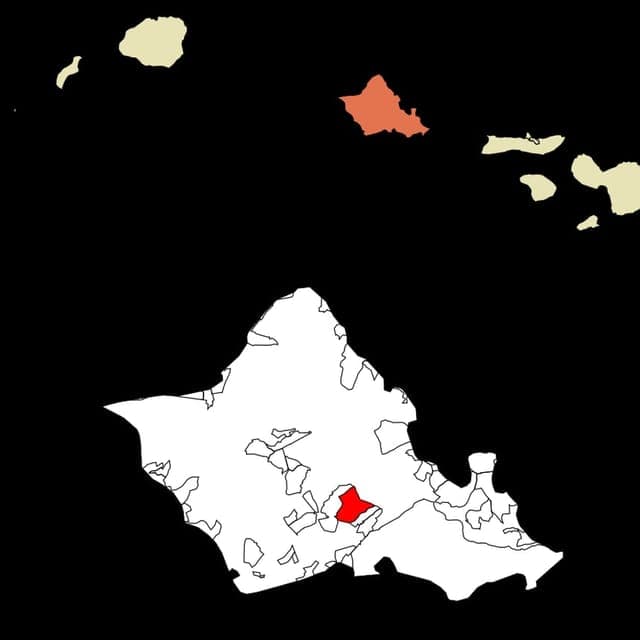
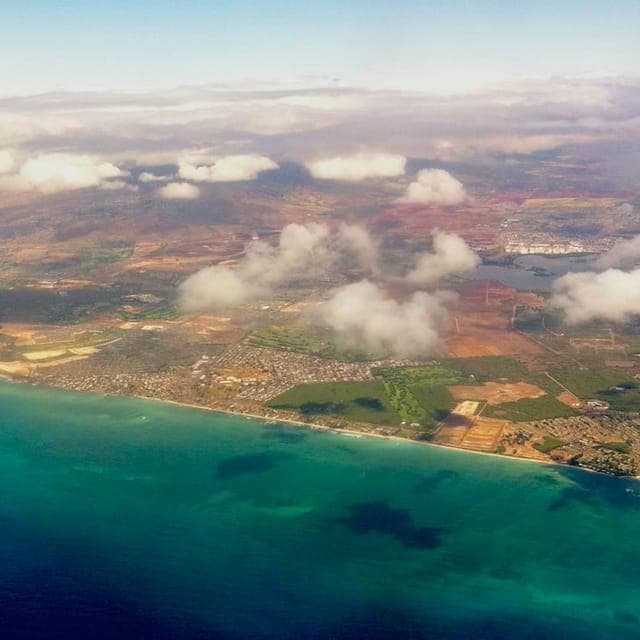
Wahiawa sits right in the middle of Oahu, a working-class town that feels a world away from the tourist crowds of Waikiki. It’s a place where the rhythm is set by military life, local plate lunches, and the red dirt of the central plains—more about community than beachfront glamour. If you’re looking for a quieter, more grounded slice of island living with a strong sense of identity, this might be your spot.
Daily Rhythm in the Center of the Island
Life in Wahiawa moves at a steady, unflashy pace. Most mornings start with a coffee from a local spot like Koa Pancake House or a quick plate from L&L Hawaiian Barbecue, then a commute that averages about 33 minutes—long enough to feel the island’s traffic, but shorter than trips from the far West or East sides. The town’s population of roughly 17,515 means you’ll recognize faces at the grocery store, but it’s not so small that everyone knows your business. Shopping is practical: Wahiawa Shopping Center and Walmart handle daily needs, while Sam Sato’s is the legendary spot for dry mein and manju that locals swear by. Weekends often mean a hike up Ka‘ala Trail in the nearby Waianae Mountains, or a lazy afternoon at Lake Wilson (Wahiawa Reservoir), where you can fish or just watch the birds. The median age here is 39.8, and the median household income sits at $86,883—comfortable enough for a family, but the cost of living index of 176 (nearly double the national average) means you’re paying a premium for that central location.
Sports, Schools, and Community Ties
High school sports are a big deal in Wahiawa. Leilehua High School and Wahiawa Middle School are the anchors, with Friday night football games drawing crowds of parents, alumni, and military families from nearby Schofield Barracks and Wheeler Army Airfield. The Mules (Leilehua’s team) have a fierce rivalry with Mililani, and you’ll hear about it at Pizza Bob’s or the Wahiawa Bowling Center after games. There’s no pro sports team in town, but the University of Hawaii at Manoa’s Rainbow Warriors get solid support from locals who make the 30-minute drive for games. The schools themselves are a mixed bag—some are well-regarded, but the community leans heavily on after-school programs and church groups to fill gaps. With only 23.9% of adults holding a college degree, education is often a practical choice: many kids go straight into trades, the military, or local service jobs after graduation.
What’s There to Do (and What Frustrates)
Entertainment is low-key but genuine. The Wahiawa Botanical Garden is a hidden gem—free, quiet, and full of native plants. For festivals, Wahiawa Pineapple Festival in April is the big one, celebrating the town’s agricultural roots with food booths, live music, and a parade. Bars are more about dive-y comfort than nightlife: Club 908 and Wahiawa Tavern are where you’ll find karaoke and locals catching up. Outdoor lovers have it good—the Koolau Mountains offer trails like the Poamoho Ridge, and the North Shore’s famous beaches are only 20 minutes away. But the pros come with real cons. Traffic on Kamehameha Highway can be brutal during peak hours, and the violent crime rate of 200.2 per 100,000 is higher than the national average—something to keep in mind, especially for single women or parents. Longtime residents also grumble about the lack of variety in restaurants (lots of plate lunch, not much else) and the fact that the median home value of $716,800 puts homeownership out of reach for many, even with that decent median income.
Cultural Quirks and Practical Realities
Wahiawa has a distinct local identity shaped by its plantation history and military presence. You’ll hear pidgin English in the checkout line, and the town’s “red dirt” (iron-rich soil) stains everything—shoes, cars, even dogs. The weather is consistently warm and humid, with a rainy season from November to March that can make the dirt roads slick. One cultural quirk: the town is deeply tied to the Hawaii Army National Guard and active-duty personnel, so you’ll see “Welcome Home” banners for deployed units and a strong sense of patriotism. For parents, the schools are a focal point—PTA meetings are well-attended, and the Wahiawa Public Library runs summer reading programs that actually get kids in the door. The biggest practical reality? You need a car. Public transit is limited, and the 33-minute average commute hides the fact that a trip to Honolulu can easily stretch to an hour. If you’re a single professional or a family looking for a tight-knit, no-frills community with easy access to both the mountains and the North Shore, Wahiawa delivers—just come ready for the traffic, the cost, and the red dirt that never quite washes out.

Similar towns to Wahiawa
* Values derived from national, state, county, city and local statistics and may differ in a specific area. Last updated: 2026-04-24T13:20:22.000Z
Narrative content on this page is AI-generated and may contain mistakes. Verify any details that matter before acting on them.
ReloMaps may earn a commission from affiliate links at no extra cost to you.

