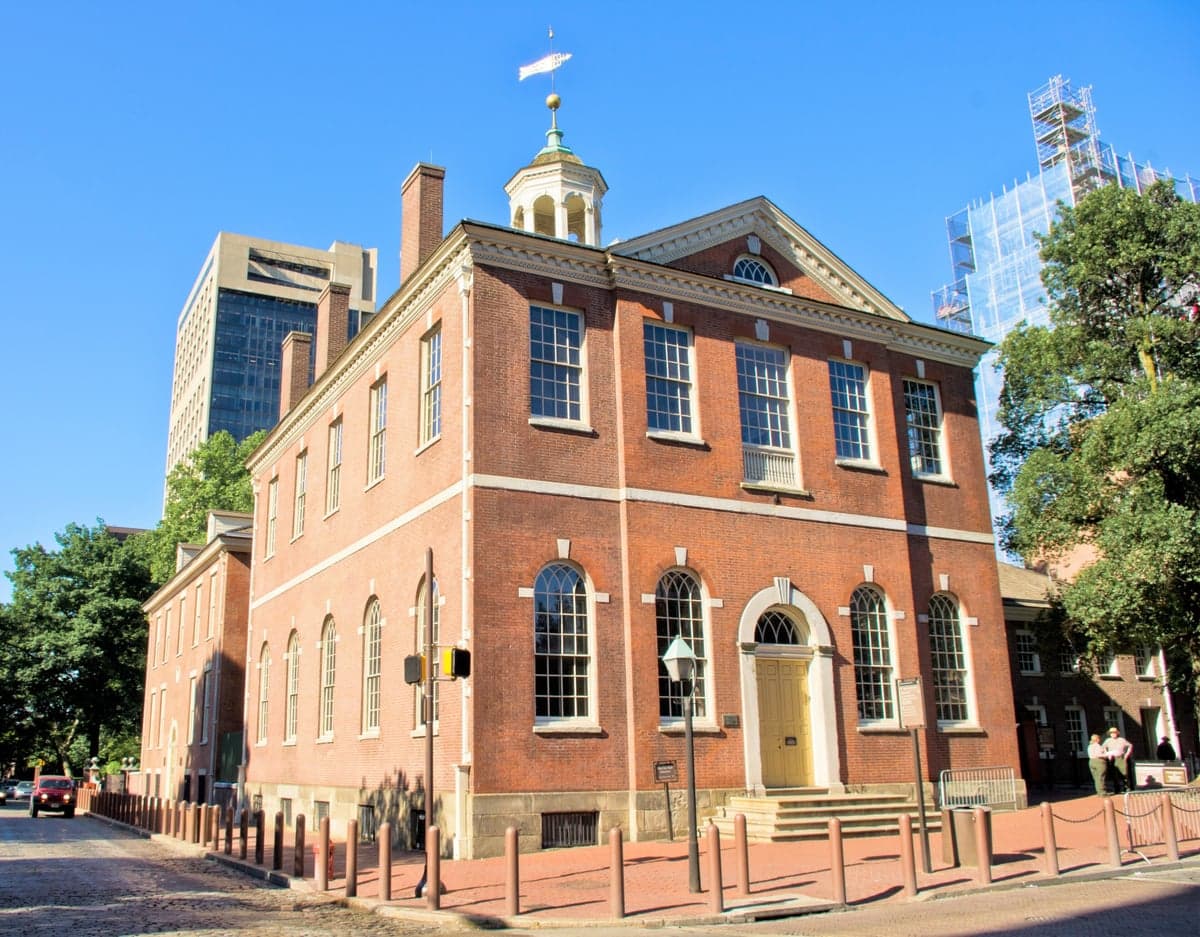
Photo: Wikipedia
Strategic Assessment of Philadelphia County
Multiple tactical vulnerabilities. Population density, target proximity, or disaster risk are likely compounding. A retreat property and exit planning is required.
What does the Strategic Assessment tell us?
Our Strategic Assessment grades tactical survivability of an area. Major population centers, military targets, fallout zones, natural disasters, and border exposure all drive risk — lower exposure means a more defensible position in a crisis.
This is heavily inspired by Joel Skousen's Strategic Relocation book. Highly recommended you checkout the book ($)What does this tell us?
Our Strategic Assessment grades tactical survivability of an area. Major population centers, military targets, fallout zones, natural disasters, and border exposure all drive risk — lower exposure means a more defensible position in a crisis.
This is heavily inspired by Joel Skousen's Strategic Relocation book. Highly recommended you checkout the book ($)Strategic Pillars

Key Distances
Strategic Assessment Analysis
Philadelphia County, Pennsylvania, presents a complex strategic picture for the relocation-minded individual or family prioritizing resilience and self-sufficiency. While the county is the urban core of a major metropolitan area—a factor that inherently introduces significant risk—its specific geographic position within the Delaware Valley offers a mix of natural advantages and pronounced vulnerabilities that demand careful consideration. This assessment focuses on the county's location, its exposure to both natural and man-made threats, and the practical realities of daily life for a relocator with a conservative, preparedness-oriented mindset.
Geographic position and natural advantages of Philadelphia County
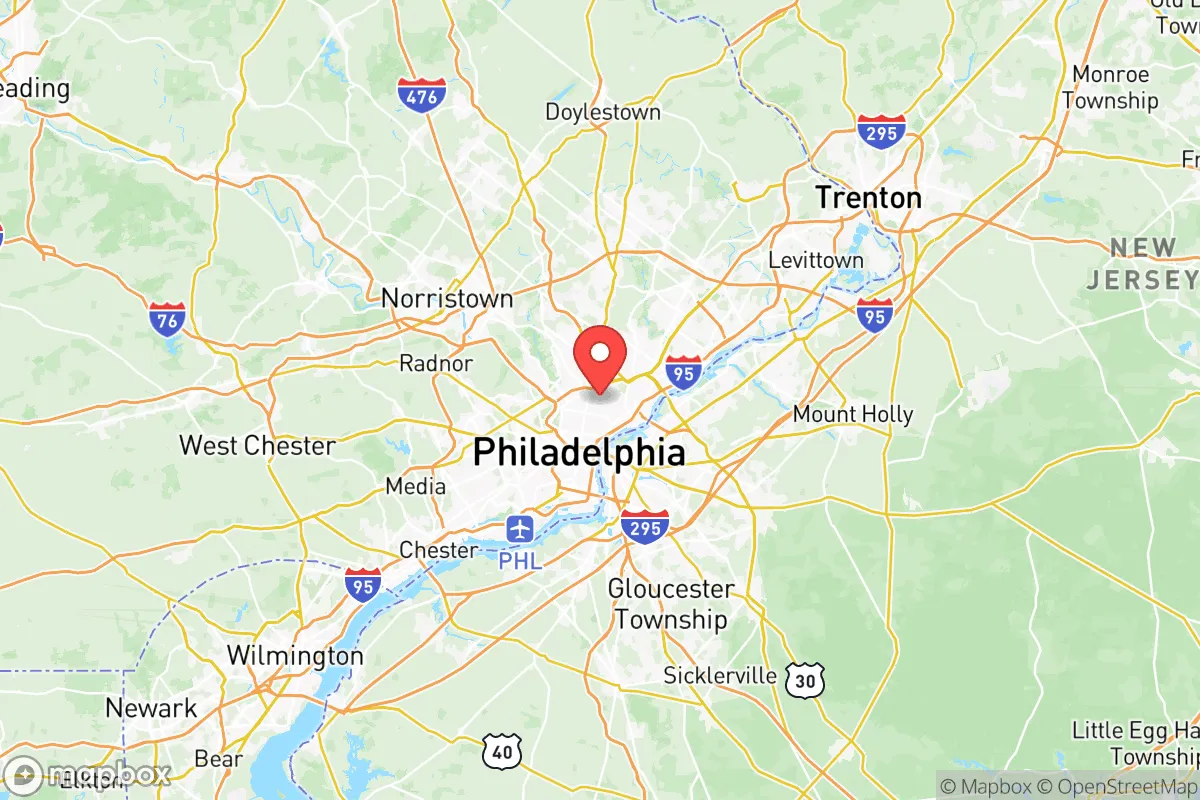
Philadelphia County is coterminous with the city of Philadelphia, situated at the confluence of the Delaware and Schuylkill Rivers, roughly 100 miles southwest of New York City and 135 miles northeast of Washington, D.C. This location places it within the densely populated Northeast Corridor, a strategic disadvantage for those seeking to avoid population-dense targets. However, the county does possess some natural attributes. The region's temperate climate supports a growing season of roughly 170-200 days, allowing for substantial backyard or community garden food production. The area is not prone to the most severe natural disasters: it lies outside the primary hurricane landfall zone (though it can experience remnants and tropical storms), has no significant wildfire risk, and is in a low-to-moderate seismic zone. The primary natural hazard is flooding from the Delaware and Schuylkill Rivers and their tributaries, particularly in low-lying neighborhoods like Eastwick and Manayunk. The county's position within the Piedmont region provides varied topography, with some elevated areas in the northwest (Chestnut Hill, Mount Airy) that offer better drainage and defensible positions compared to the flat, flood-prone coastal plain to the south and east.
Risks, exposures, and proximity to fallout-relevant landmarks
The most significant strategic liability for Philadelphia County is its concentration of high-value, high-risk infrastructure and its location within a major metropolitan area. The county is home to the Philadelphia Naval Shipyard, a major industrial and military facility, and the Philadelphia International Airport, both of which are potential primary or secondary targets in a conflict scenario. The county also hosts the PES Refinery (formerly Philadelphia Energy Solutions), a massive oil refining complex on the Schuylkill River that, even in partial operation, represents a significant hazardous materials risk. Proximity to the Delaware River shipping channel, which carries petrochemicals and other hazardous cargo, adds another layer of risk. Furthermore, the county is within the fallout plume radius of potential targets in the Northeast Corridor, including New York City and Washington, D.C. The presence of Fort Dix and McGuire Air Force Base in nearby New Jersey, as well as the Aberdeen Proving Ground in Maryland, further increases the regional concentration of military and strategic assets. For a relocator, the county's dense urban population (over 1.5 million) also presents challenges for evacuation, as major highways like I-95, I-76, and the Schuylkill Expressway are notoriously congested even in normal conditions.
Practical resilience for a relocator: food, water, energy, and defensibility
For a family or individual focused on self-sufficiency, Philadelphia County presents significant hurdles. Food security is a major concern: the county is heavily dependent on the national food distribution network, with limited local agricultural production within its borders. While the Reading Terminal Market and numerous farmers' markets provide access to fresh food, they are not a substitute for a resilient local food system. Community gardens and urban farms exist but are insufficient to support the population in a crisis. Water security is equally problematic. The county draws its drinking water from the Delaware and Schuylkill Rivers, both of which are vulnerable to contamination from industrial accidents, upstream releases, or deliberate sabotage. The Baxter Water Treatment Plant and Belmont Water Treatment Plant are critical infrastructure points. A household would need to invest in significant water storage and filtration capacity. Energy resilience is poor: the grid is aging and subject to outages from storms and peak demand. While natural gas is widely available, reliance on a centralized grid for electricity is a vulnerability. Solar panel installation is possible but often restricted by dense urban housing stock and homeowners' association rules in some neighborhoods. Defensibility is the weakest point. The county's dense, interconnected urban fabric makes it difficult to secure a single property or neighborhood. The high population density also means that any localized crisis could quickly escalate into a region-wide problem. The best options for a relocator seeking defensibility would be the more suburban or semi-rural fringes of the county, such as the far northeast (e.g., Holmesburg, Torresdale) or the northwest (e.g., Chestnut Hill, Mount Airy), where larger lots and more tree cover offer some buffer. However, even these areas are within easy reach of the urban core and its associated risks.
In the overall strategic picture, Philadelphia County is a high-risk, low-resilience location for a relocator prioritizing disaster readiness and self-sufficiency. Its dense population, concentration of critical infrastructure, and position within the Northeast Corridor make it a likely target or secondary-impact zone in a major conflict or national emergency. While the region's climate and growing season offer some potential for local food production, the practical challenges of water security, energy independence, and defensibility are substantial. For the conservative, preparedness-minded individual or family, the county's urban core is best avoided. The more viable options within the county—the far northeast or northwest—still carry significant risk due to their proximity to the city and its vulnerabilities. A more strategic relocation would likely involve looking further outward to the surrounding counties of Bucks, Montgomery, or Chester, where lower population density, more land, and better access to natural resources offer a more resilient foundation for long-term self-sufficiency. Philadelphia County, for all its historical and cultural richness, is not a location that lends itself to the kind of strategic independence that a serious preparedness plan requires.

* Values derived from national, state, county, city and local statistics and may differ in a specific area. Last updated: 2026-08-08T13:14:41.000Z
Narrative content on this page is AI-generated and may contain mistakes. Verify any details that matter before acting on them.
ReloMaps may earn a commission from affiliate links at no extra cost to you.

