Photo: Wikipedia
Political ClimatePolitical Climate in Pleasant Grove, UT
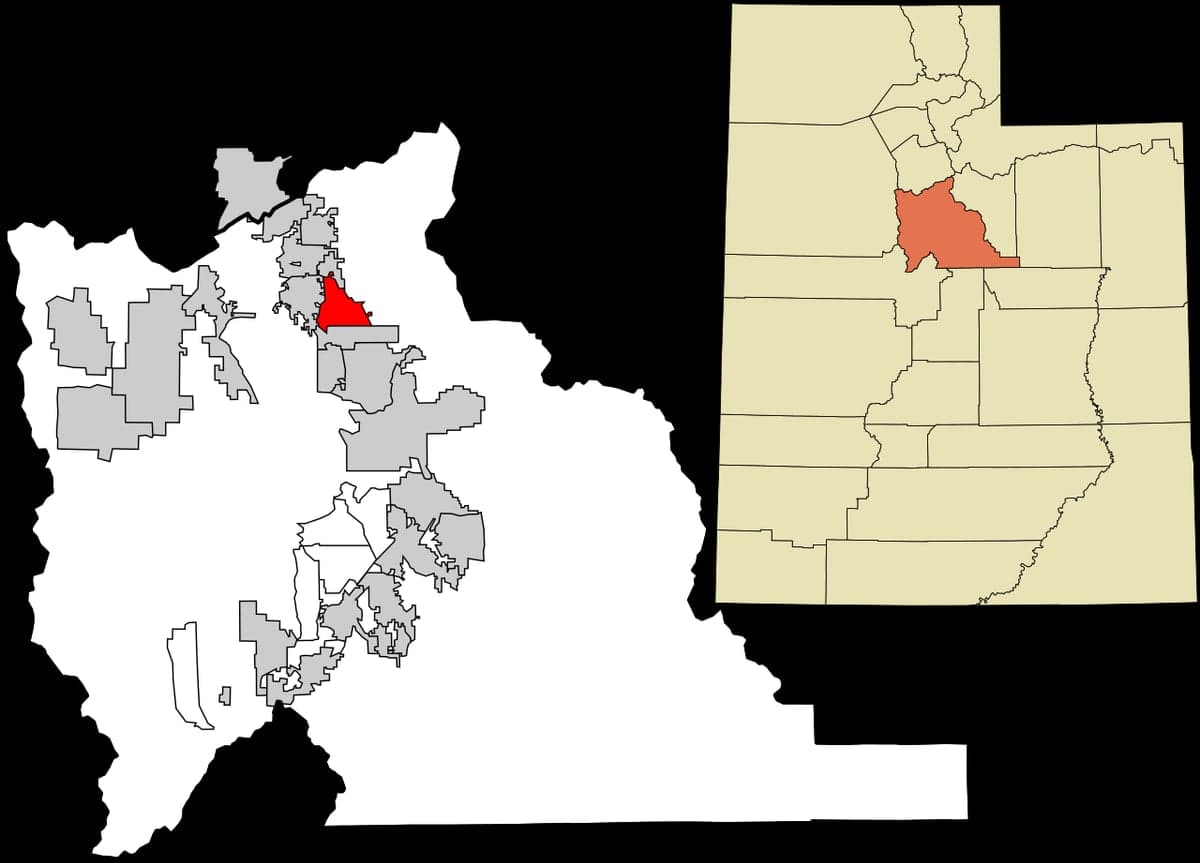
District shown is the primary district for this city’s centroid. Cities may span multiple districts.
Local Political AnalysisPolitical Analysis of Pleasant Grove, UT
Pleasant Grove has long been a rock-solid conservative community, and that hasn’t changed much despite some shifting winds in Utah County. The Cook PVI of R+10 tells you the basics—this place votes Republican by a comfortable margin in nearly every election—but the real story is deeper. We’re talking about a town where the local Republican Party caucus meetings still pack the high school gym, and where the “Pleasant” in the name isn’t just for show; it reflects a genuine preference for limited government and traditional values. That said, you can feel a subtle tension creeping in as nearby Provo and Orem get younger and more transient, with some progressive ideas seeping up from the university crowd. For a long-time resident like me, the trajectory feels like a slow-motion tug-of-war between the old guard who remember when everyone knew everyone and the newcomers who bring big-city politics with them.
How it compares
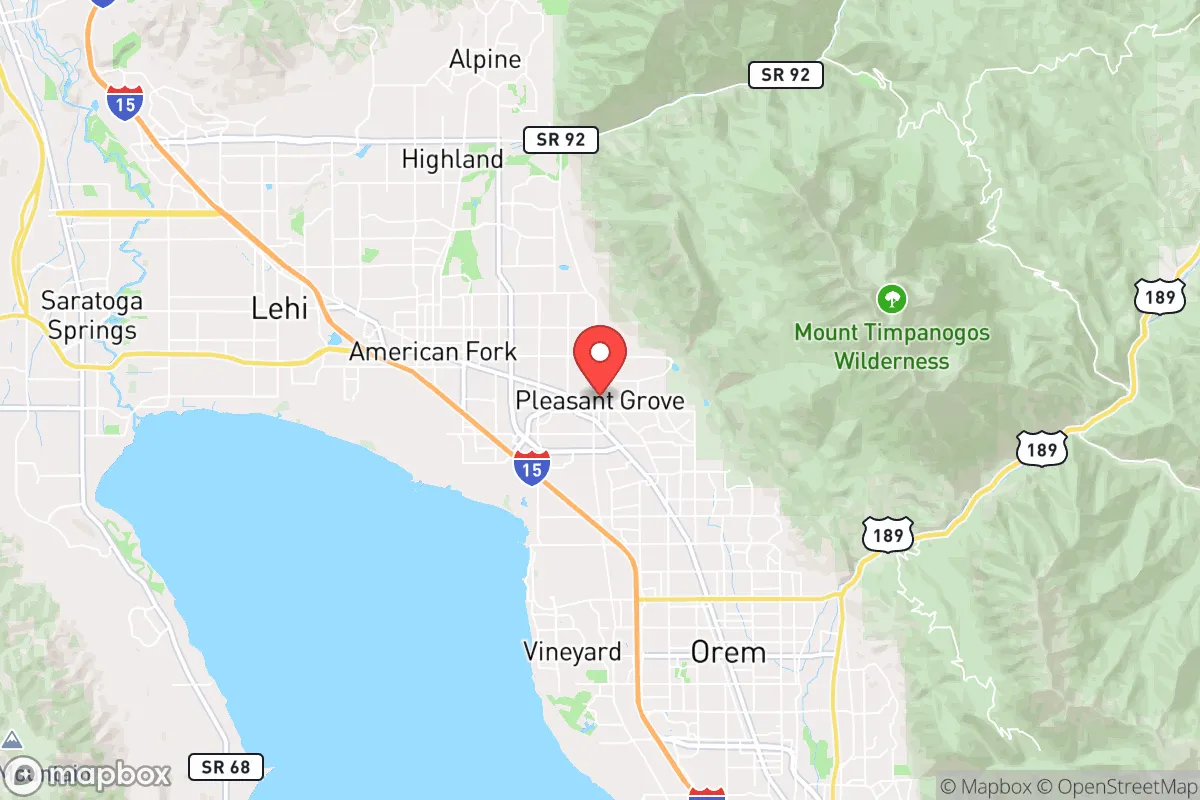
If you want to understand Pleasant Grove’s political vibe, look at its neighbors. Head south to Provo, and you’ll find a more mixed bag—BYU’s influence keeps it conservative on social issues, but the student population and tech workers in the “Silicon Slopes” corridor have nudged it slightly left on economic and environmental matters. Drive north to American Fork, and you’re in similar territory to Pleasant Grove, but with a bit more of a suburban sprawl feel. The real contrast is Salt Lake City, about 45 minutes north, which is a blue island in a red state—think progressive policies on housing, taxes, and public health mandates. Pleasant Grove, by contrast, still feels like a place where the city council debates whether to fund a new splash pad rather than imposing mask mandates or zoning changes that favor high-density apartments. That’s the kind of local control that keeps folks here feeling like their voices actually matter, not like they’re being managed by distant bureaucrats.
What this means for residents
For the average family in Pleasant Grove, the political climate translates into a few concrete realities. First, taxes stay relatively low—the city has resisted the urge to balloon its budget with new programs, and property tax rates are among the more reasonable in Utah County. Second, schools reflect community values: Alpine School District leans conservative, with a focus on parental rights and local control over curriculum, which means less worry about government overreach in what your kids are taught. Third, gun rights are respected—you won’t find the kind of restrictive ordinances you see in liberal enclaves like Park City or Salt Lake. The downside? If you’re hoping for rapid transit or bike lanes, don’t hold your breath. The city prioritizes car-friendly infrastructure and low-density development, which keeps things quiet but can feel isolating if you’re used to walkable neighborhoods. Still, for those of us who value personal freedom over government convenience, it’s a trade-off we’re happy to make.
One cultural distinction worth noting: Pleasant Grove still holds its strawberry days and Fourth of July parade with a fervor that feels almost defiant in an era of cancel culture and DEI initiatives. The local chamber of commerce and city council are dominated by small business owners and LDS church leaders, which means policy tends to favor family stability and economic independence over social experimentation. That said, I’ve noticed a few worrying signs—like a recent push for “affordable housing” mandates that could invite state-level interference, and a growing number of young families moving in from California who bring different voting habits. If those trends accelerate, Pleasant Grove could drift toward the kind of progressive policies that have turned other Utah towns into shadows of their former selves. For now, though, it’s still a place where you can trust your neighbor to mind his own business and your government to stay out of yours.

State Political ClimatePolitical Climate in Utah
State Political AnalysisPolitical Environment in the State
Utah is a deeply conservative state, with the Republican Party holding a supermajority in the legislature and a +29-point lean in the 2024 presidential election, but the picture is more nuanced than a simple red-state label. Over the past 20 years, the state has shifted from a reliably Republican stronghold to a place where the dominant LDS (Mormon) cultural influence is being challenged by rapid in-migration, creating a fascinating tension between traditional values and a growing libertarian-leaning, tech-driven population. The dominant coalition remains the GOP, but internal fractures are emerging between the establishment wing and a more populist, freedom-oriented faction, particularly over issues like education funding and property rights.
Urban vs. rural divide
The political map of Utah is starkly divided between the Wasatch Front and everything else. The urban core of Salt Lake City is a deep blue island, consistently voting Democratic by double digits, driven by a mix of young professionals, university students, and a growing non-LDS population. In contrast, the sprawling suburbs of Utah County—places like Provo, Orem, and Lehi—are among the most conservative areas in the nation, with many precincts voting 80%+ Republican. The rural counties, like San Juan in the southeast and Box Elder in the northwest, are even more solidly red, often voting 85%+ GOP. The real story is the suburban shift: Davis County and Weber County north of Salt Lake City have become battlegrounds, with Ogden showing a slight blue tint while its surrounding areas remain conservative. The Park City area in Summit County is another blue outlier, driven by a wealthy, outdoorsy, and increasingly progressive population.
Policy environment
Utah’s policy environment is a mixed bag for a conservative. On the plus side, the state has a flat income tax rate of 4.55% (down from 5% in recent years) and no state-level property tax on vehicles, which is a big win for personal finance. The regulatory posture is generally business-friendly, with right-to-work laws and minimal red tape for small businesses. However, the state’s education policy is a flashpoint: the legislature passed a massive school voucher program (HB 215) in 2023, which was a victory for school choice advocates, but it also led to a bitter fight over funding for public schools. Healthcare is dominated by the non-profit Intermountain Health system, which keeps costs relatively low but also creates a near-monopoly. Election laws are solid: Utah has voter ID requirements and a closed primary system for the GOP, which helps maintain party discipline. The state also has a constitutional carry law for firearms, which is a strong point for Second Amendment supporters.
Trajectory & freedom
Utah is trending in a mixed direction on personal freedom. On the positive side, the state passed SB 54 in 2023, which expanded gun rights by allowing permitless carry and preempting local gun control ordinances. The Utah Parental Rights in Education Act (HB 331) was also passed, giving parents more say in their children’s curriculum and medical decisions. However, there are concerning trends. The Utah Inland Port Authority and other state-level land use boards have been accused of trampling local property rights, particularly in rural areas where residents feel the state is overriding their zoning decisions. The Great Salt Lake water rights fight is another example of government overreach, with the state imposing strict water conservation mandates that some see as an infringement on private property. On medical autonomy, Utah has a medical cannabis program that is heavily restricted and expensive, frustrating libertarians who want full legalization. The state also passed HB 227 in 2024, which restricts gender-affirming care for minors, a move that aligns with conservative values but has drawn legal challenges.
Civil unrest & political movements
Utah has seen relatively little civil unrest compared to other states, but there are notable flashpoints. The “Utah Stands Up” movement, a coalition of conservative activists, has organized protests against mask mandates and vaccine passports since 2020, with large rallies at the state capitol. On the left, the “Utah Rising” group has pushed for more progressive policies, but they remain a minority. Immigration politics are a hot-button issue: the state has a “sanctuary city” ban (HB 497), but some cities like Salt Lake City have declared themselves “welcoming cities,” creating a tension between state and local enforcement. The “Utah Compact” of 2010, which advocated for a more humane approach to immigration, has been largely abandoned by the current legislature. Secession rhetoric is minimal, but there is a growing “State of Deseret” movement among some LDS traditionalists who want to reclaim the original Mormon territory. Election integrity controversies have been minor, with the state’s mail-in voting system generally trusted, though some rural counties have complained about ballot harvesting.
Projection
Over the next 5-10 years, Utah will likely become more politically competitive, but not in the way liberals hope. The massive in-migration from California and other blue states is bringing a wave of libertarian-leaning conservatives who are fiscally conservative but socially moderate, particularly on issues like cannabis and land use. This will push the state’s GOP further to the right on economic issues while creating more tension on social issues. The “Silicon Slopes” tech corridor from Lehi to Provo is a key battleground: these workers are generally pro-business but also want more personal freedom on lifestyle choices. The LDS Church’s influence is slowly waning, which could lead to a more secular, but still conservative, political culture. Expect more fights over water rights, property taxes, and school funding as the population grows. The state will likely remain solidly red for the foreseeable future, but the flavor of that red is shifting from “Mormon Republican” to “Mountain West Libertarian.”
For a new resident, the bottom line is this: Utah offers a high degree of personal freedom on gun rights, low taxes, and a strong economy, but you’ll need to navigate a state government that is increasingly willing to override local control on issues like land use and water. If you value a conservative culture with a growing libertarian edge, Utah is a solid bet. But if you’re looking for a place where the government stays out of your business completely, you’ll need to keep an eye on the legislature’s appetite for “solving” problems with new laws. The state is a great place for families who want good schools and safe neighborhoods, but the political climate is evolving fast, and the old guard is being challenged by a new wave of freedom-minded transplants.
* Values derived from national, state, county, city and local statistics and may differ in a specific area. Last updated: 2026-04-19T09:00:44.000Z
Narrative content on this page is AI-generated and may contain mistakes. Verify any details that matter before acting on them.
ReloMaps may earn a commission from affiliate links at no extra cost to you.

