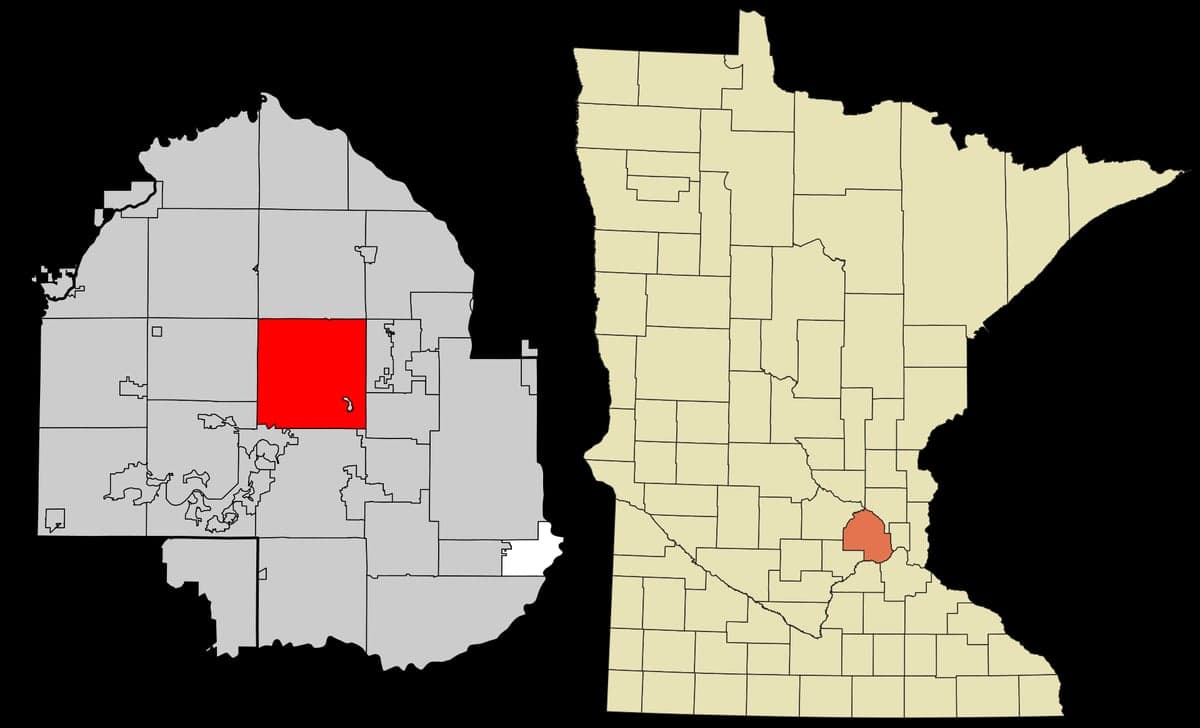
Photo: Wikipedia
Quality of Life in Plymouth, MN
A high quality of life with strong walkability, manageable living costs, healthy neighborhood signals, and solid amenity access.
What does Quality of Life tell us?
Quality of Life blends cost of living, nearby amenities, socioeconomic signals, and neighborhood character. City-level scores represent the whole municipality; individual neighborhoods can differ.
What does this tell us?
Quality of Life blends cost of living, nearby amenities, socioeconomic signals, and neighborhood character. City-level scores represent the whole municipality; individual neighborhoods can differ.
Cost of Living
55% above national average
The Real Cost of Living in Plymouth, MN for 2026
| Tier | Individual | Family (4) |
|---|---|---|
| Survival | $27k | $51k |
| Comfortable | $92k | $136k |
| Luxury | $220k+ | $342k+ |
| Elite (Top 5%) | $259k+ | $402k+ |
99%
The Area Signal
A metric tracking the socioeconomic signals of the area.
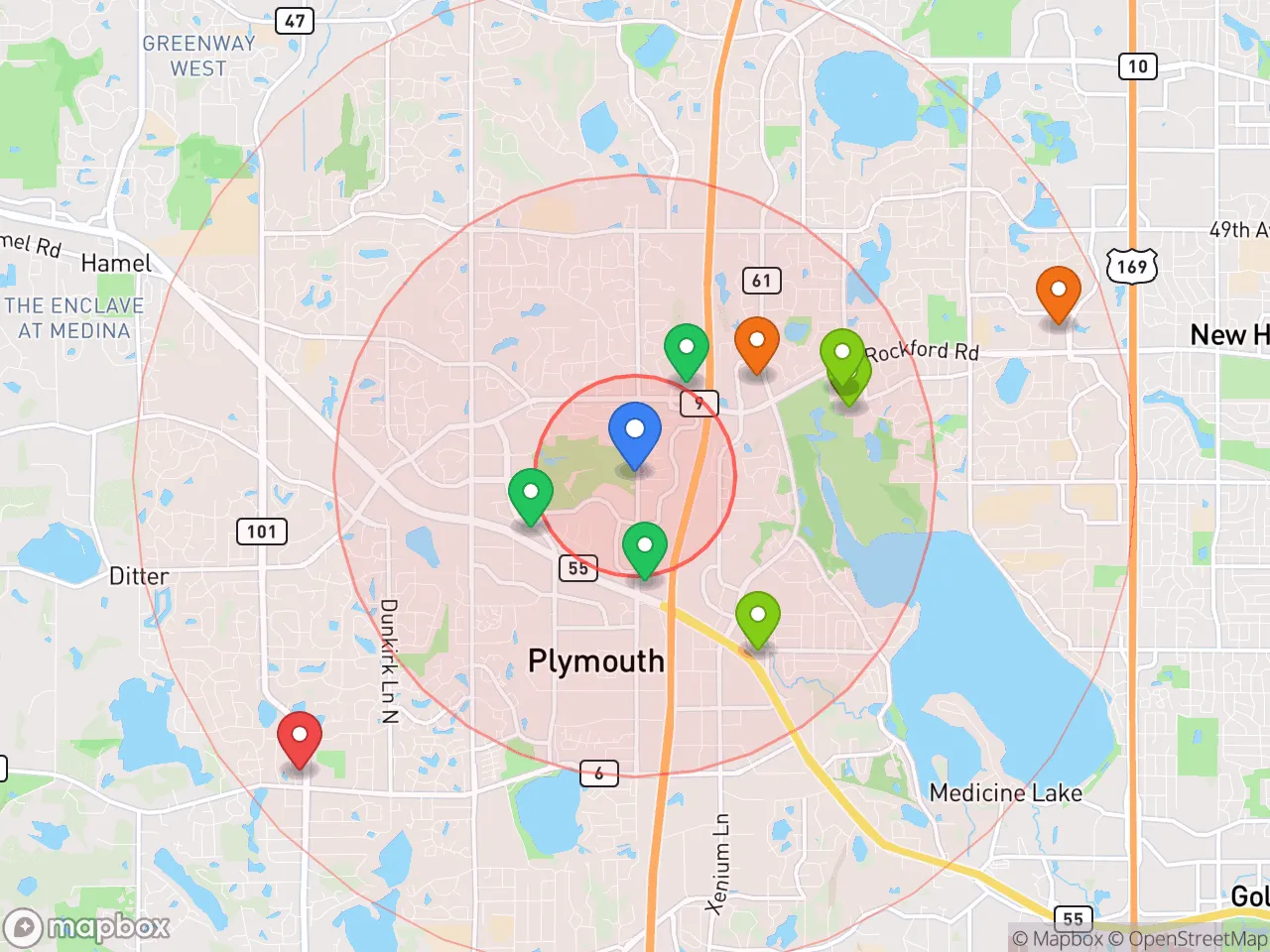
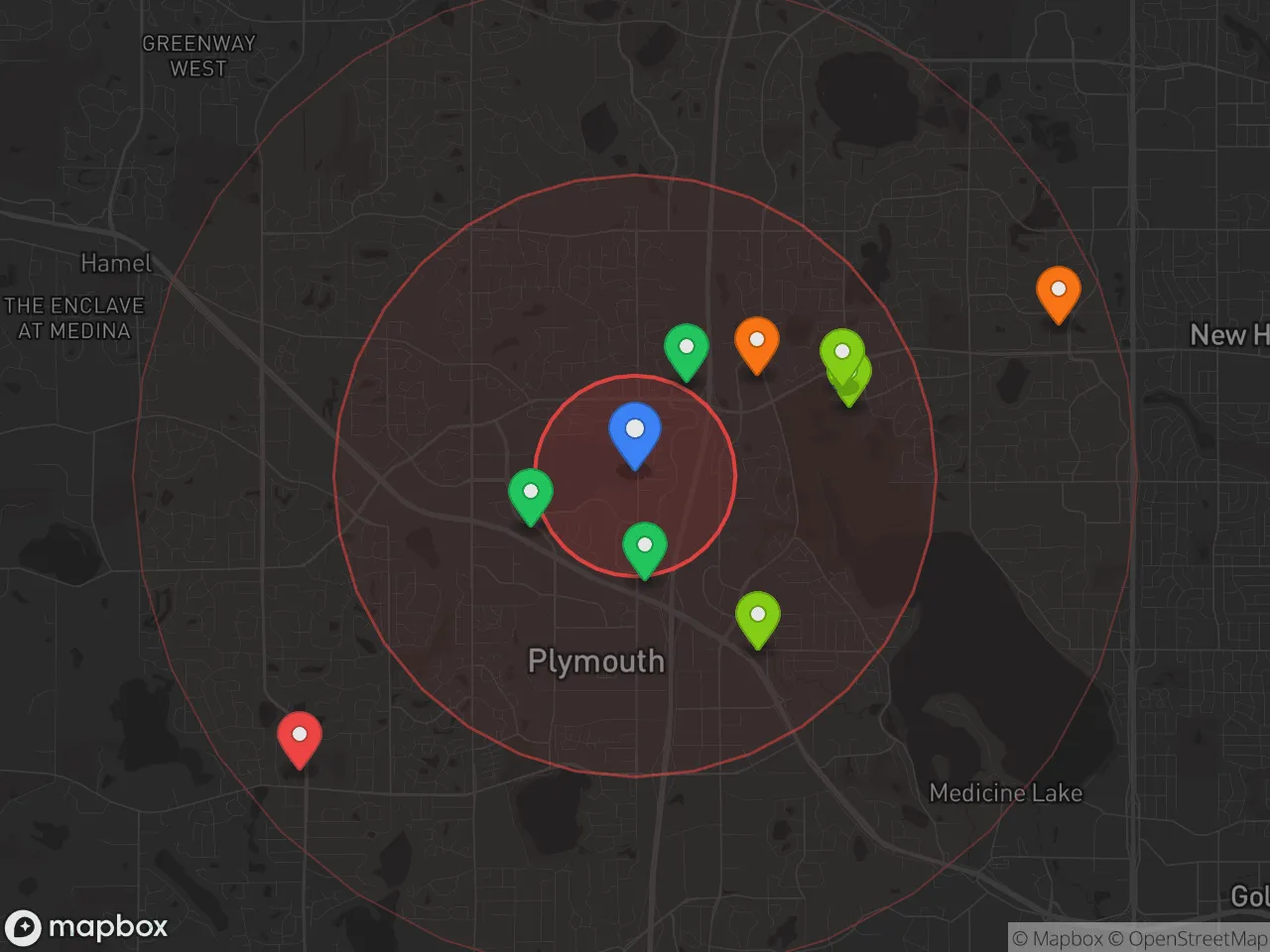
Hobbies
Explore the areaGroceries
5 within 10 miles
Gas
20 within 10 miles
Hospital
20 within 20 miles
Airport
JFK — John F. Kennedy Memorial
Post Office
USPS — Plymouth, MN
Critical Amenities
Quality-of-Life Analysis
Plymouth, Minnesota, is an affluent western suburb of Minneapolis where the cost of living index sits at 155—55% above the national average—reflecting a community built around high household incomes, top-tier public schools, and extensive park systems. The population skews toward established professionals and families, drawn by a blend of corporate headquarters (including Cargill’s global operations center) and a low crime rate that consistently ranks among the safest cities in the state. With a median home value of $474,700 and a median rent of $1,705, Plymouth offers a premium suburban lifestyle that commands a significant price premium over nearby communities like New Hope or Crystal, but remains more affordable than the most exclusive lakeside enclaves of Wayzata or Deephaven.
Cost of living, housing, and how Plymouth compares to nearby suburbs
Plymouth’s housing market is the primary driver of its above-average cost of living. The median home value of $474,700 is roughly 65% higher than the Minneapolis metro median, placing it in the upper tier of Twin Cities suburbs. Renters face a median monthly rent of $1,705, which is about $200–$300 more than in neighboring Golden Valley or St. Louis Park, though still below the $2,000+ averages seen in Edina or Minnetonka. Property taxes in Plymouth are typical for Hennepin County—roughly 1.1% of assessed value—but the city’s high home prices mean annual tax bills often exceed $5,000. For buyers, the trade-off is access to some of the state’s best-rated school districts (Wayzata Public Schools and Robbinsdale Area Schools) and a commute averaging just 22.6 minutes to downtown Minneapolis, a figure that undercuts many closer-in suburbs like Richfield or Roseville. Utility costs and grocery prices are on par with the metro average, but transportation expenses are lower than the national norm due to the short commute and strong local employment base.
Schools, parks, and the daily rhythm of life in Plymouth
Daily life in Plymouth revolves around its 170+ parks and 130 miles of trails, including the sprawling 3,000-acre Medicine Lake and the interconnected regional trail system that links to the Luce Line State Trail. The city’s recreation centers—like the Plymouth Community Center and the Ice Arena—anchor youth sports and adult leagues, while the West Health campus provides a major medical employment hub. The public school landscape is dominated by Wayzata Public Schools, which consistently ranks among the top 5% of Minnesota districts for test scores and college readiness, though portions of southern Plymouth feed into Robbinsdale Area Schools, which offer strong International Baccalaureate programs. Retail and dining cluster around the Plymouth Meeting shopping corridor and the newer development at The Shops at West End, providing a mix of national chains and local restaurants. The city’s low violent crime rate—typically under 1 incident per 1,000 residents—and well-maintained infrastructure create a predictable, family-oriented rhythm that contrasts with the faster pace of downtown Minneapolis just 15 miles east.
Plymouth is best suited for families and professionals who prioritize top-ranked schools, abundant green space, and short commutes over urban density or nightlife. The high cost of housing and property taxes will challenge first-time buyers or renters on a single income, but for dual-income households earning above the metro median of $85,000, the trade-off delivers exceptional safety, outdoor access, and educational outcomes. Empty-nesters downsizing from larger homes in Wayzata or Minnetonka also find Plymouth’s newer townhome developments and active-adult communities appealing. Those seeking a walkable, transit-rich urban environment or a more affordable entry point to the metro should look east to Golden Valley or south to Hopkins, but for anyone whose top criteria are school performance and recreational amenities, Plymouth remains a benchmark suburb in the Twin Cities region.

Crime in Plymouth, MN
Lower crime rates than 90% of comparable U.S. locations.
Violent CrimeViolent Crime Analysis
Property CrimeProperty Crime Analysis
Crime Analysis
Plymouth, Minnesota, presents a notably safe profile compared to both state and national benchmarks, with violent crime rates that are a fraction of the U.S. average. However, property crime rates, while lower than the national figure, warrant attention from prospective residents. The city’s overall safety picture is shaped by its affluent suburban character, proactive policing, and its location within the broader Twin Cities metro area, where progressive criminal justice policies have raised concerns about recidivism and public safety.
Crime in context
Plymouth’s violent crime rate of 65.4 incidents per 100,000 residents is dramatically lower than the national average of roughly 380 per 100,000 and well below the Minnesota state average of approximately 280 per 100,000. This places Plymouth among the safest large suburbs in the metro area. Property crime, at 855.5 per 100,000, is also below the national rate of about 1,950 per 100,000 but is slightly above the Minnesota state average of roughly 1,800 per 100,000. While these numbers are favorable, the broader context of the Twin Cities metro area is important. Hennepin County, which includes Minneapolis and Plymouth, has seen a rise in progressive prosecutorial policies, including reduced bail requirements and diversion programs for property offenses. Critics argue these policies, while intended to reduce incarceration, can lead to higher rates of repeat property crime and a diminished sense of accountability, a dynamic that residents in surrounding suburbs like Plymouth should monitor.
What residents experience
For daily life, Plymouth feels very safe. The most common crimes are theft from vehicles, package theft, and occasional vandalism in commercial areas. Violent incidents are rare and typically isolated, not random. Residents consistently report feeling secure walking in their neighborhoods, using city parks, and visiting the Plymouth Creek Center or the Shops at West End. The Plymouth Police Department maintains a strong community presence, with neighborhood watch programs and a focus on property crime prevention. However, the city is not immune to the regional trend of auto theft and catalytic converter theft, which have spiked across the metro area. The progressive judicial environment in Hennepin County means that even when suspects are apprehended for these property crimes, they often face minimal consequences, which can be frustrating for victims and may embolden offenders.
Neighborhood-level variation is modest but exists. Areas near major thoroughfares like Highway 55 and I-494, particularly around the commercial corridors of Vicksburg Lane and Rockford Road, see slightly higher rates of property crime. The newer, more affluent subdivisions in the western and northern parts of the city, such as those near Medicine Lake and Parker’s Lake, report the lowest crime rates. Older neighborhoods closer to the city’s eastern border with New Hope and Golden Valley may experience slightly more incidents, but still remain well below metro-area averages. Overall, Plymouth’s safety is excellent by any standard, though the regional policy climate is a factor that safety-conscious buyers should weigh.
* Values derived from national, state, county, city and local statistics and may differ in a specific area. Last updated: 2026-08-24T23:18:32.000Z
Narrative content on this page is AI-generated and may contain mistakes. Verify any details that matter before acting on them.
ReloMaps may earn a commission from affiliate links at no extra cost to you.

