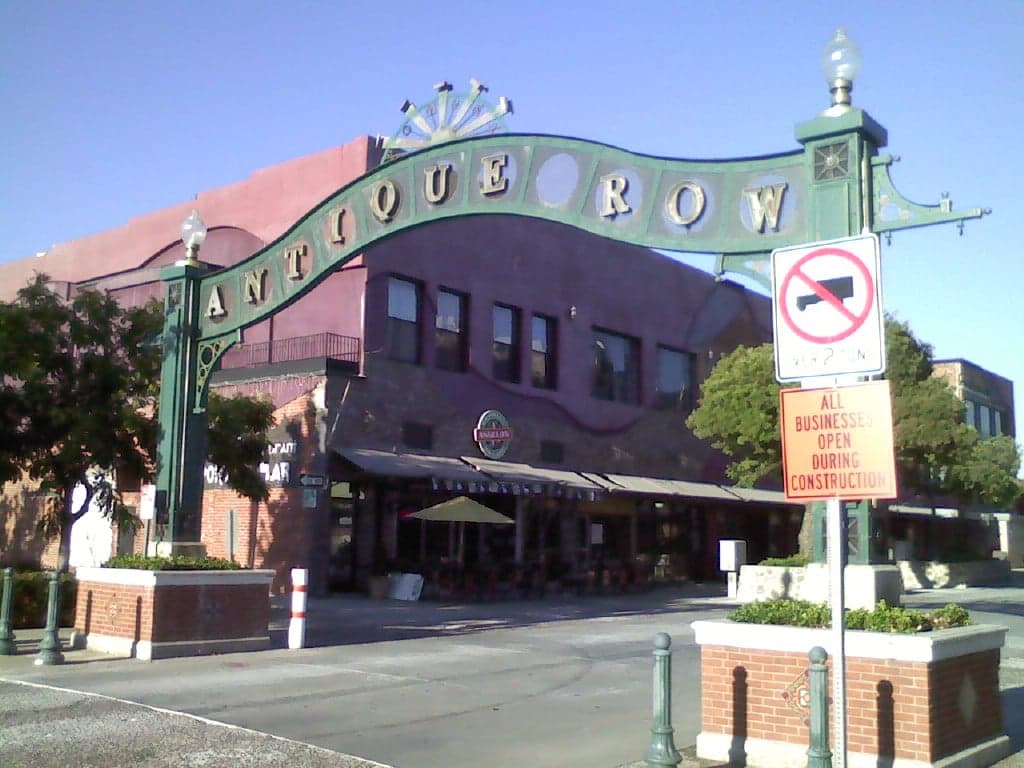
Photo: Wikipedia
Find The Best Places To Live
in Pomona
PRO TIP! You can paste a Zillow or Redfin link to get info on that property.
What It's Like Living in Pomona, CA
Pomona is a city that wears its working-class roots and its creative ambitions right on its sleeve. You’ll find a place where the hum of the 10 freeway meets the quiet of historic neighborhoods, where a massive county fairgrounds draws crowds from all over Southern California, and where the local identity is still being shaped by a mix of longtime families, Cal Poly Pomona students, and artists priced out of Los Angeles proper. It’s not a polished suburb, and it doesn’t pretend to be — but for the right person, that honesty is exactly the draw.
Daily Rhythm: A City of Commuters, Students, and Old-School Locals
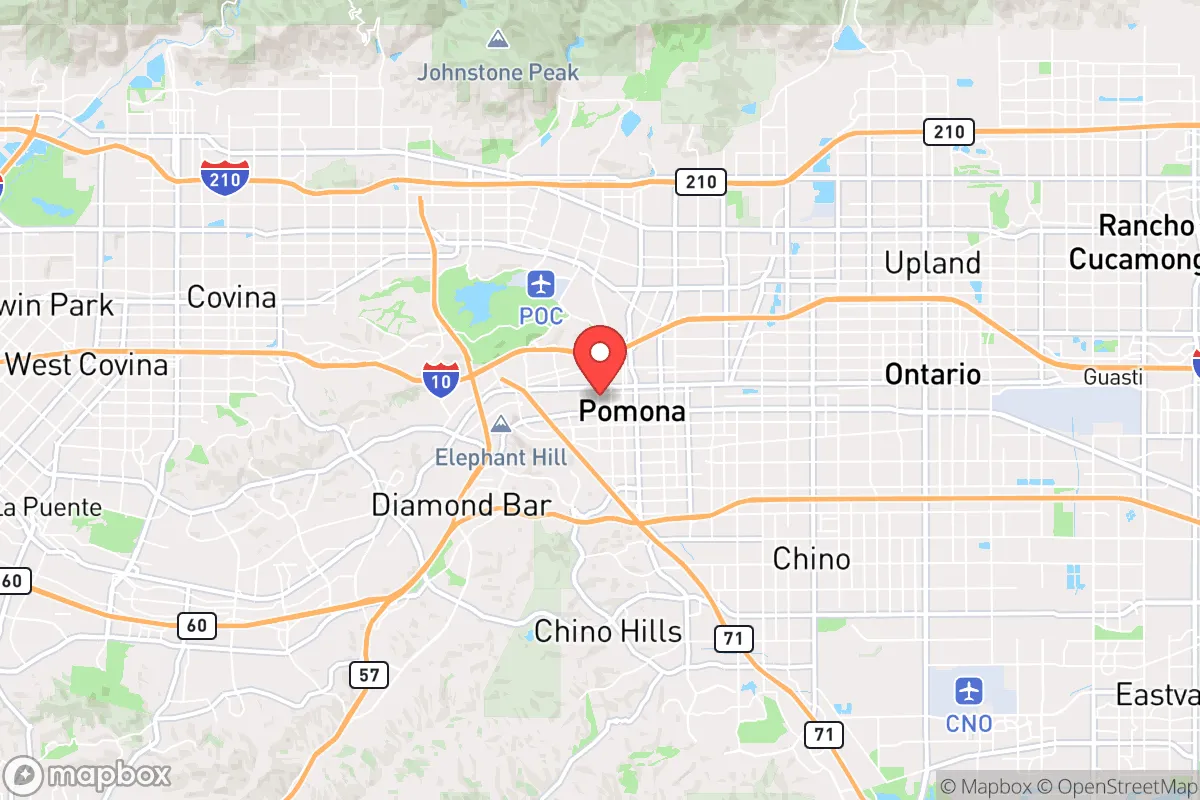
Most mornings in Pomona start with the sound of the 10 or the 57 freeway. The average commute here clocks in at just under 32 minutes, which feels about right — a lot of residents head west toward Los Angeles or east toward Ontario and Riverside for work. The city’s own economic anchors include the sprawling Pomona Fairplex (home of the LA County Fair), Cal Poly Pomona, and a handful of industrial and logistics employers. The median household income is $78,869, which is notably lower than the county average, and only about 19.5% of adults hold a bachelor’s degree. That statistic tells you something real: this is a blue-collar and middle-class city, not a bedroom community for white-collar professionals. You’ll see it in the strip malls along Holt Avenue, the taco trucks that set up near the fairgrounds, and the families who’ve been here for generations.
Weekends here are low-key. People shop at the Pomona Farmers Market on Saturday mornings, grab carne asada fries at El Merendero, or head to Ganesha Park for a picnic and a view of the San Gabriel Mountains. The city’s median age is 35.4, which skews a bit younger than the national average — partly because of the student population, partly because young families are drawn to the relatively affordable housing. And that housing is a big deal: the median home value sits at $569,600. In a region where that number often tops $800,000 or $900,000, Pomona is one of the last places where a teacher or a mechanic can still buy a house. The trade-off is that the cost of living index is 170 — 70% above the national average — so while the home prices look reasonable for California, everything else (groceries, gas, utilities) still stings.
Sports, Festivals, and the Fairgrounds Factor
If there’s one thing that defines Pomona’s social calendar, it’s the Pomona Fairplex. This 487-acre complex hosts the LA County Fair every spring, drawing over a million visitors for carnival rides, livestock shows, and deep-fried everything. But it’s also a major concert venue, hosting acts at the Fairplex Grand Tent and the Glass House — the latter being a legendary indie rock venue that’s been a staple of the SoCal music scene for decades. On any given weekend, you might catch a punk show, a car swap meet, or the NHRA Winternationals drag races. For sports fans, the big deal is Cal Poly Pomona Broncos basketball and soccer — the men’s basketball team has won multiple NCAA Division II national championships, and games at Kellogg Arena have a genuine small-college energy. High school football is also a big deal here; Diamond Ranch High School and Pomona High School draw solid crowds on Friday nights. There’s no major pro team in the city limits, but Dodger and Angel fans are everywhere, and the drive to either stadium is under 45 minutes on a good day.
What’s There to Do: Parks, Art, and the Food Scene
Outdoor life in Pomona centers on a few key spots. Ganesha Park is the crown jewel — 180 acres of hillside with walking trails, a swimming pool, and a view that stretches from the mountains to the Inland Empire. Frank G. Bonelli Regional Park in nearby San Dimas offers a massive lake for fishing and paddleboarding. But the real cultural heartbeat is the Pomona Arts Colony, a stretch of Second Street lined with galleries, studios, and the dA Center for the Arts. First Fridays here are a genuine scene: art openings, live music, food vendors, and a crowd that’s a mix of Cal Poly students, local families, and hipsters from Claremont. For food, you’ve got Back Abbey for gastropub fare and Belgian beers, Viva Pomona for vegan Mexican food, and Donahoo’s Golden Chicken for a classic fried chicken joint that’s been around since the 1940s. The restaurant scene isn’t as dense as in LA or Pasadena, but it’s more interesting than most cities its size.
The Honest Pros and Cons of Living Here
Let’s be straightforward about what works and what doesn’t. On the upside: housing is genuinely affordable by Southern California standards, the Arts Colony gives the city a creative edge you don’t expect, and the Fairplex means there’s always something happening. The commute to LA is manageable if you’re not doing it every day, and the proximity to Claremont and its colleges means you’re never far from a good bookstore or a farmers market. On the downside: the violent crime rate is 645.3 per 100,000 residents — that’s roughly double the national average, and it’s a real concern for families and single women especially. Property crime is also an issue, particularly around the freeway corridors and the Fairplex area. The school system is a mixed bag; some elementary schools are solid, but the district overall struggles with funding and test scores, which is why many parents look at private or charter options. Traffic on the 10 is brutal during rush hour, and the city’s infrastructure — sidewalks, street lighting, parks maintenance — can feel neglected in some neighborhoods.
So who fits in here? Someone who values affordability and authenticity over polish and prestige. A single person who works in the Inland Empire or eastern LA County and wants a house with a yard they can actually afford. A parent who’s willing to be hands-on with their kid’s education and doesn’t need a perfect school district. An artist or musician who wants space to create without the rent of Silver Lake. Pomona isn’t for everyone — but the people who love it here really love it, and they’ll tell you it’s one of the last real cities left in the region.

Similar small cities to Pomona
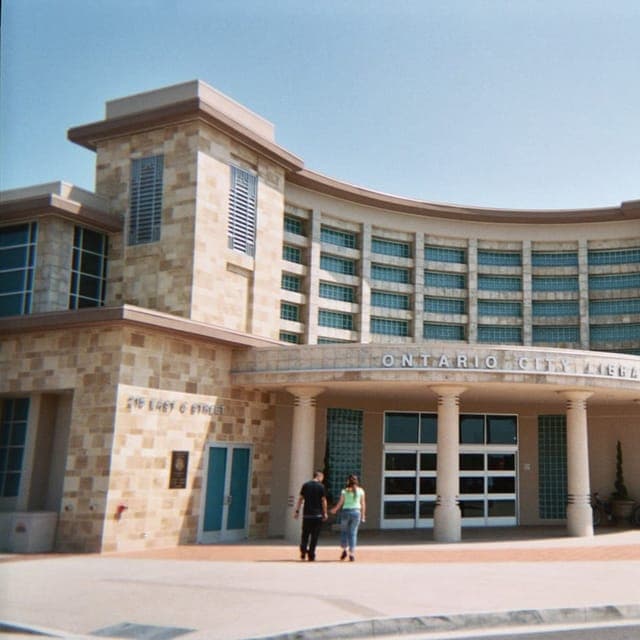
* Values derived from national, state, county, city and local statistics and may differ in a specific area. Last updated: 2026-04-24T05:06:47.000Z
Narrative content on this page is AI-generated and may contain mistakes. Verify any details that matter before acting on them.
ReloMaps may earn a commission from affiliate links at no extra cost to you.

