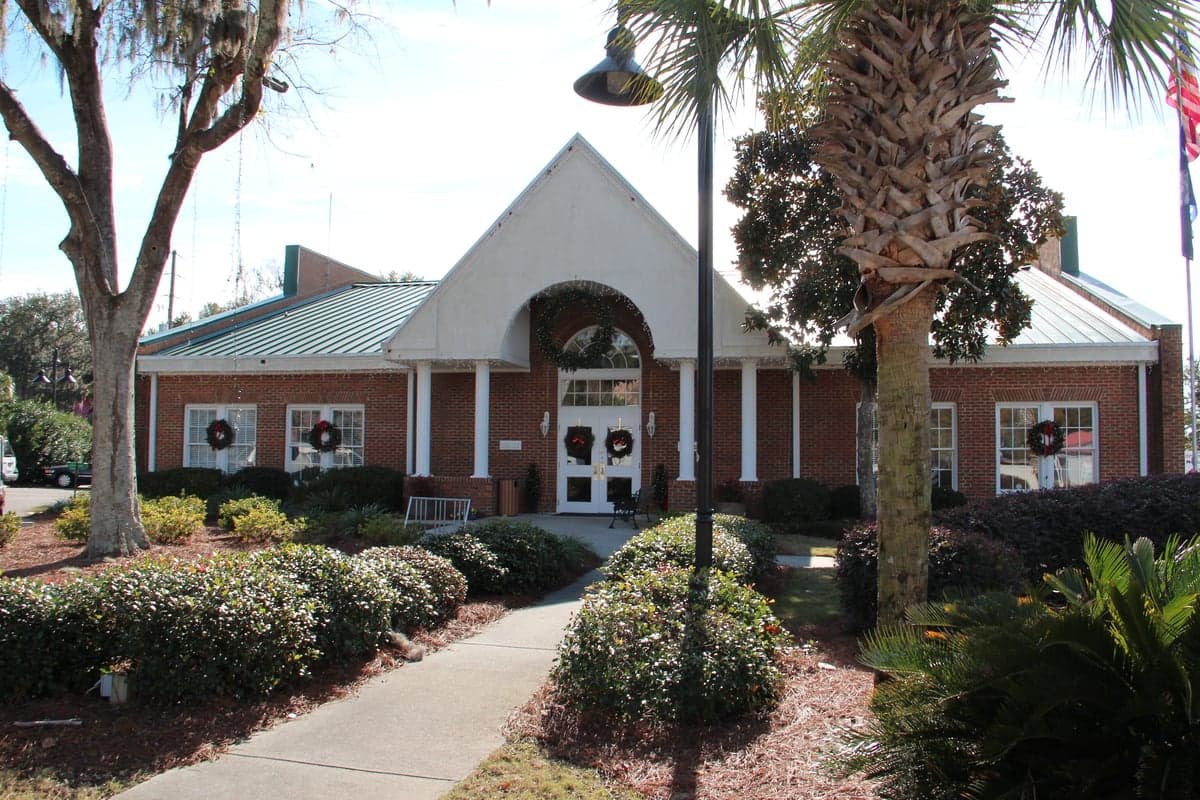
Photo: Wikipedia
Quality of Life in Port Royal, SC
A high quality of life with strong walkability, manageable living costs, healthy neighborhood signals, and solid amenity access.
What does Quality of Life tell us?
Quality of Life blends cost of living, nearby amenities, socioeconomic signals, and neighborhood character. City-level scores represent the whole municipality; individual neighborhoods can differ.
What does this tell us?
Quality of Life blends cost of living, nearby amenities, socioeconomic signals, and neighborhood character. City-level scores represent the whole municipality; individual neighborhoods can differ.
Cost of Living
25% above national average
The Real Cost of Living in Port Royal, SC for 2026
| Tier | Individual | Family (4) |
|---|---|---|
| Survival | $24k | $46k |
| Comfortable | $58k | $85k |
| Luxury | $101k+ | $156k+ |
| Elite (Top 5%) | $118k+ | $183k+ |
83%
The Area Signal
A metric tracking the socioeconomic signals of the area.
Hobbies
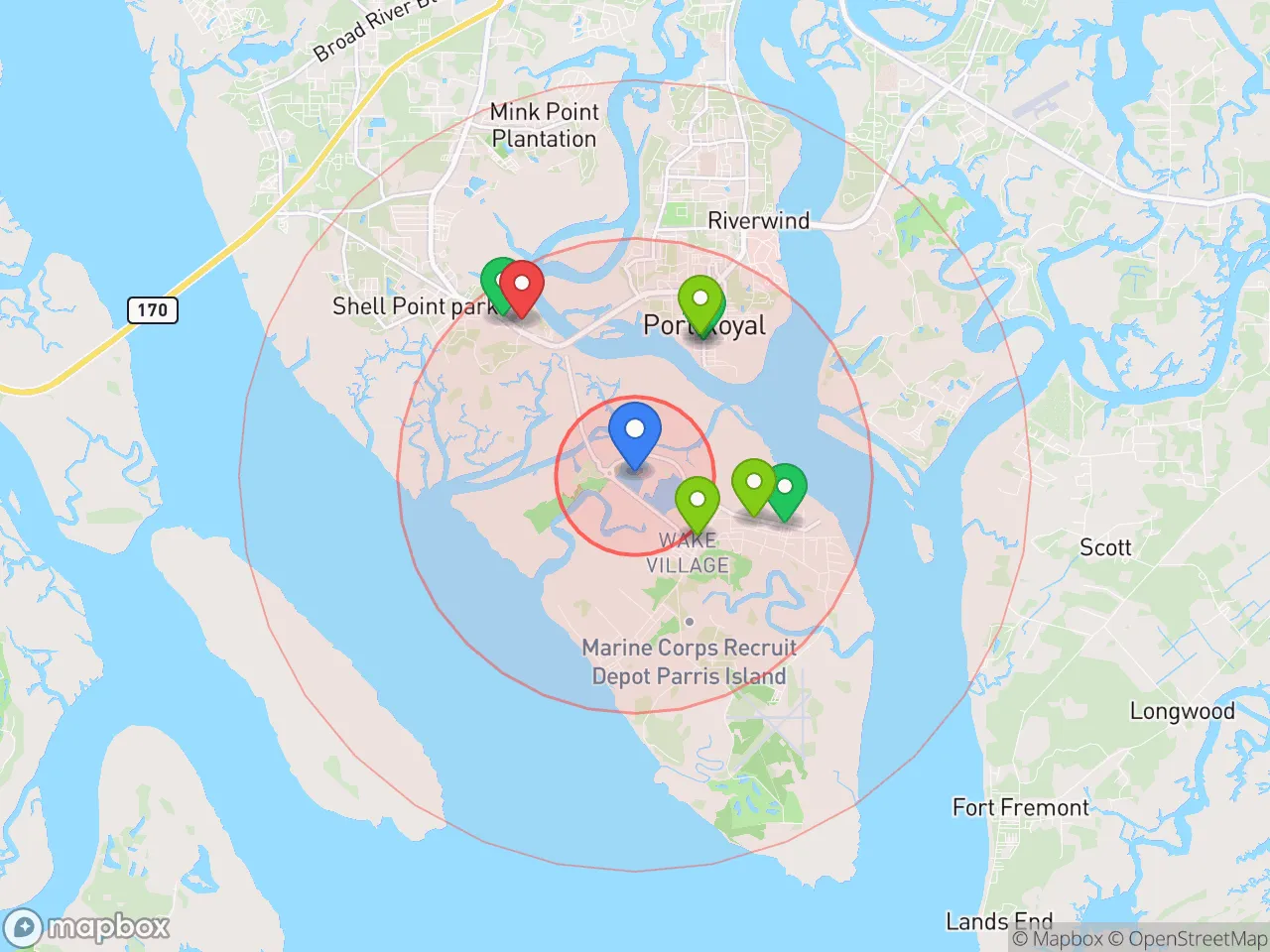
Explore the areaGroceries
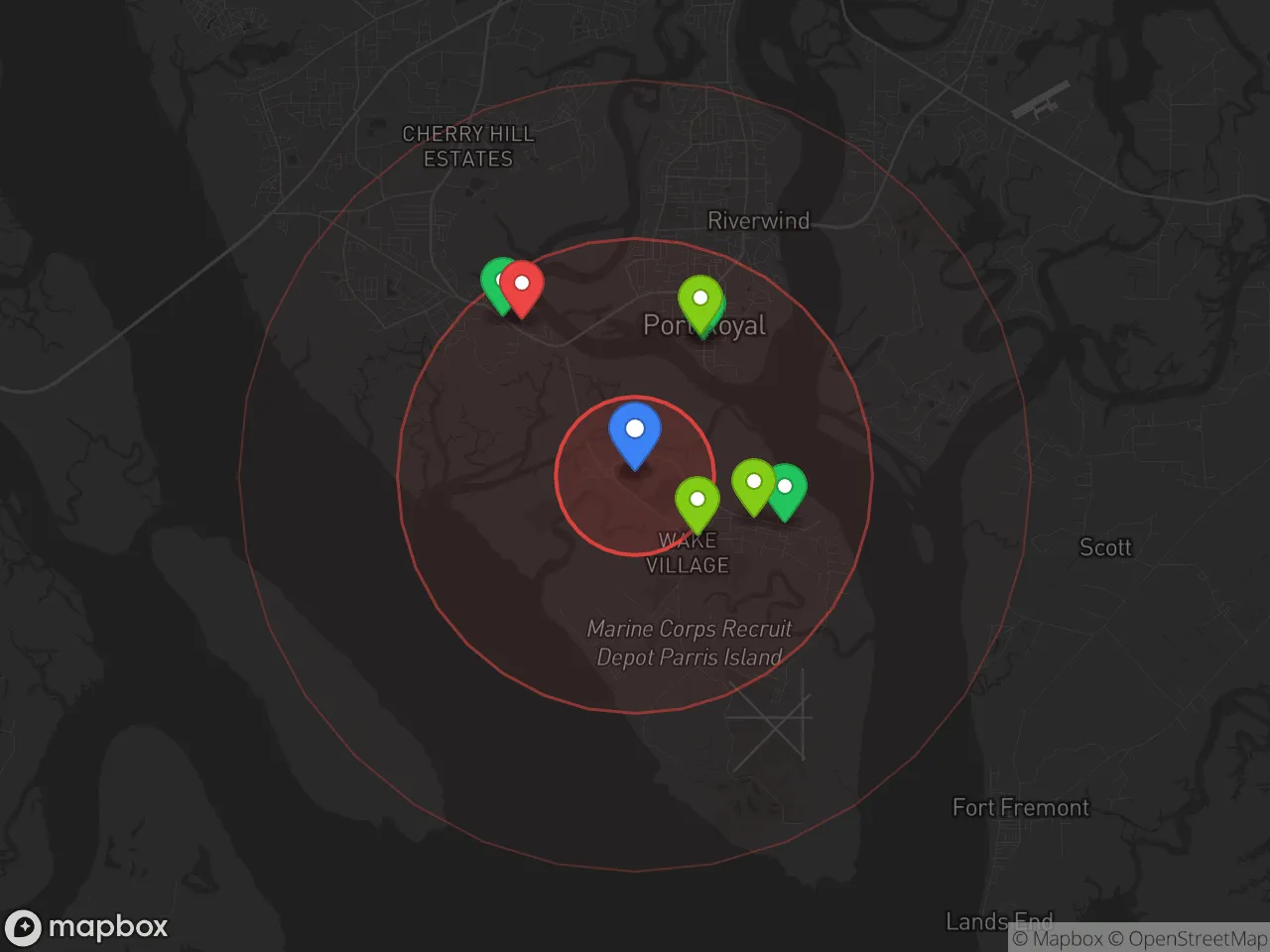
5 within 10 miles
Gas
20 within 10 miles
Hospital
3 within 20 miles
Airport
CLT — Charlotte Douglas International
Post Office
USPS — Port Royal, SC
Critical Amenities
Quality-of-Life Analysis
Port Royal, South Carolina, is an affluent coastal town where the quality of life is defined by a blend of historic charm, low-key luxury, and a tight-knit community of retirees, military families, and professionals drawn to the Beaufort area. With a cost of living index of 125 (25% above the U.S. average), the town attracts residents who prioritize waterfront access and a slower pace over urban amenities, often trading higher housing costs for a commute that averages just 13.5 minutes. The population skews older and wealthier than the national median, with a notable presence of active-duty and retired personnel from nearby Marine Corps Air Station Beaufort.
Cost of living, housing affordability, and how Port Royal compares to Beaufort and Hilton Head
Port Royal’s cost of living is significantly higher than the national average, driven primarily by housing. The median home value sits at $298,000, which is roughly 15% below the median in neighboring Beaufort ($350,000) and about 40% below Hilton Head Island ($500,000+). However, this still places Port Royal well above the South Carolina statewide median of $230,000. Median rent is $1,606, comparable to Beaufort ($1,650) but notably cheaper than Hilton Head ($2,100+). The town’s affordability advantage over Hilton Head is clear: for the same monthly payment, a renter in Port Royal gets more square footage and a quieter, less tourist-heavy environment. Property taxes in Beaufort County are moderate (roughly 0.6% of assessed value), and there is no state income tax on Social Security benefits, which appeals to retirees. The trade-off is that groceries and healthcare are also above average, with the COL index reflecting a 15-20% premium on everyday goods compared to inland South Carolina towns like Walterboro.
Amenities, schools, and what daily life is like for families and retirees
Daily life in Port Royal revolves around the waterfront, with the Sands Beach and the Port Royal Boardwalk providing free public access to the Beaufort River. The town’s historic district features a mix of antebellum homes and newer cottages, and the local farmers market (Saturdays year-round) is a social hub. For families, the Beaufort County School District serves Port Royal, with Port Royal Elementary School (rated 7/10 on GreatSchools) and Beaufort High School (rated 6/10) being the primary options. Private schools like St. Joseph’s Catholic School in Beaufort are a 10-minute drive. The average commute of 13.5 minutes means most residents work locally—either at the Marine Corps Air Station, in Beaufort’s hospital system (Beaufort Memorial Hospital), or remotely in tech or finance. Retirees appreciate the lack of chain retail within town limits; shopping is limited to a few boutique stores, with most errands requiring a 10-minute drive to Beaufort’s Walmart or Publix. The town’s small size (population ~14,000) means that traffic is minimal, and the pace is distinctly unhurried compared to Hilton Head’s seasonal congestion.
Port Royal is best suited for those who value a quiet, water-oriented lifestyle and can absorb the 25% cost-of-living premium. Retirees seeking a low-tax environment with mild winters and easy access to Charleston (90 minutes) or Savannah (60 minutes) will find the town ideal, as will military families stationed at MCAS Beaufort who want a short commute and a strong sense of community. Young professionals and families on a tighter budget may struggle with the housing costs relative to local wages, but for those who can afford it, Port Royal offers a rare combination of historic character, natural beauty, and daily convenience that few other South Carolina coastal towns can match.

Crime in Port Royal, SC
Lower crime rates than 82% of comparable U.S. locations.
Violent CrimeViolent Crime Analysis
Property CrimeProperty Crime Analysis
Crime Analysis
Port Royal, South Carolina, presents a mixed safety profile that is significantly safer than national averages for violent crime but notably riskier for property crime. With a violent crime rate of 140.9 incidents per 100,000 residents, the town is well below the national average of roughly 380 per 100,000, offering a relatively low risk of serious personal harm. However, the property crime rate of 1,332.9 per 100,000 exceeds the national benchmark of approximately 1,950 per 100,000, meaning residents face a moderate but elevated chance of theft, burglary, or vehicle break-ins compared to the rest of the country.
Crime in context
When compared to South Carolina's statewide violent crime rate of about 510 per 100,000, Port Royal's figure is roughly 72% lower, placing it among the safer municipalities in the state for violent offenses. The property crime rate, while above the national average, is still about 32% lower than South Carolina's statewide rate of roughly 1,960 per 100,000. This suggests that Port Royal benefits from being a smaller, more tightly-knit community within the Beaufort County area, though it is not immune to the property crime challenges that affect many towns in the region. The town's proximity to the larger Beaufort metro area and the tourist-heavy Hilton Head Island corridor means that transient property crime—such as theft from vehicles and package theft—is a recurring concern.
What residents experience
Daily life in Port Royal for most residents involves a low likelihood of encountering violent crime, with incidents like assault, robbery, and homicide being rare. The primary safety issue residents report is property crime, particularly theft from unlocked vehicles and occasional burglaries, often concentrated near commercial corridors like Ribaut Road and the Port Royal Sound waterfront. The town's police department maintains a visible presence, and community watch programs are active in neighborhoods such as The Cypress and Old Village. However, because Port Royal is part of the broader Beaufort County judicial system, residents should be aware that local prosecutors and judges in this region have been influenced by progressive criminal justice reforms. These reforms, while intended to reduce incarceration, can result in shorter sentences and more diversion programs for property offenders, potentially leading to repeat offenses and a perception that the justice system prioritizes offender rehabilitation over victim restitution.
Neighborhood-level variation is notable. The historic Old Village area, with its higher property values and active neighborhood associations, typically sees fewer incidents. In contrast, areas closer to the Beaufort city line and the commercial zones along Ribaut Road experience higher rates of vehicle break-ins and petty theft. For those considering relocation, homes in gated communities or those with private parking and security systems offer the most predictable safety, while renters in multi-family units near main roads should exercise standard precautions like locking vehicles and securing packages. Overall, Port Royal is a safe place to live for families and retirees, provided residents remain vigilant against property crime and understand the local judicial philosophy that may influence how such crimes are adjudicated.
* Values derived from national, state, county, city and local statistics and may differ in a specific area. Last updated: 2026-04-30T02:17:02.000Z
Narrative content on this page is AI-generated and may contain mistakes. Verify any details that matter before acting on them.
ReloMaps may earn a commission from affiliate links at no extra cost to you.

