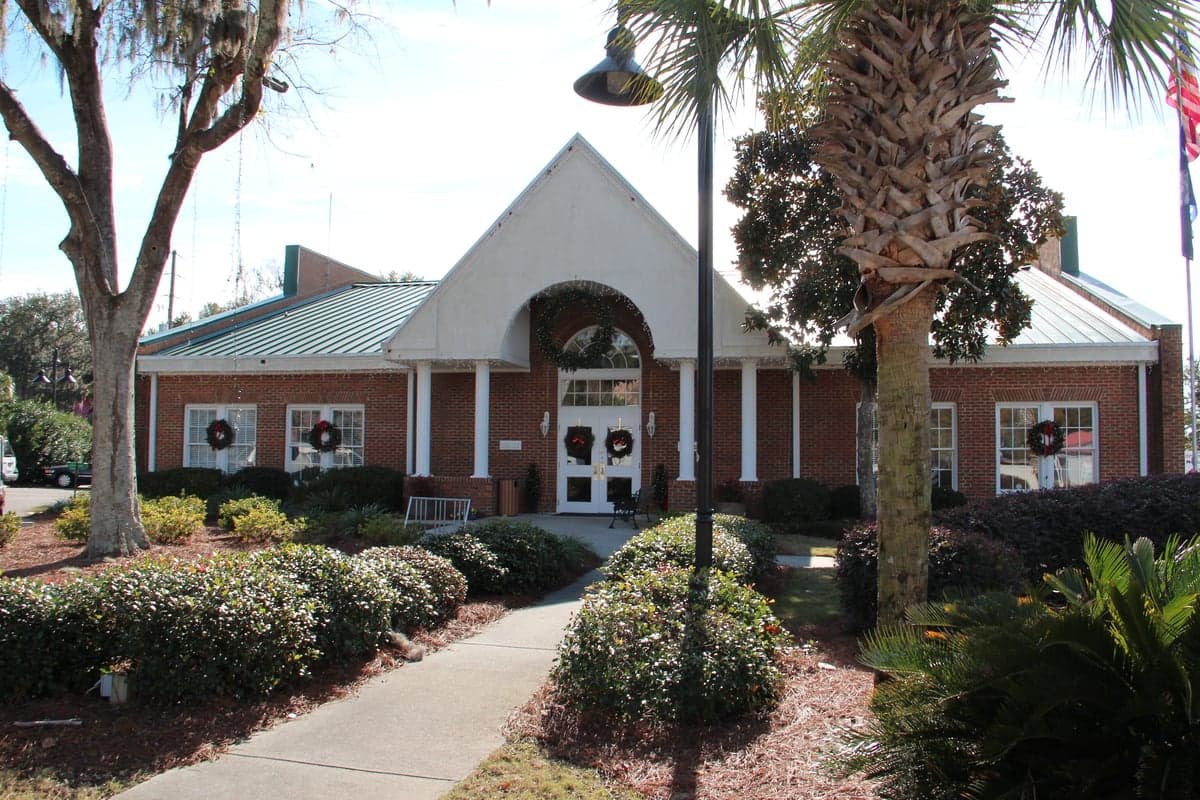
Photo: Wikipedia
Strategic Assessment of Port Royal, SC
Meaningful friction. Expect exposure to either population pressure, blast zones, or natural disaster risk. Consider buying a retreat property.
What does the Strategic Assessment tell us?
Our Strategic Assessment grades tactical survivability of an area. Major population centers, military targets, fallout zones, natural disasters, and border exposure all drive risk — lower exposure means a more defensible position in a crisis.
This is heavily inspired by Joel Skousen's Strategic Relocation book. Highly recommended you checkout the book ($)What does this tell us?
Our Strategic Assessment grades tactical survivability of an area. Major population centers, military targets, fallout zones, natural disasters, and border exposure all drive risk — lower exposure means a more defensible position in a crisis.
This is heavily inspired by Joel Skousen's Strategic Relocation book. Highly recommended you checkout the book ($)Strategic Pillars

Key Distances
Regional Safe Places
Below is our recommended "safe zones" in South Carolina and the surrounding area based on our strategic heuristics. For most people, it's unrealistic to live in a “safe zone” full-time due to work, family or other personal reasons. They tend to be more rural. However, many of these areas are perfect for second homes and retreat properties that double as a vacation home or even a short-term rental.
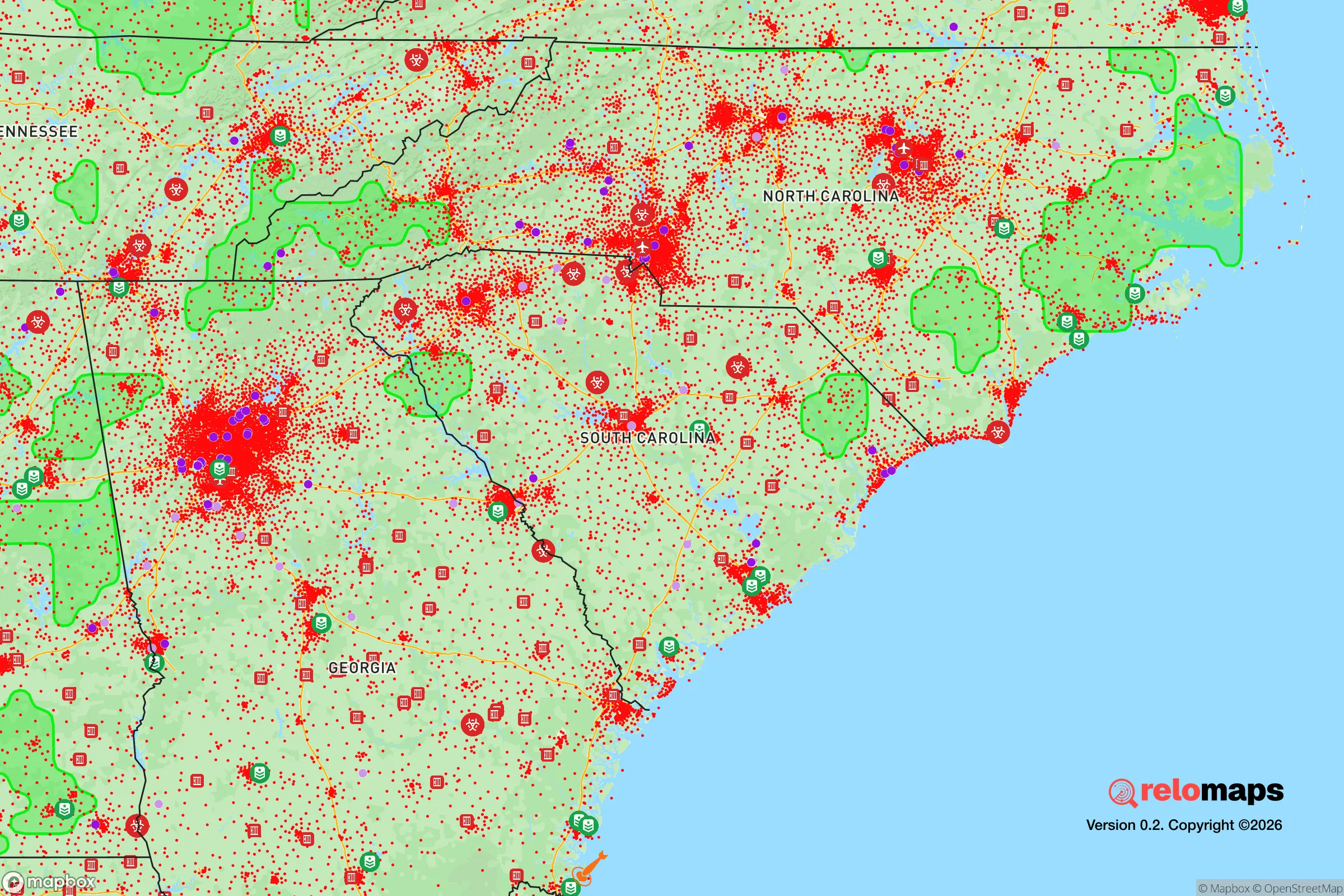
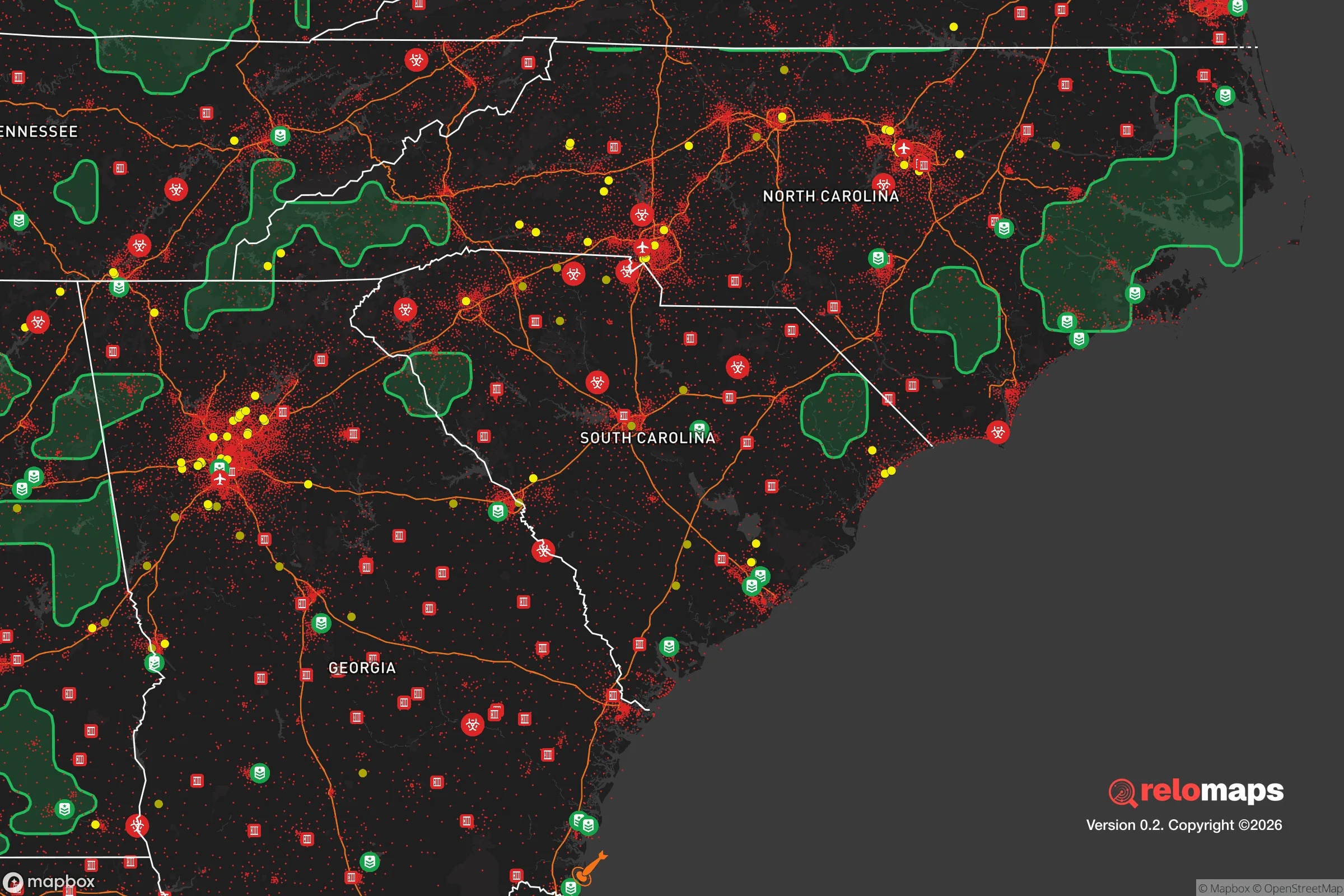


Important Note: For informational purposes only. This does not mean nothing bad ever happens in the green zones. Please use common sense. This is based on public data and modeled with AI. We tried to take a conservative approach but mistakes happen. We update this regularly as new information becomes available.
Solar Generator Recommendations
Backup power matters more here than in safer locations. We've picked three solar generators across budgets and capacity tiers — start with the budget unit if you only need a few essentials, or step up if you want to run a fridge and HVAC for days at a time.

Jackery Portable Power Station Explorer 300
Budget OptionPower on the Go: Weighing only 11 lbs, it's convenient to set up and store with book-sized foldable solar panels

BLUETTI Portable Power Station AC180
Designed for both indoor and outdoor scenarios, AC180 is highly capable as it has a robost capacity and continuous output power.

EF ECOFLOW DELTA Pro Ultra Power Station
Upgraded PickEcoFlow DELTA Pro Ultra is a whole-home energy system designed to grow with your family. Integrated with the Smart Home Panel 2, it scales to meet your evolving energy needs — keeping your home powered, intelligent, and secure through every stage of life.
We earn a commission, at no additional cost to you.
Strategic Assessment Analysis
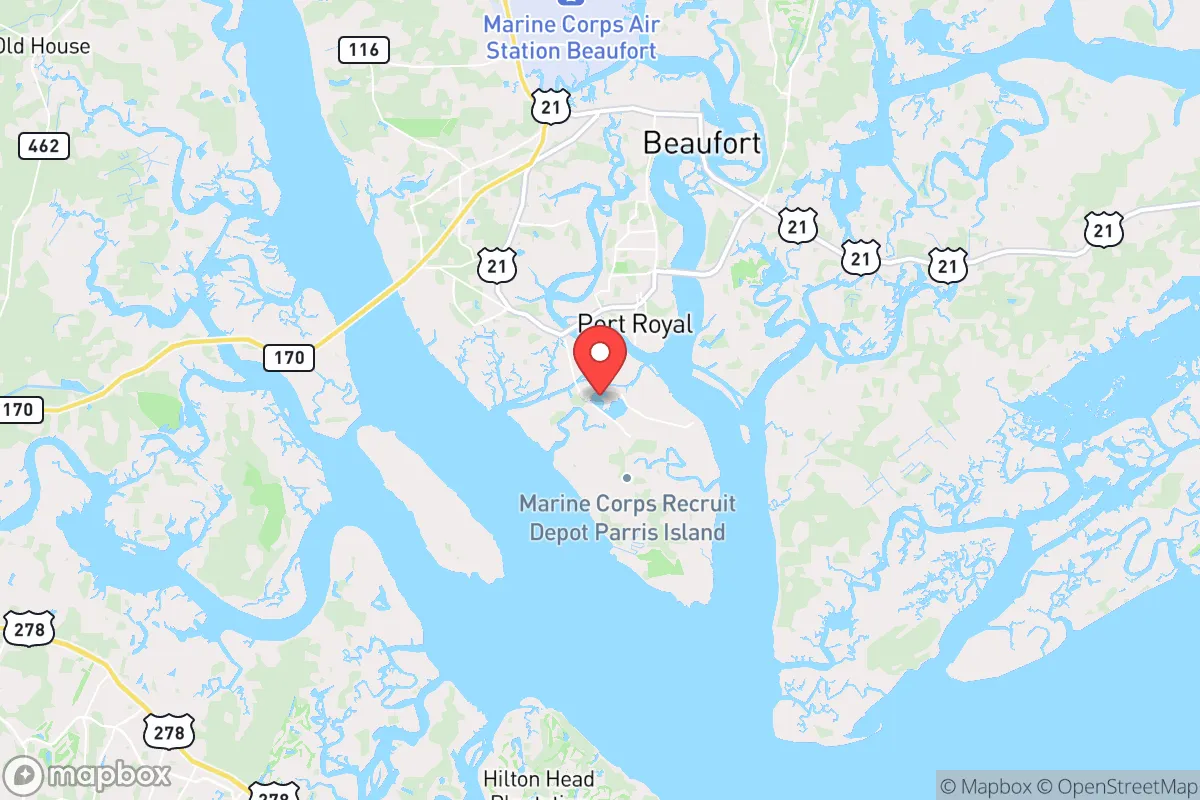
Port Royal, South Carolina, offers a strategic blend of geographic isolation and logistical access that makes it a serious contender for those prioritizing long-term resilience and self-sufficiency. Situated on Port Royal Island in Beaufort County, this lowcountry town sits roughly 70 miles southwest of Charleston and 30 miles northeast of Savannah, Georgia—close enough to access major medical and supply hubs, yet far enough to avoid the immediate fallout of a major urban collapse. The area’s natural defenses, including extensive marshlands, tidal creeks, and the Broad River, create a layered buffer that complicates any large-scale approach, whether from civil unrest or natural disaster. For the prepper-minded relocator, Port Royal represents a rare intersection of coastal access, low population density, and a historically conservative culture that values self-reliance and community preparedness.
Geographic position and natural defensive advantages
Port Royal’s location on a barrier island system provides inherent strategic value. The town is accessed primarily via U.S. Highway 21 and a single bridge over the Broad River, creating a natural chokepoint that can be monitored and, if necessary, controlled. The surrounding Sea Islands—including Hilton Head, St. Helena, and Hunting Island—form a fragmented coastline where deep-water channels and salt marshes make overland movement difficult. This geography historically protected the area during the Civil War, and it remains a defensive asset today. The town itself sits on high ground relative to the surrounding lowcountry, with elevations averaging 10 to 15 feet above sea level, reducing flood risk compared to nearby Beaufort or Port Royal’s own waterfront. The Intracoastal Waterway runs just east of the island, offering a secondary evacuation route by boat—a critical advantage if roadways become compromised. For a relocator prioritizing escape options, the ability to move by water into the Atlantic or inland via the Broad River is a significant plus.
Risks, exposures, and proximity to fallout-relevant landmarks
No location is without vulnerabilities, and Port Royal has several that demand attention. The most immediate natural threat is hurricane storm surge. While the town’s elevation helps, a Category 3 or higher storm could still push water into low-lying areas, particularly along the Battery Creek and Beaufort River frontages. The area is also prone to flooding from heavy rain events, as the flat terrain and high water table slow drainage. On the man-made risk side, Port Royal sits within 30 miles of the Savannah River Site (SRS), a 310-square-mile nuclear reservation that handles tritium processing and waste storage. A major incident at SRS—whether accidental or targeted—could render large portions of the lowcountry uninhabitable for weeks or longer. Additionally, the Port of Savannah, one of the busiest container ports on the East Coast, is a high-value target for both state and non-state actors. A disruption there would ripple through supply chains, affecting fuel, food, and medical deliveries to the entire region. The Marine Corps Air Station Beaufort, located just 10 miles north, is a tactical air base that could become a focal point during conflict, drawing unwanted attention. For the prepper, these exposures mean that a robust bug-out plan—ideally westward toward the Upstate or north toward Columbia—is essential, not optional.
Practical resilience for a relocator: food, water, energy, and defensibility
Port Royal’s practical resilience hinges on its access to natural resources and a community that still practices traditional skills. The surrounding waters of the Broad River, Beaufort River, and Port Royal Sound provide year-round fishing for redfish, trout, flounder, and blue crab. Oyster beds are abundant in the tidal creeks, and hunting for deer and wild hog is viable on the larger Sea Islands and mainland tracts. The growing season runs from March to November, allowing for substantial home gardening of staples like sweet potatoes, okra, collards, and beans. Rainwater collection is straightforward given the 48 inches of annual precipitation, though well water quality varies due to saltwater intrusion in coastal aquifers—testing and treatment are recommended. Solar energy is viable, with the region averaging 215 sunny days per year, though hurricane hardening of panels and battery storage is a must. The town’s defensibility is moderate: the single road access point is a vulnerability if blocked, but the marsh and creek network provides multiple waterborne escape routes. The local population skews older and more conservative, with a strong military veteran presence from nearby Parris Island and MCAS Beaufort. This demographic tends to be armed, community-oriented, and suspicious of outside interference—traits that can be stabilizing during unrest. However, the area’s popularity as a retirement and second-home destination means that many properties are owned by absentee landlords, creating transient populations that may not be invested in long-term community defense. A relocator should prioritize building relationships with full-time residents, particularly those involved in local farming, fishing, or emergency services.
The overall strategic picture for Port Royal is one of calculated trade-offs. It offers genuine natural defenses, abundant food sources, and a culturally aligned community that values preparedness. But it also sits within a region that contains high-value military and nuclear infrastructure, and its coastal location demands serious hurricane planning. For the conservative prepper looking to balance access to civilization with the ability to withdraw and sustain, Port Royal works best as a forward operating base—a place to build a resilient home and network, but with a clear plan to relocate inland if the threat environment escalates. The key is to treat Port Royal not as a final redoubt, but as a well-positioned outpost in a broader survival strategy. If you can manage the storm risk and the proximity to SRS, the lowcountry’s natural bounty and defensive geography make this one of the more viable coastal options for those serious about long-term preparedness.

* Values derived from national, state, county, city and local statistics and may differ in a specific area. Last updated: 2026-04-30T02:17:02.000Z
Narrative content on this page is AI-generated and may contain mistakes. Verify any details that matter before acting on them.
ReloMaps may earn a commission from affiliate links at no extra cost to you.

