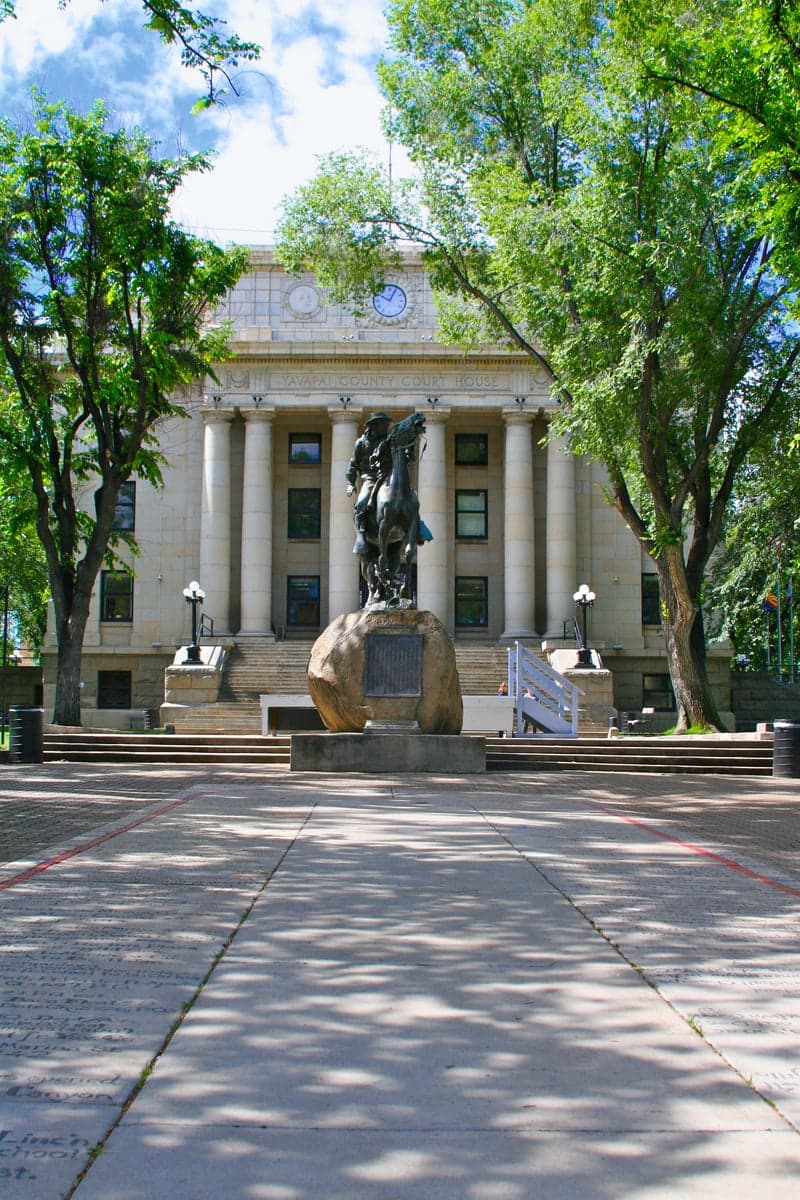
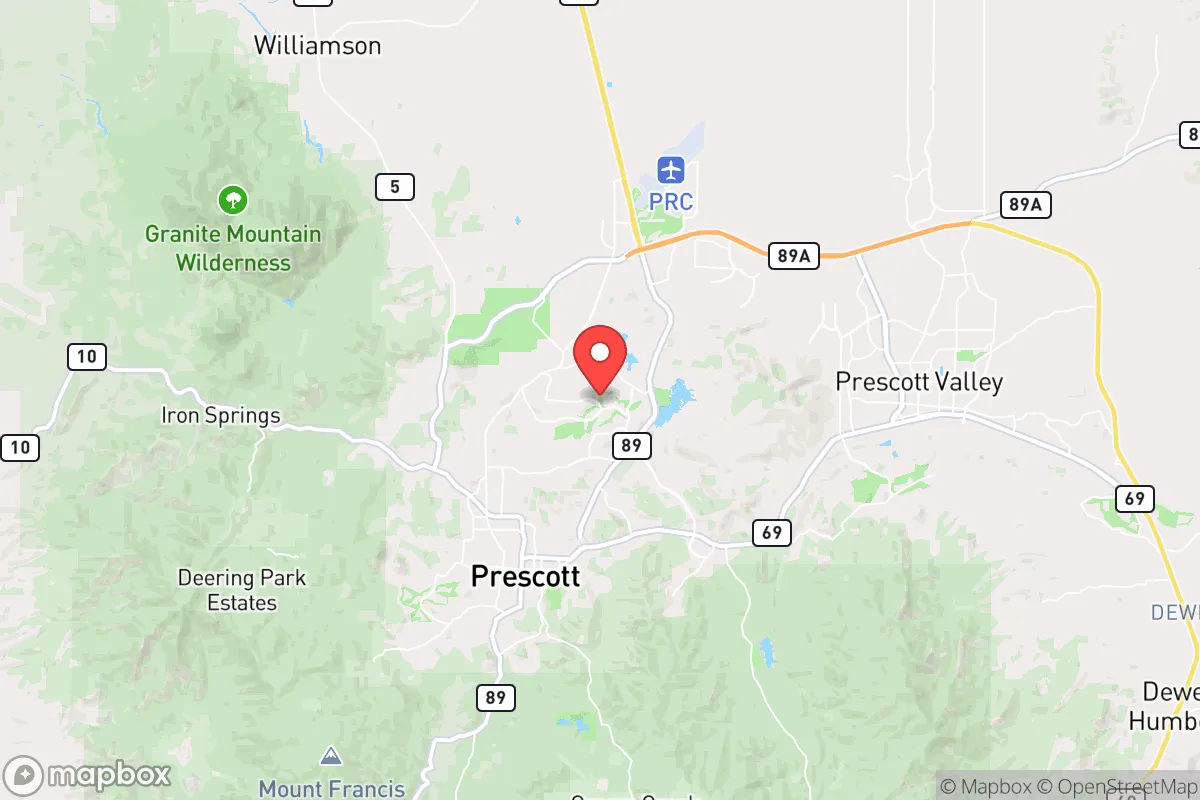
Photo: Wikipedia
Quality of Life in Prescott, AZ
A high quality of life with strong walkability, manageable living costs, healthy neighborhood signals, and solid amenity access.
What does Quality of Life tell us?
Quality of Life blends cost of living, nearby amenities, socioeconomic signals, and neighborhood character. City-level scores represent the whole municipality; individual neighborhoods can differ.
What does this tell us?
Quality of Life blends cost of living, nearby amenities, socioeconomic signals, and neighborhood character. City-level scores represent the whole municipality; individual neighborhoods can differ.
Cost of Living
42% above national average
The Real Cost of Living in Prescott, AZ for 2026
| Tier | Individual | Family (4) |
|---|---|---|
| Survival | $21k | $39k |
| Comfortable | $99k | $146k |
| Luxury | $125k+ | $194k+ |
| Elite (Top 5%) | $171k+ | $265k+ |
47%
The Area Signal
A metric tracking the socioeconomic signals of the area.
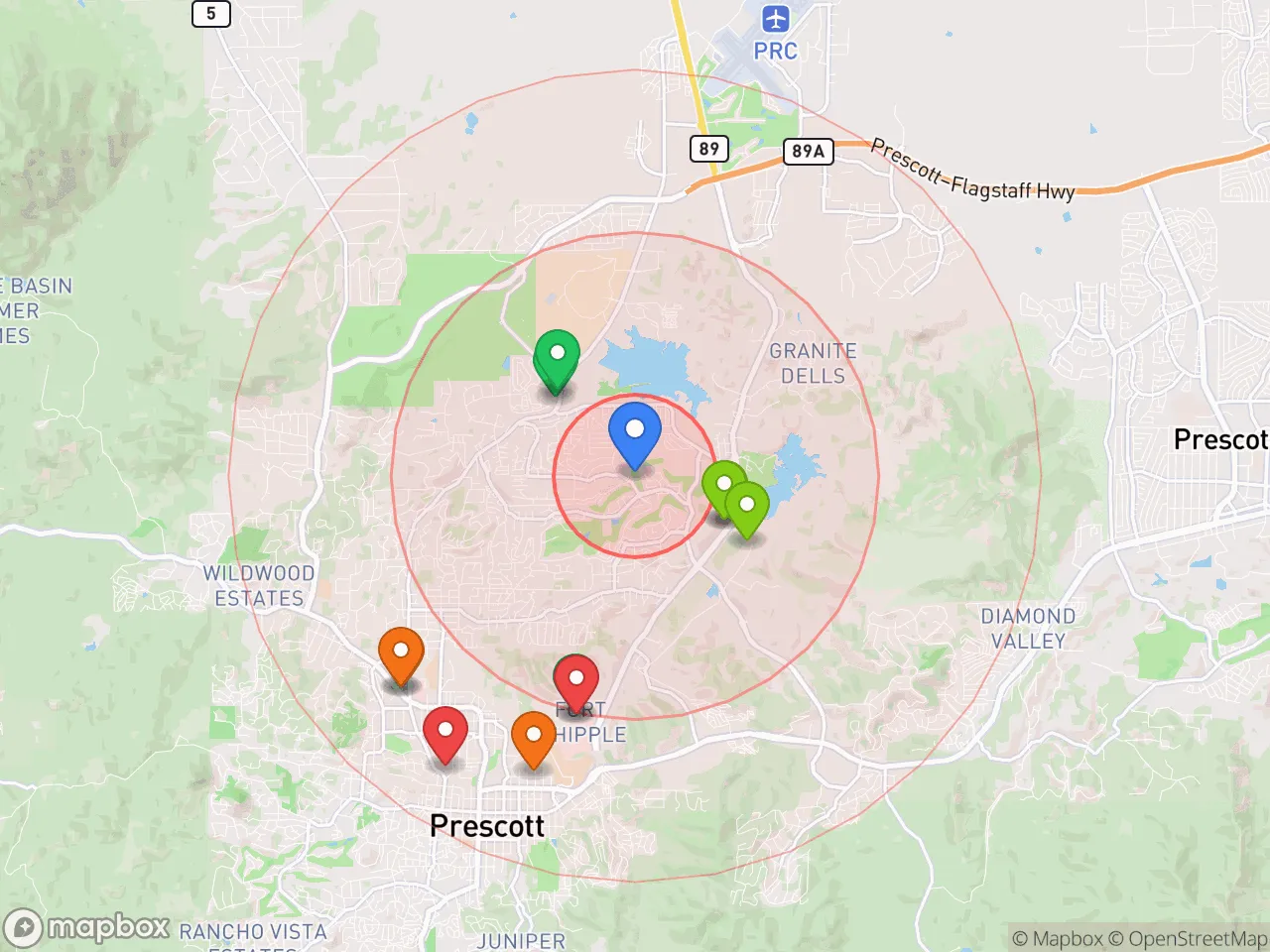
Hobbies
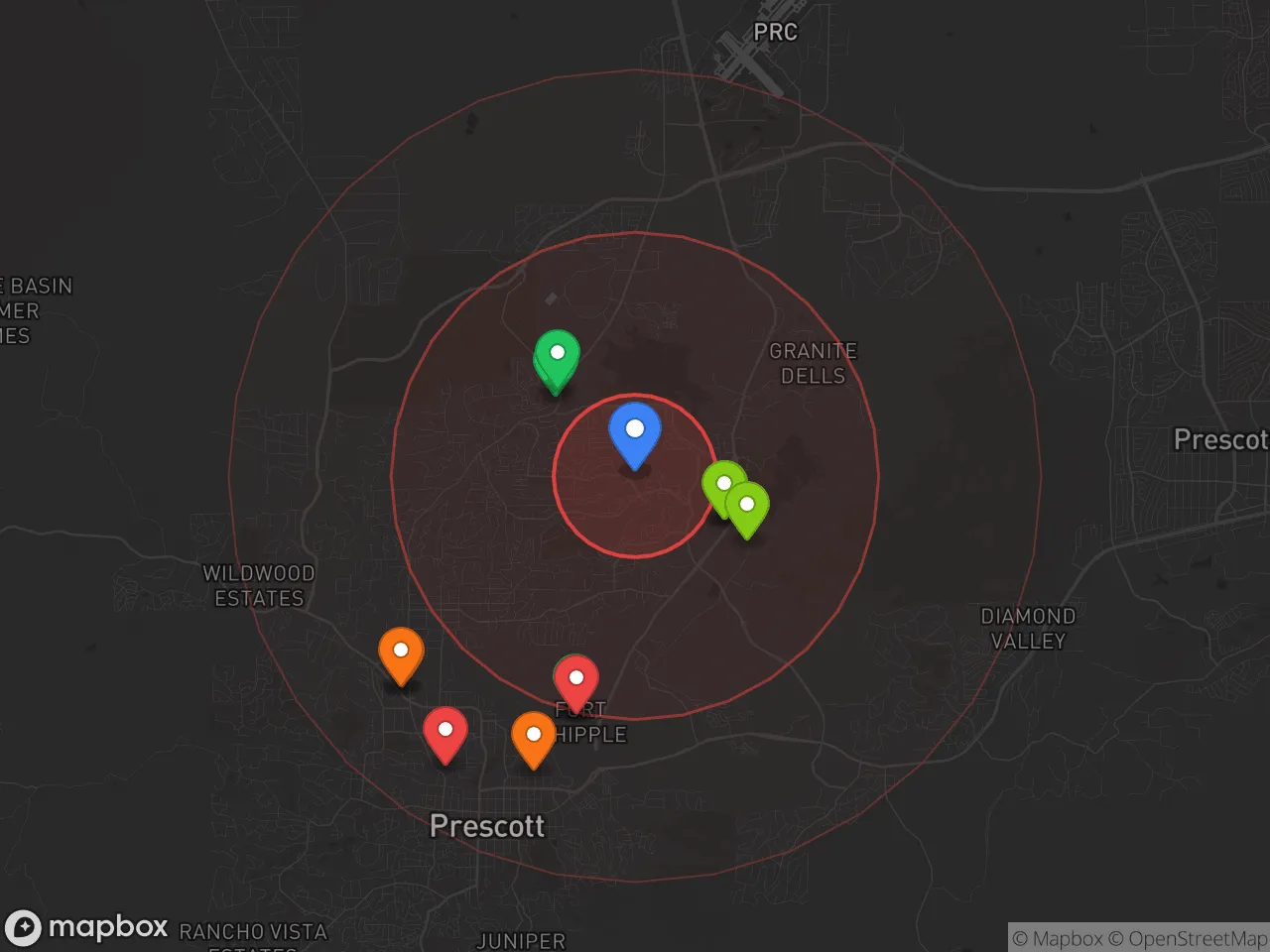
Explore the areaGroceries
7 within 10 miles
Gas
20 within 10 miles
Hospital
6 within 20 miles
Airport
PHX — Phoenix Sky Harbor International
Post Office
USPS — Prescott, AZ
Critical Amenities
Quality-of-Life Analysis
Prescott, Arizona, attracts a notably affluent and educated demographic, with a cost of living index of 142 (42% above the U.S. average) that reflects its desirability as a mountain retirement and second-home destination. The city’s population skews older—median age 54—and includes a high proportion of retirees, remote professionals, and second-home owners drawn by the mild four-season climate and historic downtown. This affluence shapes everything from housing stock to local retail, creating a quality of life that prioritizes leisure, outdoor access, and community engagement over urban career intensity.
Cost of living and housing affordability compared to Phoenix and Flagstaff
Prescott’s housing market is the primary driver of its elevated cost of living. The median home value sits at $528,500, roughly 60% higher than the national median and significantly above the Arizona statewide median of about $420,000. However, it remains more affordable than Flagstaff (median ~$650,000) while costing substantially more than Phoenix suburbs like Surprise or Goodyear (median ~$450,000). Renters fare somewhat better: the median rent of $1,304 is only about 10% above the national figure, though it has risen 18% since 2020. The average commute of 16.3 minutes is notably short—well under the national average of 26 minutes—reflecting a compact urban footprint and limited regional sprawl. For buyers, the trade-off is clear: higher upfront costs for a walkable, historic setting with minimal traffic, versus lower prices in outlying areas like Chino Valley or Dewey-Humboldt where commute times stretch to 25-30 minutes.
Local amenities, schools, and the daily rhythm of life
Daily life in Prescott revolves around the historic Courthouse Plaza, a central square lined with independent shops, restaurants, and seasonal farmers’ markets. The city’s 450+ miles of multi-use trails and proximity to Prescott National Forest provide immediate access to hiking, mountain biking, and fishing at Watson and Goldwater Lakes. The Prescott Unified School District serves about 9,000 students and earns an A rating from the Arizona Department of Education, with Prescott High School offering International Baccalaureate and dual-enrollment programs. Yavapai College provides affordable associate degrees and workforce training, while Embry-Riddle Aeronautical University’s Prescott campus adds a collegiate aviation and engineering presence. The cultural calendar is anchored by the Prescott Frontier Days (the world’s oldest rodeo) and the Prescott Film Festival, though nightlife options are limited—most restaurants close by 9 p.m., and the bar scene is subdued compared to Flagstaff or Tempe. Healthcare is robust for a city of 48,000, anchored by Dignity Health’s Yavapai Regional Medical Center, a 261-bed facility with Level III trauma capability.
Prescott is best suited for retirees, remote workers, and families who value outdoor recreation, low crime rates (violent crime is 40% below the national average), and a slower pace over urban amenities and career density. The high cost of housing and limited job market—dominated by healthcare, education, and government—make it a challenging fit for young professionals seeking rapid career growth or renters on a tight budget. For those who can afford the premium, Prescott delivers a clean, safe, and scenically rich environment with genuine four-season weather and a strong sense of community identity.

Crime in Prescott, AZ
Generally safer than 62% of comparable U.S. locations.
Violent CrimeViolent Crime Analysis
Property CrimeProperty Crime Analysis
Crime Analysis
Prescott, Arizona, presents a mixed safety profile that requires careful consideration for potential residents. The city’s overall crime rates are notably higher than both state and national averages, with property crime posing a particular concern. While Prescott is not among the most dangerous cities in the state, its statistics indicate a community where vigilance is warranted, especially regarding theft and vehicle-related crimes.
Crime in context
According to the most recent data, Prescott’s violent crime rate stands at 426.4 incidents per 100,000 residents, which is significantly higher than the national average of roughly 380 per 100,000 and the Arizona state average of approximately 430 per 100,000. Property crime in Prescott is reported at 1,223.9 per 100,000 residents, exceeding the national average of about 1,950 per 100,000 but still representing a substantial issue for a city of its size. These figures place Prescott in a category where crime is a tangible factor in daily life, not an abstract risk. It is important to note that Yavapai County, which includes Prescott, has generally conservative law enforcement and judicial leadership, which can influence how crime is reported and prosecuted compared to more progressive jurisdictions in the state.
What residents experience
The most common crimes residents encounter are property-related: theft from vehicles, burglary, and vandalism. Prescott’s downtown area and tourist-heavy zones like Whiskey Row see higher rates of these incidents, particularly during peak seasons. Violent crime, while less frequent, does occur and is often concentrated in specific areas rather than spread evenly across the city. Assaults and robberies are the most reported violent offenses. The presence of a progressive-leaning district attorney or judiciary in a given jurisdiction can lead to reduced prosecution rates for property and drug-related crimes, potentially emboldening repeat offenders. In Prescott, the local justice system has historically taken a tougher stance, which may help explain why the property crime rate, while high, is not as extreme as in some larger Arizona cities with more lenient prosecutorial policies.
Neighborhood-level variation is significant. Areas west of the downtown core and near the Prescott Rodeo Grounds tend to report higher crime volumes, while gated communities and newer developments on the city’s outskirts, such as those near Prescott Lakes or the Granite Dells, generally experience lower rates. The city’s police department maintains a visible presence, and community watch programs are active in many residential areas. For those considering a move, reviewing block-level crime maps and speaking with local real estate agents about specific subdivisions is advisable, as safety can vary dramatically from one street to the next.
* Values derived from national, state, county, city and local statistics and may differ in a specific area. Last updated: 2026-05-01T07:46:15.000Z
Narrative content on this page is AI-generated and may contain mistakes. Verify any details that matter before acting on them.
ReloMaps may earn a commission from affiliate links at no extra cost to you.

