Photo: Wikipedia
Demographics of Pukalani, HI
Affluence Level in Pukalani, HI
An upper-middle-class area. Household wealth, education levels, and homeownership run ahead of national benchmarks.
People of Pukalani, HI
Today, Pukalani is a community of roughly 8,490 residents that blends longtime local families with newer arrivals drawn by its Upcountry setting on the slopes of Haleakalā. The population is notably diverse: 29.1% White, 21.2% East and Southeast Asian (primarily Japanese and Filipino), 16.0% Hispanic, and 1.4% Black, with only 3.5% foreign-born—a figure that reflects the island’s long-established multiethnic character rather than recent immigration. The town carries a distinct Upcountry identity—more rural, more family-oriented, and less tourist-driven than coastal Maui—with a median age that skews slightly older and a college attainment rate of 33.9% that aligns with its professional and agricultural workforce.
How the city was settled and grew
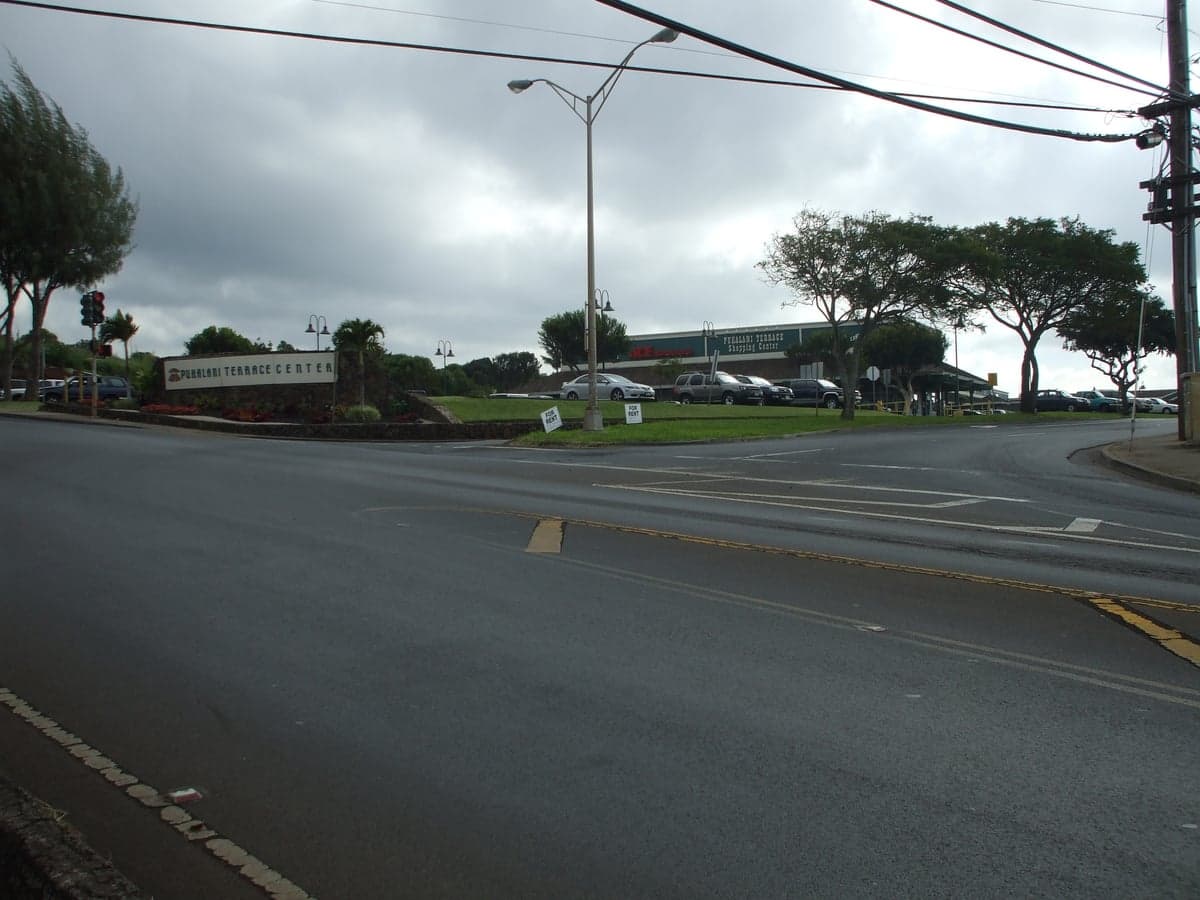
Pukalani’s population history is tied directly to the sugar plantation era that reshaped Maui in the late 19th and early 20th centuries. The area was originally part of the vast Keahua Ranch and later subdivided for small-lot farming and residential use as the plantation economy expanded. The first major wave of settlement came with Japanese and Chinese contract laborers who worked the cane fields below in Makawao and Paia; many moved upslope to Pukalani after their contracts ended, establishing small farms and homesteads. The Pukalani Terrace neighborhood, with its modest single-wall homes and narrow lots, was built in the 1920s and 1930s specifically for these retired plantation workers and their families. A second wave arrived after World War II, when Filipino laborers—recruited to fill labor shortages—settled in the Pukalani Heights area, building a community that remains the core of the town’s Filipino population today. By the 1950s, Pukalani was a quiet crossroads of about 1,500 people, mostly of Japanese, Chinese, and Filipino ancestry, with a small Portuguese and Hawaiian presence.
Modern era (post-1965)
The 1965 Hart-Celler Act had limited direct impact on Pukalani because the town’s foreign-born share remains low at 3.5%. Instead, the major demographic shift after 1965 came from domestic in-migration—mainland Whites and Hispanics drawn by Maui’s growing tourism economy and the appeal of Upcountry living. The Pukalani Country Club subdivision, developed in the 1970s and 1980s around the golf course, attracted a wave of affluent White retirees and second-home buyers, creating a distinct enclave of newer, wealthier residents. Meanwhile, the Pukalani Village area, with its more affordable townhouses and apartments, absorbed a mix of Hispanic service workers and younger families priced out of coastal towns like Kihei. The East and Southeast Asian population—still 21.2% of the town—remains concentrated in the older neighborhoods like Pukalani Terrace and Pukalani Heights, where multigenerational households are common and Japanese and Filipino cultural traditions (Obon festivals, Filipino Catholic fiestas) remain visible. The White population, now 29.1%, is split between the country club enclave and newer subdivisions along Haliimaile Road, while the Hispanic share of 16.0% reflects steady growth from mainland and inter-island migration, not foreign immigration.
The future
Pukalani’s population is likely to continue its slow, steady growth, constrained by limited developable land and strict county zoning that preserves agricultural lots. The town is not homogenizing into a single demographic bloc; instead, it is tribalizing into distinct enclaves along income and ethnic lines. The country club area will likely become whiter and older as retirees age in place, while Pukalani Heights and Pukalani Terrace will remain strongholds for East and Southeast Asian families, with younger generations either staying or moving to Oahu for jobs. The Hispanic population is the fastest-growing segment, driven by natural increase and inter-island movement from lower-cost areas, and will likely concentrate in the Pukalani Village rental stock. The foreign-born share will remain low—Maui’s high cost of living and limited entry-level jobs deter new international immigration. Over the next 10–20 years, expect Pukalani to become slightly more Hispanic and slightly less Asian, while the White share holds steady as retirees replace departing locals.
For someone moving in now, Pukalani offers a stable, family-oriented community with clear neighborhood identities—choose the country club if you want a gated, mainland-style subdivision, or the older neighborhoods if you value deep local roots and a slower pace. The town is becoming more economically stratified but remains one of Maui’s safest and most livable Upcountry options, with a population that values its agricultural heritage and resists rapid change.

* Values derived from national, state, county, city and local statistics and may differ in a specific area. Last updated: 2026-04-30T14:27:52.000Z
Narrative content on this page is AI-generated and may contain mistakes. Verify any details that matter before acting on them.
ReloMaps may earn a commission from affiliate links at no extra cost to you.

