Photo: Wikipedia
Find The Best Places To Live
in Kihei
PRO TIP! You can paste a Zillow or Redfin link to get info on that property.
What It's Like Living in Kihei, HI
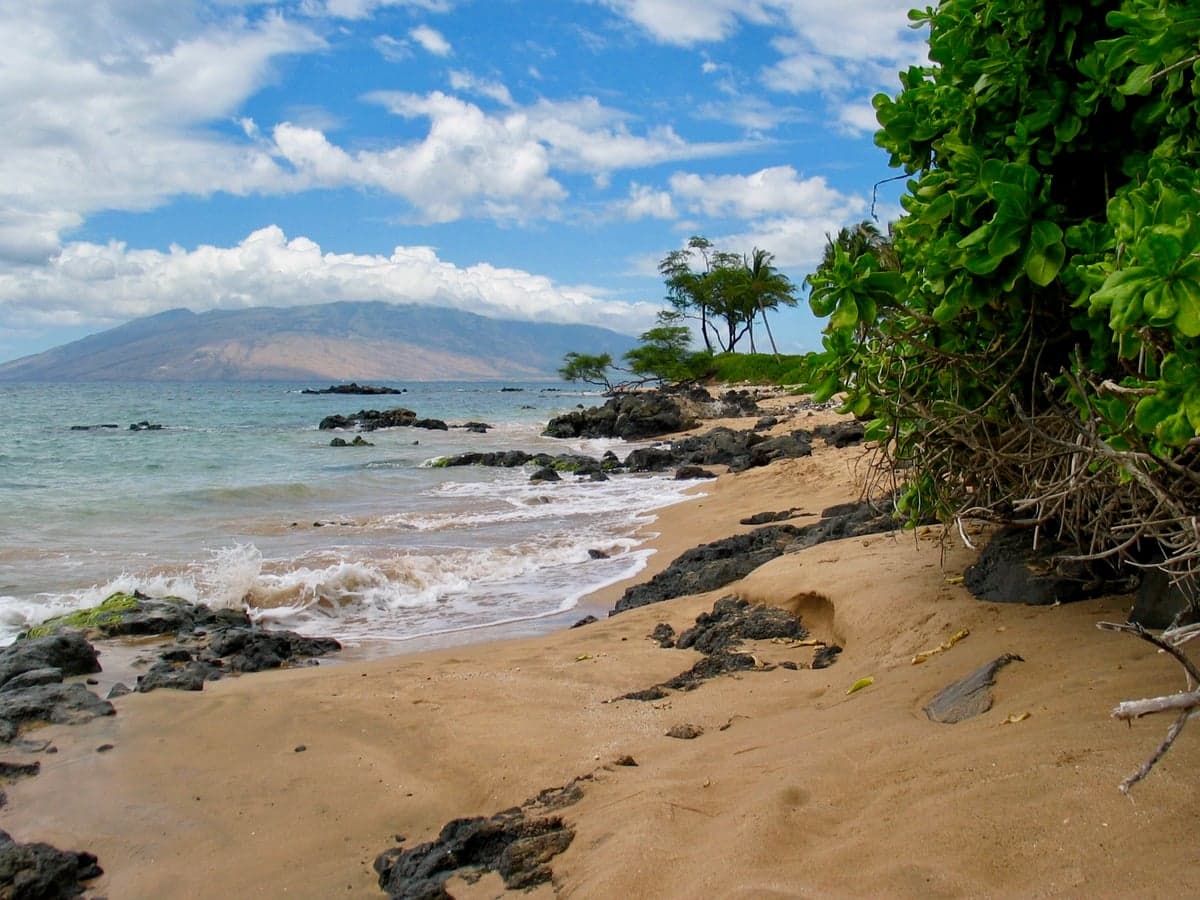
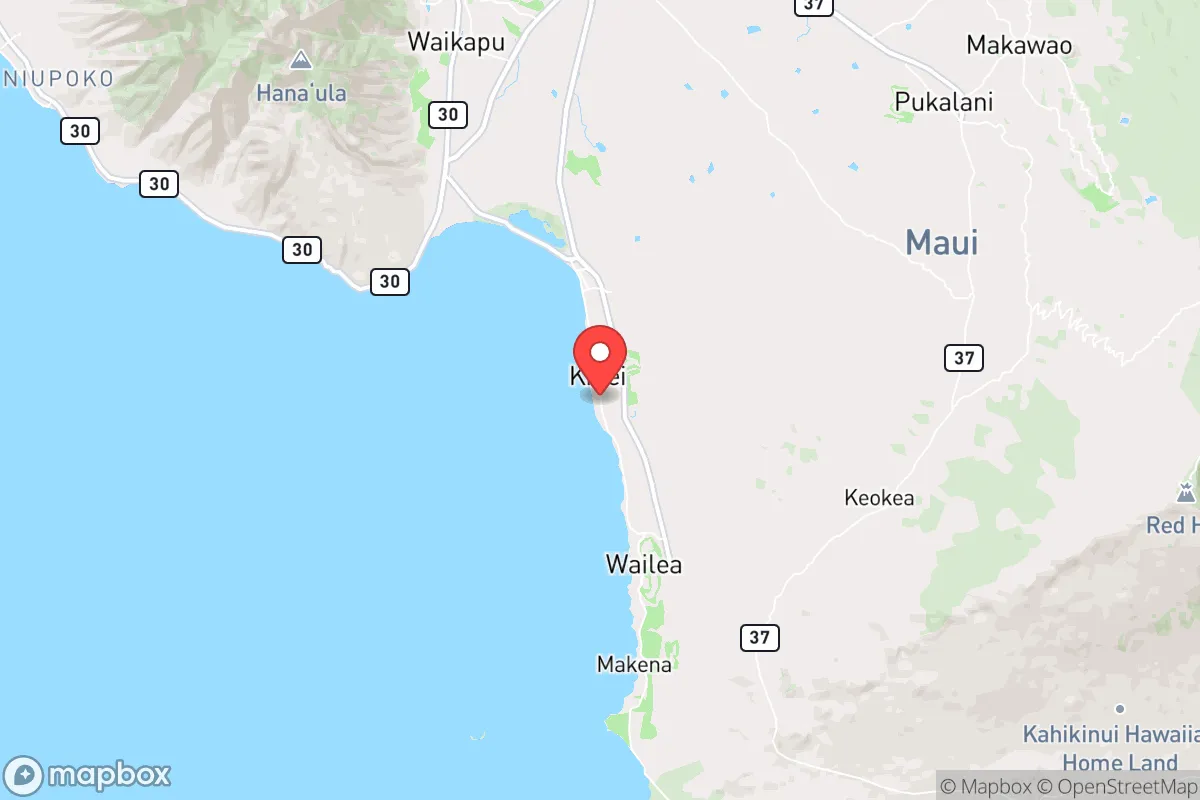
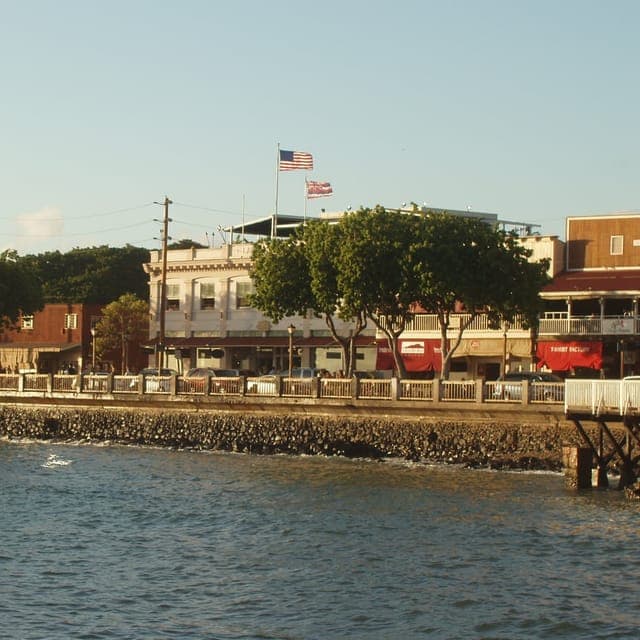
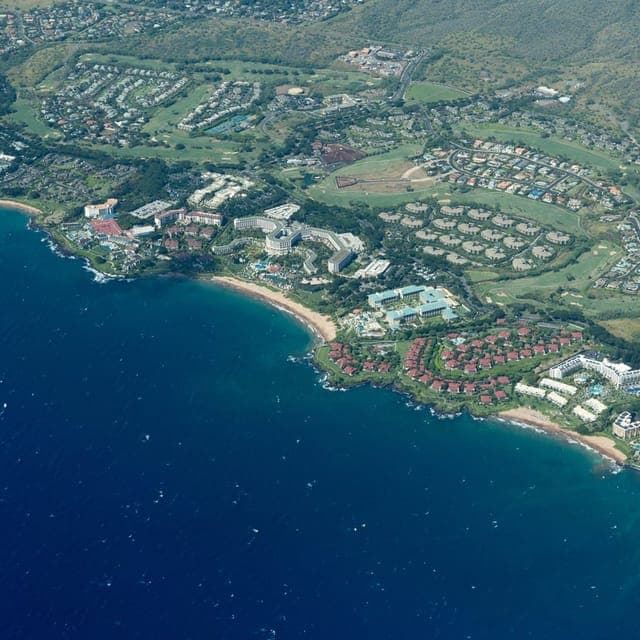
Kihei sits on Maui’s sunny southwestern shore, a 12-mile strip of condos, beach parks, and strip malls that feels more like a working beach town than a resort enclave. It’s where people come for the reliable trade winds and the near-daily sunshine, but stay for the kind of life where you can snorkel before work and still make it to the grocery store by 9 a.m. The vibe is casual, sun-bleached, and surprisingly practical—this isn’t a place for luxury seekers, but for those who want to live on island time without completely leaving the real world behind.
Daily Rhythm: What People Actually Do
Most mornings in Kihei start with a walk or run along the paved path that hugs the coastline from Kalama Park to the Kealia Pond National Wildlife Refuge. By 7 a.m., the beach is already dotted with retirees, remote workers with laptops, and parents pushing strollers. The local grocery stores—Foodland, Safeway, and the smaller Times Market—are where you’ll see the same faces day after day. People shop for produce at the Kihei Farmers Market on Saturdays, grabbing papaya, mango, and fresh fish while chatting with vendors who’ve been there for years.
Weekends are built around the water. Locals head to Kamaole Beach Park I, II, or III for swimming and sunbathing, or drive a few minutes north to Wailea Beach for calmer waves. The more adventurous paddleboard or kayak out to Molokini Crater for snorkeling. Evenings often mean a plate lunch from Da Kitchen (the loco moco is a local legend) or a beer at Maui Brewing Company, where the patio fills with families and off-duty workers. The pace is slow, but not lazy—people here just prioritize the ocean over the office.
Who Fits In Here: Work, Family, and Affluence
Kihei attracts a mix of remote professionals, service-industry workers, and retirees. The median age is 42, and the median household income sits at $87,568—enough to get by, but not to live lavishly given the cost of living index of 228 (more than double the national average). About 32% of residents hold a college degree, which is lower than in pricier towns like Wailea, but reflects the blue-collar backbone of the community. Many people work in tourism, hospitality, or construction, while others telecommute for mainland companies, trading a higher salary for the ability to surf at lunch.
Families with young children are common, but the school system is a mixed bag. Kihei Elementary School and Lokelani Intermediate School are well-regarded locally, though many parents supplement with private or charter options. The schools themselves are community hubs—Friday night football games at Kihei High School (the Maui Warriors) draw decent crowds, but sports aren’t the obsession they are on the mainland. The real community events are the Kihei Fourth of July Parade and the Maui Film Festival in Wailea, which spill over into Kihei’s restaurants and bars.
What’s There to Do: Entertainment, Festivals, and Outdoor Life
Entertainment in Kihei is low-key and outdoorsy. The Maui Ocean Center aquarium is a favorite for families, while Keawakapu Beach offers some of the best sunset views on the island. For nightlife, options are limited but solid: Mulligan’s on the Blue is an Irish pub with live music, and Nalu’s South Shore Grill turns into a casual hangout after dark. The Maui Swap Meet on Saturday mornings is a must for local crafts and produce.
Festivals are seasonal but meaningful. The Kihei Canoe Club’s annual regatta in summer brings out the whole town, and the Maui County Fair in October is a nostalgic throwback. Music venues are scarce—most live acts play at resort lounges in Wailea or at the Maui Arts & Cultural Center in Kahului, a 20-minute drive north. For sports fans, the University of Hawaii Rainbow Warriors games are a big deal, but you’ll have to stream them or drive to Oahu for a live game. The real sports here are the ones you do yourself: surfing, paddling, and running the Maui Marathon in December.
Pros and Cons of Living in Kihei
- Pro: Weather. Kihei gets less rain than any other part of Maui—expect 300+ sunny days a year. The trade winds keep it from feeling sticky, even in summer.
- Pro: Beach access. You’re never more than a 10-minute walk from a public beach park, and most are free and uncrowded on weekdays.
- Pro: Community feel. Kihei has a small-town vibe despite its 22,564 residents. You’ll recognize neighbors at the grocery store and get waved at on the path.
- Con: Cost of living. The median home value is $871,600, and renting a two-bedroom condo runs $2,500–$3,500 a month. That cost of living index of 228 means everything from milk to gas is expensive.
- Con: Traffic. The average commute is 21 minutes, but that’s deceptive—the main road (South Kihei Road) can crawl during tourist season and rush hour, especially between Piilani Highway and the Wailea turnoff.
- Con: Crime. The violent crime rate is 200.2 per 100,000, which is higher than the national average of 180. Property crime—especially car break-ins at beach parks—is a real annoyance.
- Con: Island isolation. You’re 2,500 miles from the mainland. Flights to Honolulu are $100–$200 round trip, but shipping anything heavy or urgent is a hassle.
Kihei isn’t for everyone. It’s for people who can handle the trade-off of high prices and limited career options for the reward of living where the ocean is your backyard. The cultural quirks are real—locals say “shaka” constantly, the pace of life is genuinely slower, and you’ll learn to plan around whale season (December to May) when the beach crowds swell. But for those who make it work, Kihei offers a version of Hawaii that feels lived-in, not staged. It’s a place where you can still find a quiet spot on the sand, where the sunsets are reliably spectacular, and where the biggest decision of your day might be whether to snorkel or paddleboard.

Similar towns to Kihei

* Values derived from national, state, county, city and local statistics and may differ in a specific area. Last updated: 2026-04-24T00:41:08.000Z
Narrative content on this page is AI-generated and may contain mistakes. Verify any details that matter before acting on them.
ReloMaps may earn a commission from affiliate links at no extra cost to you.

