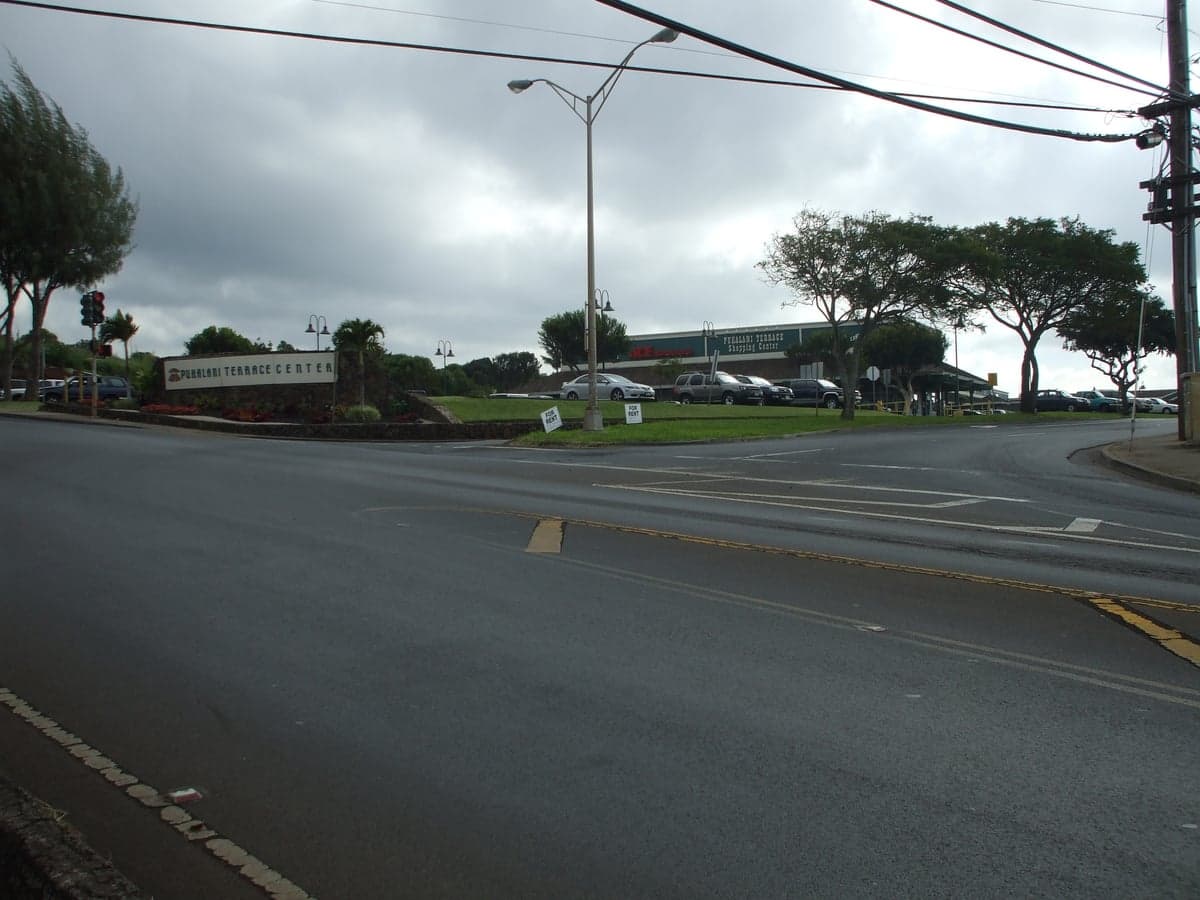
Photo: Wikipedia
Political ClimatePolitical Climate in Pukalani, HI
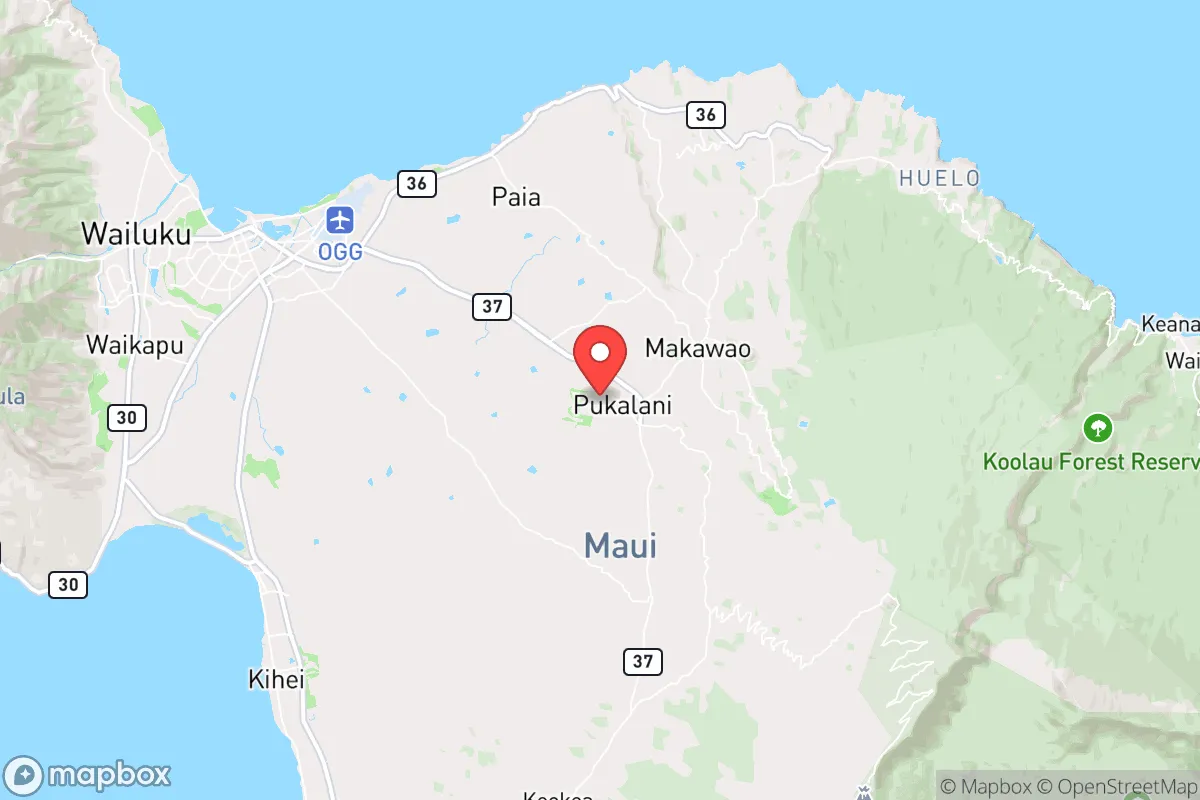
District shown is the primary district for this city’s centroid. Cities may span multiple districts.
Local Political AnalysisPolitical Analysis of Pukalani, HI
Pukalani leans heavily Democratic, with a Cook PVI of D+12 that places it firmly in the blue column compared to the rest of the country. But if you’ve lived here as long as I have, you know that label doesn’t tell the whole story. This isn’t a place where politics dominates every conversation—most folks just want to be left alone to enjoy the Upcountry lifestyle. Still, the political winds have shifted noticeably over the past decade, and it’s worth understanding what that means for anyone thinking about moving here.
How it compares
Drive 15 minutes down the mountain to Kahului, and you’ll find a more reliably progressive voting bloc, fueled by union workers and state employees. Head west to Kihei, and the politics get even more coastal-liberal, with a younger, transplant-heavy population pushing for higher-density development and stricter environmental rules. In contrast, Pukalani has historically been a bit more independent—a mix of longtime ranching families, retired military, and folks who just value their privacy. But the numbers don’t lie: Maui County as a whole voted for Biden by a 30-point margin in 2020, and Pukalani’s precincts followed suit. The real contrast is with places like Hana or the North Shore, where anti-development sentiment runs deep, or with the Big Island’s Puna district, which has a libertarian streak you won’t find here. If you’re looking for a conservative stronghold on Maui, you’d have to go to the more rural parts of Kula or the isolated community of Kaupo—and even those are shrinking in influence.
What this means for residents
For those of us who value personal freedom, the trend is concerning. The county council and state legislature have steadily pushed for more regulations—on short-term rentals, on water usage, on building permits—that make it harder to do what you want with your own property. The 2024 push for a county-wide plastic bag ban and the proposed 10% surcharge on all vacation rentals are just the latest examples of government reaching into your wallet and your choices. Property taxes have crept up, and while Hawaii’s homestead exemption helps, it doesn’t offset the feeling that you’re being nickel-and-dimed by Honolulu. The real red flag is the rising cost of living driven by state mandates—from renewable energy requirements that spike electricity rates to minimum wage hikes that push up prices at the local grocery store. If you’re a small business owner or a retiree on a fixed income, these policies hit hard. The long-term trajectory points toward more of the same: tighter land-use controls, higher fees, and a government that sees itself as the solution to every problem.
Culturally, Pukalani still holds onto a few distinctions that set it apart from the rest of Maui. The annual Pukalani Rodeo is a throwback to the paniolo (Hawaiian cowboy) tradition, and you’ll see more pickup trucks and American flags here than in the resort towns. But the local school board and county planning commission are increasingly dominated by progressive appointees, and the 2023 decision to remove “under God” from the Pledge of Allegiance at Maui District School Board meetings was a wake-up call for many of us. If you’re looking for a place where your voice on these issues still matters, Pukalani is better than most of the island—but the window is closing. My advice? Get involved in the neighborhood board and the local Republican Party if you want to keep this place from turning into another Kihei. Otherwise, you’ll be watching from the sidelines as the government takes more control over your daily life.

State Political ClimatePolitical Climate in Hawaii
State Political AnalysisPolitical Environment in the State
Hawaii has been a one-party Democratic stronghold for decades, but don’t let the blue veneer fool you—there’s a deep, simmering conservative undercurrent that’s been growing since the early 2000s. The state’s overall partisan lean is roughly D+20 in presidential elections, but that masks a dramatic shift: in 2020, Joe Biden won the state by 29 points, down from Hillary Clinton’s 32-point margin in 2016, and Barack Obama’s 42-point blowout in 2012. The trajectory is clear—Hawaii is slowly, grudgingly, becoming more competitive, driven by a rising libertarian-leaning population and a backlash against Honolulu’s progressive overreach.
Urban vs. rural divide
The political map of Hawaii is a tale of two worlds. The urban core of Honolulu on Oahu—home to about 70% of the state’s population—is the engine of Democratic dominance, with precincts routinely voting 70-80% Democrat. But drive 30 minutes out to the North Shore or the Leeward Coast, and you’ll find communities like Waianae and Haleiwa where conservative values on land rights, fishing access, and local control hold strong. The real action is on the neighbor islands. Hawaii County (the Big Island) is a political battleground: the Puna district leans heavily progressive, but the Kona and Kohala coasts are increasingly red, with Kailua-Kona and Waimea showing Republican gains of 5-8 points since 2016. Maui County is similar—the tourist-heavy Kihei and Lahaina areas are blue, but upcountry Makawao and Hana are deeply conservative, often voting 60-40 Republican. Kauai remains the most consistently blue of the neighbor islands, but even there, the rural Hanalei and Kekaha precincts are trending right. The divide isn’t just geographic—it’s cultural: urbanites in Honolulu support high taxes and strict regulations, while rural residents are fighting for property rights and lower costs.
Policy environment
Hawaii’s policy environment is a mixed bag that should give any freedom-minded person pause. The state has the highest combined tax burden in the nation—income taxes top out at 11%, property taxes are moderate but rising, and the general excise tax (GET) hits everything from groceries to rent. The regulatory posture is suffocating: building permits can take 18-24 months, and the state’s land use commission has near-total control over development. Education policy is a sore point—Hawaii has a single statewide school district, meaning local control is virtually nonexistent. The Department of Education is notoriously top-heavy, and test scores lag behind the mainland. Healthcare is dominated by the Hawaii Medical Service Association (HMSA), a quasi-monopoly that keeps costs high. Election laws are relatively open—same-day registration and no-excuse absentee voting are the norm—but the state’s all-mail voting system, implemented permanently in 202 perm, has raised concerns about ballot security among conservatives. On the plus side, Hawaii has no local property taxes on vehicles or boats, and the state’s homestead exemption is generous for primary residences.
Trajectory & freedom
Hawaii is becoming less free by almost any measure, and the trend is accelerating. The most alarming recent legislation is Act 46 (2023), which effectively bans the sale of new handguns to residents under 21 and imposes a 10-day waiting period on all firearm purchases—one of the strictest gun control laws in the nation. The state also passed Act 2 (2024), which expands the definition of “gender identity” in public accommodations, effectively compelling speech and association in schools and businesses. On the parental rights front, Act 35 (2023) removed the requirement for schools to notify parents if a child changes their gender identity or pronouns—a direct blow to family autonomy. Medical freedom took a hit with Act 12 (2022), which mandates COVID-19 vaccines for all healthcare workers and school employees, with no religious exemption. Property rights are under siege: the state’s Land Use Commission recently denied a 500-home development in Kapolei on environmental grounds, despite a severe housing shortage. The only bright spot is the Hawaii State Legislature’s failure to pass a “right to repair” bill in 2024, which at least kept agricultural equipment accessible for farmers. The overall trajectory is toward more government control, not less.
Civil unrest & political movements
Hawaii has a long history of civil disobedience, but the flashpoints are shifting. The Mauna Kea protests (2019-2020) against the Thirty Meter Telescope were a rare moment of cross-ideological unity—Native Hawaiian sovereignty activists, environmentalists, and libertarians all camped out together. The movement has since splintered, with the more radical elements pushing for a Hawaiian Kingdom secession movement that rejects U.S. sovereignty entirely—a fringe but vocal group that holds rallies at the state capitol. On the right, the Hawaii Republican Party is small but energized, with a strong grassroots presence in Hilo and Kona. The “Aloha First” movement, which opposes mass tourism and overdevelopment, has gained traction among both conservatives and progressives. Immigration politics are relatively quiet—Hawaii has a small undocumented population—but the state’s sanctuary policies (Act 2, 2019) limit cooperation with ICE, which frustrates many residents. Election integrity is a growing concern: the 2022 primary saw a contested recount in the Honolulu City Council race, and the state’s all-mail system has been criticized for lack of chain-of-custody transparency. The most visible flashpoint for a new resident would be the constant tension between local control and state overreach—whether it’s zoning laws, fishing regulations, or vaccine mandates, the state government is always in your business.
Projection
Over the next 5-10 years, Hawaii is likely to become more polarized, not less. The demographic shift is real: the state’s native-born population is aging and declining, while in-migration from the mainland—especially from California and the Pacific Northwest—is accelerating. These newcomers tend to be younger, more progressive, and more willing to accept high taxes and strict regulations in exchange for “sustainability” and “equity.” The Honolulu metro area will continue to drive the state’s leftward tilt, while the neighbor islands—particularly the Big Island and Maui—will become more conservative as rural residents push back. The housing crisis will be the key battleground: if the state continues to block development, it will drive out middle-class families and small business owners, leaving only the wealthy and the heavily subsidized. Expect more gun control, more vaccine mandates, and more land use restrictions. The only wildcard is a potential constitutional convention—Hawaii’s state constitution requires a vote every 10 years on whether to hold one, and the next is in 2028. If it passes, it could open the door to major reforms, including a right-to-work law or property tax caps. But don’t hold your breath—the political establishment will fight it tooth and nail.
Bottom line for a new resident: If you’re moving to Hawaii for the lifestyle, be prepared for a government that will nickel-and-dime you at every turn—from the 11% income tax to the endless permitting fees. The state is beautiful, but the freedom is fading. Your best bet is to settle in a rural area like Pahoa on the Big Island or Hana on Maui, where the local culture still values self-reliance and community over state control. Just don’t expect the politics to catch up anytime soon.
* Values derived from national, state, county, city and local statistics and may differ in a specific area. Last updated: 2026-04-30T14:27:52.000Z
Narrative content on this page is AI-generated and may contain mistakes. Verify any details that matter before acting on them.
ReloMaps may earn a commission from affiliate links at no extra cost to you.

