Photo: Wikipedia
Find The Best Places To Live
in Pukalani
PRO TIP! You can paste a Zillow or Redfin link to get info on that property.
What It's Like Living in Pukalani, HI
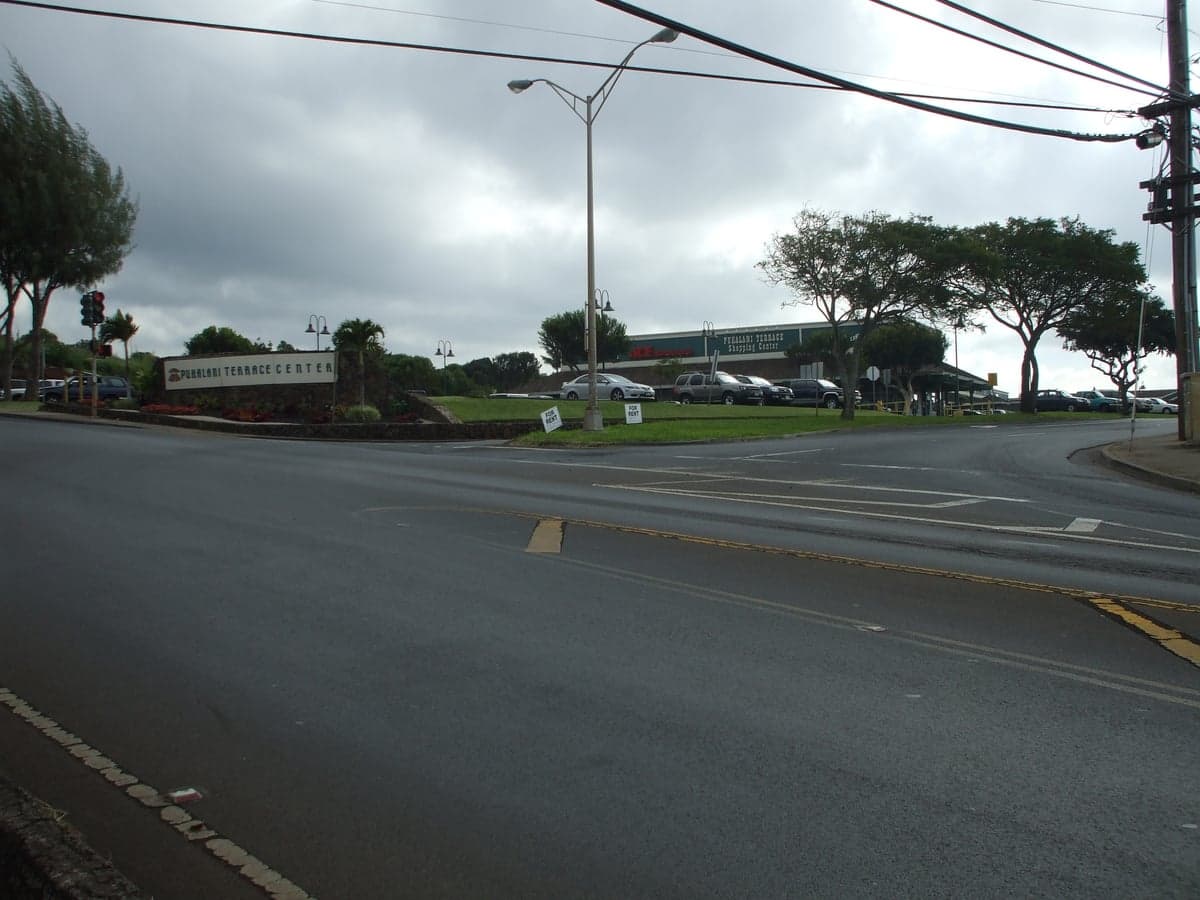
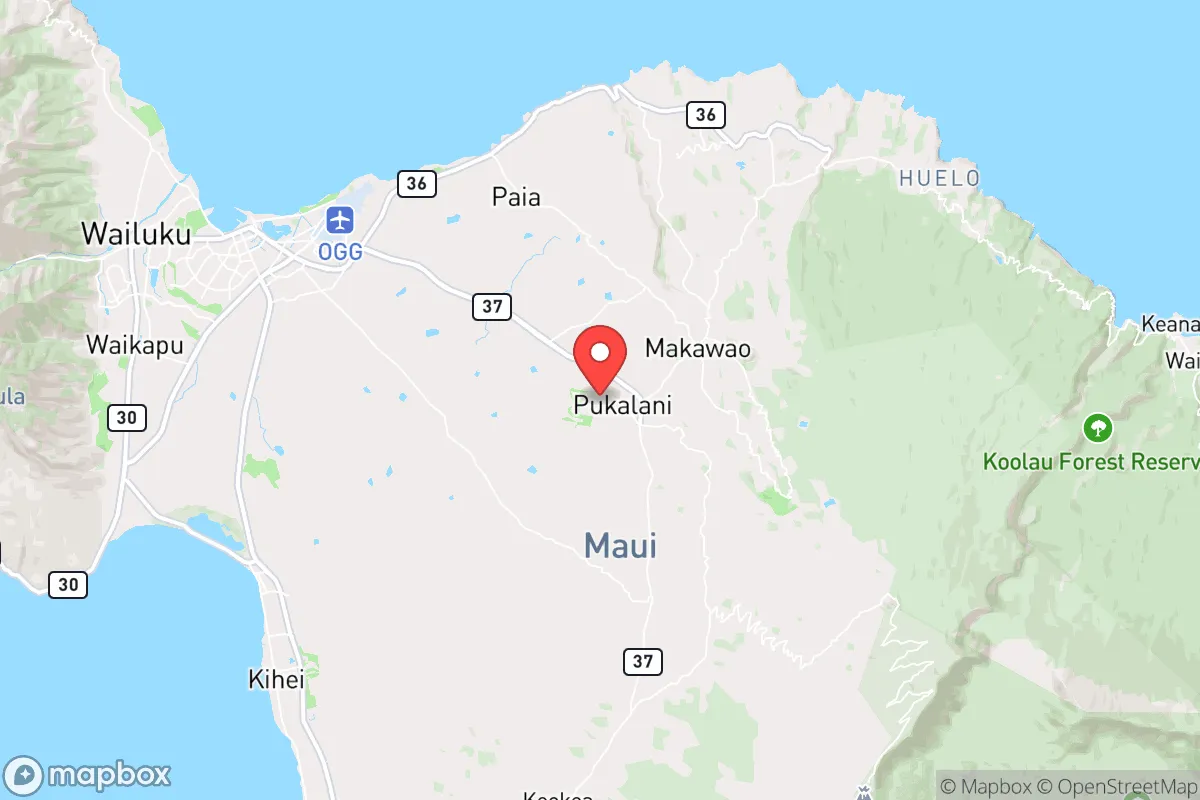
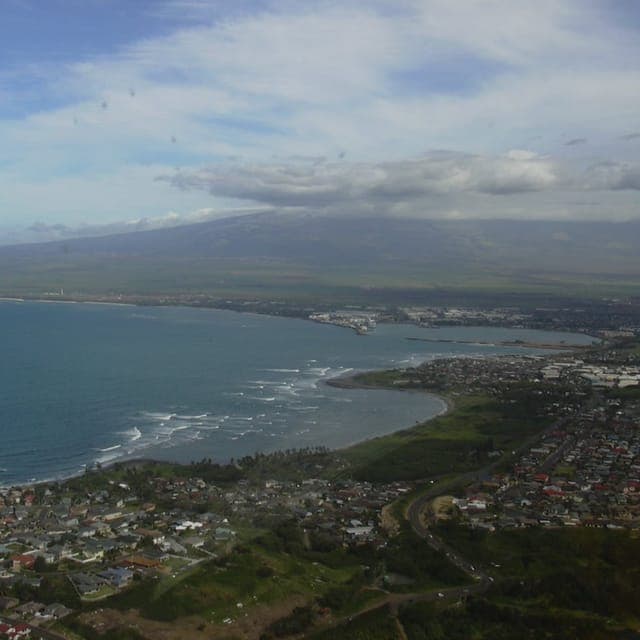
Pukalani, which translates to "heavenly gate" in Hawaiian, sits on the rolling green slopes of Haleakalā at about 1,400 feet elevation, offering a climate that feels more like a mild spring day than the tropical heat of the coast. It's a bedroom community for people who work in Kahului or Wailuku but want cooler air, quieter streets, and a sense of space that the beach towns can't provide. The vibe here is less tourist-driven and more rooted in everyday island life — think neighbors who wave from their trucks, weekend soccer games at the community park, and a pace that forces you to slow down whether you like it or not.
The Daily Rhythm: Cool Mornings, Quiet Evenings
Life in Pukalani revolves around the simple routines of working families and retirees. The morning commute down the Pukalani Bypass or onto Haleakalā Highway takes about 28 minutes to reach Kahului or the airport, a drive that locals grumble about but accept as the price of living upcountry. Most people do their grocery shopping at the Pukalani Superette or drive down to the Safeway in Makawao, and weekend mornings often mean grabbing a plate lunch from Pukalani Country Club's restaurant or picking up malasadas from a local bakery. The median age of 48.1 tells you this isn't a party town — it's a place where people have already settled into their careers, with a median household income of $120,707 that reflects the professional and remote-worker crowd who can afford the $926,100 median home value. The kind of person who fits here is someone who values quiet, doesn't mind driving for entertainment, and has the financial stability to handle the cost of living index of 225 — more than double the national average.
Sports, Schools, and Community Anchors
High school sports are a genuine community rallying point here. King Kekaulike High School (the Na Aliʻi) draws big crowds for football games and volleyball matches, especially when they play rival Baldwin or Kamehameha Maui. The school itself is a central hub — parents know each other, booster clubs are active, and Friday night games feel like the main social event of the week. There are no pro sports teams on Maui, but that doesn't matter much; the island's love for University of Hawaii athletics runs deep, and you'll see UH bumper stickers and license plate frames everywhere. For younger kids, the Pukalani Community Center runs after-school programs and summer camps, and the Pukalani Park fields are packed with youth soccer and baseball leagues on weekends. The schools themselves — Pukalani Elementary and King Kekaulike — are well-regarded, though some families opt for private options like Seabury Hall or St. Anthony's down the hill.
What's There to Do: Upcountry Adventures and Local Hangouts
Outdoor life is the main draw. The Makawao Forest Reserve is a 10-minute drive up the mountain, offering shaded hiking and mountain biking trails through eucalyptus and pine — a landscape that feels more Pacific Northwest than tropical. The Haleakalā National Park summit is about 45 minutes away, and many residents treat sunrise trips as a rite of passage for visiting friends and family. For a more relaxed weekend, people head to the Maui Swap Meet in Kahului or browse the boutiques and galleries in nearby Makawao town. Restaurants are limited but solid: Pukalani Country Club has a public restaurant with decent plate lunches and a view of the north shore, and Kimos Restaurant in Makawao is a local favorite for Mexican food. There aren't bars or music venues in Pukalani itself — for nightlife, you drive down to Paia or Kihei. The annual Upcountry Fair at the Oskie Rice Arena in Makawao is a big deal, with rodeo events, local crafts, and the kind of small-town carnival energy that reminds you this isn't just a resort island.
Pros and Cons of Living Here
What longtime residents love is the weather — temperatures rarely hit 85°F, and the trade winds keep things comfortable year-round — and the genuine community feel where people look out for each other. The violent crime rate of 200.2 per 100,000 is slightly above the national average, but most crime is property-related and concentrated in lower-elevation areas; Pukalani itself feels safe, and neighbors keep an eye on things. What frustrates people is the cost: groceries, gas, and utilities are all significantly higher than on the mainland, and the 33.9% college-educated population means many residents are overqualified for the local job market. Traffic can back up on the Pukalani Bypass during school drop-off and pickup, and the limited dining and shopping options mean you're driving to Kahului or Kihei for most errands. The cultural quirk here is the "Maui time" mentality — things move slower, appointments run late, and if you're coming from a fast-paced city, that adjustment can be either refreshing or maddening. For the right person — someone who values space, cool air, and a tight-knit community over convenience and nightlife — Pukalani feels like a hidden pocket of Hawaii that the tourists never see.

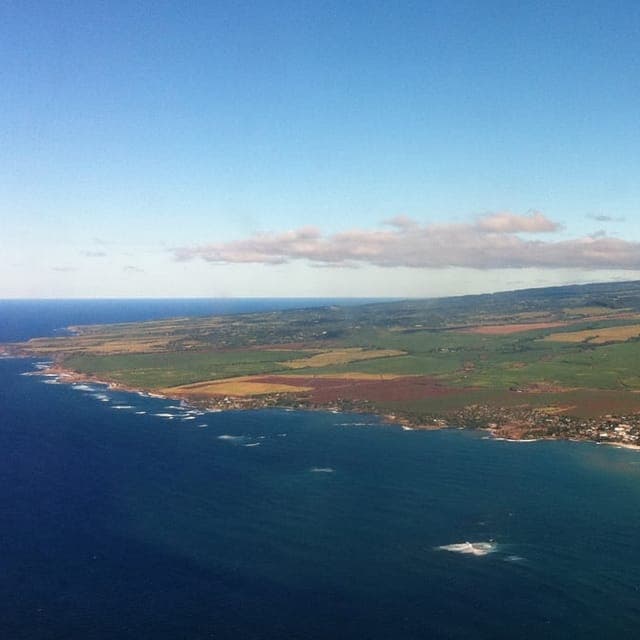
Similar small towns to Pukalani

* Values derived from national, state, county, city and local statistics and may differ in a specific area. Last updated: 2026-04-30T14:27:52.000Z
Narrative content on this page is AI-generated and may contain mistakes. Verify any details that matter before acting on them.
ReloMaps may earn a commission from affiliate links at no extra cost to you.

