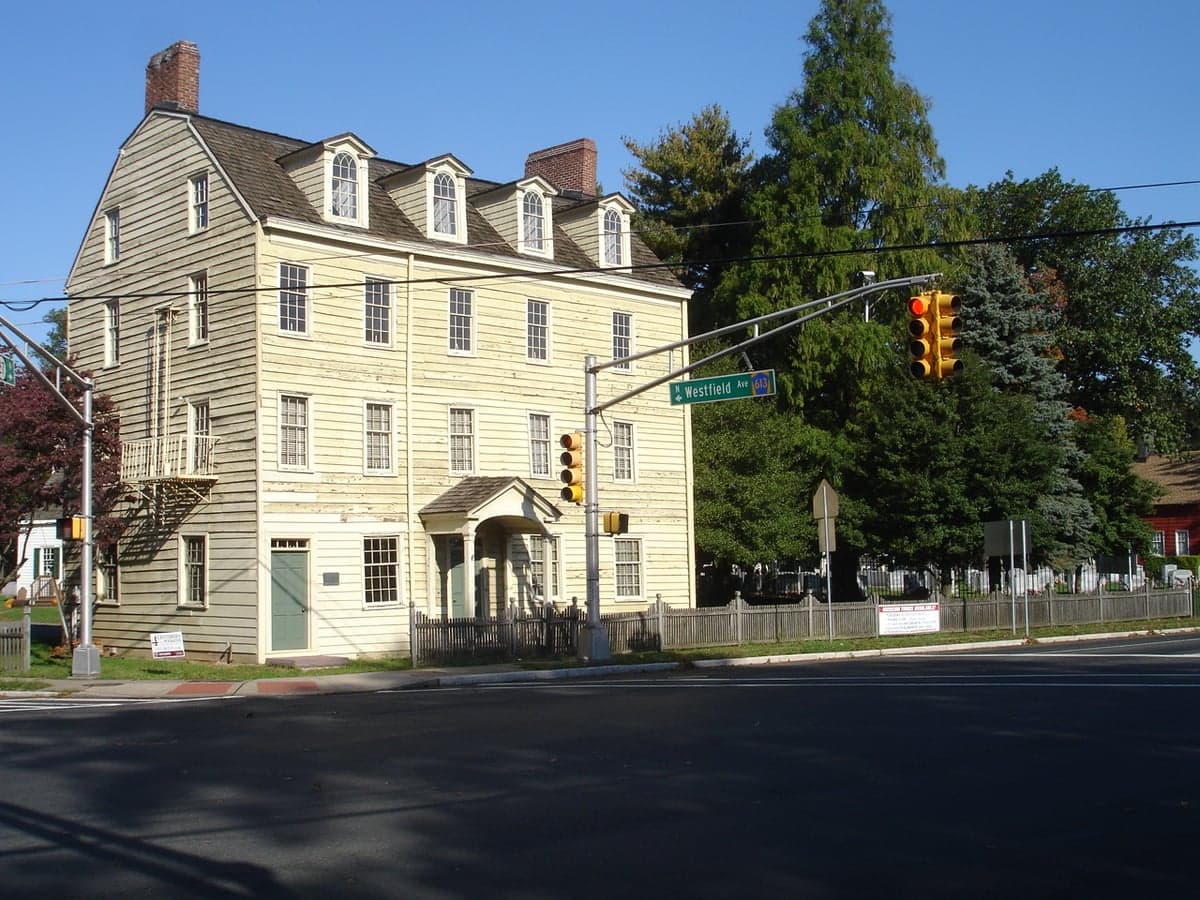
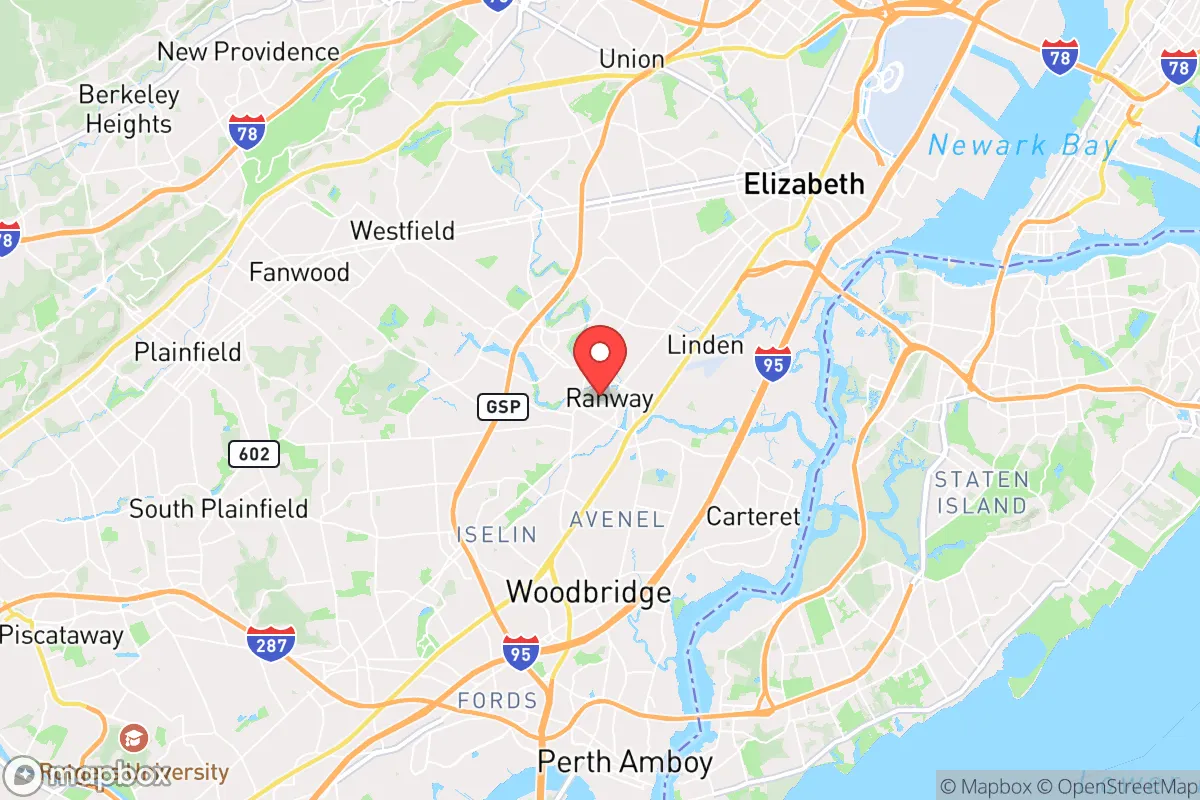
Photo: Wikipedia
Quality of Life in Rahway, NJ
A high quality of life with strong walkability, manageable living costs, healthy neighborhood signals, and solid amenity access.
What does Quality of Life tell us?
Quality of Life blends cost of living, nearby amenities, socioeconomic signals, and neighborhood character. City-level scores represent the whole municipality; individual neighborhoods can differ.
What does this tell us?
Quality of Life blends cost of living, nearby amenities, socioeconomic signals, and neighborhood character. City-level scores represent the whole municipality; individual neighborhoods can differ.
Cost of Living
42% above national average
The Real Cost of Living in Rahway, NJ for 2026
| Tier | Individual | Family (4) |
|---|---|---|
| Survival | $28k | $53k |
| Comfortable | $70k | $103k |
| Luxury | $125k+ | $193k+ |
| Elite (Top 5%) | $147k+ | $227k+ |
88%
The Area Signal
A metric tracking the socioeconomic signals of the area.
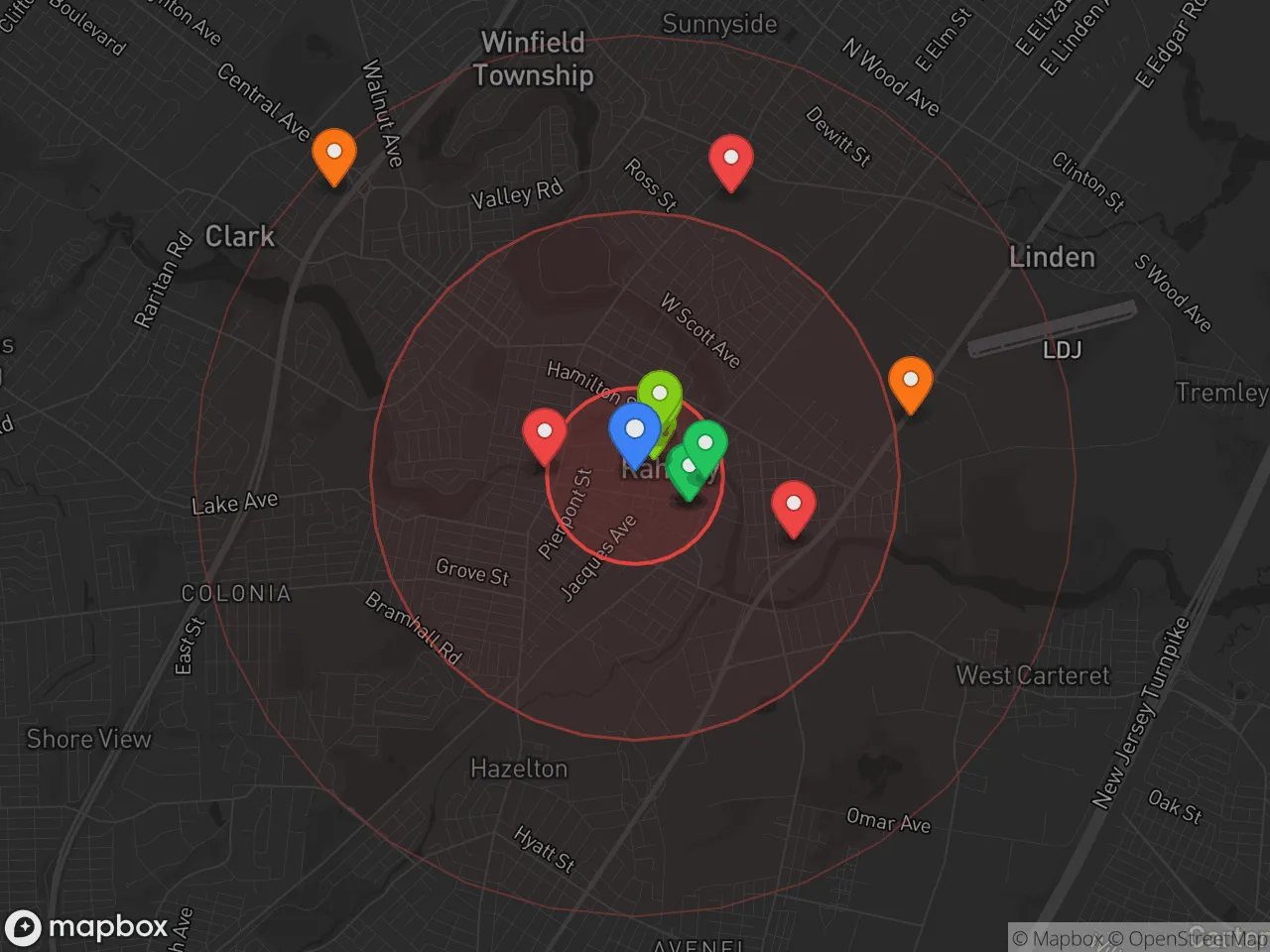
Hobbies
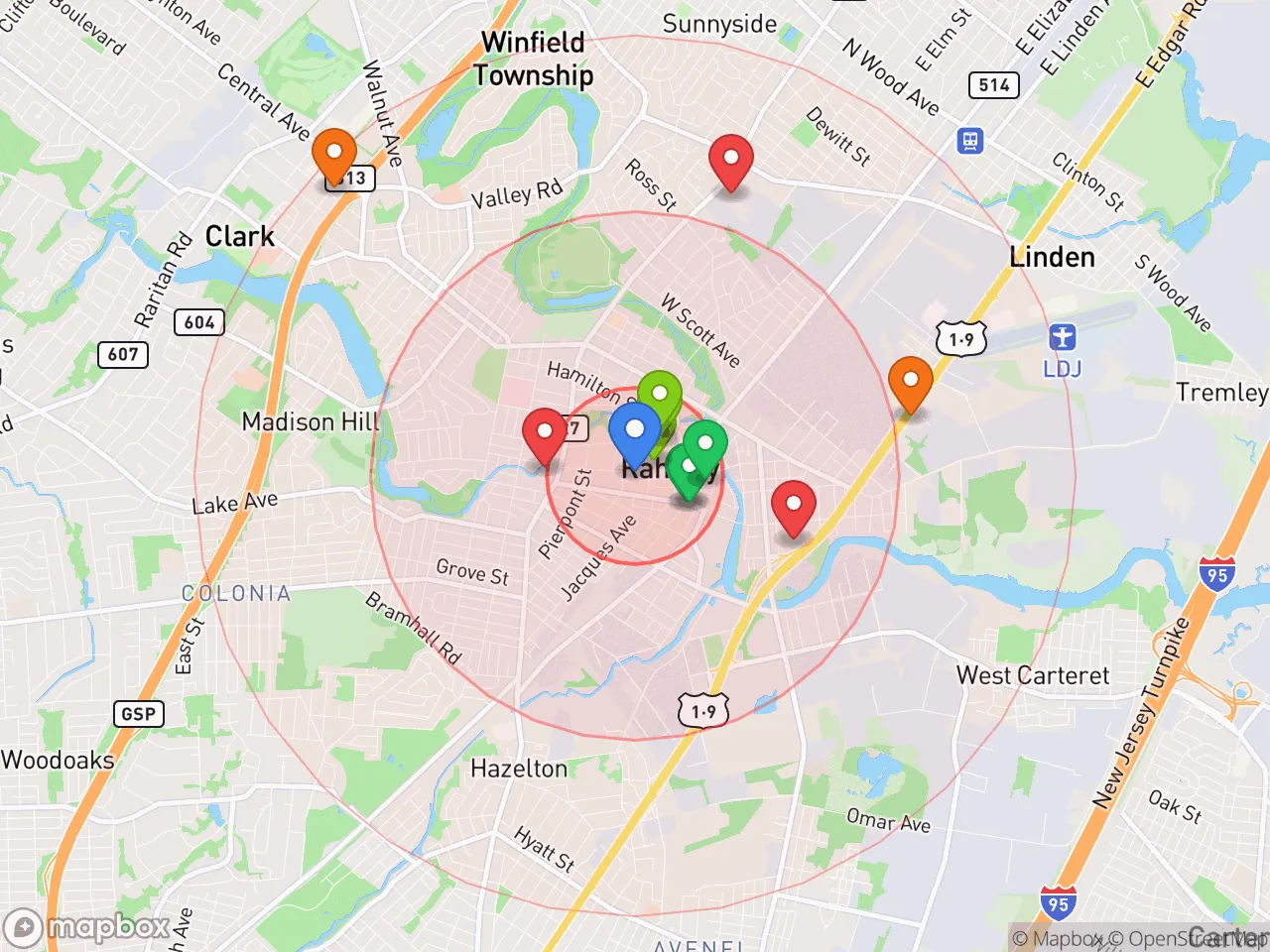
Explore the areaGroceries
7 within 10 miles
Gas
20 within 10 miles
Hospital
20 within 20 miles
Airport
EWR — Newark Liberty International
Post Office
USPS — Rahway, NJ
Critical Amenities
Quality-of-Life Analysis
Rahway, New Jersey, presents a quality-of-life profile that blends urban convenience with suburban affordability, attracting a diverse mix of young professionals, families, and long-term residents. With a cost-of-living index of 142 (42% above the U.S. average), the city is notably more expensive than the national norm but remains a relative bargain compared to neighboring Union County towns like Cranford or Westfield, where median home values often exceed $500,000. The typical Rahway resident is a commuter-oriented professional—often working in New York City or Newark—who values walkable downtown amenities and a strong sense of community over the sprawling lawns of farther-out suburbs.
Cost of living and housing affordability compared to nearby towns
Rahway’s housing market is the primary driver of its elevated cost of living. The median home value sits at $362,300, roughly 20% below the Union County median of $450,000, making it one of the more accessible entry points for homebuyers in the region. Median rent is $1,764, which undercuts nearby Woodbridge ($1,900) and Iselin ($2,100) while still offering direct NJ Transit rail access to Penn Station. Property taxes in Rahway average about 2.5% of assessed value—high by national standards but typical for New Jersey—and are offset by the city’s relatively lower home prices. For renters, the $1,764 figure represents about 30% of the area’s median household income ($70,000), meeting the federal affordability threshold. Compared to Hoboken or Jersey City, where median rents exceed $3,000, Rahway offers a clear cost advantage for those willing to trade a 32-minute average commute for lower monthly housing costs.
What daily life is like for families and commuters
Daily life in Rahway revolves around its compact, walkable downtown and the Rahway River Parkway. The city’s public schools—Rahway High School and seven elementary/middle schools—serve roughly 4,500 students, with a student-teacher ratio of 12:1 and a graduation rate of 88%, slightly above the state average. The Rahway Arts District, anchored by the Union County Performing Arts Center, hosts live theater and concerts, while the Rahway River Park offers 30 acres of green space with a pool, tennis courts, and walking trails. Commuters benefit from the Rahway NJ Transit station, which provides a 32-minute average commute to New York Penn Station (via the Northeast Corridor line) and a 20-minute ride to Newark. The city’s restaurant scene has grown significantly since 2020, with over a dozen independent eateries on Irving Street, including the popular Stage House Tavern and the vegan-friendly Rahway Grille. Grocery access is solid, with a ShopRite and a Target within a 5-minute drive, though residents often travel to Woodbridge Center Mall (10 minutes) for major retail.
Rahway is best suited for commuters who want a shorter train ride than farther-out suburbs like Metuchen or Edison, but who cannot afford the premium prices of Summit or Maplewood. Families will find a functional school system and ample parks, though those seeking top-tier test scores may prefer Cranford or Scotch Plains. Young professionals and empty-nesters will appreciate the walkable downtown and cultural offerings, while car-dependent households should note that parking in the downtown core can be tight. Overall, Rahway offers a balanced trade-off: higher costs than the national average, but significantly lower than most comparable Union County towns, with a commute that keeps New York City within easy reach.

Crime in Rahway, NJ
Lower crime rates than 78% of comparable U.S. locations.
Violent CrimeViolent Crime Analysis
Property CrimeProperty Crime Analysis
Crime Analysis
Rahway, New Jersey, presents a mixed safety profile for prospective residents. The city's violent crime rate of 187.1 incidents per 100,000 residents is notably lower than the national average, but its property crime rate of 738.6 per 100,000 is elevated, creating a situation where personal safety is generally good while the risk of theft and burglary is a real concern. As a small city within the New York metropolitan area, Rahway is also subject to the broader criminal justice trends of Union County, where progressive prosecutorial policies can influence recidivism and public safety outcomes.
Crime in context
Rahway's violent crime rate of 187.1 per 100,000 is roughly half the national average of approximately 380 per 100,000, and it compares favorably to the New Jersey state average of around 200 per 100,000. This means the likelihood of being a victim of murder, rape, robbery, or aggravated assault is statistically low. However, the property crime rate of 738.6 per 100,000 is about 30% higher than the national average of roughly 560 per 100,000. This disparity is typical of older, transit-oriented suburbs in the Northeast, where dense housing and easy access to rail lines (Rahway has a busy NJ Transit station) create more opportunities for theft, vehicle break-ins, and package theft. Residents should note that these figures are reported to the FBI and may undercount actual incidents due to underreporting.
What residents experience
Daily life in Rahway for most residents does not involve violent crime, but property crime is a recurring annoyance. Car burglaries and thefts from unlocked vehicles are the most common complaints, particularly in neighborhoods near the train station and downtown. The city's police department has implemented community policing initiatives and a real-time crime center to address these issues, but the high volume of commuter traffic makes it difficult to eliminate. A significant concern for long-term safety is the influence of Union County's progressive criminal justice policies. The county prosecutor's office and local judges have adopted bail reform and diversion programs that prioritize keeping offenders out of jail. While intended to reduce incarceration, these policies can result in repeat property offenders cycling through the system quickly, undermining deterrence and frustrating victims who see little consequence for theft or burglary.
Neighborhood-level variation
Safety in Rahway is not uniform. The downtown core and areas immediately surrounding the train station experience the highest rates of property crime, driven by transient foot traffic and parked commuter vehicles. In contrast, the residential neighborhoods west of Route 1 and south of St. Georges Avenue—such as the areas near Rahway River Park and the historic homes on Central Avenue—report fewer incidents. The city's public housing complexes and blocks near the border with Linden and Woodbridge can see elevated levels of both property and violent crime. Prospective renters and buyers should check block-level crime maps and speak with local residents before committing to a specific street, as conditions can vary significantly within a few blocks. Overall, Rahway is a generally safe city for those who take standard precautions, but the combination of elevated property crime and lenient local justice policies warrants careful consideration.
* Values derived from national, state, county, city and local statistics and may differ in a specific area. Last updated: 2026-05-03T09:54:53.000Z
Narrative content on this page is AI-generated and may contain mistakes. Verify any details that matter before acting on them.
ReloMaps may earn a commission from affiliate links at no extra cost to you.

