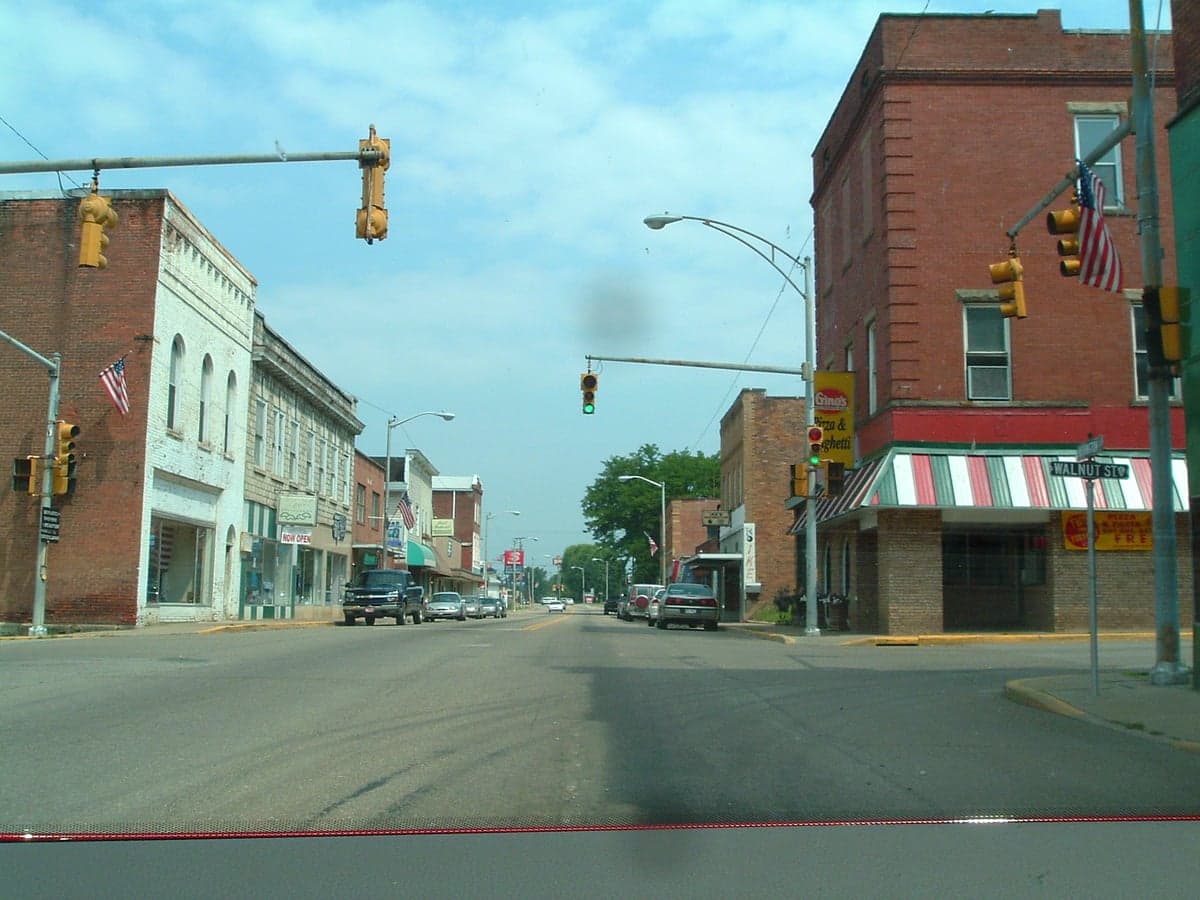
Photo: Wikipedia
Quality of Life in Ravenswood, WV
A high quality of life with strong walkability, manageable living costs, healthy neighborhood signals, and solid amenity access.
What does Quality of Life tell us?
Quality of Life blends cost of living, nearby amenities, socioeconomic signals, and neighborhood character. City-level scores represent the whole municipality; individual neighborhoods can differ.
What does this tell us?
Quality of Life blends cost of living, nearby amenities, socioeconomic signals, and neighborhood character. City-level scores represent the whole municipality; individual neighborhoods can differ.
Cost of Living
36% below national average
The Real Cost of Living in Ravenswood, WV for 2026
| Tier | Individual | Family (4) |
|---|---|---|
| Survival | $15k | $29k |
| Comfortable | $29k | $43k |
| Luxury | $82k+ | $127k+ |
| Elite (Top 5%) | $176k+ | $273k+ |
106%
The Area Signal
A metric tracking the socioeconomic signals of the area.
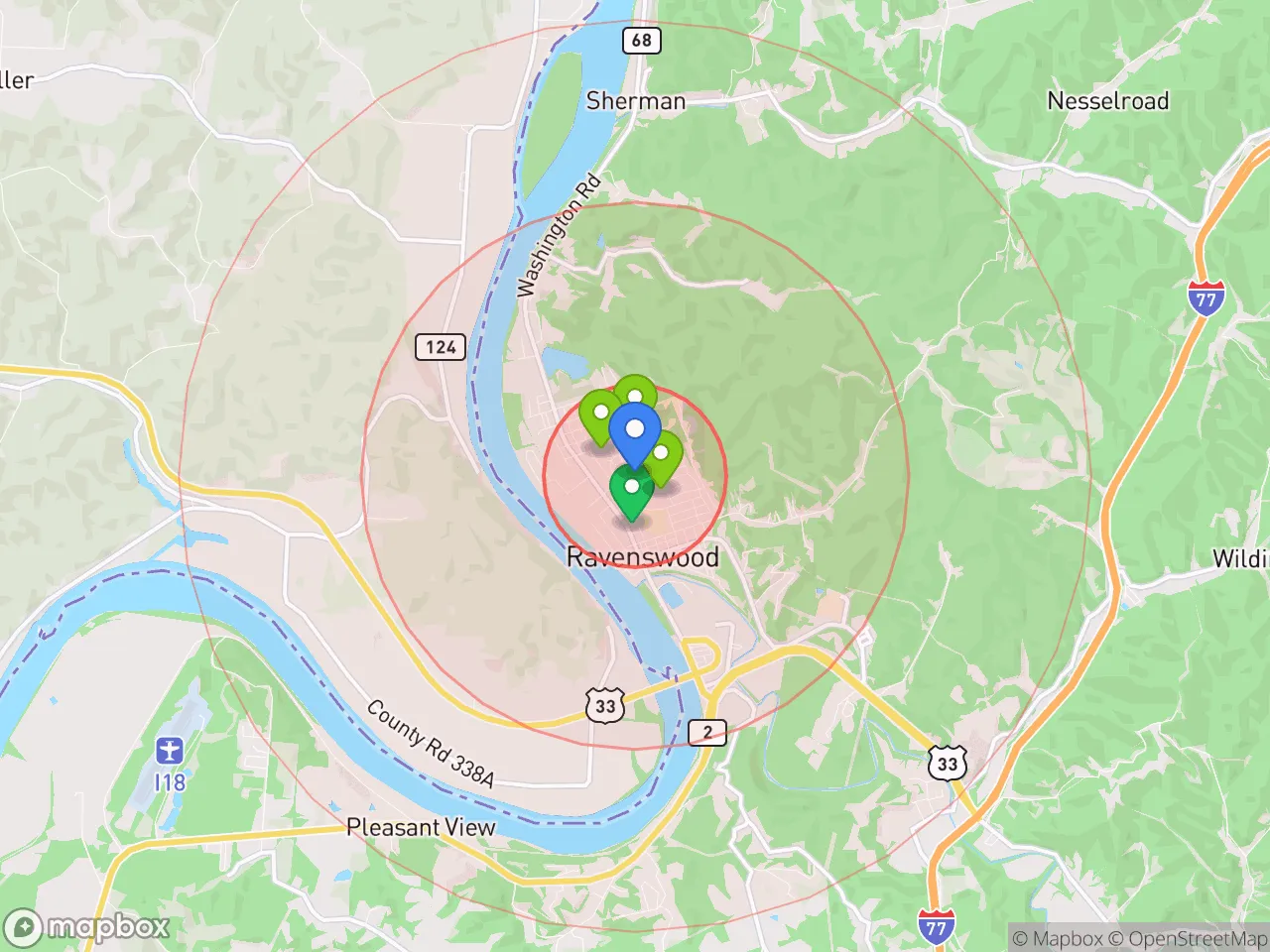
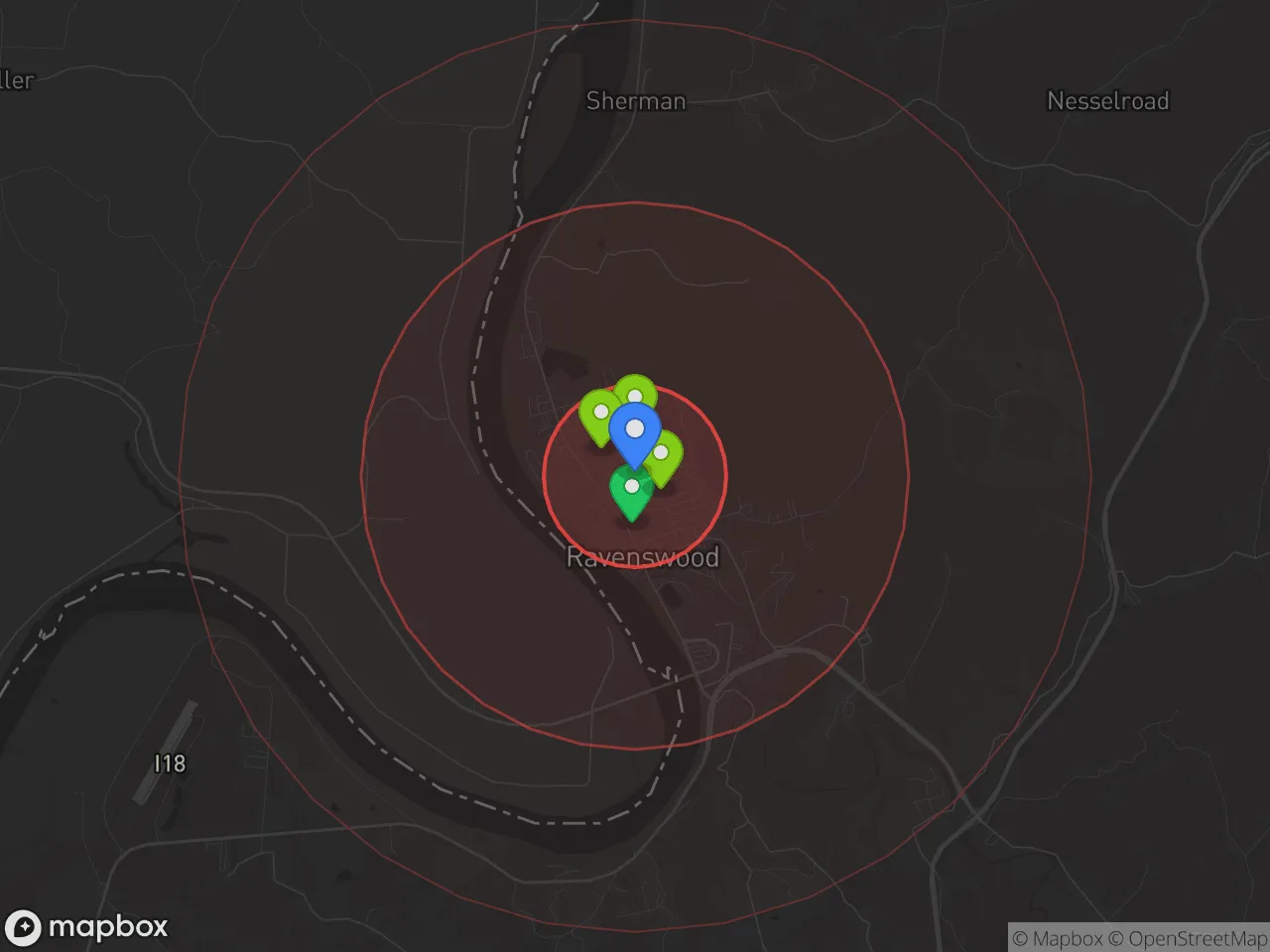
Hobbies
Explore the areaGroceries
2 within 10 miles
Gas
6 within 10 miles
Hospital
1 within 20 miles
Airport
John Glenn Columbus International Airport
Post Office
USPS — Ravenswood, WV
Critical Amenities
Quality-of-Life Analysis
Ravenswood, West Virginia, offers a distinctly affordable quality of life that attracts a mix of retirees, remote workers, and families seeking a slower pace in the Mid-Ohio Valley. With a cost of living index of 64 (36% below the U.S. average), the town provides a financial cushion that is increasingly rare in the broader Appalachian region. The population skews older and more settled, with a median age around 44, and the community is characterized by a strong sense of local pride and neighborly interaction rather than transient turnover.
How housing costs and daily expenses compare to Parkersburg and Charleston
Ravenswood’s housing market is the primary driver of its low cost of living. The median home value sits at $99,600, a figure that is roughly 30% lower than the West Virginia state median and dramatically below the national median of over $400,000. Median rent is $969, which is competitive even within the state, undercutting rents in Parkersburg (about $1,050) and Charleston (about $1,200) for comparable two-bedroom units. The average commute of 26.6 minutes is slightly longer than the national average, reflecting that many residents drive to larger employment hubs like Jackson County’s industrial plants or the chemical facilities along the Ohio River. Utility costs are moderate, though winter heating can spike due to reliance on natural gas or electric heat in older homes. Property taxes in Jackson County are among the lowest in the state, typically running under 0.8% of assessed value, which further reduces the annual carrying cost of homeownership.
What daily life is like for families: schools, groceries, and recreation
Daily life in Ravenswood centers on a compact, walkable downtown and the nearby Ohio River waterfront. The Jackson County School District operates Ravenswood Grade School and Ravenswood High School, both of which have student-teacher ratios near 14:1, slightly better than the state average. For groceries and errands, residents rely on a local Foodland and a Walmart Supercenter in the adjacent town of Ripley, about 10 minutes south. Dining options are limited to a handful of family-run diners and pizza shops; for a broader restaurant scene, most residents drive 25 minutes north to Parkersburg. Outdoor recreation is a major draw: the Ravenswood Riverfront Park offers walking trails, a boat ramp, and fishing access, while the nearby Mountwood Park (20 minutes east) provides 50 miles of hiking and mountain biking trails. The town lacks a full-service hospital, but the Jackson General Hospital in Ripley covers emergency and primary care needs. The rhythm of life is quiet and predictable, with community events like the annual Ravenswood Riverfest in August serving as social anchors.
Ravenswood is best suited for those who prioritize financial breathing room over urban convenience. Retirees on fixed incomes, first-time homebuyers priced out of larger metros, and remote workers with stable internet (the town has fiber coverage from Frontier and local providers) will find the affordability compelling. Families should be prepared for limited after-school activities and a reliance on driving for most services. Those seeking nightlife, cultural institutions, or high-end retail will likely find the town too sparse, but for anyone who values low housing costs, a safe environment, and easy access to the outdoors, Ravenswood delivers a solid, unpretentious quality of life.

Crime in Ravenswood, WV
Lower crime rates than 92% of comparable U.S. locations.
Violent CrimeViolent Crime Analysis
Property CrimeProperty Crime Analysis
Crime Analysis
Ravenswood, West Virginia, presents a notably low-crime profile, with both violent and property crime rates far below national averages. The town's violent crime rate of 131.1 incidents per 100,000 residents is roughly one-third the U.S. average, while its property crime rate of 78.6 per 100,000 is approximately one-fifth the national figure. This safety picture is consistent with Ravenswood's character as a small, close-knit Ohio River community in Jackson County, where law enforcement resources and community vigilance remain strong.
Crime in context
Ravenswood's crime statistics place it among the safest communities in West Virginia and the broader Appalachian region. The violent crime rate is significantly lower than the state average of roughly 320 per 100,000 and the national rate of about 380 per 100,000. Property crime is similarly suppressed, with the town's rate of 78.6 per 100,000 comparing favorably to West Virginia's state average of approximately 1,800 per 100,000 and the national figure of roughly 2,000 per 100,000. These figures reflect a community where serious crime is rare, and residents generally feel secure in their daily routines. The local justice system in Jackson County has not adopted the progressive prosecutorial policies seen in some larger jurisdictions, which contributes to the area's low recidivism and consistent public safety outcomes.
What residents experience
For those living in Ravenswood, the primary safety concerns are minor property incidents like unlocked vehicle entries or occasional vandalism, rather than violent confrontations. The town's layout and population density mean that most residents know their neighbors, and informal neighborhood watch dynamics are common. Police response times are generally quick due to the compact geography. The absence of a large, transient population or concentrated poverty zones—factors that often drive crime in larger metro areas—further supports the town's safety. Residents report feeling comfortable walking downtown or letting children play outside, a quality that is increasingly rare in many parts of the country.
Neighborhood-level variation in Ravenswood is minimal, though the areas immediately adjacent to the Ohio River and the industrial facilities (such as the former Century Aluminum plant) see slightly more transient traffic. The residential core, particularly the historic district and newer subdivisions on the town's eastern edge, experiences virtually no violent crime. Overall, Ravenswood offers a safety profile that is a strong draw for families and retirees seeking a low-risk environment, especially when compared to the elevated crime rates and progressive justice policies found in nearby larger cities like Charleston or Huntington.
* Values derived from national, state, county, city and local statistics and may differ in a specific area. Last updated: 2026-05-02T00:54:50.000Z
Narrative content on this page is AI-generated and may contain mistakes. Verify any details that matter before acting on them.
ReloMaps may earn a commission from affiliate links at no extra cost to you.

