 Popular
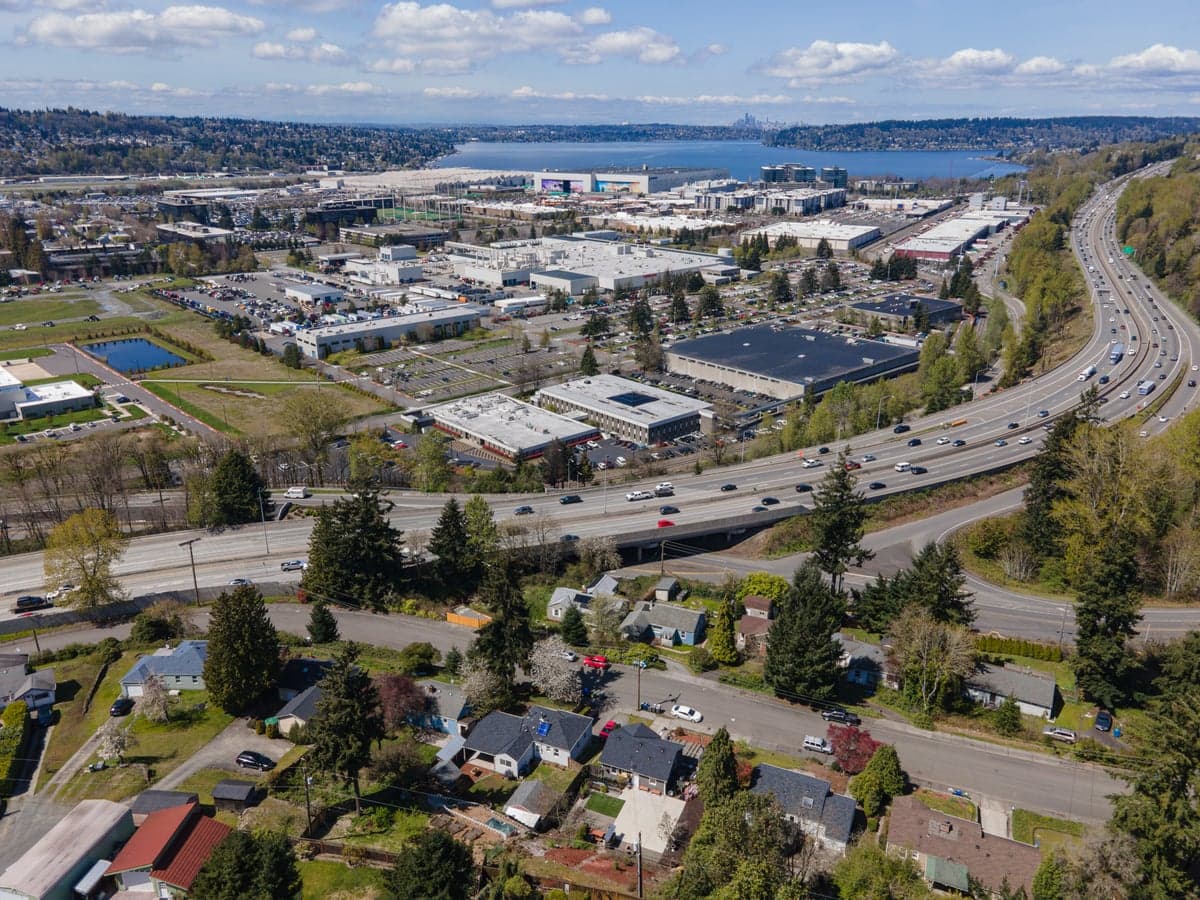
Photo: Wikipedia
Quality of Life in Renton, WA
A high quality of life with strong walkability, manageable living costs, healthy neighborhood signals, and solid amenity access.
What does Quality of Life tell us?
Quality of Life blends cost of living, nearby amenities, socioeconomic signals, and neighborhood character. City-level scores represent the whole municipality; individual neighborhoods can differ.
What does this tell us?
Quality of Life blends cost of living, nearby amenities, socioeconomic signals, and neighborhood character. City-level scores represent the whole municipality; individual neighborhoods can differ.
Cost of Living
89% above national average
The Real Cost of Living in Renton, WA for 2026
| Tier | Individual | Family (4) |
|---|---|---|
| Survival | $31k | $58k |
| Comfortable | $109k | $161k |
| Luxury | $160k+ | $248k+ |
| Elite (Top 5%) | $188k+ | $292k+ |
60%
The Area Signal
A metric tracking the socioeconomic signals of the area.
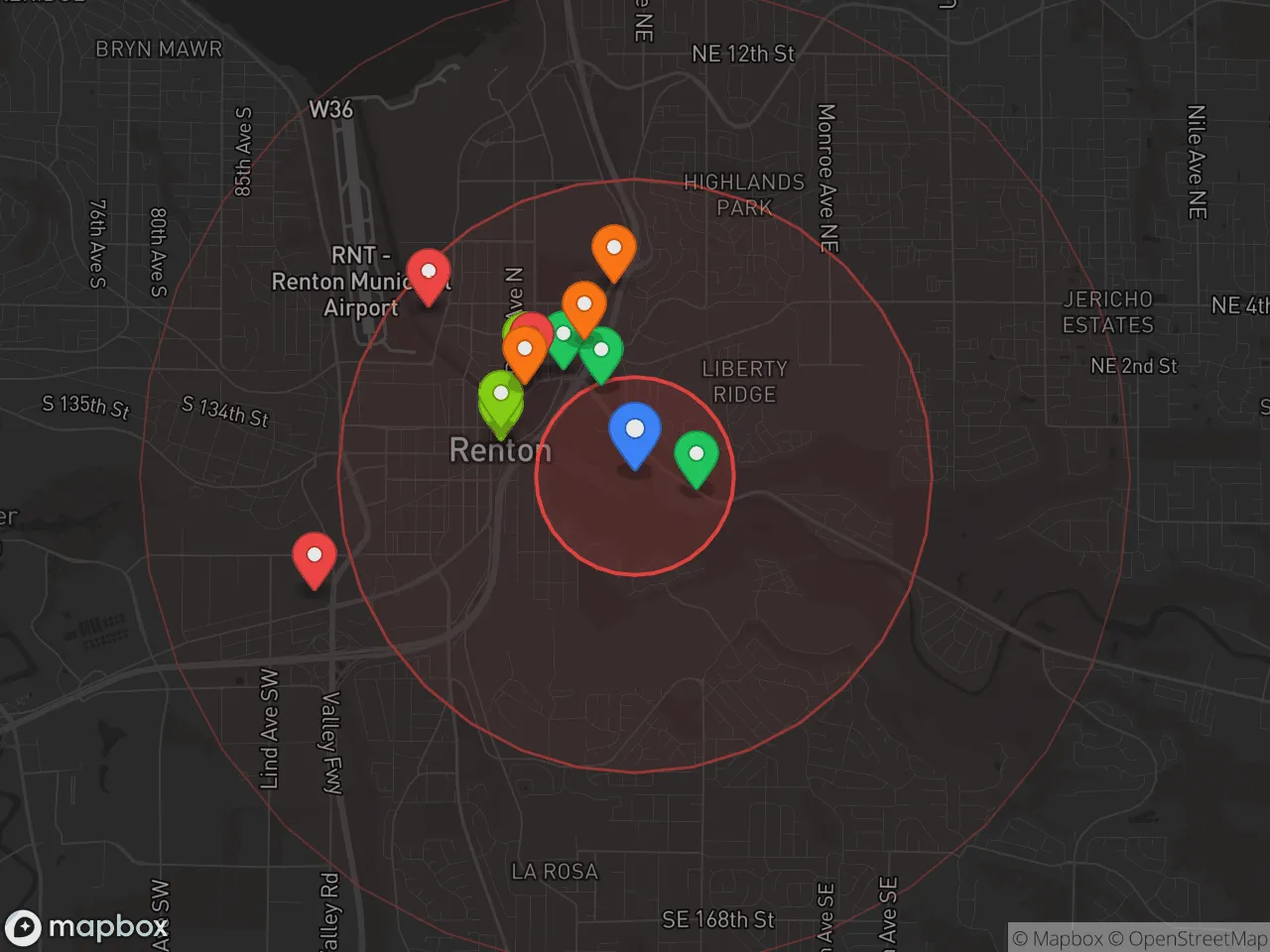
Hobbies
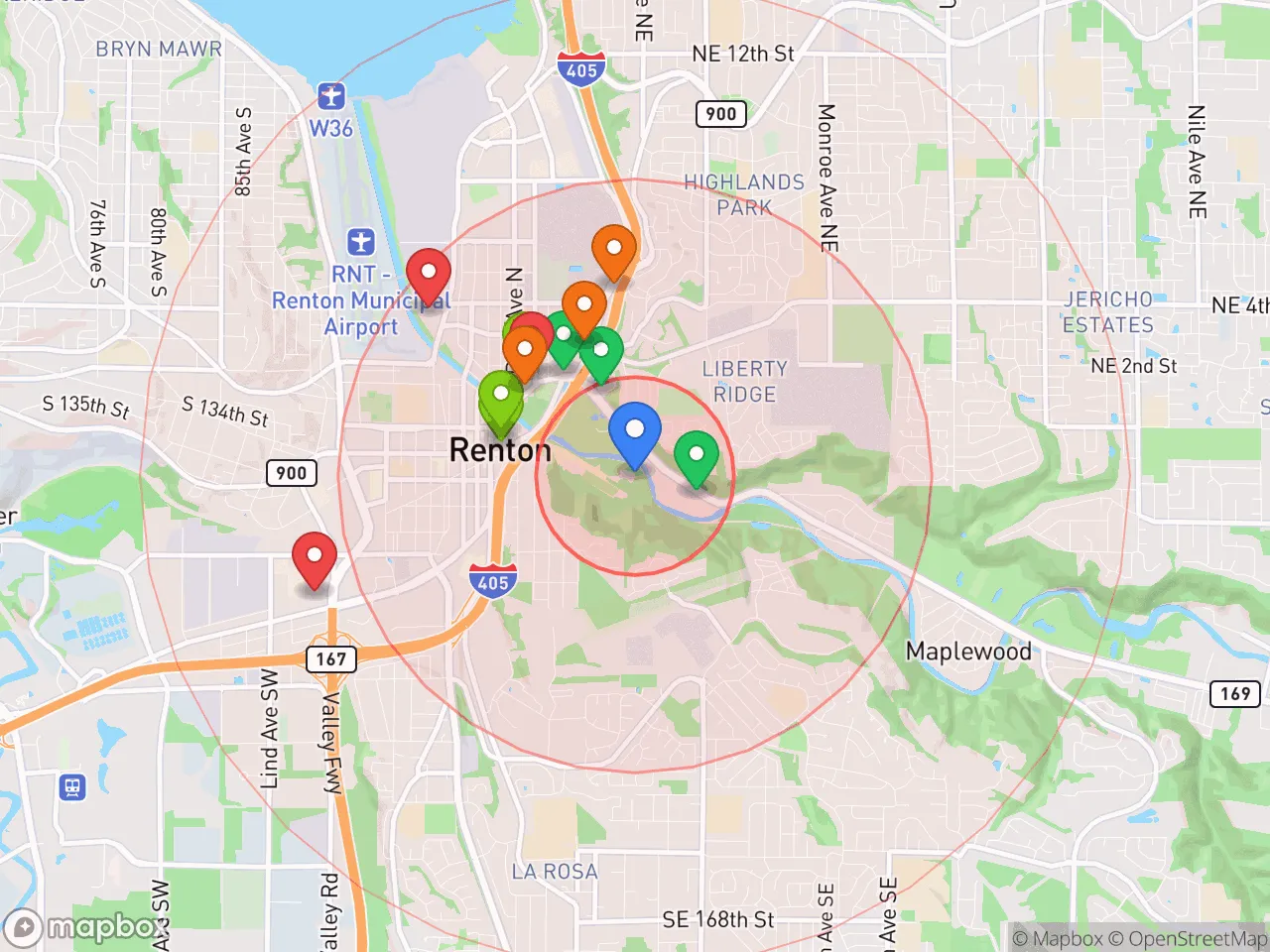
Explore the areaGroceries
8 within 10 miles
Gas
20 within 10 miles
Hospital
20 within 20 miles
Airport
SEA — Seattle–Tacoma International
Post Office
USPS — Renton, WA
Critical Amenities
Quality-of-Life Analysis
Renton, Washington, presents a quality of life shaped by its position as a more attainable alternative to Seattle, attracting a mix of Boeing engineers, tech commuters, and young families seeking suburban space without total isolation from the urban core. The city’s affluence is above the national average, yet its cost structure remains noticeably lower than that of its immediate neighbors, creating a distinct demographic blend of long-term residents and newcomers drawn by relative value. With a cost of living index of 189 (100 = U.S. average), Renton is expensive by national standards but offers a pragmatic middle ground within the Seattle metropolitan area.
Cost of living and housing affordability compared to Seattle and Bellevue
Renton’s cost of living is driven primarily by housing, though it remains significantly cheaper than Seattle (index ~210) and Bellevue (index ~230). The median home value sits at $631,400, which, while steep for most of the country, is roughly $150,000 less than the Seattle median and over $300,000 less than Bellevue’s. Median rent is $1,923, a figure that undercuts Seattle’s typical $2,200+ and Bellevue’s $2,500+ for comparable units. This pricing gap makes Renton a practical choice for workers at Boeing’s Renton plant or tech employees at companies like Amazon and Microsoft who are willing to trade a longer commute for lower monthly payments. The average commute time of 30.2 minutes reflects this trade-off: many residents drive north to Seattle or east to the Eastside tech hubs, though public transit options via Sound Transit’s Renton Transit Center and the future Link Light Rail extension are gradually improving alternatives.
Schools, parks, and what daily life actually feels like
Daily life in Renton centers on a balance of suburban amenities and urban proximity. The Renton School District serves most of the city, with schools like Hazen High School and Renton High School offering solid academic programs, though families often compare them to higher-rated districts in nearby Issaquah or Mercer Island. The city maintains over 40 parks, with Cedar River Trail providing a 7-mile paved path for biking and walking along the river, and Gene Coulon Memorial Beach Park offering swimming, boat launches, and summer concerts on Lake Washington. Retail and dining cluster around The Landing, an outdoor shopping center with national chains and local restaurants, while downtown Renton retains a more working-class character with independent cafes and ethnic eateries reflecting a diverse population (about 40% people of color). The rhythm of life is car-dependent but not isolating: residents typically drive 10–15 minutes to grocery stores, schools, and parks, and weekend trips to Seattle’s museums or Bellevue’s shopping are common 20-minute drives.
Renton is best suited for professionals and families who prioritize affordability within the Seattle region over prestige school districts or walkable urban density. It works well for Boeing employees who can walk to work, tech commuters who tolerate a half-hour drive for lower housing costs, and families who want a yard and good parks without the premium of suburbs like Sammamish. Those seeking top-tier public schools or a vibrant nightlife may find Renton a compromise, but for anyone looking to stretch a household income further while staying within 30 minutes of Seattle’s job centers, it offers a grounded, functional quality of life that few nearby cities can match at the same price point.

Crime in Renton, WA
Crime rates similar to the national median for U.S. locations.
Violent CrimeViolent Crime Analysis
Property CrimeProperty Crime Analysis
Crime Analysis
Renton, Washington, presents a mixed safety profile that demands careful consideration from potential residents. While the city's overall crime rate is slightly below the national average, it remains significantly higher than the state average, and the influence of King County's progressive criminal justice policies creates a concerning environment for public safety. With a violent crime rate of 281.8 per 100,000 residents and a property crime rate of 1,955.3 per 100,000, Renton's numbers tell a story of a community where crime is a tangible, everyday risk.
Crime in context
Renton's violent crime rate of 281.8 per 100,000 is notably lower than the national average of 380 per 100,000, but it still exceeds the Washington state average of roughly 290 per 100,000. The property crime rate of 1,955.3 per 100,000 is well above the national average of 1,954 per 100,000 and significantly higher than the state average of approximately 1,800 per 100,000. These figures place Renton in a middle tier among Seattle suburbs—safer than downtown Seattle or Tukwila, but more dangerous than nearby Newcastle or Sammamish. The city's proximity to Seattle and its role as a regional employment hub contribute to transient crime patterns, including vehicle thefts and property break-ins.
What residents experience
For those living in Renton, the most common safety concerns revolve around property crime. Vehicle theft and break-ins are particularly prevalent, especially in apartment complexes and near the Renton Transit Center. Residents frequently report package thefts from front porches and occasional mail theft. Violent crime, while less common, is concentrated in specific areas—particularly around the Sunset Boulevard corridor and parts of downtown. The presence of King County's progressive prosecutorial policies, which emphasize diversion programs and reduced sentencing for non-violent offenders, means that many property criminals cycle through the system quickly. This has led to a perception among residents that the justice system does not adequately deter repeat offenders, contributing to a sense of frustration and vulnerability.
Neighborhood-level variation
Safety in Renton varies dramatically by neighborhood. The Highlands area, with its newer developments and higher property values, experiences significantly lower crime rates than the downtown core or the Benson Hill neighborhood. Areas near The Landing shopping center see elevated property crime due to high foot traffic and vehicle density. The Cascade and Talbot Hill neighborhoods are generally considered safer, while the Sunset area and parts of downtown near the transit center have higher reported incidents. Prospective renters and buyers should research block-level crime data and consider that even in "safe" neighborhoods, car prowls and package thefts remain common. The city's police department has implemented community policing initiatives, but the broader county-level justice policies continue to undermine deterrence, making Renton a location where vigilance is a daily necessity.
* Values derived from national, state, county, city and local statistics and may differ in a specific area. Last updated: 2026-09-03T05:07:46.000Z
Narrative content on this page is AI-generated and may contain mistakes. Verify any details that matter before acting on them.
ReloMaps may earn a commission from affiliate links at no extra cost to you.

