
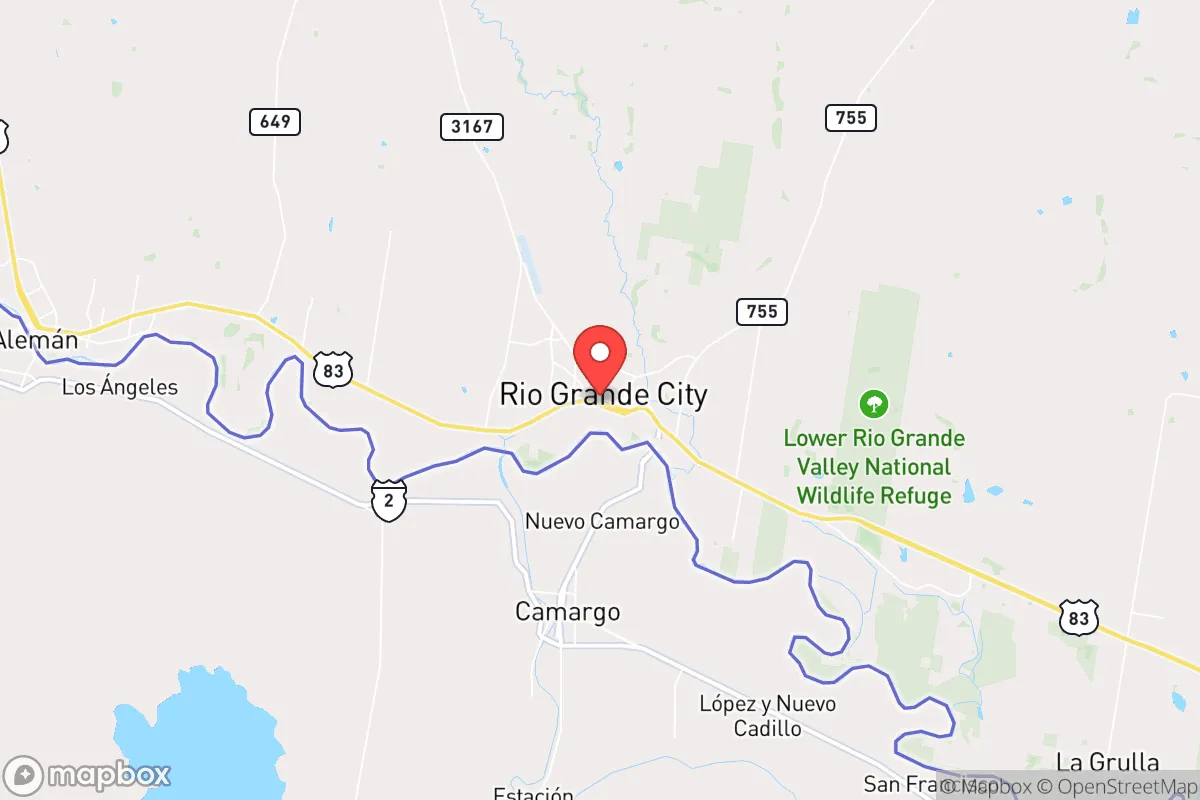
Photo: Made with AI
Quality of Life in Rio Grande City, TX
A high quality of life with strong walkability, manageable living costs, healthy neighborhood signals, and solid amenity access.
What does Quality of Life tell us?
Quality of Life blends cost of living, nearby amenities, socioeconomic signals, and neighborhood character. City-level scores represent the whole municipality; individual neighborhoods can differ.
What does this tell us?
Quality of Life blends cost of living, nearby amenities, socioeconomic signals, and neighborhood character. City-level scores represent the whole municipality; individual neighborhoods can differ.
Cost of Living
46% below national average
The Real Cost of Living in Rio Grande City, TX for 2026
| Tier | Individual | Family (4) |
|---|---|---|
| Survival | $12k | $22k |
| Comfortable | $22k | $32k |
| Luxury | $75k+ | $116k+ |
| Elite (Top 5%) | $102k+ | $158k+ |
128%
The Area Signal
A metric tracking the socioeconomic signals of the area.
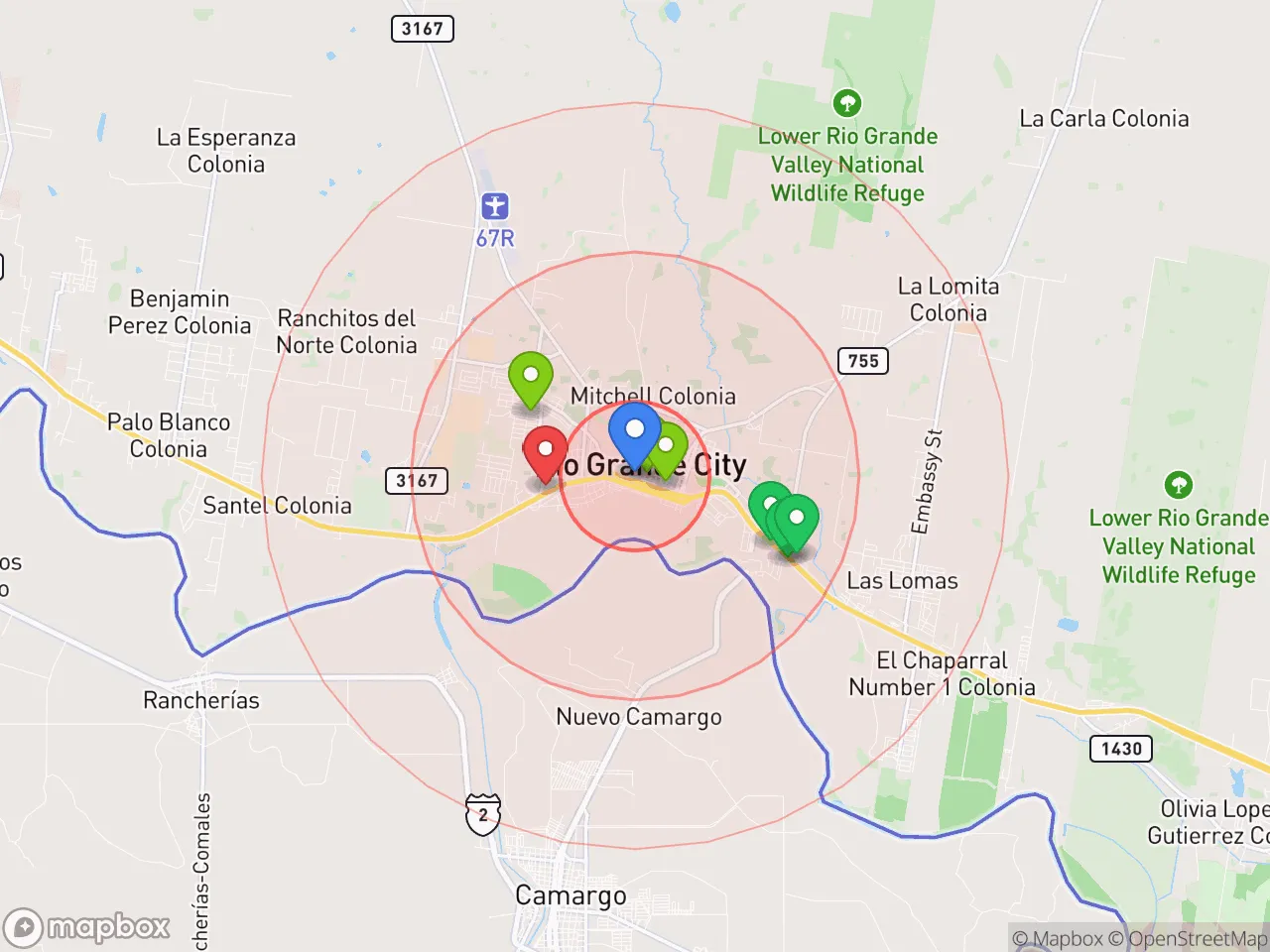
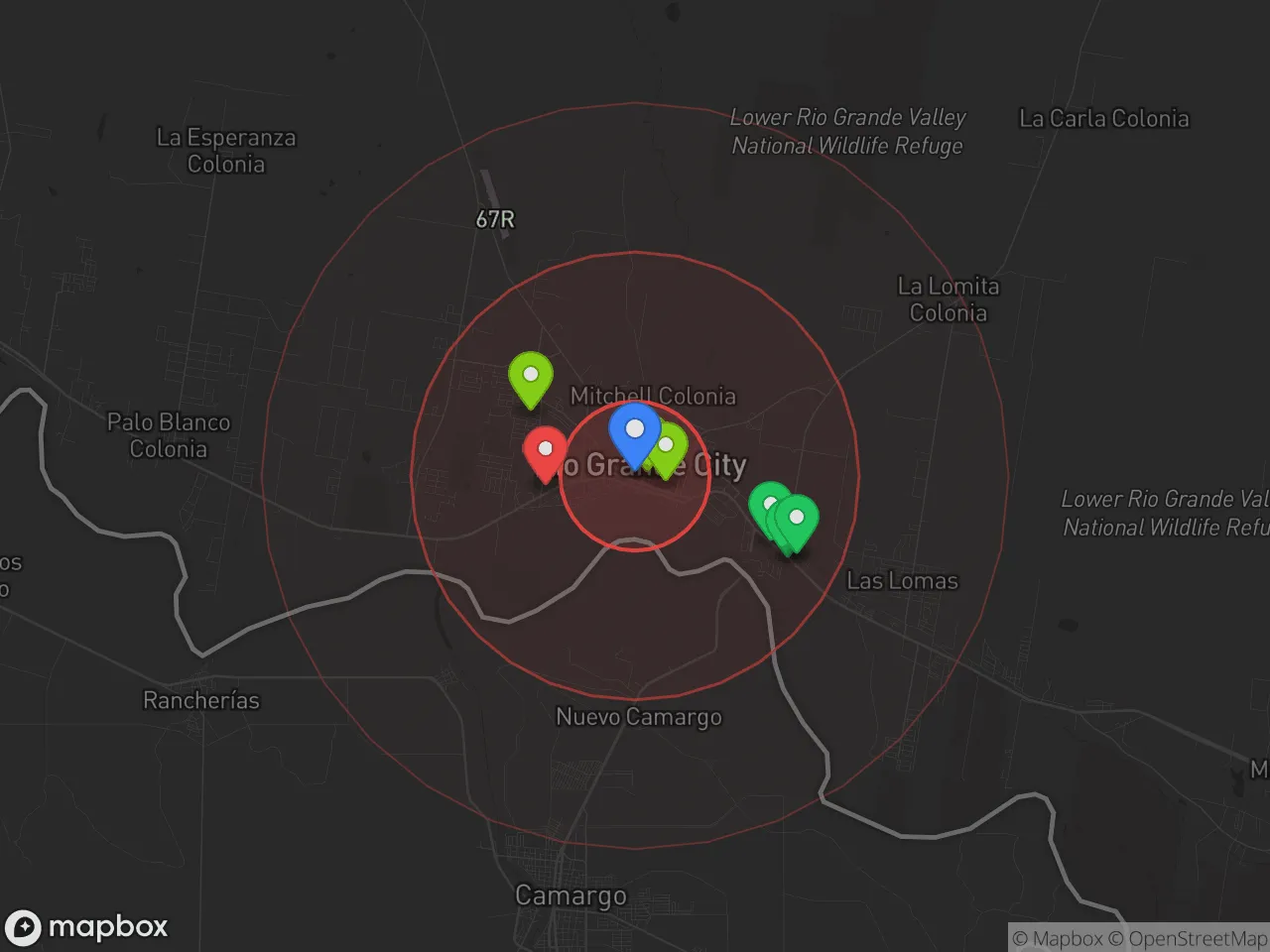
Hobbies
Explore the areaGroceries
2 within 10 miles
Gas
2 within 10 miles
Hospital
5 within 20 miles
Airport
SAN — San Antonio International
Post Office
USPS — Rio Grande City, TX
Critical Amenities
Quality-of-Life Analysis
Rio Grande City, the seat of Starr County in the Rio Grande Valley, is a predominantly working-class community where the cost of living sits far below national averages—its overall index of 54 is nearly half the U.S. baseline. The population skews young and family-oriented, with a median age around 30 and a strong Hispanic cultural fabric that shapes daily life. While median household income trails state and national figures, the area's exceptionally low housing costs and affordable essentials allow many residents to achieve a stable, debt-light lifestyle that would be difficult in pricier metros.
How housing costs and everyday expenses compare to nearby McAllen and Laredo
With a median home value of $113,400 and median gross rent of $742, Rio Grande City offers some of the most affordable shelter in Texas. For context, the median home value in nearby McAllen (about 50 miles northwest) is roughly $175,000, and in Laredo it exceeds $200,000. Renters in Rio Grande City pay about 30% less than the national median, and homeowners benefit from property tax rates that, while still notable in Texas, are applied to a much lower assessed value. The overall cost-of-living index of 54 means groceries, transportation, and healthcare are all well below the U.S. norm. The average one-way commute of 26.7 minutes is slightly longer than the national average, reflecting the area's rural-commuter pattern—many residents drive to jobs in McAllen or to oil-and-gas work in the Eagle Ford Shale region. However, lower fuel costs and shorter distances relative to larger metros keep transportation expenses manageable.
Schools, shopping, and the daily rhythm of life in Starr County
Rio Grande City Consolidated Independent School District serves the community with several elementary, middle, and high schools, plus an early college high school program that lets students earn associate degrees alongside their diplomas. The district's graduation rate hovers around 90%, and the presence of South Texas College's Starr County campus provides a local path to higher education. Daily amenities are concentrated along U.S. Highway 83, the main commercial corridor, with grocery stores, chain retailers, and local restaurants serving Tex-Mex staples. For broader shopping and entertainment, residents typically drive 45 minutes to McAllen's La Plaza Mall or to the dining and nightlife options there. Outdoor life revolves around the Rio Grande itself—Falcon Lake and the nearby Falcon State Park offer fishing, boating, and birding. The pace of life is noticeably slower than in the Valley's larger cities, with a strong sense of community reinforced by annual events like the Starr County Fair and the Charro Days celebration.
Rio Grande City is best suited for families and individuals who prioritize affordability and a close-knit, culturally rich environment over urban career opportunities or high-end amenities. Remote workers, retirees on fixed incomes, and those employed in education, healthcare, or border-related logistics will find the low cost of living especially attractive. The trade-off is limited local job diversity and a commute to McAllen for many professional roles, but for those who value financial breathing room and a slower, community-oriented lifestyle, Rio Grande City delivers a quality of life that is both grounded and attainable.

Crime in Rio Grande City, TX
Lower crime rates than 78% of comparable U.S. locations.
Violent CrimeViolent Crime Analysis
Property CrimeProperty Crime Analysis
Crime Analysis
Rio Grande City, Texas, reports a violent crime rate of 167 incidents per 100,000 residents and a property crime rate of 1,682.4 per 100,000, according to the most recent data. These figures place the city in a complex safety position: violent crime is notably lower than both the Texas state average and national benchmarks, while property crime sits near the national average but below many comparable Texas border communities. The overall safety picture is one of moderate risk, heavily influenced by the city's location in Starr County and its proximity to the U.S.-Mexico border.
Crime in context
Rio Grande City's violent crime rate of 167 per 100,000 is roughly half the national average of approximately 380 per 100,000 and well below the Texas average of about 445 per 100,000. This makes it one of the safer small cities in the Rio Grande Valley for violent offenses like homicide, assault, and robbery. Property crime, however, at 1,682.4 per 100,000, is slightly above the national average of roughly 1,954 per 100,000 but significantly lower than the Texas average of about 2,500 per 100,000. Theft and burglary are the most common property offenses, consistent with patterns seen across the region. It is important to note that Starr County, where Rio Grande City is the county seat, operates under a judicial system that has not adopted the progressive prosecutorial policies seen in larger Texas metros like Houston, Dallas, or Austin. This traditional approach to law enforcement and prosecution is a positive factor for public safety, as it avoids the negative outcomes associated with lenient sentencing and reduced incarceration that can lead to more criminals on the street.
What residents experience
Residents generally report feeling safe in their daily routines, particularly during daylight hours in the city's core neighborhoods and along the U.S. 83 corridor. The low violent crime rate means random acts of violence are uncommon. However, property crime—especially vehicle burglaries and package thefts—is a recurring concern, particularly in areas with higher rental density and near commercial districts. The city's police department maintains a visible presence, and community policing efforts are active. Because Rio Grande City is not part of a large, progressive metro area, residents do not face the elevated crime risks associated with jurisdictions that prioritize offender rehabilitation over public safety. The local justice system's focus on accountability contributes to the city's relatively low crime rates and helps maintain a safer environment for families and businesses.
Neighborhood-level variation exists, with the historic downtown and newer subdivisions west of the city center generally experiencing fewer incidents than older, more densely populated areas near the border crossing. Gated communities and newer developments along FM 2360 report the lowest crime rates. Prospective residents should consult local crime maps and speak with neighbors, but the overall data indicates that Rio Grande City offers a safer environment than many similarly sized Texas towns, particularly those in counties with progressive district attorneys. The absence of such ideological influence in Starr County's justice system is a distinct advantage for those prioritizing personal and family safety.
* Values derived from national, state, county, city and local statistics and may differ in a specific area. Last updated: 2026-05-14T18:45:47.000Z
Narrative content on this page is AI-generated and may contain mistakes. Verify any details that matter before acting on them.
ReloMaps may earn a commission from affiliate links at no extra cost to you.

