Photo: Wikipedia
Quality of Life in Ripley, WV
A high quality of life with strong walkability, manageable living costs, healthy neighborhood signals, and solid amenity access.
What does Quality of Life tell us?
Quality of Life blends cost of living, nearby amenities, socioeconomic signals, and neighborhood character. City-level scores represent the whole municipality; individual neighborhoods can differ.
What does this tell us?
Quality of Life blends cost of living, nearby amenities, socioeconomic signals, and neighborhood character. City-level scores represent the whole municipality; individual neighborhoods can differ.
Cost of Living
54% below national average
The Real Cost of Living in Ripley, WV for 2026
| Tier | Individual | Family (4) |
|---|---|---|
| Survival | $9k | $17k |
| Comfortable | $23k | $34k |
| Luxury | $63k+ | $98k+ |
| Elite (Top 5%) | $99k+ | $154k+ |
103%
The Area Signal
A metric tracking the socioeconomic signals of the area.
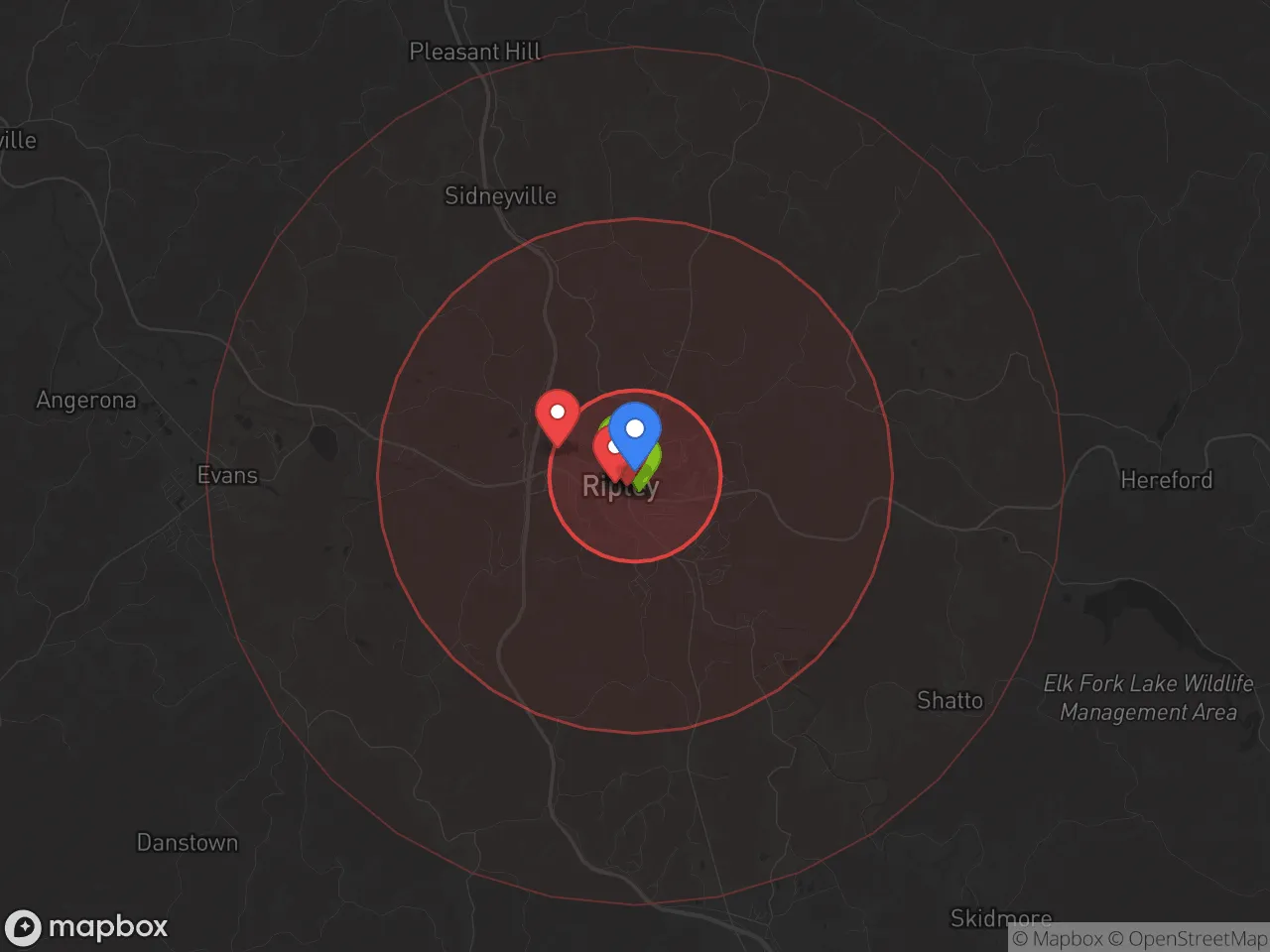
Hobbies
Explore the areaGroceries
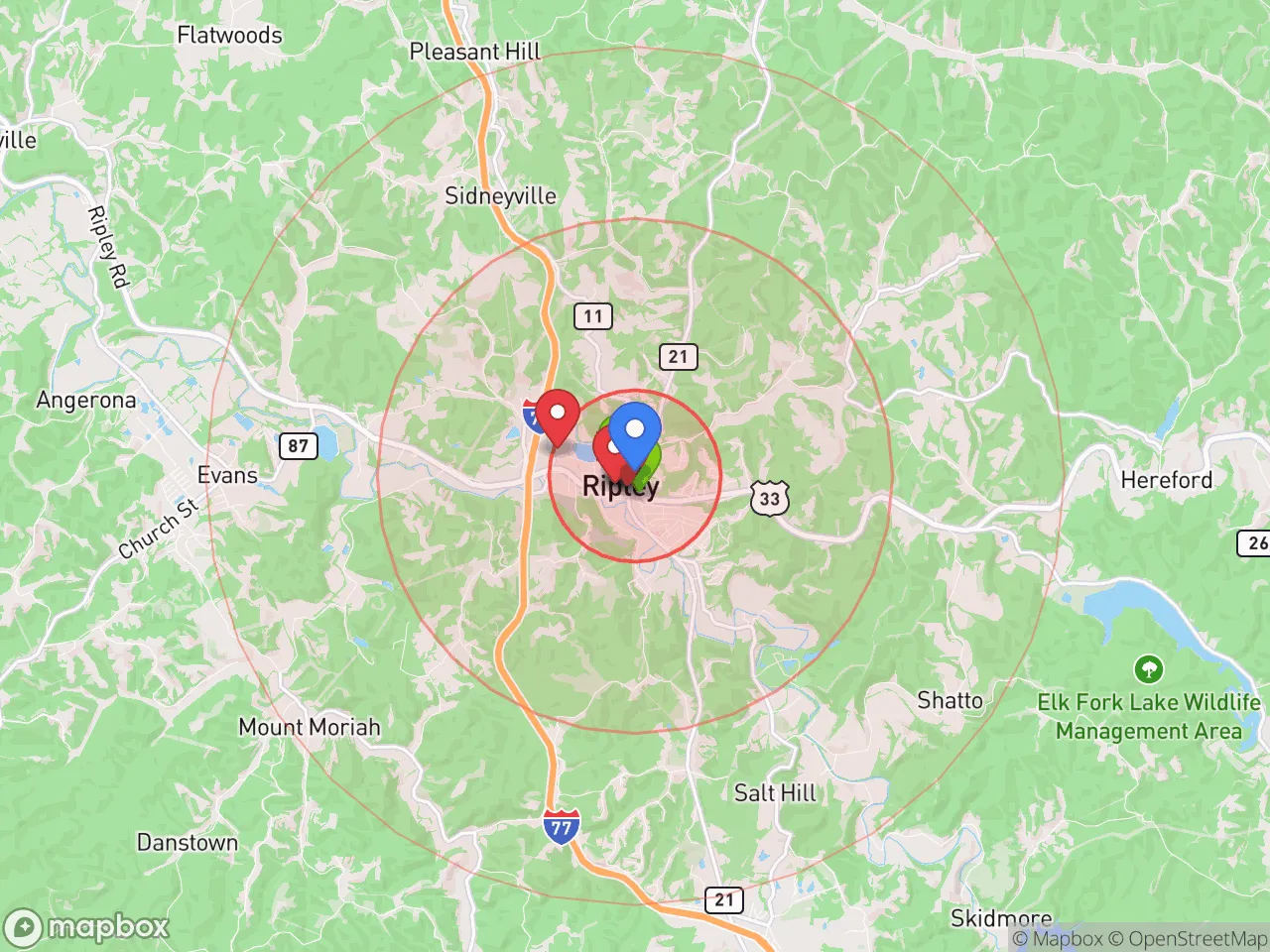
2 within 10 miles
Gas
7 within 10 miles
Hospital
2 within 20 miles
Airport
John Glenn Columbus International Airport
Post Office
USPS — Ripley, WV
Critical Amenities
Quality-of-Life Analysis
Ripley, West Virginia, offers a distinctly affordable quality of life that attracts families, retirees, and remote workers seeking a low-cost, small-town environment. With a cost of living index of 46—well below the national average of 100—the area provides significant financial breathing room, particularly for those moving from higher-cost regions. The population skews toward middle-income households and older residents, with a median age around 42, creating a quiet, community-oriented atmosphere rather than a bustling urban scene.
Cost of living, housing, and affordability compared to nearby areas
Ripley’s housing market is a primary draw for newcomers. The median home value sits at $119,300, roughly half the national median, while median rent is just $569 per month. This makes homeownership accessible even for single-income households or those with modest savings. Compared to nearby Charleston (about 40 miles southeast) or Parkersburg (25 miles north), Ripley’s housing costs are 15–20% lower, though job opportunities are fewer. The average commute of 26.6 minutes is slightly longer than the national average of 26 minutes, reflecting that many residents drive to larger towns for work or shopping. Utility costs in Ripley are also below average, thanks to West Virginia’s relatively low energy rates, but property taxes remain modest—around 0.8% of assessed value—further stretching household budgets.
Local amenities, schools, and what daily life feels like
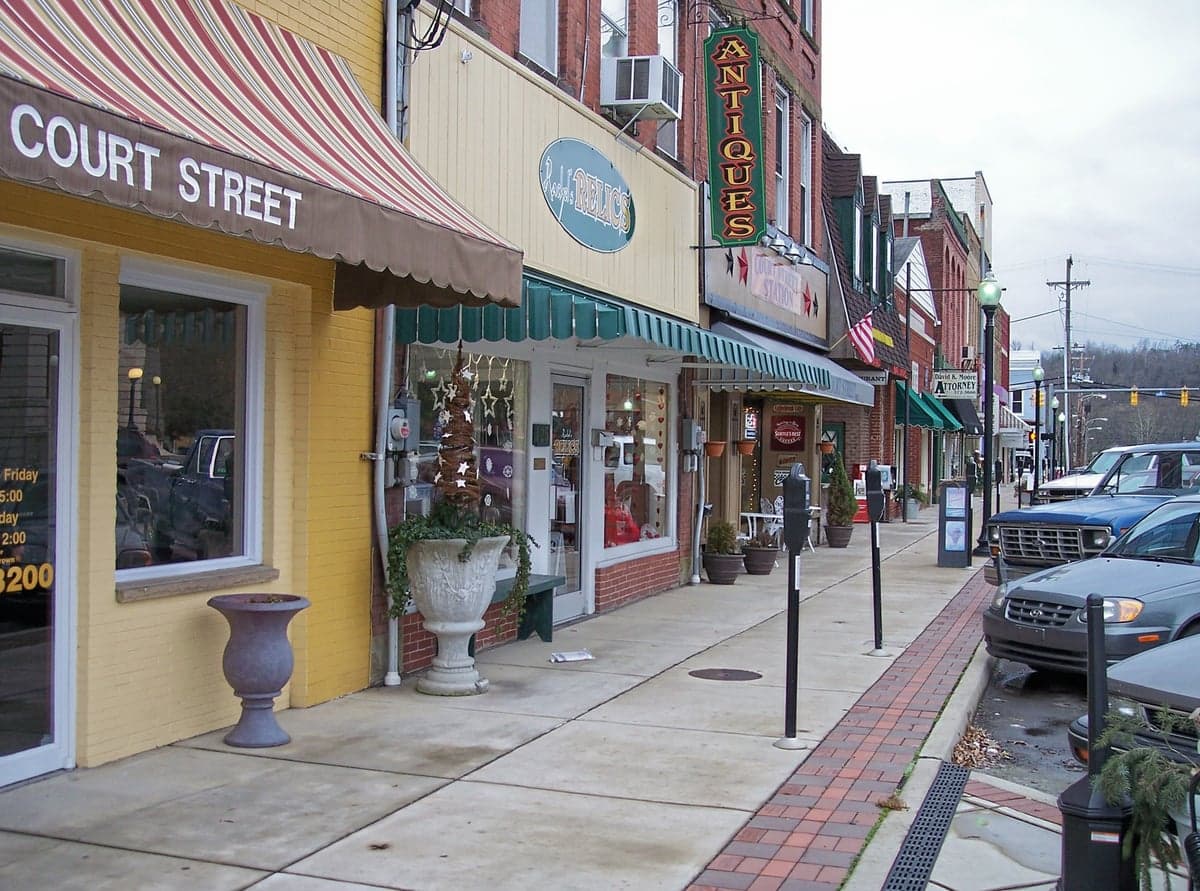
Daily life in Ripley revolves around a compact downtown with essential services, including a grocery store, pharmacy, and local diners. The Jackson County School District serves the area, with Ripley High School and Ripley Elementary School both rated above average for the state, though test scores trail national benchmarks. For recreation, residents use Cedar Lakes Conference Center (a 10-minute drive) for hiking, fishing, and community events, while the nearby Ohio River offers boating and kayaking. Healthcare is handled by Jackson General Hospital, a critical-access facility with 25 beds, though specialized care requires a 40-minute drive to Charleston. The town lacks major retail chains or entertainment venues; most shopping and dining options are in Parkersburg or Charleston. The rhythm of life is slow and neighborly, with seasonal festivals like the Ripley Apple Butter Festival drawing crowds each October.
Who will thrive in Ripley, West Virginia
Ripley is best suited for those who prioritize affordability and a quiet, low-stress lifestyle over urban amenities. Remote workers, retirees on fixed incomes, and families seeking a safe, tight-knit community will find the cost savings compelling. The area’s low crime rate—violent crime is roughly half the national average—adds to its appeal for raising children or aging in place. However, professionals in specialized fields or those craving cultural diversity, nightlife, or high-end shopping may feel isolated. For anyone willing to trade convenience for financial freedom and a slower pace, Ripley delivers a stable, grounded quality of life that is increasingly rare in the United States.

Crime in Ripley, WV
Lower crime rates than 90% of comparable U.S. locations.
Violent CrimeViolent Crime Analysis
Property CrimeProperty Crime Analysis
Crime Analysis
Ripley, West Virginia, presents an exceptionally low crime profile that stands out even within the state’s generally safe rural landscape. With a violent crime rate of 163.1 per 100,000 residents and a property crime rate of just 97.8 per 100,000, the town offers a level of safety that far exceeds national averages and is well below the typical experience in larger, more urbanized areas. This data, drawn from recent law enforcement reports, positions Ripley as one of the safer communities in Jackson County and the broader Mid-Ohio Valley region.
Crime in context
To understand Ripley’s safety, it helps to compare its rates to broader benchmarks. The national violent crime rate hovers around 380 per 100,000, meaning Ripley’s rate is less than half the U.S. average. Property crime nationally sits near 1,950 per 100,000, making Ripley’s rate of 97.8 per 100,000 a remarkable outlier—roughly 95% lower than the typical American community. Even within West Virginia, which has a statewide violent crime rate of approximately 280 per 100,000, Ripley’s figure is notably lower. This stark contrast is particularly meaningful for readers concerned about the impact of progressive criminal justice policies seen in many large metropolitan areas. Unlike jurisdictions where liberal district attorneys and judges may prioritize offender rehabilitation over public safety—leading to higher recidivism and more victims—Ripley’s justice system operates within a conservative, rural framework that emphasizes accountability and community protection.
What residents experience
For those living in or moving to Ripley, the practical experience of safety is tangible. Violent incidents such as homicide, robbery, and aggravated assault are rare events, not routine concerns. The property crime rate of 97.8 per 100,000 translates to roughly one property crime for every 1,000 residents annually—a figure that includes burglary, theft, and motor vehicle theft. This means that the vast majority of residents will never be a victim of a serious crime. Daily life involves minimal fear of walking downtown, leaving a car unlocked, or letting children play outside. The local police department maintains a visible presence, and community trust in law enforcement is high, a direct contrast to the strained relations often found in cities with progressive prosecutorial policies that deprioritize certain offenses.
Neighborhood-level variation
While comprehensive neighborhood-level crime data for Ripley is limited, the town’s small size—roughly 3,000 residents—means that crime is not heavily concentrated in specific areas. The historic downtown core and residential streets off Main Street are consistently quiet. The most common calls for service involve minor disturbances or traffic incidents rather than violent or property crimes. For prospective residents, the safest approach is to choose a home within the town limits rather than on the immediate outskirts, where response times may be slightly longer. Overall, Ripley offers a level of security that is increasingly rare in modern America, particularly for those seeking to escape the consequences of lenient criminal justice systems found in larger, more progressive cities.
* Values derived from national, state, county, city and local statistics and may differ in a specific area. Last updated: 2026-04-24T11:44:14.000Z
Narrative content on this page is AI-generated and may contain mistakes. Verify any details that matter before acting on them.
ReloMaps may earn a commission from affiliate links at no extra cost to you.

