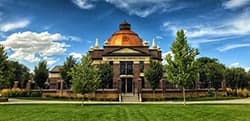
Photo: Wikipedia
Quality of Life in Riverton, UT
A high quality of life with strong walkability, manageable living costs, healthy neighborhood signals, and solid amenity access.
What does Quality of Life tell us?
Quality of Life blends cost of living, nearby amenities, socioeconomic signals, and neighborhood character. City-level scores represent the whole municipality; individual neighborhoods can differ.
What does this tell us?
Quality of Life blends cost of living, nearby amenities, socioeconomic signals, and neighborhood character. City-level scores represent the whole municipality; individual neighborhoods can differ.
Cost of Living
71% above national average
The Real Cost of Living in Riverton, UT for 2026
| Tier | Individual | Family (4) |
|---|---|---|
| Survival | $29k | $55k |
| Comfortable | $105k | $155k |
| Luxury | $154k+ | $239k+ |
| Elite (Top 5%) | $182k+ | $282k+ |
77%
The Area Signal
A metric tracking the socioeconomic signals of the area.
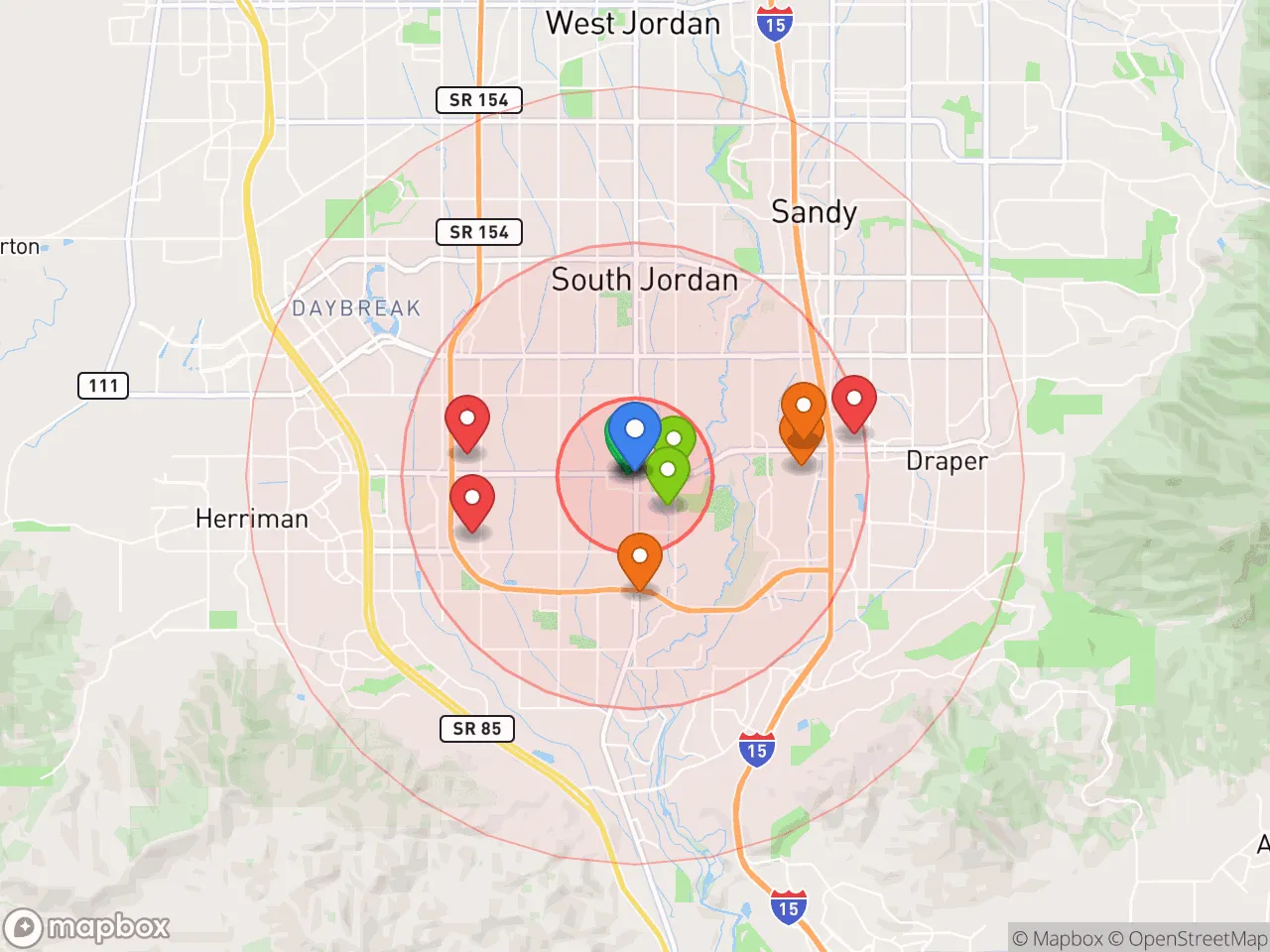
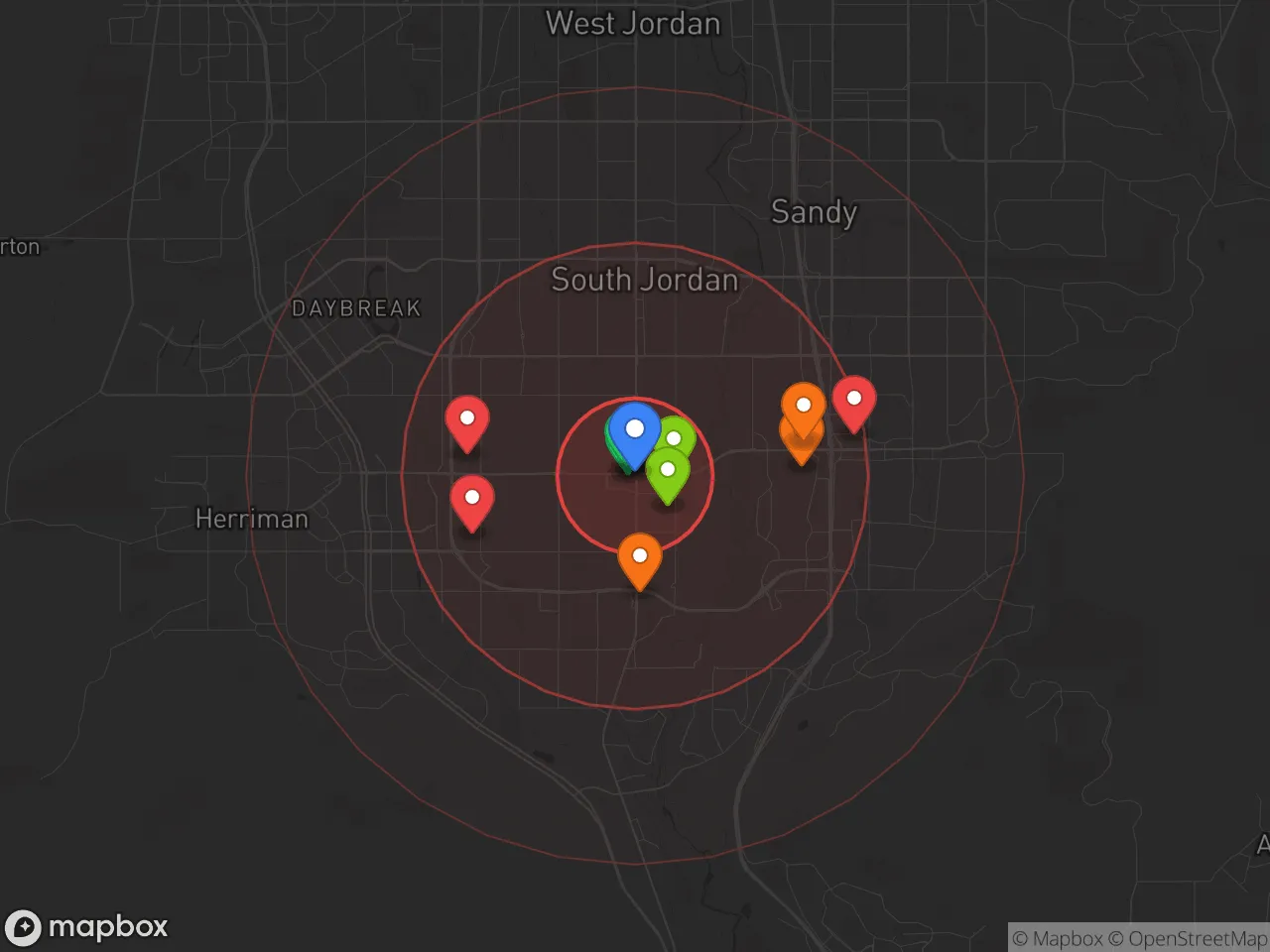
Hobbies
Explore the areaGroceries
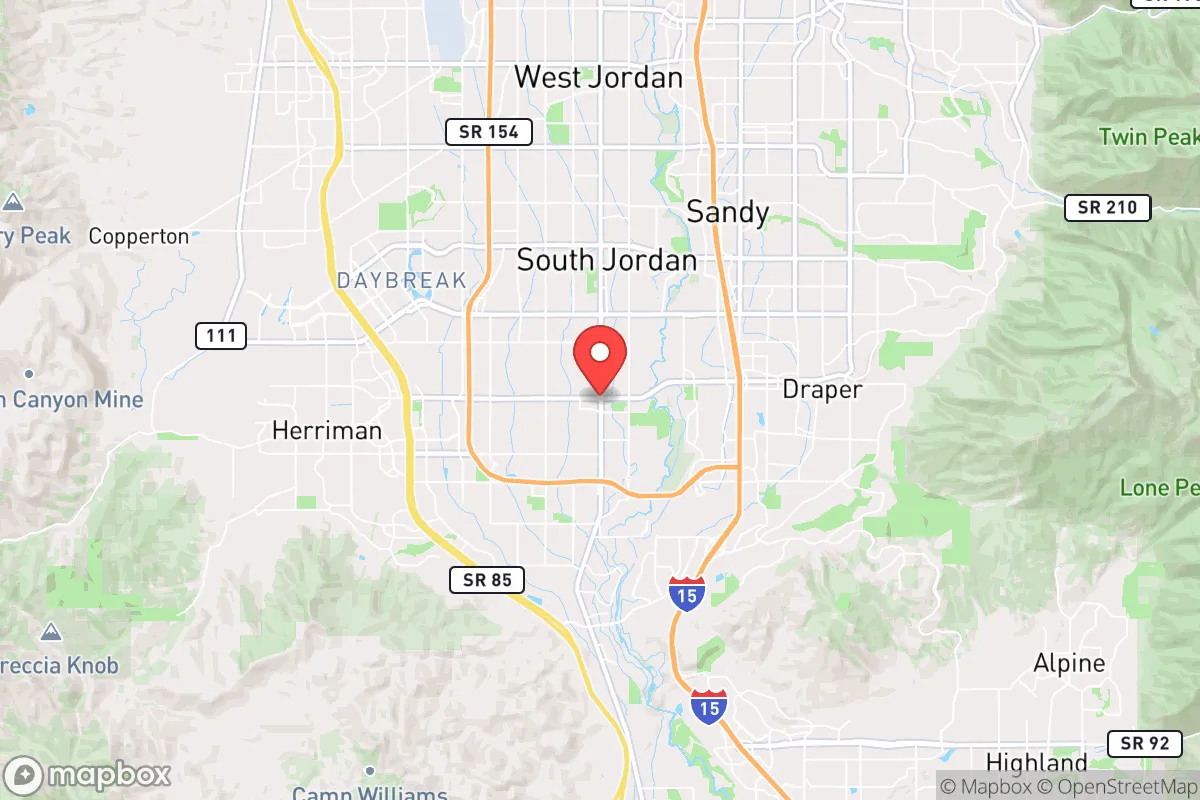
7 within 10 miles
Gas
20 within 10 miles
Hospital
20 within 20 miles
Airport
SLC — Salt Lake City International
Post Office
USPS — Riverton, UT
Critical Amenities
Quality-of-Life Analysis
Riverton, Utah, is an affluent Salt Lake Valley suburb where the cost of living index reaches 171 (71% above the U.S. average), reflecting a community of professionals, executives, and families who prioritize space, safety, and top-tier schools over urban proximity. With a median home value of $543,900 and median rent of $1,826, Riverton attracts buyers and renters who can afford a premium for newer housing stock, low crime rates, and direct access to outdoor recreation along the Wasatch Front.
Cost of living, housing prices, and how Riverton compares to nearby cities
Riverton’s housing market sits notably above the national median but remains competitive within Salt Lake County. The median home value of $543,900 is roughly $60,000 higher than the Salt Lake City metro average, driven by demand for single-family homes on larger lots and the city’s reputation for high-performing schools. Renters face a median of $1,826 per month, which is about 15% above the Utah state average but still below the most expensive suburbs like Park City or Alpine. The overall cost of living index of 171 is driven almost entirely by housing; groceries and healthcare in Riverton are closer to the national norm. Compared to nearby South Jordan or Sandy, Riverton offers slightly lower home prices per square foot, making it a value play for buyers who want newer construction (much of the city was built after 2000) without sacrificing commute times. The average commute of 28 minutes is typical for the south valley, with most residents driving north to jobs in downtown Salt Lake City or west to the tech corridor in Lehi.
What daily life is like for families: schools, parks, and local amenities
Daily life in Riverton revolves around family-oriented routines, with the Jordan School District consistently ranking among Utah’s best for test scores and graduation rates. Riverton High School and Mountain Ridge High School both offer Advanced Placement programs and strong athletic programs, drawing families who prioritize education. The city maintains over 20 parks and 30 miles of paved trails, including the popular Riverton City Park with its splash pad and sports fields. For errands and dining, the Riverton Towne Center and nearby South Towne Center in Sandy provide big-box retail, grocery stores, and chain restaurants, while local favorites like Riverton’s Station 22 offer a more community-focused dining experience. The Riverton Library is a modern hub for children’s programs and community events. Outdoor access is immediate: the Oquirrh Mountains and Jordan River Parkway are minutes away for hiking, biking, and fishing. The city’s low crime rate—well below both state and national averages—means families feel comfortable letting children walk to school or play at neighborhood parks without constant supervision.
Riverton is best suited for upper-middle-class families, remote workers, and professionals who value suburban space, excellent schools, and a predictable, safe environment over urban nightlife or walkable density. The high cost of living and car-dependent layout make it less ideal for young singles, renters on a tight budget, or those seeking a quick downtown commute. For buyers who can afford the premium, Riverton delivers a consistent, high-quality suburban lifestyle with strong property appreciation and a tight-knit community feel.

Crime in Riverton, UT
Lower crime rates than 91% of comparable U.S. locations.
Violent CrimeViolent Crime Analysis
Property CrimeProperty Crime Analysis
Crime Analysis
Riverton, Utah, presents a notably safe profile compared to both state and national averages, with violent crime rates significantly below typical figures for large metro areas. However, the city's location within the broader Salt Lake City metropolitan area introduces a critical consideration for prospective residents: the influence of progressive judicial policies in the region. While Riverton itself maintains low crime numbers, the surrounding county's justice system, which can lean toward lenient sentencing and rehabilitation-focused approaches, may contribute to recidivism and a higher tolerance for property offenses, directly impacting public safety and victim restitution.
Crime in context
Riverton's violent crime rate of 59.5 incidents per 100,000 residents is a fraction of the national average of roughly 380 per 100,000, placing it among the safest communities in the state. Property crime, at 714.3 per 100,000, is also lower than the national rate of approximately 1,950 per 100,000. These figures reflect a community where serious offenses like homicide and robbery are rare. However, the property crime rate is not negligible, and residents should be aware that it is influenced by the broader metro area's dynamics, including the presence of repeat offenders who may cycle through a justice system that prioritizes alternatives to incarceration. The Salt Lake County District Attorney's office, for example, has implemented policies that reduce prosecution for certain low-level thefts, a factor that can embolden property crime rings operating across city lines.
What residents experience
Daily life in Riverton is characterized by a strong sense of security, with most crime being non-violent and opportunistic. The most common incidents include vehicle break-ins, package theft, and occasional burglaries, often concentrated near commercial corridors like 12600 South and Redwood Road. Residents report feeling safe walking in their neighborhoods and using local parks, even after dark. However, the city's proximity to Salt Lake City means that crime trends from the urban core—such as organized retail theft and auto theft—can spill over into Riverton. The local police department is proactive, with community policing initiatives and a dedicated crime prevention unit, but its effectiveness is partially constrained by a county-level judicial philosophy that may release repeat property offenders with minimal consequences. This creates a frustrating cycle where victims of theft see the same individuals re-offend.
Neighborhood-level variation is modest but noticeable. Newer subdivisions in the western part of Riverton, near the Oquirrh Mountains, report the lowest crime rates, while areas closer to the Bangerter Highway and the TRAX light rail line experience slightly higher property crime due to easier access for transient offenders. The city's strong homeowners' associations and neighborhood watch programs are effective deterrents, but they cannot fully insulate residents from the broader regional trend of property crime driven by a justice system that often prioritizes offender rehabilitation over public safety and victim rights. For those moving from areas with stricter sentencing, this philosophical difference may be a significant concern.
* Values derived from national, state, county, city and local statistics and may differ in a specific area. Last updated: 2026-05-03T20:34:04.000Z
Narrative content on this page is AI-generated and may contain mistakes. Verify any details that matter before acting on them.
ReloMaps may earn a commission from affiliate links at no extra cost to you.

