Photo: Wikipedia
Personal Sovereignty in Rochester, MN
Viable for self-reliance. Generally workable, though some barriers may limit total independence.
What does Personal Sovereignty tell us?
Personal Sovereignty measures your capacity for self-reliance and independence with minimal government friction. Higher scores mean fewer barriers between you and the way you want to live... but it assumes you have the space you need and good neighbors.
What does this tell us?
Personal Sovereignty measures your capacity for self-reliance and independence with minimal government friction. Higher scores mean fewer barriers between you and the way you want to live... but it assumes you have the space you need and good neighbors.
State Policy
Energy independence: Importer (20% of energy produced in-state)
Personal Liberty
Homesteading

Personal Liberty Analysis
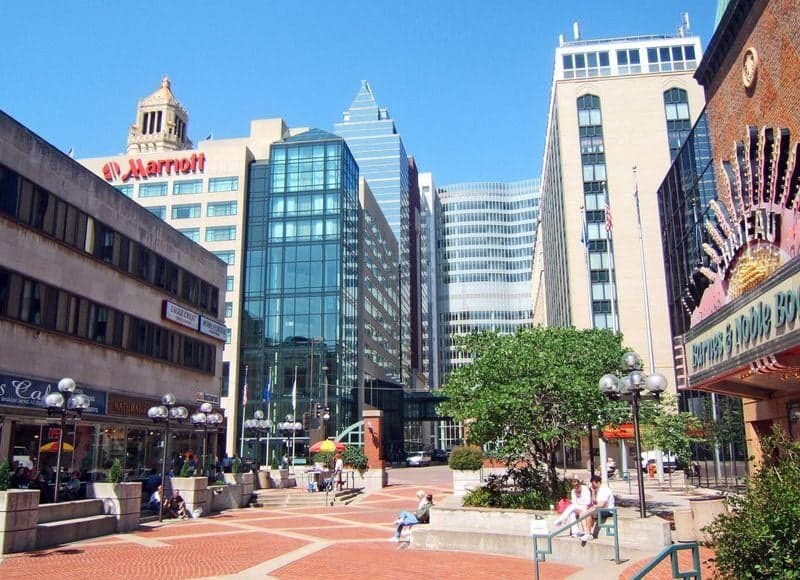
Rochester, Minnesota, presents a mixed picture for those prioritizing personal sovereignty. While the city itself is a progressive-leaning medical hub dominated by the Mayo Clinic, its location in a state with a strong regulatory framework means individual autonomy is constrained in several key areas. For the survivalist or prepper mindset, the core challenge here is balancing access to world-class infrastructure against a political and legal environment that often prioritizes collective well-being over individual prerogative. The question isn't whether you can live freely here, but how much of your freedom you're willing to trade for stability and resources.
Tax burden and regulatory posture: How much of your income and property stays yours
Minnesota's tax posture is a significant headwind for anyone seeking to maximize personal control over their finances. The state imposes a progressive income tax with a top marginal rate of 9.85%, one of the highest in the nation. For a high-earning professional at Mayo Clinic or a successful entrepreneur, this means a substantial portion of income is redirected to state programs before you ever see it. Property taxes in Olmsted County are also above the national average, with effective rates hovering around 1.1% to 1.3% of assessed value. This directly impacts your ability to accumulate wealth and land — two pillars of self-reliance. Sales tax in Rochester is 7.375% (state plus local), adding friction to every purchase. The regulatory environment is equally dense. Minnesota has a robust state building code, strict environmental regulations on land use, and a complex permitting process for anything from a backyard shed to a major construction project. For the prepper, this means that even basic improvements like installing a backup generator, building a root cellar, or adding a rainwater catchment system may require permits and inspections, creating a paper trail and potential for government interference. The state's attitude is one of active management, not laissez-faire, which directly conflicts with the desire to operate below the radar.
Self-defense and gun law specifics: What you can own and where you can carry
On the surface, Minnesota is not the worst state for gun owners, but it is far from a sanctuary. The state requires a permit to carry a handgun in public, which involves a training course, background check, and a fee. While the process is shall-issue (meaning the sheriff must approve if you meet criteria), it still creates a bureaucratic hurdle and a registry of sorts. More concerning for the prepper is the state's stance on certain firearms and accessories. Minnesota has no outright ban on standard-capacity magazines or "assault weapons" as of 2026, but the political climate in the state legislature is increasingly hostile, with perennial attempts to pass such bans. The city of Rochester itself is relatively permissive compared to the Twin Cities, but local law enforcement generally follows state guidelines. Stand-your-ground laws do not exist in Minnesota; there is a duty to retreat in public spaces before using deadly force, unless you are in your own home (the Castle Doctrine applies). This legal nuance is critical for anyone who envisions defending their property or family in a crisis. For the survivalist, the key takeaway is that while you can own firearms for home defense and hunting, carrying them discreetly and legally in public requires active compliance with a permitting system that could be tightened at any time. Stockpiling ammunition and components is legal, but be aware that the state tracks firearm purchases through background checks, and private sales are now subject to universal background check requirements.
Self-reliance and homesteading viability: Lot sizes, zoning, and off-grid feasibility
Rochester's urban core is not friendly to serious homesteading. Standard residential lots in the city are typically one-quarter acre or smaller, with strict zoning that prohibits livestock, large gardens, or non-standard structures. Homeowners associations (HOAs) are common in newer subdivisions and often impose additional restrictions on everything from clotheslines to vehicle storage. For the prepper looking to raise chickens, keep bees, or maintain a substantial vegetable garden, you will need to look outside city limits. The unincorporated areas of Olmsted County offer more breathing room, with five-acre parcels being common and zoning that allows for agricultural uses. However, even here, Minnesota's environmental regulations can complicate off-grid living. Rainwater collection is legal but regulated; you cannot simply divert all runoff without a permit. Solar panels are allowed, but net metering rules are favorable to the utility, not the homeowner. Composting toilets and greywater systems require specific approvals. True off-grid independence — no utility connections, no permits, no property tax — is essentially impossible within the legal framework. The state's Department of Natural Resources and county planning offices have broad authority to inspect and enforce. For the survivalist, the best strategy is to buy land in a nearby rural township (like High Forest or Rock Dell) where zoning is looser, but be prepared to navigate a permitting process for any permanent dwelling.
Personal liberties: Parental rights, medical autonomy, speech, and property
This is where Rochester and Minnesota present the most friction for a conservative-leaning individual. Parental rights are legally recognized but increasingly contested. The state has mandatory vaccination requirements for school attendance (with limited exemptions), and recent legislation has expanded the ability of minors to consent to certain medical treatments without parental notification. For parents who want to homeschool or enroll in a private religious school, Minnesota has relatively low barriers — you simply file an annual report — but the state retains oversight and can investigate if a complaint is filed. Medical autonomy is heavily constrained by the Mayo Clinic's dominance. The healthcare system is excellent, but it is also a monolithic institution that often dictates treatment protocols. Alternative medicine, naturopathy, and holistic approaches are available but not mainstream, and insurance coverage is limited. The state has a Prescription Drug Monitoring Program that tracks controlled substances, and there is no legal protection for using medical marijuana from out of state. Free speech is protected by the First Amendment, but Minnesota has a strong bias law (the Minnesota Human Rights Act) that can be used to penalize speech deemed discriminatory in employment, housing, or public accommodations. Property rights are similarly qualified; the state has a robust eminent domain authority, and environmental regulations can effectively prevent you from using your land as you see fit. For the prepper, the most concerning trend is the increasing digitization of personal data — from medical records at Mayo to vehicle registration and gun permits — creating a centralized profile that could be accessed or frozen in a crisis.
In the broader landscape of personal sovereignty, Rochester, MN, ranks as a moderate-to-low option for those seeking maximum autonomy. It offers excellent infrastructure, a strong economy, and a relatively safe environment, but these come at the cost of high taxes, dense regulation, and a political culture that leans toward collective solutions. Compared to states like Texas, Idaho, or Montana, where property rights are stronger, taxes are lower, and gun laws are more permissive, Rochester feels like a managed community. For the survivalist who values community resilience and medical security above all else, it can work — but only if you are willing to operate within the system, pay the tolls, and keep your head down. If your priority is absolute freedom from government oversight, you will find the regulatory gravity of Minnesota a constant drag on your plans.

* Values derived from national, state, county, city and local statistics and may differ in a specific area. Last updated: 2026-04-30T04:17:35.000Z
Narrative content on this page is AI-generated and may contain mistakes. Verify any details that matter before acting on them.
ReloMaps may earn a commission from affiliate links at no extra cost to you.

