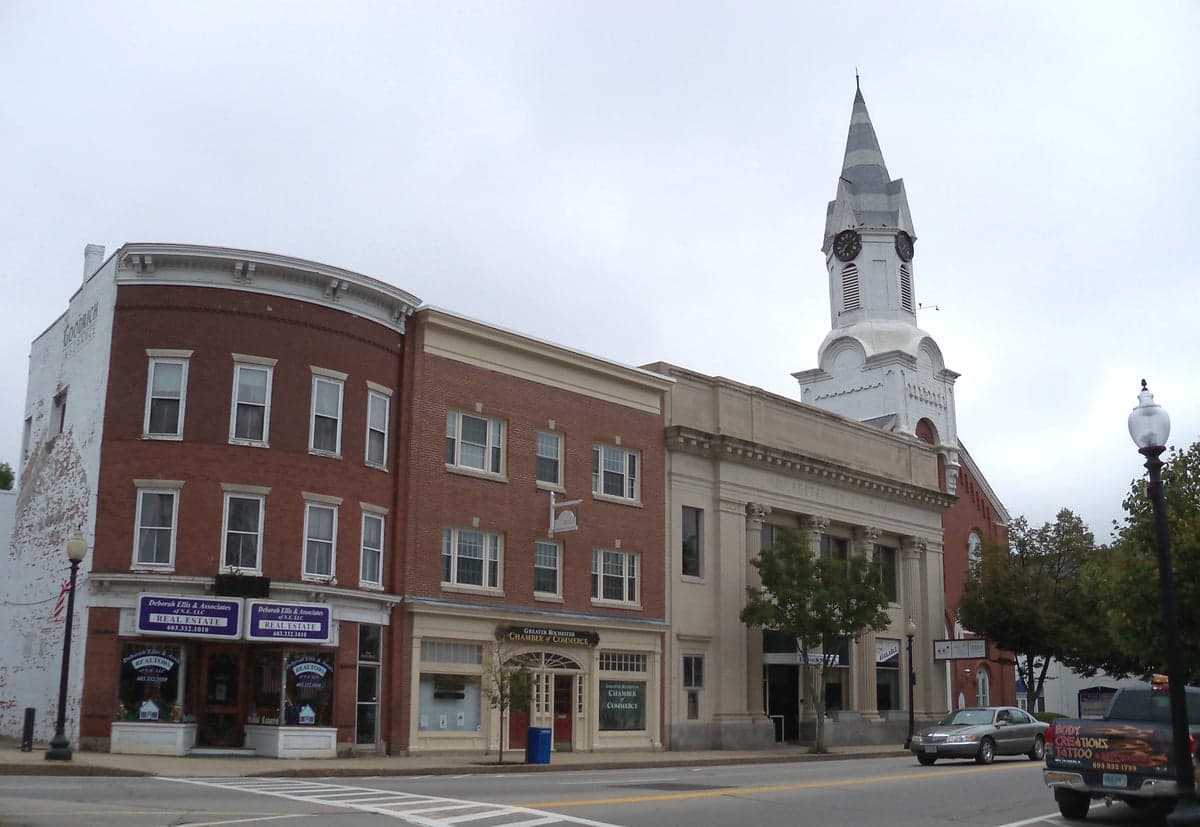
Photo: Wikipedia
Quality of Life in Rochester, NH
A high quality of life with strong walkability, manageable living costs, healthy neighborhood signals, and solid amenity access.
What does Quality of Life tell us?
Quality of Life blends cost of living, nearby amenities, socioeconomic signals, and neighborhood character. City-level scores represent the whole municipality; individual neighborhoods can differ.
What does this tell us?
Quality of Life blends cost of living, nearby amenities, socioeconomic signals, and neighborhood character. City-level scores represent the whole municipality; individual neighborhoods can differ.
Cost of Living
The Real Cost of Living in Rochester, NH for 2026
| Tier | Individual | Family (4) |
|---|---|---|
| Survival | $19k | $37k |
| Comfortable | $51k | $75k |
| Luxury | $115k+ | $177k+ |
| Elite (Top 5%) | $135k+ | $209k+ |
106%
The Area Signal
A metric tracking the socioeconomic signals of the area.
Hobbies
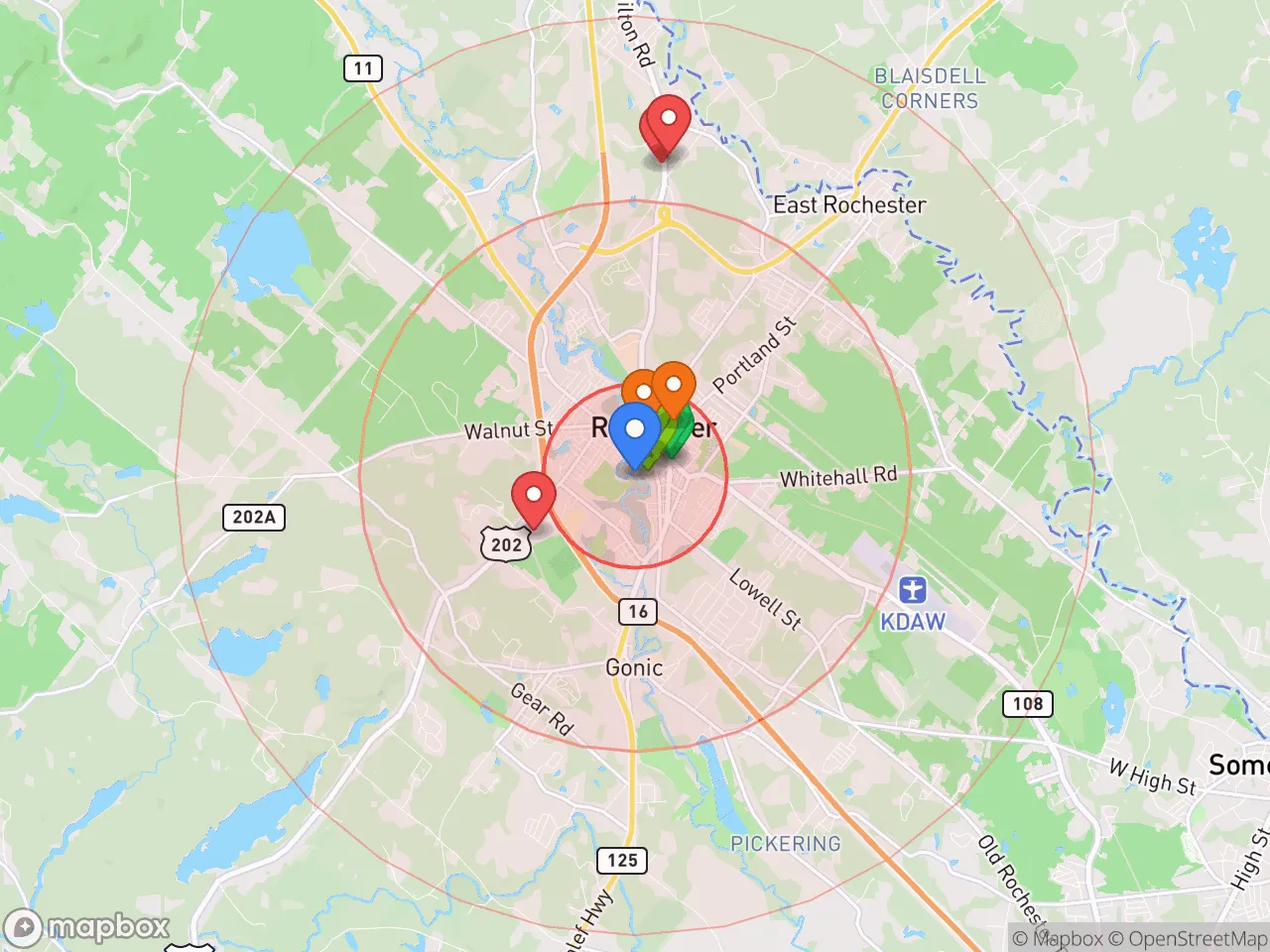
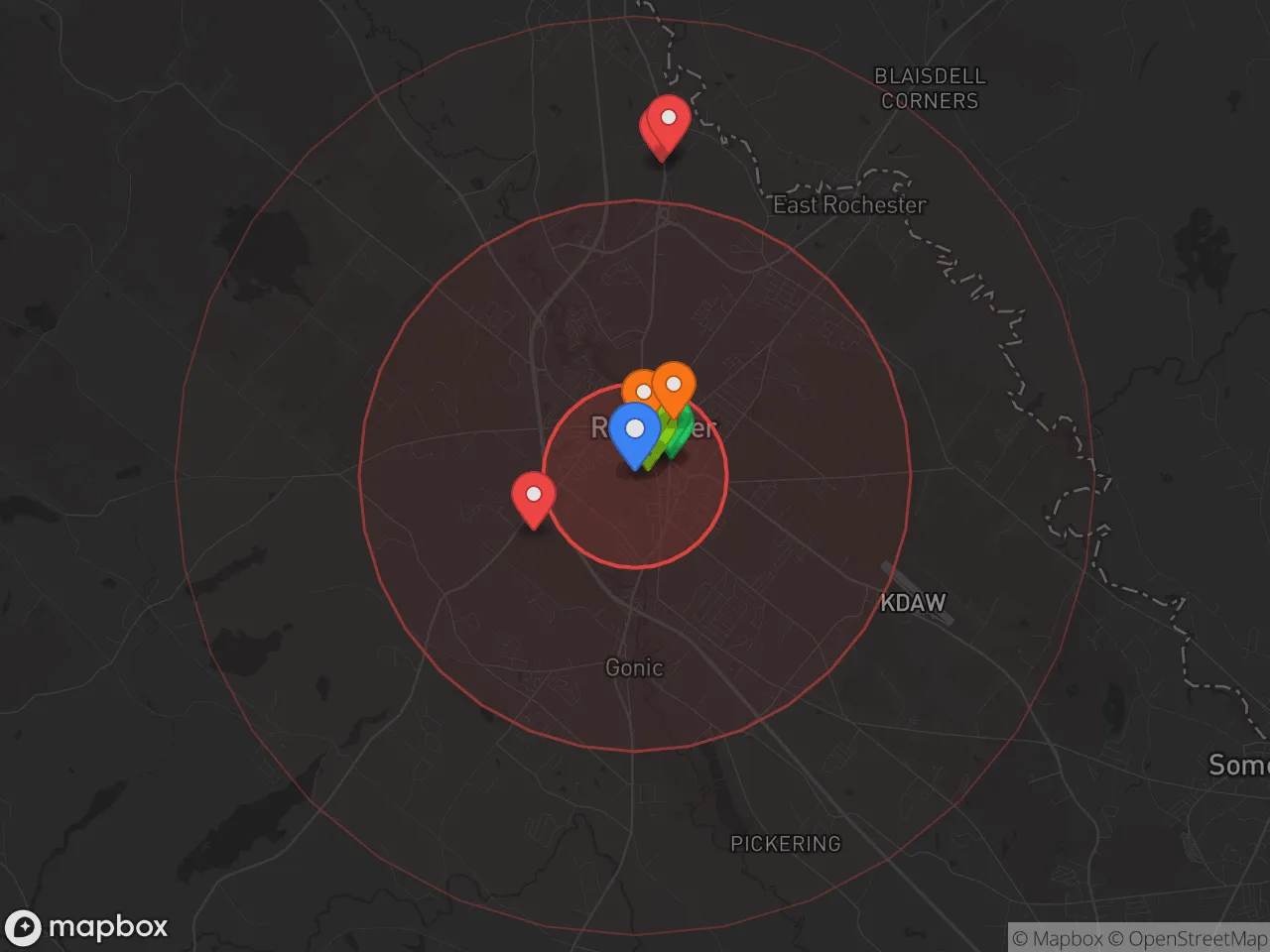
Explore the areaGroceries
5 within 10 miles
Gas
20 within 10 miles
Hospital
6 within 20 miles
Airport
PDX — Portland International Jetport
Post Office
USPS — Somersworth, NH
Critical Amenities
Quality-of-Life Analysis
Rochester, New Hampshire, presents a quality of life defined by middle-market affordability and a predominantly family-oriented, blue-collar demographic. With a cost of living index of exactly 100—matching the national average—the city offers a financial equilibrium that is increasingly rare in the Seacoast region. The population skews toward working professionals and tradespeople who commute to larger employment hubs, creating a community that values practicality over prestige.
Cost of living and housing affordability compared to Portsmouth and Dover
Rochester’s housing market is the primary driver of its affordability advantage. The median home value sits at $262,600, which is roughly $100,000 less than the median in neighboring Dover and nearly $200,000 below Portsmouth. Median rent of $1,220 similarly undercuts the Seacoast average by several hundred dollars per month. This price gap allows households earning the area’s median income to achieve homeownership without the severe cost burden seen in coastal communities. However, the trade-off is a longer average commute of 26.95 minutes—about five minutes above the national average—as many residents drive south to Portsmouth, Dover, or even into Massachusetts for higher-paying jobs. Property taxes in Rochester are typical for New Hampshire at roughly 2.3% of assessed value, which adds a significant fixed cost but remains lower than the tax rates in many Massachusetts border towns.
Schools, amenities, and what daily life is like for families
Daily life in Rochester centers on a modest downtown core along the Cocheco River, anchored by the Rochester Opera House and a growing number of locally owned restaurants and breweries. The city’s public school system, SAU 54, includes Spaulding High School and several elementary and middle schools; while test scores hover near state averages, the district has invested in vocational-technical programs that align with the local workforce. For recreation, residents rely on the 7-mile Salmon Falls River Trail system and the nearby 1,200-acre Baxter Lake for fishing and kayaking. Retail amenities are concentrated along Route 11 and the Lilac Mall area, with big-box stores and chain restaurants dominating the commercial landscape. Families appreciate the presence of Frisbie Memorial Hospital for healthcare and the relatively low violent crime rate—1.8 incidents per 1,000 residents—which is below the national median. The city lacks a major university or cultural district, so most arts and nightlife require a 20-minute drive to Dover or Portsmouth.
Who thrives in Rochester and who should look elsewhere
Rochester is best suited for budget-conscious families, first-time homebuyers, and tradespeople who prioritize square footage and yard space over walkability and urban energy. The city works well for remote workers who can tolerate the commute to Seacoast amenities and for those employed at the area’s largest employers—such as Albany Engineered Composites or the Spaulding Rehabilitation Network—who want to live within 15 minutes of work. Retirees on fixed incomes may find the property tax burden challenging, and young professionals seeking a vibrant nightlife or a walkable downtown will likely feel underserved. Commuters who work in Boston or the Massachusetts tech corridor should note that the average drive exceeds one hour each way, making Rochester a less practical choice for daily long-distance travel. Overall, the city delivers solid value for those who value space and stability over prestige and proximity.

Crime in Rochester, NH
Lower crime rates than 82% of comparable U.S. locations.
Violent CrimeViolent Crime Analysis
Property CrimeProperty Crime Analysis
Crime Analysis
Rochester, New Hampshire, presents a mixed safety profile for prospective residents. The city's violent crime rate of 97.5 incidents per 100,000 people is notably low, while its property crime rate of 1,223.6 per 100,000 is significantly higher than the national average, creating a situation where residents generally feel safe from physical harm but face a tangible risk of theft and burglary. As a small city within commuting distance of the Portsmouth and Seacoast metro area, Rochester's crime dynamics are influenced by broader regional trends, including the policies of local and county-level justice systems.
Crime in context
Rochester's violent crime rate is roughly one-third the national average and well below the New Hampshire state average, making it one of the safer communities in the state for serious personal crimes. However, the property crime rate is approximately 30% higher than the national average and notably elevated compared to other Seacoast communities like Dover or Portsmouth. This disparity suggests that while violent confrontations are rare, property crimes—including larceny, motor vehicle theft, and burglary—are a more routine concern. The city's location along the Spaulding Turnpike and its proximity to the Maine border may contribute to property crime patterns, as it offers quick access for those moving stolen goods.
What residents experience
Daily life in Rochester for most residents involves a low fear of violent crime, but a heightened awareness of property security. Car break-ins, package thefts from porches, and occasional shed or garage burglaries are the most commonly reported issues in neighborhood social media groups and local police logs. The city's police department maintains a visible presence, but residents often cite the need for proactive measures like home security systems and neighborhood watch participation. A key concern for many is the potential impact of progressive criminal justice policies at the county level. Strafford County, which includes Rochester, has seen a shift toward reform-oriented approaches, including diversion programs and reduced incarceration for non-violent offenders. Critics argue these policies, while sympathetic to offenders, can lead to more criminals on the street and negatively impact justice for victims and the public, particularly by reducing the deterrent effect for repeat property offenders.
Neighborhood-level variation is significant. The downtown core and areas near the Lilac Mall and commercial corridors along Route 11 and Route 125 experience higher concentrations of property crime, including shoplifting and vehicle break-ins. In contrast, established residential neighborhoods like the Gonic area, the outskirts near the Barrington line, and the newer subdivisions off Ten Rod Road report far fewer incidents. Prospective residents should research specific street-level crime maps and consider that homes closer to major roads and commercial zones face elevated property crime risk, while the city's overall violent crime profile remains a strong positive for families and individuals prioritizing personal safety.
* Values derived from national, state, county, city and local statistics and may differ in a specific area. Last updated: 2026-04-22T23:05:57.000Z
Narrative content on this page is AI-generated and may contain mistakes. Verify any details that matter before acting on them.
ReloMaps may earn a commission from affiliate links at no extra cost to you.

