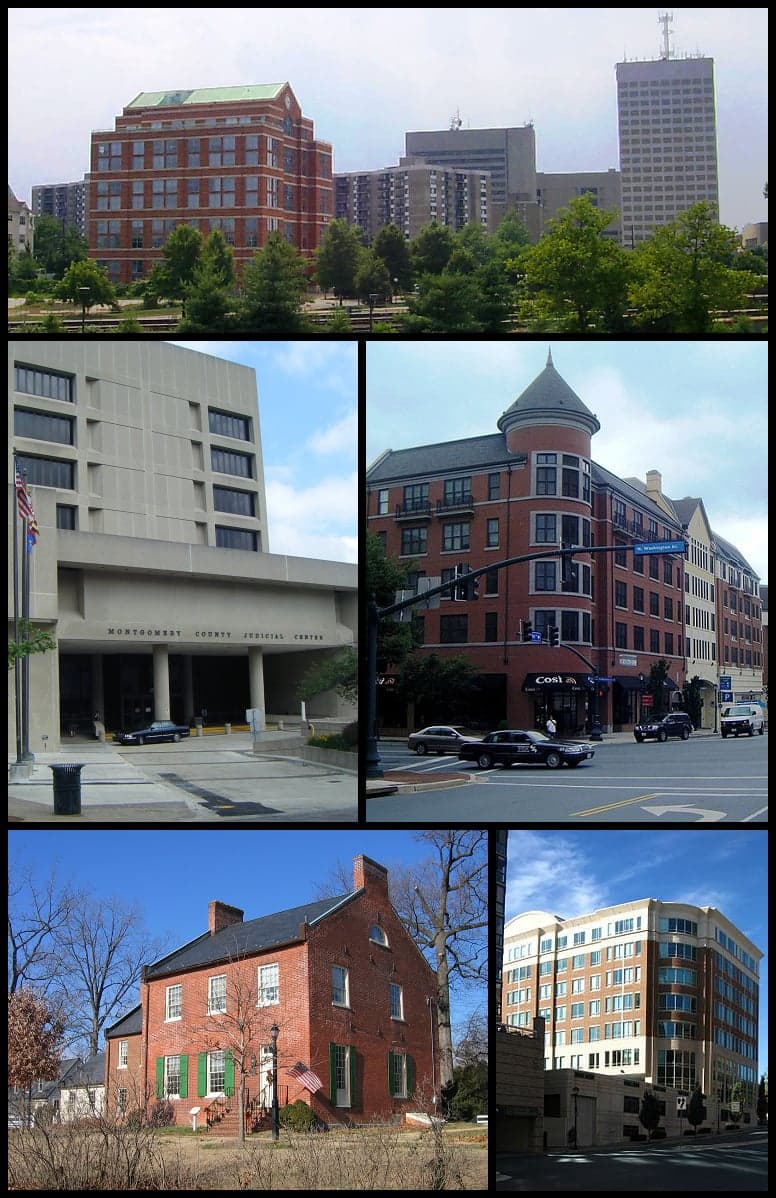
Photo: Wikipedia
Quality of Life in Rockville, MD
A high quality of life with strong walkability, manageable living costs, healthy neighborhood signals, and solid amenity access.
What does Quality of Life tell us?
Quality of Life blends cost of living, nearby amenities, socioeconomic signals, and neighborhood character. City-level scores represent the whole municipality; individual neighborhoods can differ.
What does this tell us?
Quality of Life blends cost of living, nearby amenities, socioeconomic signals, and neighborhood character. City-level scores represent the whole municipality; individual neighborhoods can differ.
Cost of Living
109% above national average
The Real Cost of Living in Rockville, MD for 2026
| Tier | Individual | Family (4) |
|---|---|---|
| Survival | $36k | $67k |
| Comfortable | $128k | $188k |
| Luxury | $194k+ | $300k+ |
| Elite (Top 5%) | $228k+ | $353k+ |
65%
The Area Signal
A metric tracking the socioeconomic signals of the area.
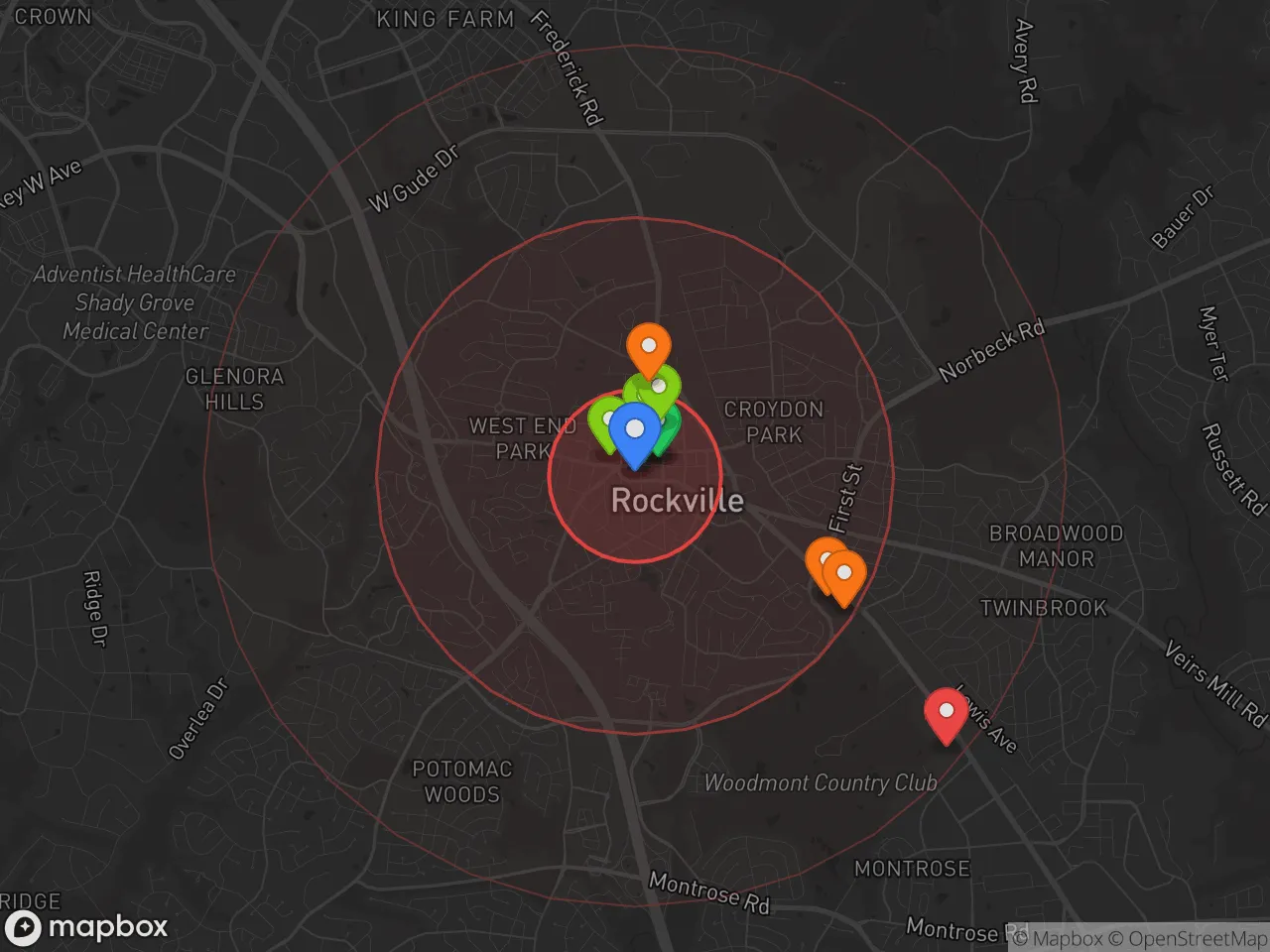
Hobbies
Explore the areaGroceries
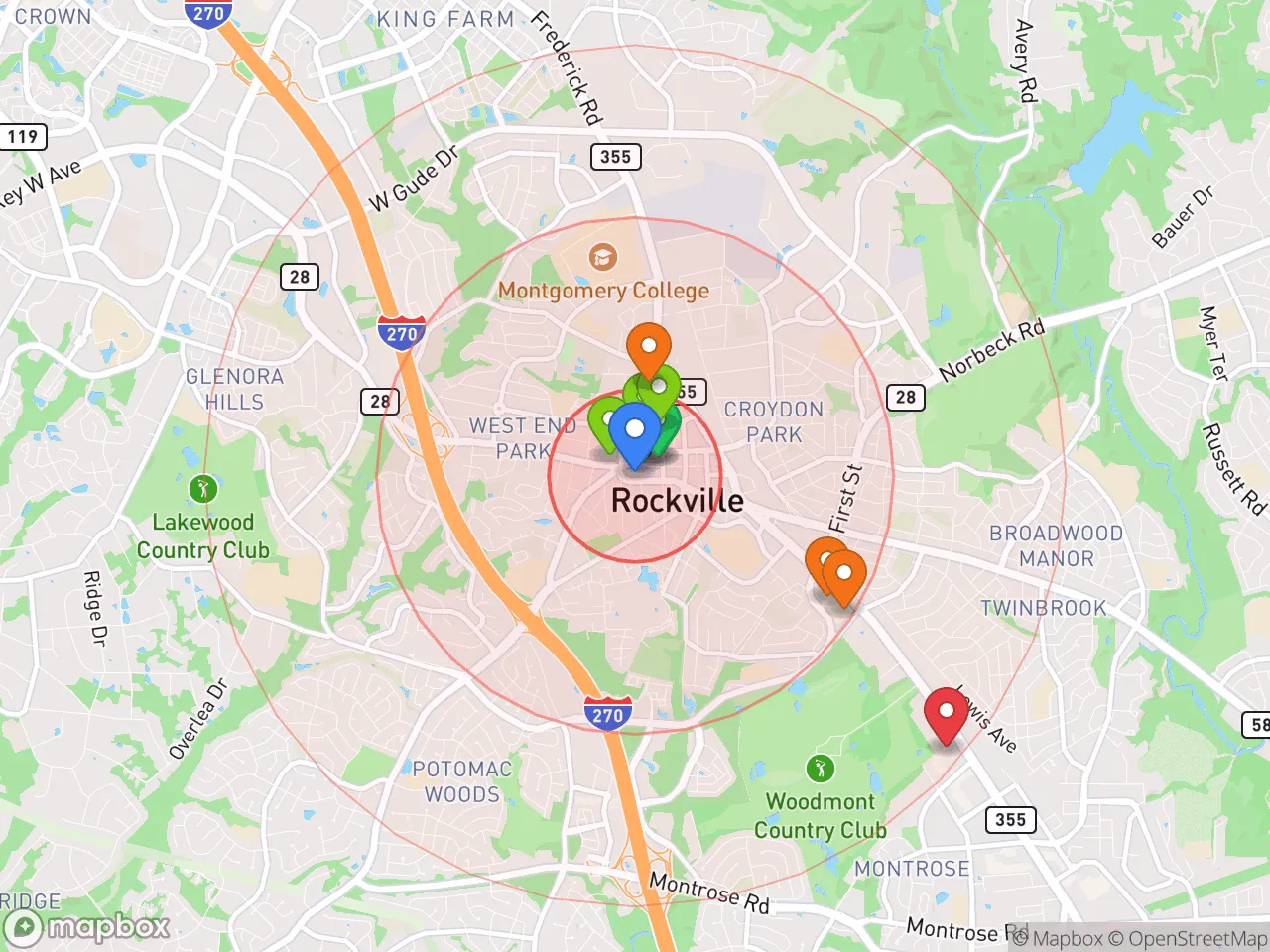
7 within 10 miles
Gas
20 within 10 miles
Hospital
20 within 20 miles
Airport
DCA — Ronald Reagan Washington National
Post Office
USPS — Rockville, MD
Critical Amenities
Quality-of-Life Analysis
Rockville, Maryland, is a high-cost, high-opportunity suburb of Washington, D.C., where a median household income of roughly $100,000 supports a population of professionals, federal contractors, and families drawn to top-tier public schools. The city’s affluence is reflected in its cost of living index of 209—more than double the national average—making it one of the priciest jurisdictions in the D.C. metro area. Residents typically work in government, tech, or healthcare, with many commuting into the District or to nearby biotech hubs like Gaithersburg and Bethesda.
Cost of living, housing, and affordability compared to D.C. and Bethesda
Rockville’s cost of living index of 209 is significantly higher than the U.S. average of 100, but it remains slightly more affordable than neighboring Bethesda (index ~240) and comparable to Arlington, Virginia. The median home value sits at $658,300, which is roughly $100,000 below Bethesda’s median but still about 50% above the national median. Renters face a median monthly rent of $2,244, which is typical for the D.C. suburbs but roughly 70% higher than the national median. Housing costs are the primary driver of the high index; groceries and utilities are only moderately above average. For buyers, the trade-off is access to the Montgomery County public school system, consistently ranked among the best in Maryland, and a commute to D.C. that averages 30.9 minutes—shorter than many outer suburbs like Germantown or Frederick. First-time buyers often look to neighboring areas like Gaithersburg or Derwood for slightly lower prices, but Rockville’s walkable Town Center and Metro access command a premium.
What daily life is like for families, commuters, and professionals
Daily life in Rockville revolves around its excellent public schools, extensive park system, and convenient transit options. The Montgomery County Public Schools system serves the city, with Rockville High School and Thomas S. Wootton High School both earning GreatSchools ratings of 8/10 or higher. The city’s 67 parks and the Rock Creek Regional Park provide hiking, biking, and fishing within a 10-minute drive. Commuters benefit from the Rockville Metro station on the Red Line, which offers a 35-minute ride to downtown D.C., while the average car commute of 30.9 minutes is manageable by regional standards. The Rockville Town Square acts as a social hub, with restaurants, a farmers market, and seasonal concerts. For professionals, the nearby Shady Grove Life Sciences Center and the National Institutes of Health in Bethesda are major employers. The city’s crime rate is low—about 40% below the national average for property crime—and the walkability score of 52 means errands often require a car, though the Town Center area is pedestrian-friendly.
Rockville is best suited for professionals and families who prioritize school quality, short commutes, and suburban amenities over lower housing costs. The high cost of living is a barrier for entry-level workers or those without dual incomes, but for households earning above $120,000, the trade-off is access to one of the best public school systems in the mid-Atlantic and a commute that avoids the worst of D.C. traffic. Retirees may find the cost prohibitive unless downsizing, while young professionals without children might prefer the nightlife of D.C. or Arlington. For those who value green space, strong schools, and a stable, well-run community, Rockville delivers a quality of life that justifies its premium price tag.

Crime in Rockville, MD
Generally safer than 67% of comparable U.S. locations.
Violent CrimeViolent Crime Analysis
Property CrimeProperty Crime Analysis
Crime Analysis
Rockville, Maryland, reports a violent crime rate of 106.3 per 100,000 residents and a property crime rate of 1,814.9 per 100,000, figures that place it below the national average for violent offenses but above the national average for property crime. While the city benefits from its status as a wealthy Montgomery County suburb, the broader context of the Washington, D.C. metro area introduces significant concerns tied to progressive criminal justice policies. Residents should weigh these statistics against the reality that local and county-level prosecutorial and judicial philosophies can directly influence public safety outcomes.
Crime in context
Rockville’s violent crime rate is roughly 70% lower than the national average, a statistic that reflects the city’s affluence and robust police presence. However, its property crime rate is about 10% higher than the U.S. average, driven largely by thefts from vehicles and package thefts common in dense suburban hubs. When compared to Maryland as a whole, Rockville’s violent crime is significantly lower than the state rate of approximately 450 per 100,000, but property crime aligns closely with the state average. These numbers, while moderate, must be interpreted with caution: Montgomery County’s State’s Attorney’s Office and local judges have adopted progressive policies, including reduced cash bail and diversion programs for property offenders, which critics argue embolden repeat criminals and undermine deterrence.
What residents experience
In practice, Rockville residents report that property crime—especially car break-ins and porch thefts—is the most common safety nuisance, with many neighborhoods seeing incidents in clusters near Metro stations and commercial corridors. Violent crime is rare but not absent; incidents tend to be concentrated in specific apartment complexes and public areas like Rockville Town Square late at night. A key concern for families and professionals is the perception of leniency in the local justice system. Montgomery County has implemented pretrial release reforms and alternative sentencing that prioritize rehabilitation over incarceration, which can result in repeat property offenders cycling through the system quickly. For residents, this means that even when a suspect is arrested, they may be released within hours, creating a sense of impunity that frustrates victims and neighborhood watch groups.
Neighborhood-level variation
Safety in Rockville varies sharply by neighborhood. Areas west of Rockville Pike, such as Fallsmead and Luxmanor, experience virtually no violent crime and property crime rates well below the city average, thanks to lower density and active homeowners associations. In contrast, the Twinbrook and Lincoln Park neighborhoods, which have more rental housing and proximity to transit, see higher rates of theft and occasional assaults. The City of Rockville operates its own police department (separate from Montgomery County Police), which maintains a visible presence in commercial districts, but the broader county’s progressive judicial environment remains a constant factor. For those considering relocation, the safest strategy is to choose a single-family home neighborhood west of I-270 and invest in home security systems, while remaining aware that the legal system’s philosophy may not prioritize victim protection as strongly as in more conservative jurisdictions.
* Values derived from national, state, county, city and local statistics and may differ in a specific area. Last updated: 2026-04-22T02:27:47.000Z
Narrative content on this page is AI-generated and may contain mistakes. Verify any details that matter before acting on them.
ReloMaps may earn a commission from affiliate links at no extra cost to you.

